
Welcome to Modern Agriculture!

A thoughtfully designed backyard not only elevates daily enjoyment but also boosts a home’s market value. Yet, many DIY projects inadvertently erode that value. Below are 14 common pitfalls—avoid them and turn your yard into a selling point rather than a liability.
Overgrown hedges can cast long shadows over kitchen windows, hide patio areas, and make the yard feel smaller than it is. Real‑estate research consistently links strong curb appeal to higher offers, with one industry study citing a 7 % lift for well‑presented exteriors. Cosmetic neglect at the property line is often the first thing buyers notice.
Trim hedges so they rest below the nearest window sills and shape privacy plants twice a year. Keep at least 18 inches of clearance around patio furniture and walkways. If a shrub has outgrown its spot, replace it with a more compact variety rather than fighting the same battle each spring.
Save this article & also instantly unlock today's gardening deals!
Mounting mulch against a tree’s trunk is a common suburban faux pas. While it may look tidy from the curb, the damp mulch traps moisture against the bark, accelerating rot, pests, and bark decay. Arborists recommend a “mulch donut” – a ring that keeps the bark dry.
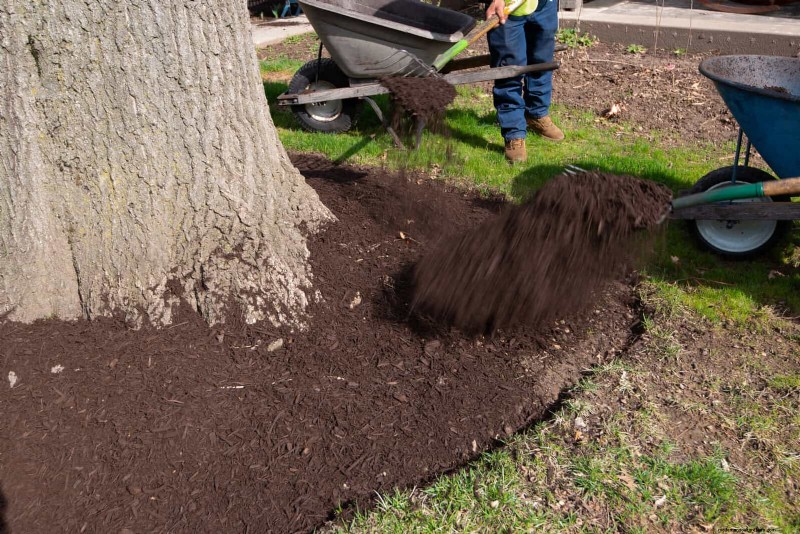
Pull mulch back 2–4 inches from the trunk and expose the root flare. Spread a 2–3‑inch even layer across the root zone in a flat donut shape. For a polished look, explore our guide to mulch colors that age gracefully.
Concrete or paver slabs can appear impressive when first conceived, but an entire backyard paved in hardscape feels cold, industrial, and can even cause drainage issues that drive up repair costs.
Buyers typically desire a balanced mix of patio and green space, not a courtyard. Excessive hardscaping tends to depress appraisals in suburban markets where outdoor living should feel like a garden.
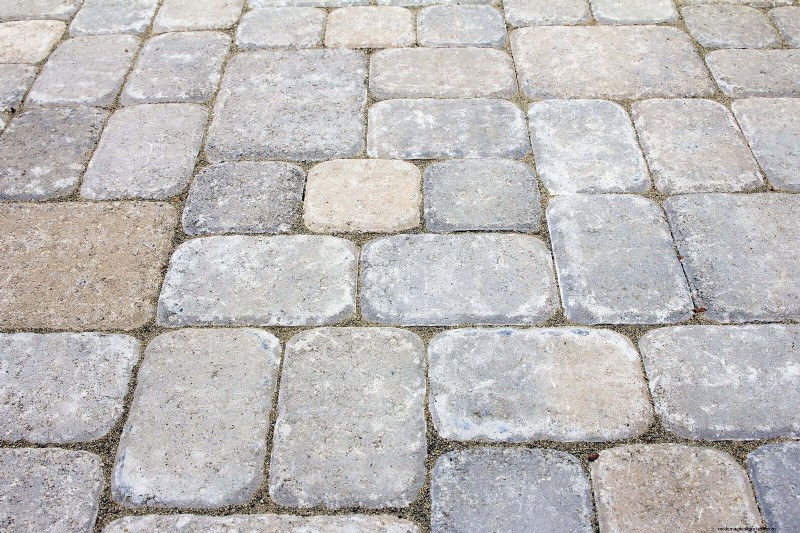
Limit hardscape to roughly one‑third of the yard. Frame patios with planting beds so the eye has soft areas to land on. If you’ve already paved too much, break up large areas with raised planters, gravel swaths, or re‑introduce lawn sections.
Large trees, when properly placed, can increase a property’s value by 10–15 % (Money.com). However, species like willows, silver maples, and some oaks send expansive roots that can lift slabs, crack foundations, and intrude on sewer lines.
Keep sizable trees at least 20–30 ft from the foundation, depending on mature spread. Small ornamentals such as Japanese maples, dogwoods, or serviceberries are suitable within 15 ft. Have any mature tree closer than that inspected before listing.
A yard that turns into a swamp after each rainstorm signals poor grading, compaction, or more serious issues. Standing puddles breed mosquitoes, rot fencing, and can pull at the foundation. Inspectors often trace moisture marks on a basement wall back to yard drainage.
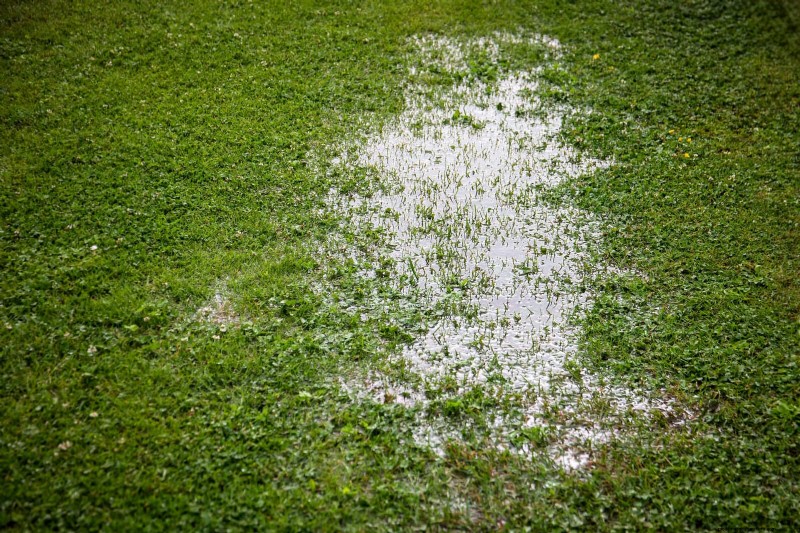
Did You Know? Real‑estate agents estimate that poor yard conditions can reduce property value by 10–30 %. Visible drainage issues are the most reliable indicator of lower offers.
Regrade so soil slopes away from the house on all sides. Consider a French drain or dry creek bed where water naturally collects. Redirect downspout runoff into a buried extension that discharges at least 6 ft from the foundation.
While a koi pond can be a stunning focal point, it quickly becomes a liability if the pump, filtration, or algae go unattended. Buyers see the extra upkeep and often add those hours to the price they’re willing to pay.
Keep the pond serviced through the listing period and provide a clear walkthrough for showings. If you cannot maintain it for several years, consider removing the pond and replacing it with a low‑maintenance fountain that still delivers the soothing sound of water.
A single sculpture can become a focal point, but a dozen gnomes, angels, windmills, and themed ornaments quickly feel cluttered to a stranger. Real‑estate agents advise sellers to remove such items before listing to allow buyers to envision their own décor.
Keep one or two large, neutral pieces if you love sculpture, and store the rest. Themed décor (beach signs, sports flags, lawn animals) should be packed away well before the first showing.
Cheap synthetic grass often fails to age gracefully—fading, matting, and showing seam lines within a few seasons. While premium turf can cost $15–$19 per sq. ft. installed, real sod can be under $2 per sq. ft. The premium often doesn’t recover at resale.
Many buyers still prefer real grass for kids and pets, and associate budget turf with rental properties or shortcuts.
If lower maintenance is the goal, replace high‑traffic lawn patches with native ground covers like creeping thyme or clover. If you choose synthetic, invest in a high‑quality product and keep real planting beds around it.
Trendy designs—fire‑pit lounges, all‑black hardscape, minimalist gravel—can date a property in three years. Designers caution against chasing fads at the expense of regional fit; a coastal theme in the Midwest feels out of place regardless of execution.
Incorporate trend elements sparingly, so you can update them later. Build the yard’s bones—patios, walkways, mature plantings—around timeless, regional materials. Trends belong in cushions, container plantings, and removable accents.
A high‑maintenance garden reads like a weekend chore list rather than a lifestyle choice. Exotic perennials or tropical specimens out of zone give buyers the impression of needing a gardener on retainer.
Base your beds on hardy natives and proven low‑care perennials: Echinacea, sedum, baptisia, ornamental grasses, and native shrubs. Reserve show‑piece roses for a single, well‑placed bed near the patio.
When grass creeps into a planting bed, the whole arrangement looks overgrown. Crisp edges are one of the most cost‑effective ways to make a backyard look professional.
Edge beds 3–4 inches deep with metal, stone, or a clean spade cut. Mulch the interior to 2–3 inches to keep weeds down and moisture in. Refresh the edge each spring before plants leaf out.
See more: 15 Garden Bed Edging Ideas That Keep Everything in Place
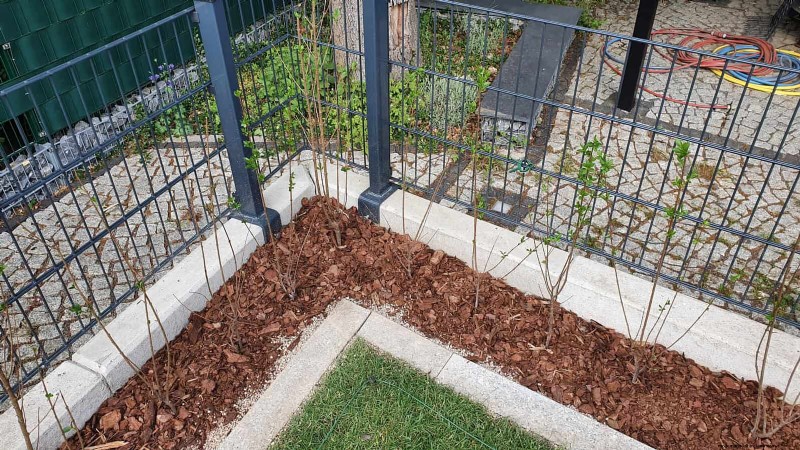
Bed‑Edge Refresh Checklist
Permanent installations—outdoor kitchens, oversized firepits, pergolas—are great when positioned correctly. Placing a large built‑in in the center of a small lawn forces buyers to picture a single use, reducing flexibility.
Position permanent features along the yard’s edges. A corner firepit tucked under a curved gravel patio reads as versatile. A massive grill island in the middle of the lawn rarely appeals to buyers.
A working pool or hot tub has its fans. But a cracked liner, cloudy water, or an unused hot tub signals neglect. HomeLight data shows freestanding hot tubs return only 25–33 % of their original resale value, while in‑ground pools return about 56 % on average.
Keep the equipment running and the water clear through the listing period. If a unit is broken or unused, remove it before showings and patch or grade the spot back. An empty patch of lawn beats a derelict hot tub every time.
Many backyard makeovers peak in June. By October, perennials have wilted and annuals have collapsed, leaving the yard looking plain in the slower months. Buyers touring in late fall or winter see nothing to love.
Add evergreen anchors—boxwood, holly, dwarf conifers—to keep structure through winter. Plant for fall color as well as summer bloom. A few ornamental grasses provide texture and motion all year long.
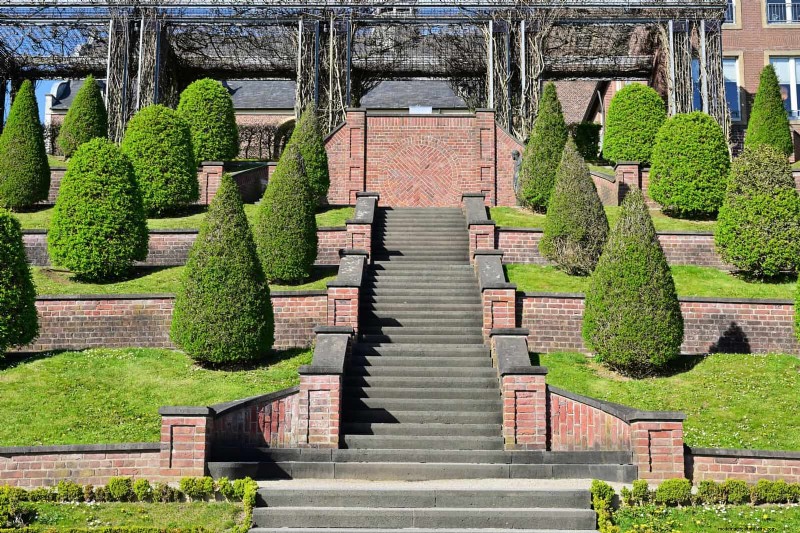
If your yard has slipped into the kind of quiet neglect a casual passerby would spot, our piece on subtle signs neighbors notice in a struggling garden is a useful next read.
| Choice | Helps Resale | Hurts Resale |
|---|---|---|
| Trees near the house | Small ornamental mand safe distance | Aggressive species too close to foundation |
| Hardscape coverage | Roughly one‑third of yard, framed by plants | Slab covering most of the yard |
| Water features | Recirculating fountain, low upkeep | Neglected koi pond with algae |
| Lawn surface | Healthy turf or native ground cover | Cheap, faded artificial turf |
| Decor | One or two neutral pieces | Cluttered themed ornaments everywhere |
| Plants | Hardy natives and proven perennials | High‑maintenance exotic specimens |
A backyard need not be elaborate to add value; it must feel cared for, flexible, and welcoming. Buyers at a showing want a yard they can envision as their own without the need for a full redesign. Avoid the mistakes above, invest in the structural “bones,” keep maintenance reasonable, and the next appraisal will reflect the true worth of your outdoor space.
Written by
Anne Moss
Anne Moss is the founder of GardenTabs and principal of Moss Digital Publishing, where she has spent over a decade creating practical, reader‑first content. She guides the site’s editorial direction and authors guides that help everyday gardeners find clear, actionable answers.
Meet the GardenTabs team →

Editorial oversight
GardenTabs content is reviewed by Steve Snedeker, a seasoned gardener with decades of hands‑on landscaping experience.


