Welcome to Modern Agriculture!

The lawn mower has long been a staple of American yards, yet more homeowners are quietly retiring it. Whether it’s the noise, the gas consumption, the desire for a bee‑friendly habitat, or simply the lure of a freer Saturday morning, the trend is clear.
Good news: a lawn can still look polished, walkable, and welcoming without a mower. From soft, living carpets to native meadows that shimmer in the summer breeze, the options below meet a range of climates, soils, and maintenance tolerances.
Choose the alternative that matches your sun exposure, soil type, and patience for the transition. Many options pay for themselves within a few seasons by saving water, fuel, and time.
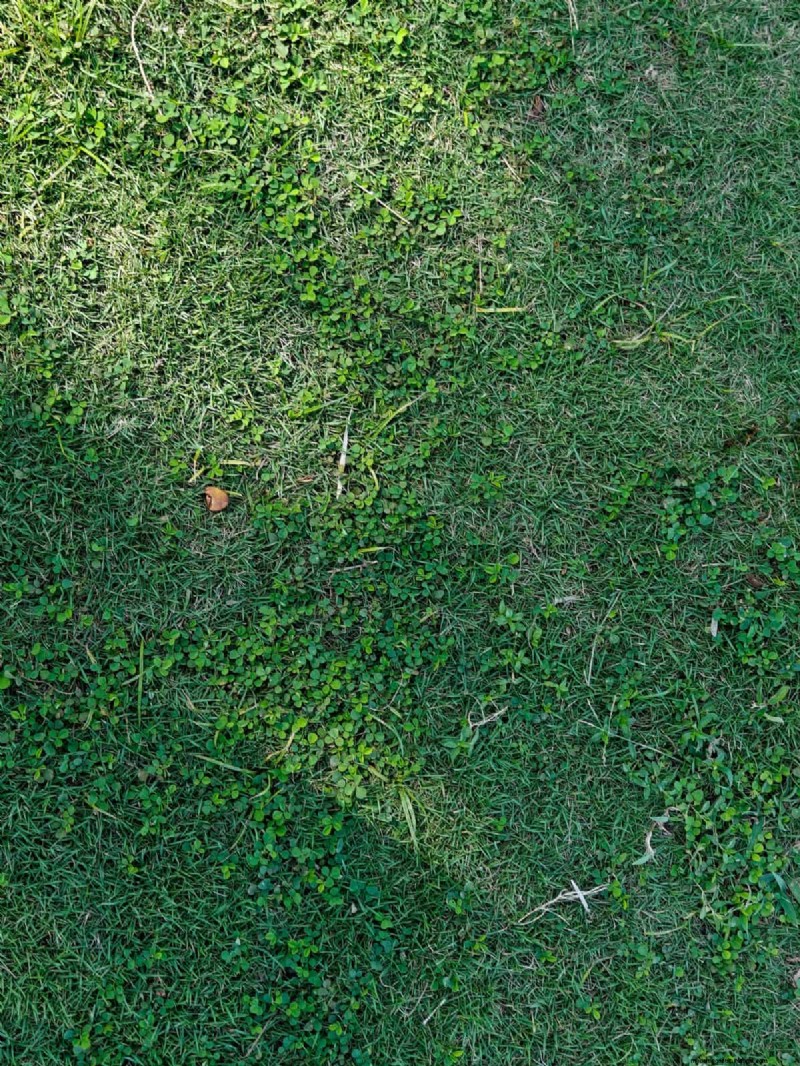
Microclover is a selectively bred variety of white clover with leaves about a third the size of the standard plant. It blends seamlessly into existing turf, presenting a lush green lawn from the street while being a true clover underfoot.
The plant fixes its own nitrogen from the air, fertilizing itself and any mixed grass. Established microclover lawns require roughly half the water of a thirsty turf lawn, even during summer dry spells.
Seed is the main trade‑off: it costs about three to five times regular white clover, but a pound covers a surprisingly large area. Savings on fertilizer and water usually recoup the cost within two seasons.
Save this article & instantly unlock today’s gardening deals!
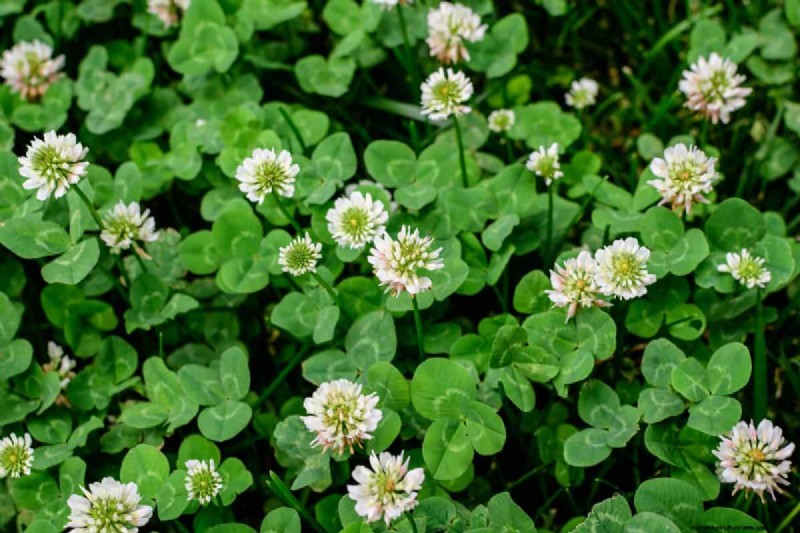
Dutch white clover was a common component of U.S. grass seed mixes until the 1950s, when herbicide companies rebranded it as a weed. The clover stays green through heat waves, emits a faint sweet scent when crushed, and feeds bees from spring through fall.
Mowing is optional; a once‑monthly trim keeps it tidy. The flowers are the highlight if you have barefoot kids or family members with bee allergies—many homeowners mow before peak bloom and let the clover flower later.
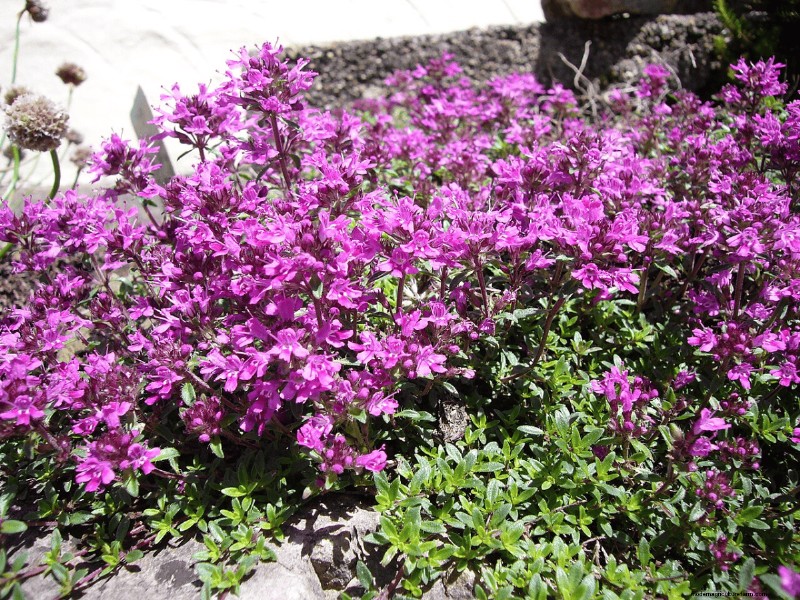
Red creeping thyme caps at about three inches, releasing a gentle herbal scent when stepped on. Its tiny green leaves form a carpet that blooms in magenta for several weeks early summer.
Once established, it needs roughly one inch of water every couple of weeks and tolerates poor, rocky soil that defeats most grasses. It handles regular foot traffic well, though daily backyard soccer is still too much.
Sunny front yards and boulevard plantings are ideal. Pair it with flagstone stepping paths to manage heavy wear, letting thyme spill into the gaps.
See more: 47 Garden Pathway Ideas That Guide You Through Your Space
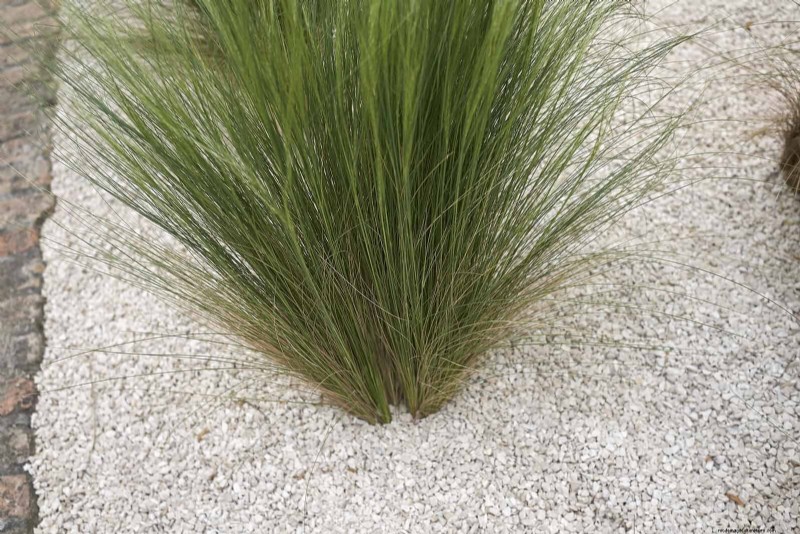
Pennsylvania sedge is the native woodland answer for shady yards where grass fails. It forms a soft, semi‑evergreen carpet of arching green blades that ripple in a breeze.
It hosts roughly thirty‑six species of native caterpillars, quietly supporting local songbirds. Mow once or twice a year if you prefer a tidy look, or let it grow to its natural eight inches and skip mowing entirely.
Pennsylvania sedge is best for walkways rather than play areas. A network of stepping stones lets you cross without bruising the leaves.
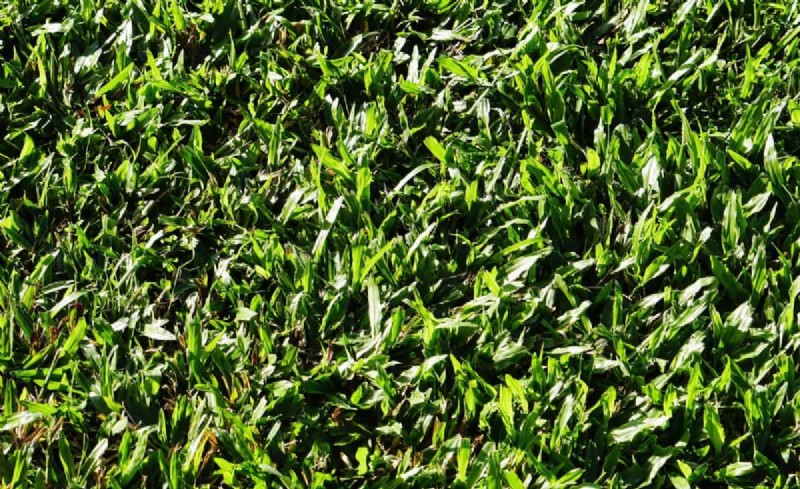
Buffalo grass is a fine‑textured native of the Great Plains that thrives in full sun and minimal care. The blue‑green blades stay only four to six inches tall, curling gracefully for a windswept look without mowing.
It greens up later in spring than cool‑season turf and goes tan during deep drought, yet it survives on roughly one and a half inches of rainfall a month and resists heat that would crisp a fescue yard by July.
Establishment takes patience: seed must be planted carefully, so most homeowners lay plugs or sod and weed diligently the first season.
| Alternative | Best Light | Foot Traffic | Mowing |
|---|---|---|---|
| Microclover | Sun to part shade | Moderate | Optional, monthly |
| Red Creeping Thyme | Full sun | Light to moderate | None |
| Pennsylvania Sedge | Part to full shade | Light | 1‑2x per year |
| Buffalo Grass | Full sun | Moderate | None to rare |
| Moss Lawn | Full shade | Light | Never |
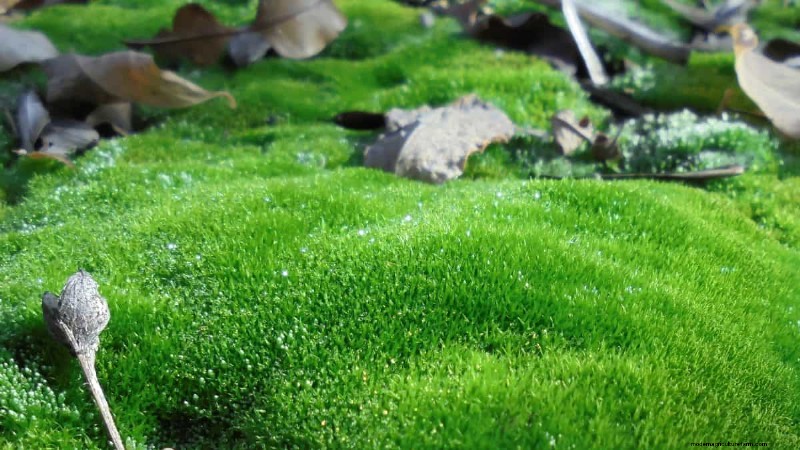
Moss thrives where turf fails: deep shade, acidic soil, and consistent moisture. A mature moss lawn resembles a velvety green carpet that softens every footstep and stays vivid year round.
The maintenance routine is the opposite of a grass lawn. Skip mowing, fertilizing, and most watering; instead, rake fallen leaves to let the moss breathe.
If your soil’s pH sits around 5.0 to 5.5, moss often colonizes itself. For faster coverage, blend existing moss with buttermilk or yogurt and spread the slurry over bare patches.
Read our guide on how fast moss actually grows before committing.
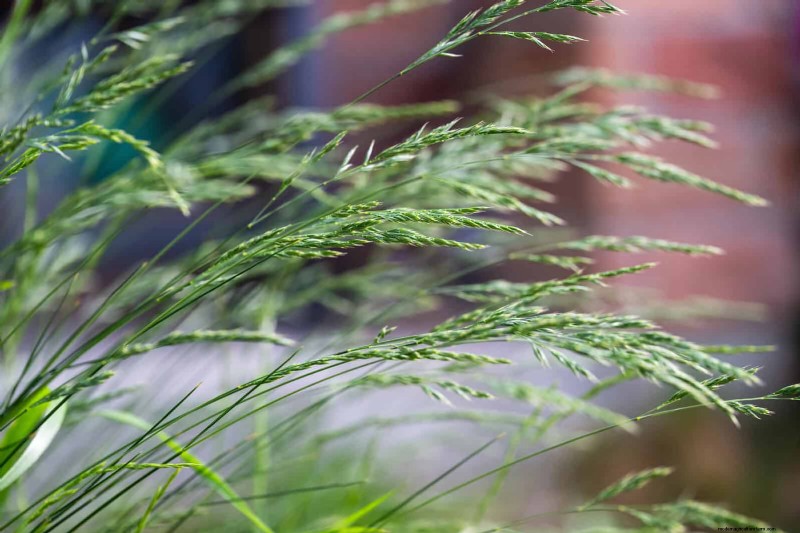
No‑mow lawns built from fine fescue species resemble a traditional yard while behaving nothing like one. The blend typically combines creeping red, chewing, hard, and sheep fescues into a soft, dense turf that grows slowly and tops out around six to twelve inches.
You can mow twice a year for a meadow look or every few weeks for a conventional lawn. Watering needs drop dramatically once the deep root system takes hold in the second season.
This blend is ideal for homeowners who want to ditch weekly mowing without mandating a clover lawn in strict neighborhood associations. From the street, it reads as a slightly shaggy, healthy lawn.
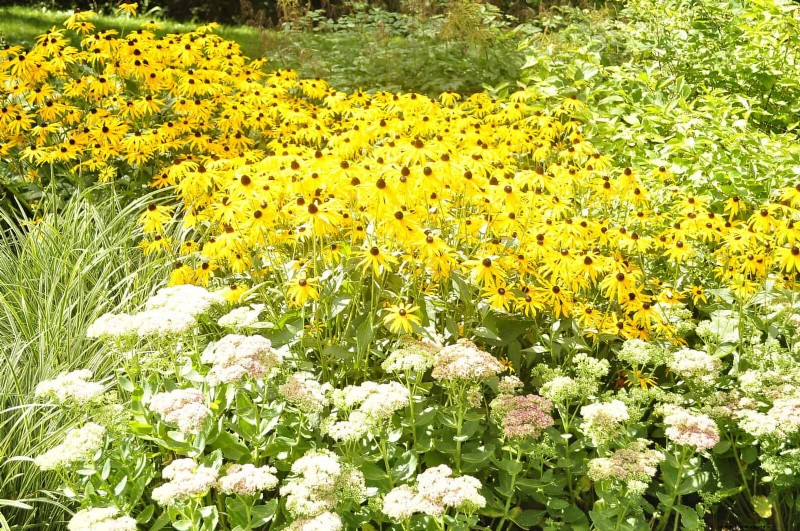
Replacing turf with a native wildflower meadow trades a weekly chore for one annual cut. A well‑planned meadow blends warm‑season grasses like little bluestem with deep‑rooted perennials such as black‑eyed Susan, butterfly milkweed, and bee balm.
The trade‑off is patience: perennial meadows usually take two or three growing seasons to fully establish, as plants send roots deep before showing above ground.
By year three, the meadow largely self‑maintains. A single mow each winter at six inches resets the system, and the deep roots keep it drought‑resilient.
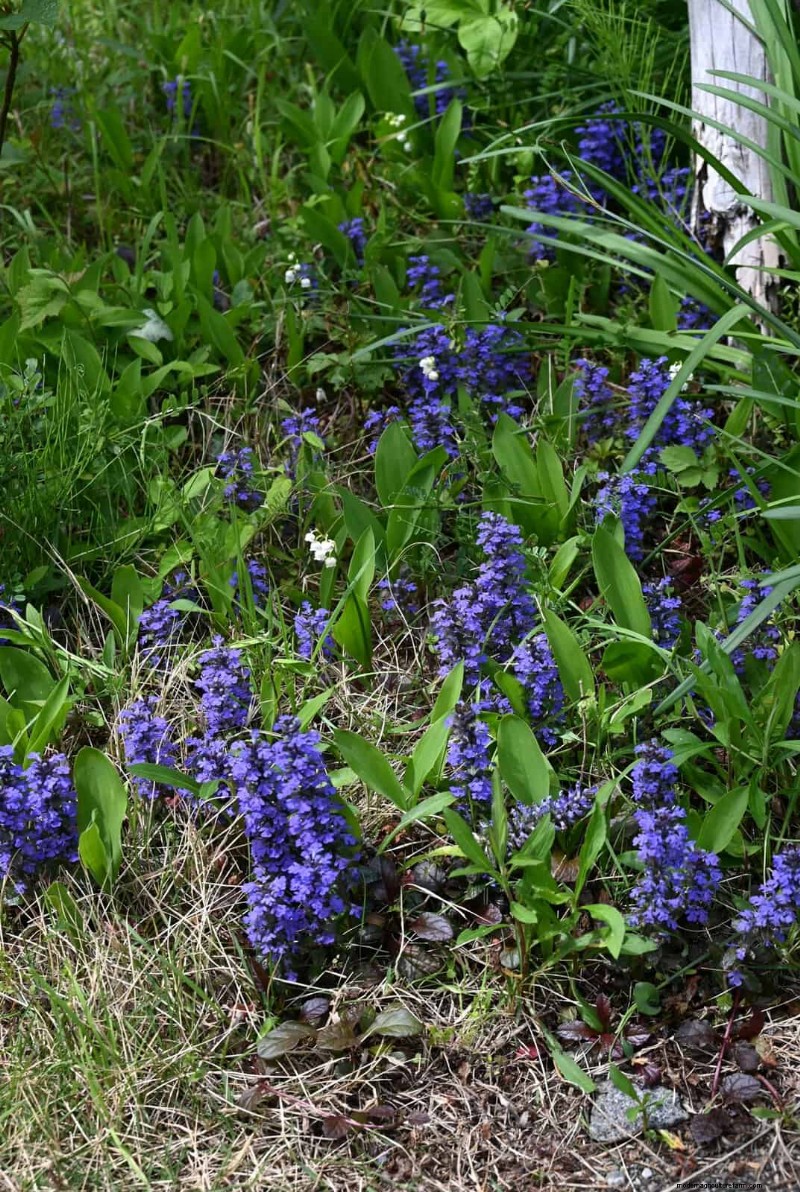
Ajuga forms a tidy mat of glossy purple‑tinged leaves and sends up blue spikes in spring. It stays about six inches tall, tolerates light to moderate foot traffic, and thrives in dappled shade where lawn grass mustn’t.
The plant spreads readily, so homeowners give it a defined edge—sidewalk, brick border, or steel edging. Within boundaries it forms an even, weed‑suppressing carpet.
Ajuga is strong under deciduous trees where grass struggles. The deep purple foliage looks striking against pale flagstones or light‑colored mulch.
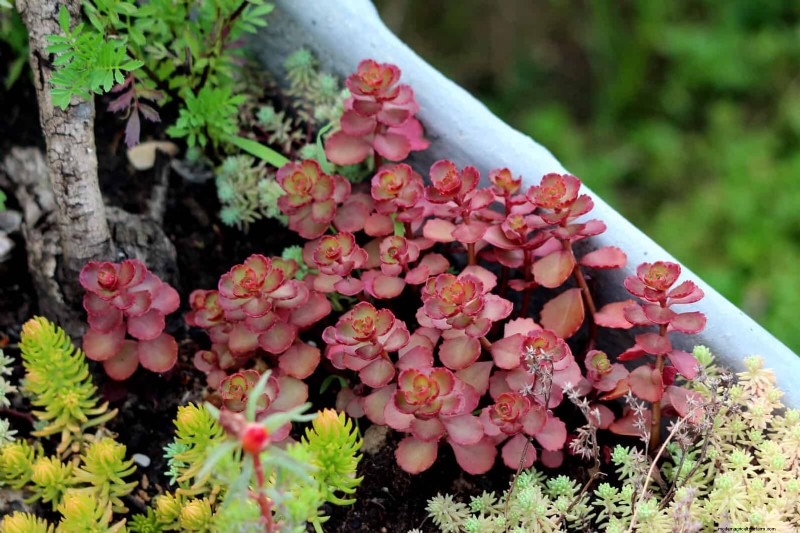
Sedums are the workhorses of dry, sunny ground. Low‑growing varieties such as ‘Angelina’, ‘John Creech’, and white stonecrop spread into a textured green‑gold mosaic that looks intentional even when left alone.
These succulents store water in their plump leaves, shrugging off heat that would brown a turf lawn. They thrive in lean, rocky soil and rarely need supplemental watering once rooted.
Sedum doesn’t love foot traffic, so it works best in rock gardens, narrow front‑yard borders, and small visual areas rather than walkways. Plug a flat of starts in spring and they fill in by fall.
Did You Know? A typical gas mower running for one hour emits about as much air pollution as driving a modern car several hundred miles. Switching even a quarter of your lawn to one of these alternatives meaningfully reduces your household carbon footprint over a season.
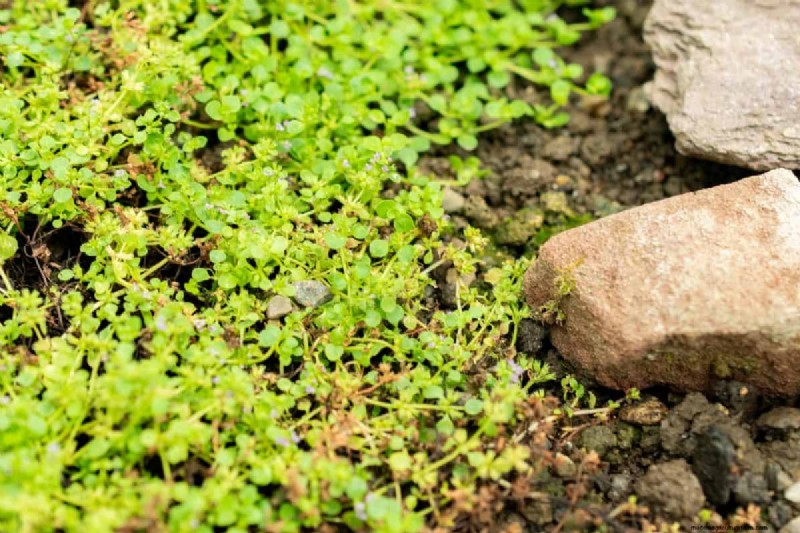
Corsican mint is a tiny Mediterranean herb that grows about an inch tall and releases an intense peppermint aroma underfoot. The leaves are emerald green; late‑summer flowers are pale lilac, making it one of the most sensory plantings in a yard.
It tolerates light foot traffic, so weave it between flagstones or along a low‑traffic side yard. Heavy daily walking will thin it out, so reserve a sturdier path for high‑use routes.
The plant prefers consistent moisture and afternoon shade in hot climates. With those conditions, a Corsican mint lawn becomes a backyard detail guests always remember.

Roman chamomile makes a soft, apple‑scented carpet that has been used as a lawn substitute since at least the Tudor era. The famous Buckingham Palace chamomile lawn is the most well‑known modern example.
The plant tops out at around six inches and produces small daisy‑like flowers in summer. Light mowing actually helps it dwarf and thicken, so a quick monthly trim is usually all it asks.
This low‑traffic option is best for small backyard pockets, herb gardens, or a sitting area you want to step out onto barefoot. The scent alone earns the spot.
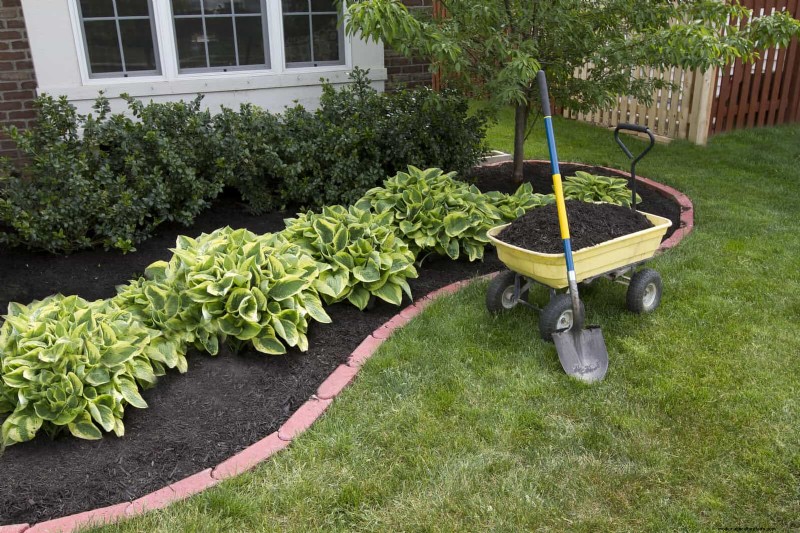
The simplest way to retire a mower is to stop pretending the ground must stay flat and green. Convert a lawn section into mulched planting beds filled with shrubs, perennials, ornamental grasses, and small trees.
Wood chip mulch suppresses weeds, holds moisture, and feeds the soil as it breaks down. A two‑ to three‑inch layer refreshed every couple of years keeps the beds polished without weekly attention.
When well designed, a mulched planting island can absorb the visual mandate of a lawn while doubling as habitat. Even reducing the lawn footprint by half cuts mowing time in roughly the same proportion.
See more: 10 Mulch Colors That Make Your Landscaping Look Expensive
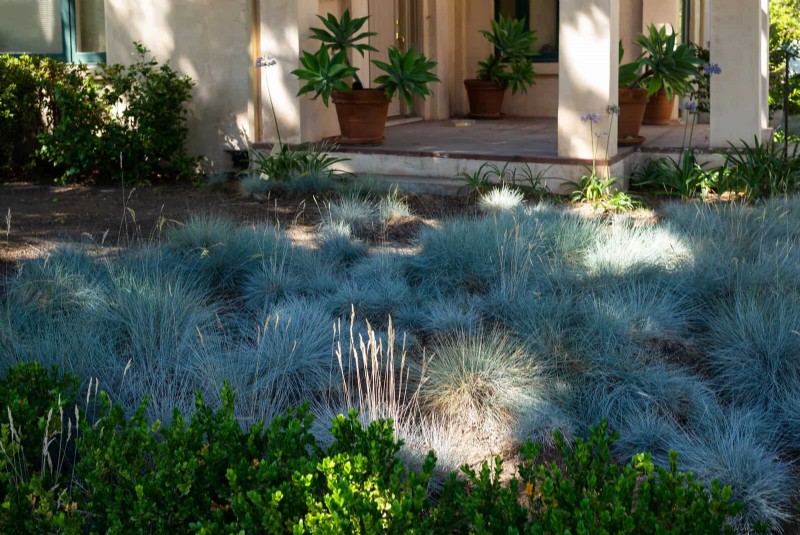
Decorative gravel paired with drought‑tolerant plants like lavender, agave, salvia, and ornamental grasses is the boldest move on this list. Done with thoughtful plant clusters and pathways, the result reads as designed rather than barren.
Half‑inch gravel mulch reduces evaporation, suppresses weeds, and never needs replacing. Pair it with native shrubs and a few specimen boulders to soften the look and break up the texture.
This approach works best in regions where summer water is restricted or truly scarce. The savings often pay back the installation in three to five years.
Quick Match Guide
Match the alternative to your conditions and your tolerance for the transition period. The wrong plant in the wrong spot will look thin and patchy no matter how much you fuss.
One practical tip: start small with a single bed or test patch and learn the plant before committing the entire yard. The mower will still be in the garage if you change your mind, but most homeowners who try one of these alternatives end up converting more of the yard the next year.
Written by
Anne Moss
Anne Moss is the founder of GardenTabs and principal of Moss Digital Publishing, where she’s spent over a decade building practical, reader‑first content. She guides the site’s editorial direction and contributes guides aimed at helping everyday gardeners get clear, usable answers.
Meet the GardenTabs team →

Editorial oversight
GardenTabs content is reviewed by Steve Snedeker, a seasoned gardener with decades of hands‑on landscaping experience.