
Welcome to Modern Agriculture!

A crisp, well‑defined edge transforms a garden far more than any other quick fix. It separates beds from lawn, holds mulch in place, and gives your yard a polished look that’s instantly visible from the street.
The right material depends on your style, budget, and desired maintenance level. Some options endure for decades with minimal care, while others let you refresh the look every few seasons.
The following 15 ideas span modern, classic, rustic, and budget‑friendly approaches. Choose the one that complements the garden you already have, rather than a design you only dream of.
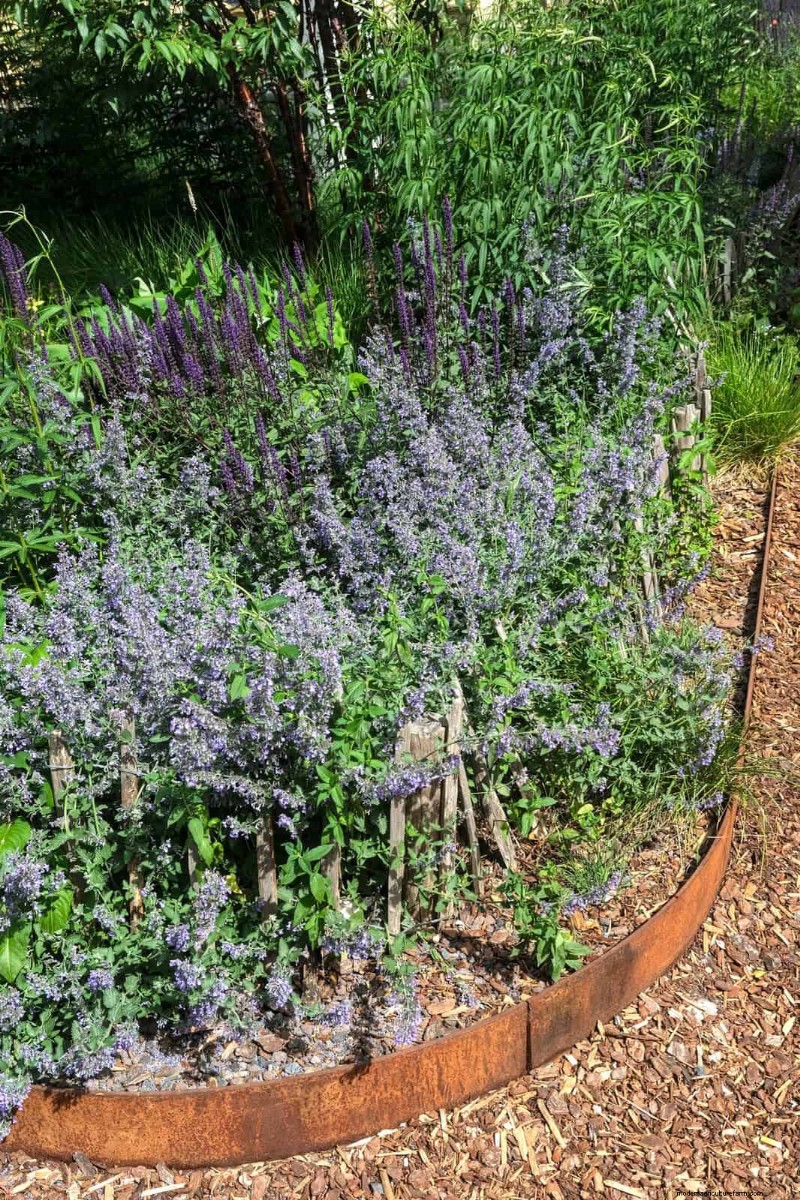
Corten steel has become the designer’s go‑to for contemporary landscapes because it develops a warm, rust‑colored patina that looks intentional rather than neglected. The patina actually protects the metal underneath.
The thin profile creates a crisp line that a mower can ride over. Bend it into curves for organic beds or lay straight runs for geometric borders.
Installed once, corten edging can last 20+ years with just an occasional hose rinse. As industry experts note, its subtle hue blends seamlessly with stone, wood, and most planting palettes—making it ideal for both cottage and modern gardens.
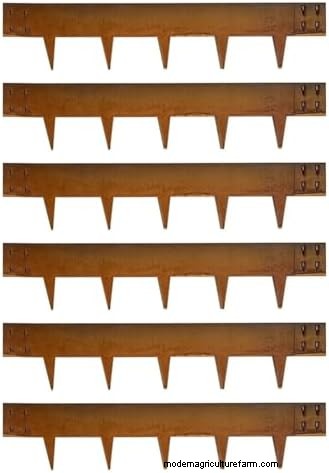
For a DIY option, the GZGNEEVL Corten Steel Landscape Edging Set offers pre‑cut sections that hammer directly into the soil. (Amazon)
Save this article & also instantly unlock today’s gardening deals!
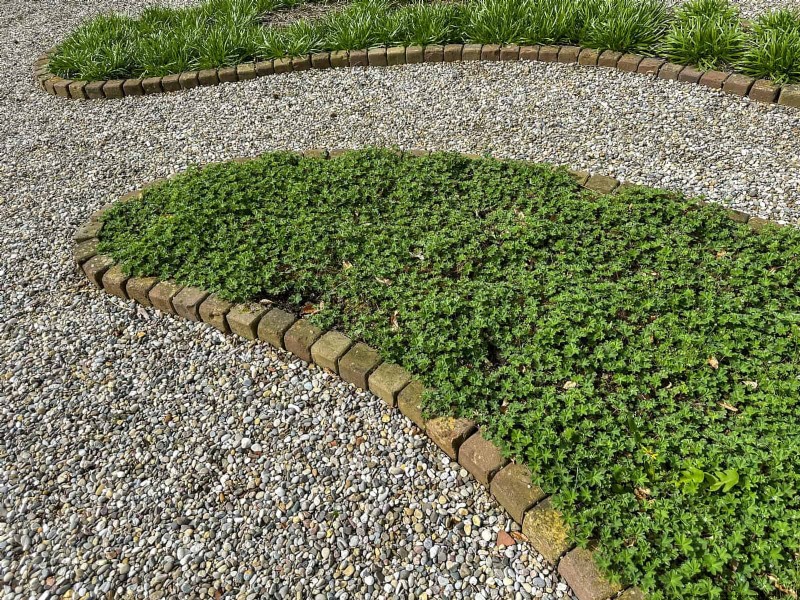
Brick edging is one of the oldest garden tricks and remains a timeless choice for cottage gardens, vegetable beds, and formal borders. Standing bricks on their long edge gives extra height, helping contain mulch and control creeping groundcovers.
A diagonal sawtooth pattern works especially well around traditional homes. Reclaimed bricks add character—worn faces and faded colors feel layered rather than new.
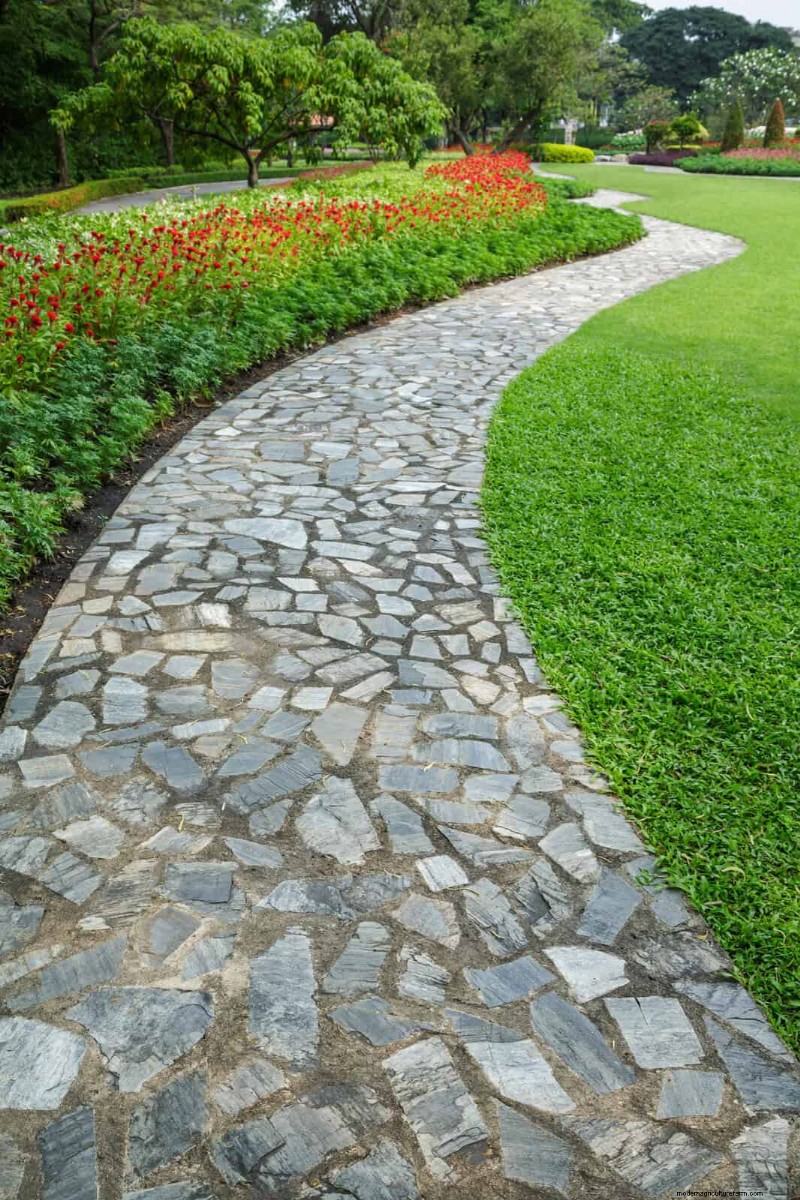
Estate gardens often look settled thanks to Belgian block cobblestone along bed edges and walkways.
These rectangular granite blocks, sourced from historic city streets, offer unmatched durability. Set into a concrete footing, they will not shift for decades. The look pairs beautifully with brick walkways, bluestone patios, and traditional landscaping.
A single course along a flower bed adds quiet weight to the design. Two courses stacked create a low retaining wall that can handle slight grade changes without engineering.
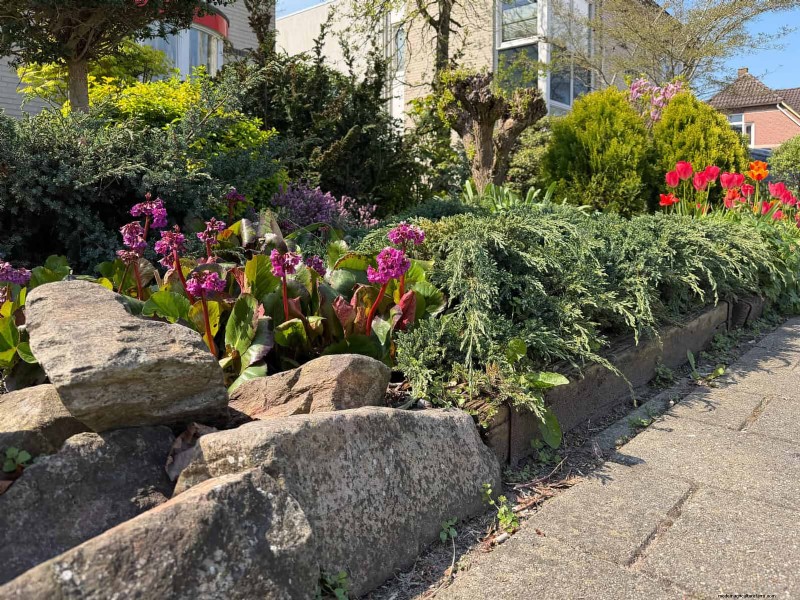
Fieldstone gives a garden a country feel that feels as if it’s been there for generations. Irregular shapes and earth tones blend with almost any planting style, from prairie beds to perennial borders.
Dry‑stack the stones or set them loosely along a trenched edge. Look for flat‑bottomed pieces for stability without mortar.
See more: 10 Mulch Colors That Make Your Landscaping Look Expensive
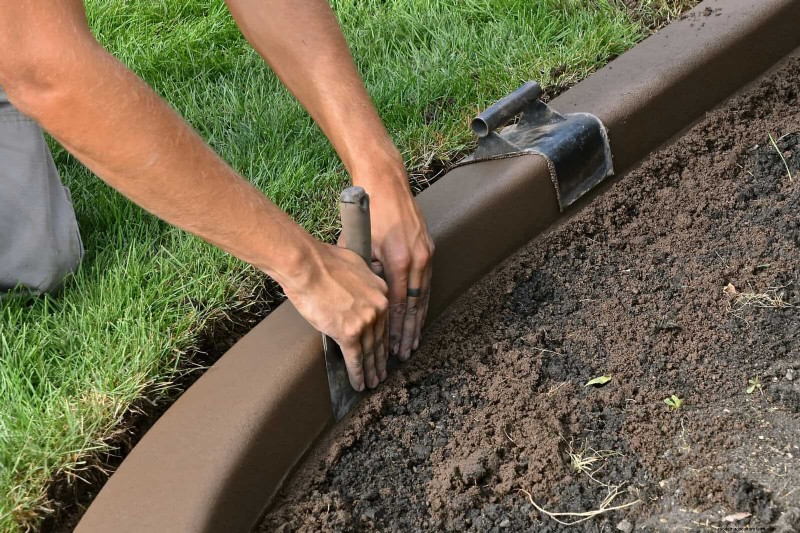
A poured concrete curb is the most permanent edging on this list. Contractors form it in place, allowing any curve you draw on the ground.
Modern concrete curbs come in colors and stamped textures that mimic brick, stone, or weathered wood. The result is a continuous edge with no joints for grass to creep through.
Expect a higher upfront cost, but plan on 10–20 years before it needs significant attention.
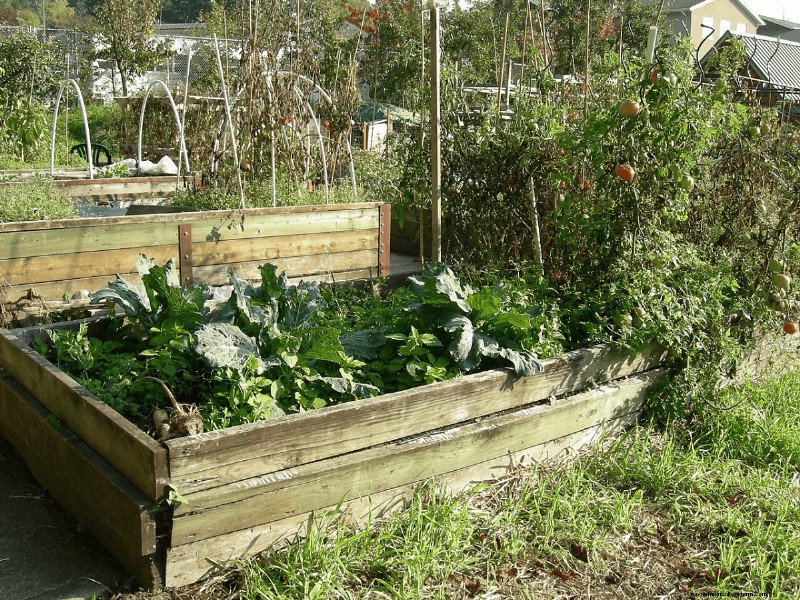
Cedar boards laid on edge provide straight, clean lines that work beautifully around raised beds, modern landscapes, and vegetable gardens. The natural oils in cedar resist rot, so you can expect 7–10 years of service before the wood starts to weather seriously.
Use stakes hammered behind the boards to keep them upright. A single row makes a low edge, while two stacked rows create a slight retaining wall for raised beds.
Picture a winding shade garden with hostas spilling onto a path, and you can almost see the half‑log border tying it all together. Cedar logs bring a woodland feeling that flat materials simply cannot match.
Stand them upright in a shallow trench, alternating heights for a wavy, natural look. Or keep them uniform for a tidier effect that suits more formal beds.
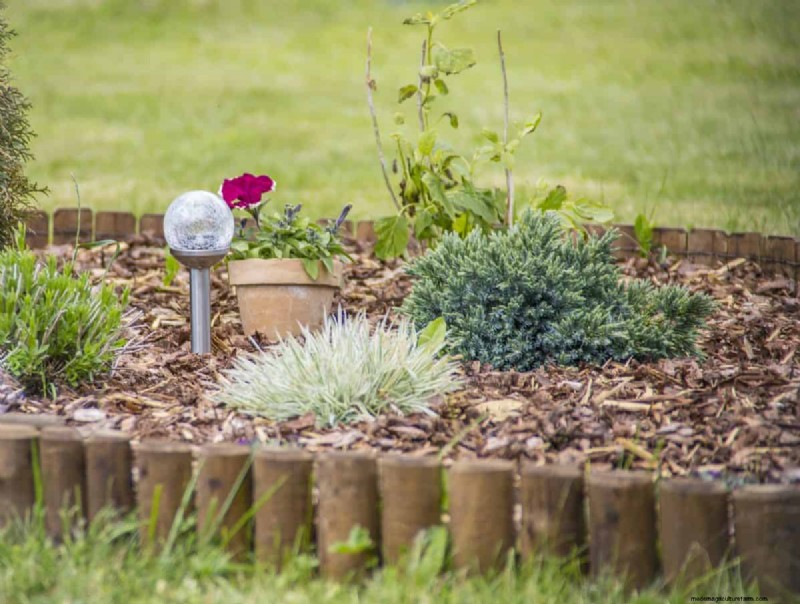
This style suits hosta gardens, fern beds, and any planting where you want the materials to feel like they grew out of the landscape. The logs eventually soften and return to the soil over many years—a feature some gardeners cherish.
| Material | Relative Cost | Expected Lifespan | Best Garden Style |
|---|---|---|---|
| Corten Steel | Moderate | 20+ years | Modern, contemporary |
| Brick | Low to moderate | 30+ years | Cottage, traditional |
| Belgian Block | Higher | 50+ years | Formal, classic |
| Fieldstone | Low (often free) | 30+ years | Rustic, naturalistic |
| Poured Concrete | Higher | 20+ years | Polished, permanent |
| Cedar Boards | Low | 7–10 years | Raised beds, modern |
| Boxwood Hedge | Moderate | 30+ years | Formal gardens |
| River Rock | Low | Decades | Cottage, dry‑style |
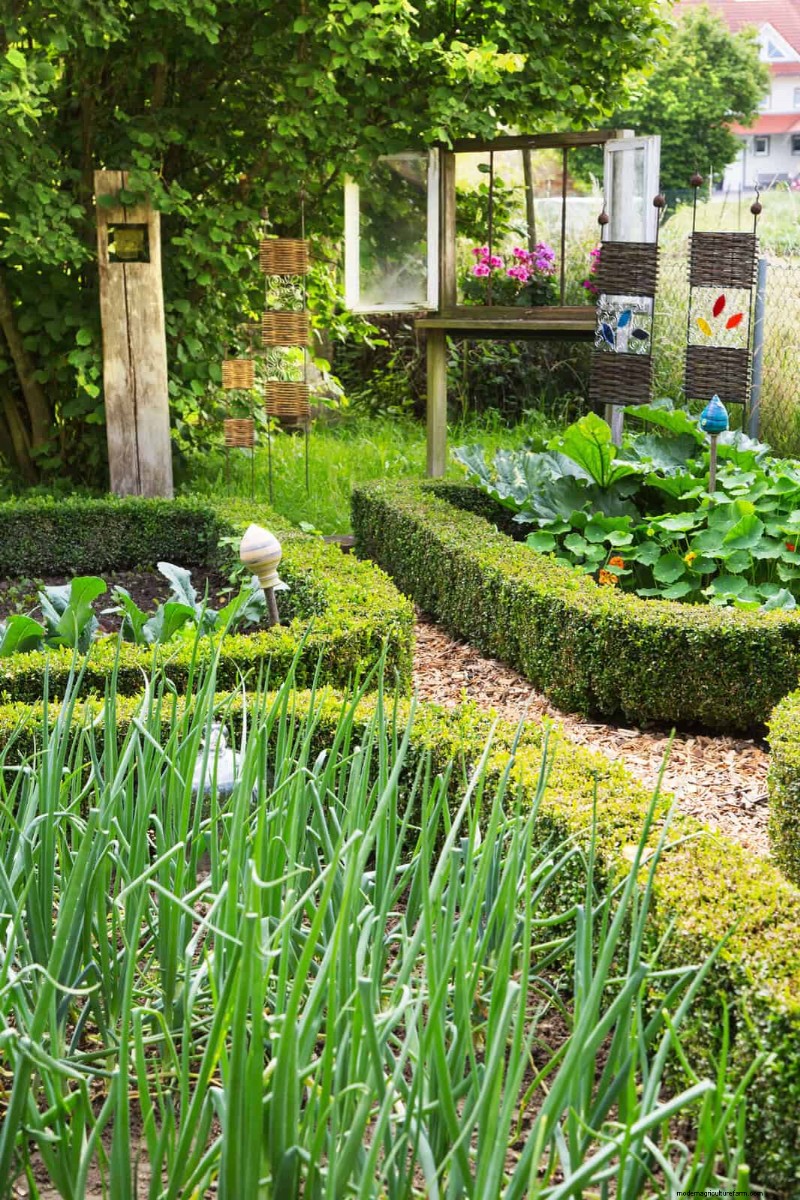
A clipped boxwood border is the most formal living edge. The dense, evergreen foliage holds its shape year‑round and frames whatever you grow inside the bed with quiet authority.
Dwarf English boxwood stays compact, growing slowly to about a foot and a half. Common boxwood grows faster and reaches higher if you want a taller frame.
Expect a yearly shearing in late winter to keep the lines crisp through the season.
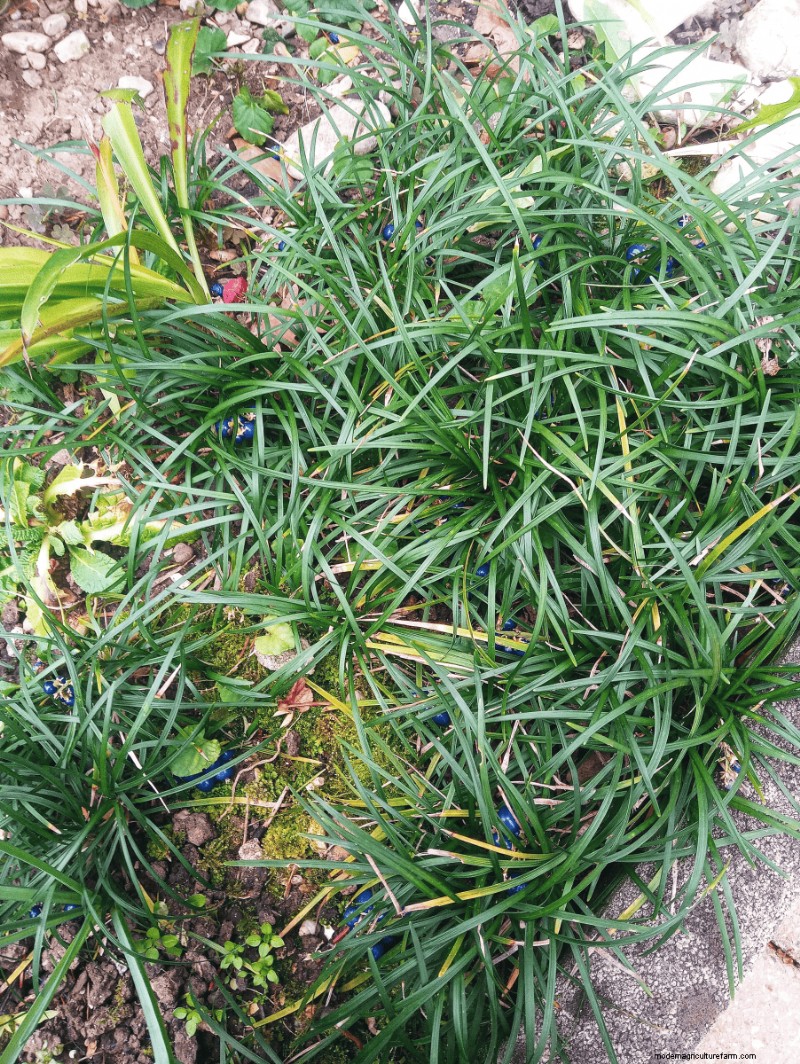
For a softer living edge, dwarf mondo grass creates a low ribbon of dark green that needs almost no care once established. The blades stay short enough to mow over without trimming, and the dense roots help prevent erosion along bed lines.
Plant small clumps 4–6 inches apart along the edge. Within a season, they grow together into a continuous border.
The look reads especially well around Japanese‑inspired gardens, shade beds, and modern landscapes with simple plantings. Pair it with smooth river stone for an even cleaner effect.
If you’re planting along a hot, exposed border, check out our guide to 15 Tough Plants That Survive Right Next to Your Driveway.
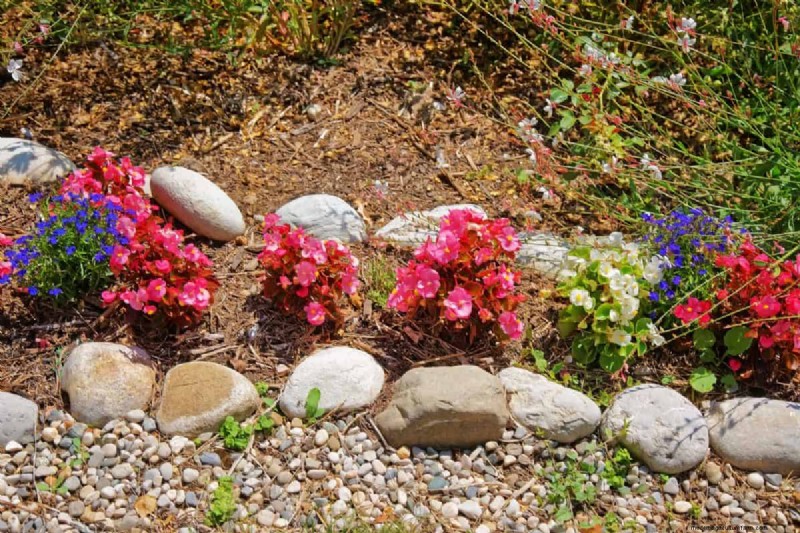
River rock gives gardens a relaxed, cottage feel and works particularly well in dry‑style or drought‑tolerant designs. The rounded shapes catch light differently than angular stone, adding texture without demanding attention.
Plan on a 6–8 inch deep trench filled with 2–3 inch rocks. A landscape fabric beneath the rocks keeps weeds from rooting up through the layer.
For a thicker border, line the trench with steel or plastic underneath to stop the rocks from migrating into the lawn.
Pro Tip: Whatever edging you choose, dig your trench at least an inch wider than the material itself. Backfill the gap with compacted soil or sand on the bed side so the edging stays put through freeze‑and‑thaw cycles. Skipping this step is the most common reason DIY edging looks crooked by the second year.
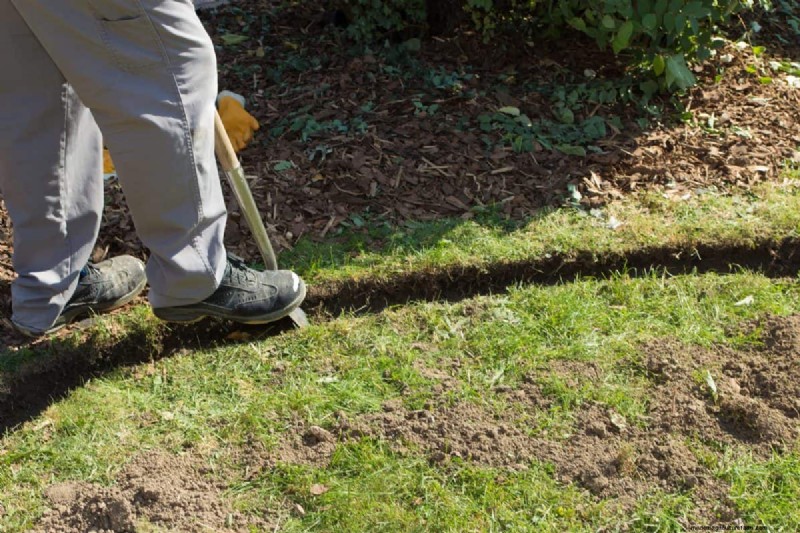
If you want the cleanest possible line with almost no visual presence, hidden galvanized steel edging is hard to beat. The thin metal disappears into the soil with only a quarter inch showing above grade, creating an invisible but very effective boundary.
This approach lets the plants and mulch be the visual story, rather than the edging itself. Galvanized profiles bend into smooth curves and resist frost heave better than plastic alternatives, making them a quiet workhorse in cold‑winter regions.
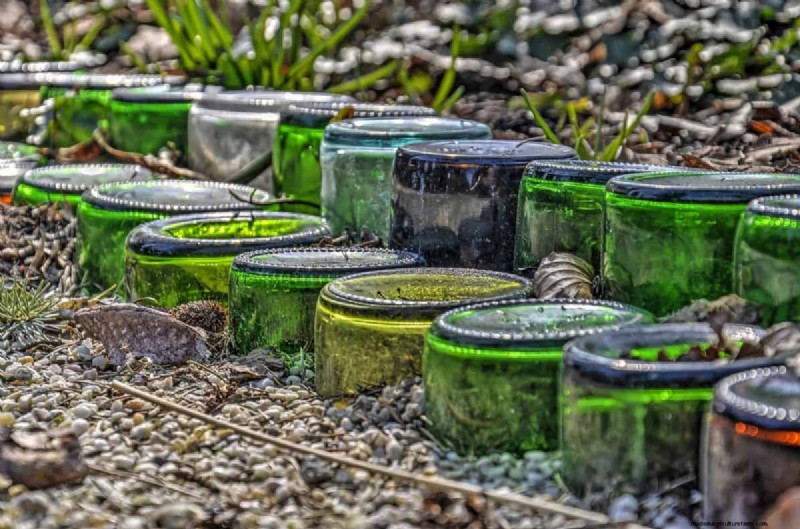
Buried glass bottle edging gives you a chance to turn a stack of saved bottles into a charming, low‑cost border. Push bottles neck‑down into a trench until only the bases show above grade, then arrange them in colors that catch sunlight.
Most bottles work fine, though uniform sizes give a cleaner look than mixed shapes. The finished edge has a quirky, handmade feel that suits kitchen gardens and any space where personality matters more than polish.
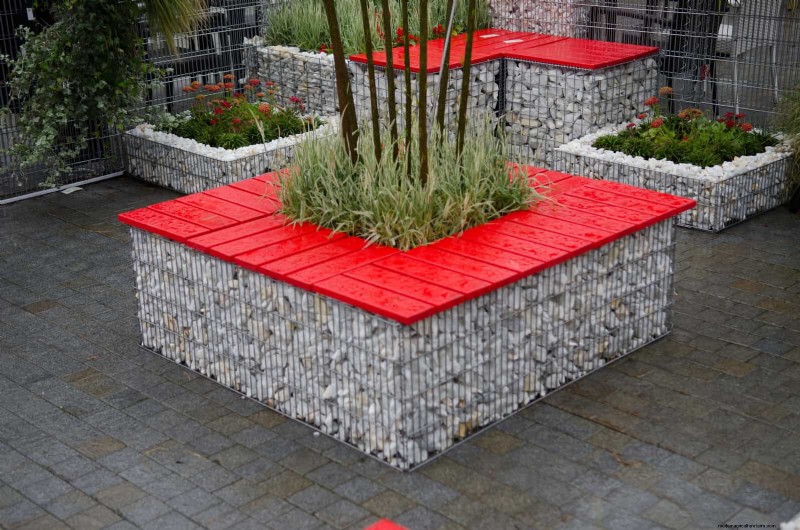
Gabion cages—wire baskets filled with rocks—have moved from civil engineering projects into modern home gardens for good reason. A low gabion border creates a strong architectural line and handles grade changes that other edging cannot.
The cages let you use found stone from your own property, keeping the materials free and the look authentic to the region. Pair them with ornamental grasses and modern perennials for a designed‑but‑natural feel.
They also double as low seating walls along patios, making them work twice as hard as the budget suggests.
See more: 14 Signs Your Front Yard Screams “I Just Bought My First House”
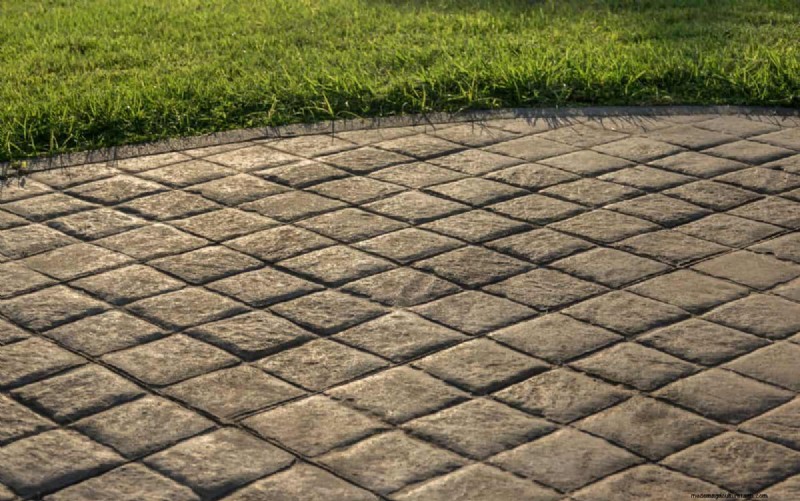
Concrete pavers come in scalloped, stamped, and patterned designs that can match almost any home style. Setting them flush with the lawn lets the mower wheel ride along the surface, so trimming the edge becomes a non‑issue.
Look for thicker pavers if you want them to stay put without mortar. Two‑inch pavers tend to settle and shift, while three‑to‑four‑inch options hold their position for years.
A bed of compacted sand underneath helps with drainage and stability.
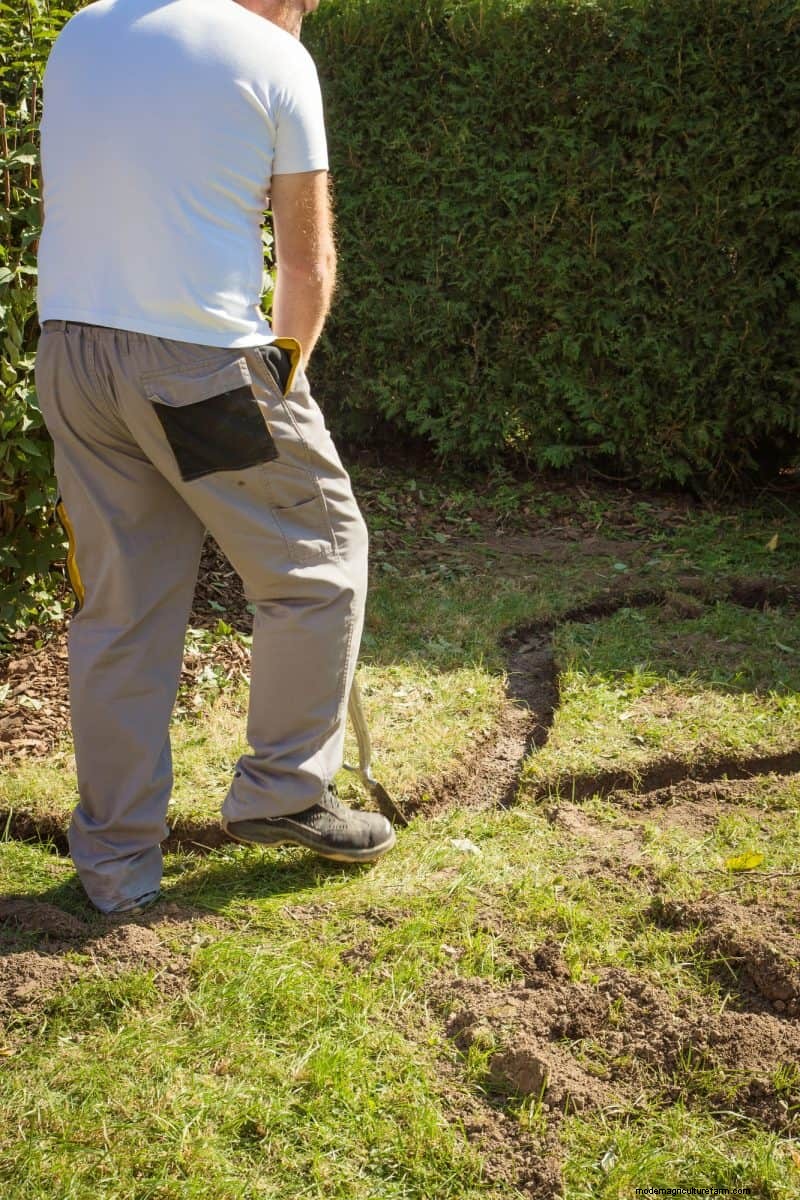
The simplest edging option uses no materials at all. A clean, V‑shaped trench cut between lawn and bed creates a crisp visual line that has defined English gardens for centuries.
Use a half‑moon edger to cut the trench in early spring, then touch it up two or three times during the growing season. The trench acts as a natural barrier to grass runners and reads as intentional even though it costs nothing. The savings can go into the plants instead.
A solid hand tool makes the work quick. The BARAYSTUS Half Moon Lawn Edger is popular with gardeners who maintain trench edges every season. (Amazon)
Keep your edges looking sharp all season
The right edging makes everything else in your garden look more deliberate, even if you have not changed a single plant. Walk around your yard and notice where the lawn and beds meet badly, then pick a material that fits your style and skill level.
You do not have to redo every bed at once. Start with the most visible border, get the look you want, then work your way through the yard as time and budget allow. A weekend of edging is often the highest‑impact change you can make in a garden.
Written by
Anne Moss
Anne Moss is the founder of GardenTabs and principal of Moss Digital Publishing, where she’s spent over a decade building practical, reader‑first content. Alongside guiding the site’s editorial direction, she contributes guides aimed at helping everyday gardeners get clear, usable answers.
Meet the GardenTabs team →

Editorial oversight
GardenTabs content is reviewed by Steve Snedeker, a seasoned gardener with decades of hands‑on landscaping experience.
![Can a Garden Shredder Shred Bamboo? | [Your Brand/Website Name]](https://modernagriculturefarm.com/article/uploadfiles/202211/2022111711185056_S.jpg)

