
Welcome to Modern Agriculture!

Across every street, a handful of yards subtly signal recent ownership. Fresh‑looking plants, newly laid mulch, and a faintly staged aesthetic hint at a new homeowner.
Fortunately, most of these cues stem from a handful of common, well‑intentioned decisions.
Recognizing the signs enables quick, low‑cost fixes. Below are 14 frequent red flags and practical weekend‑friendly solutions.
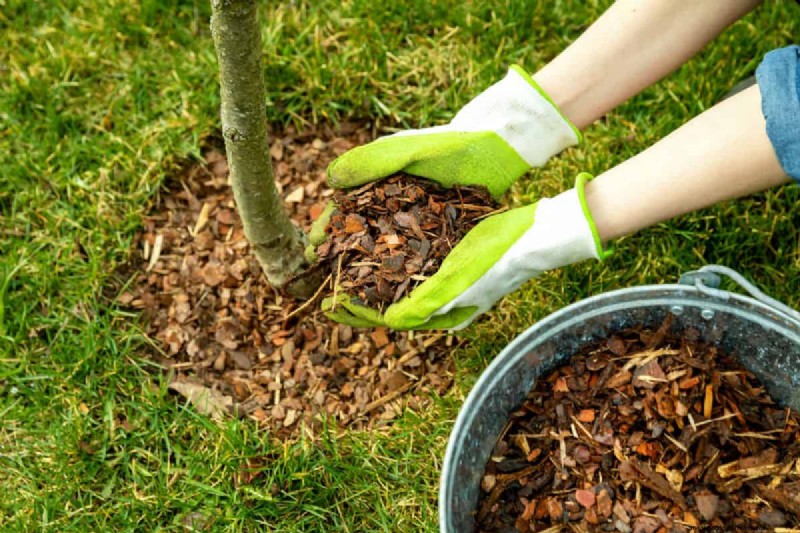
A sharp cone of mulch surrounding a tree is a mandala many DIY landscapers adopt. While neat at first glance, it traps moisture against bark, invites pests, and forces roots to grow upward, gradually weakening the trunk.
Rake mulch back to form a flat donut‑shaped ring, keeping a two‑to‑three‑inch layer and a clear gap around the trunk. This simple adjustment restores airflow and keeps the tree healthy over the next season.
Quick Fix: If you already have a mulch volcano, simply rake it into a flat ring with a visible trunk gap.
Save this article & also instantly unlock today's gardening deals!
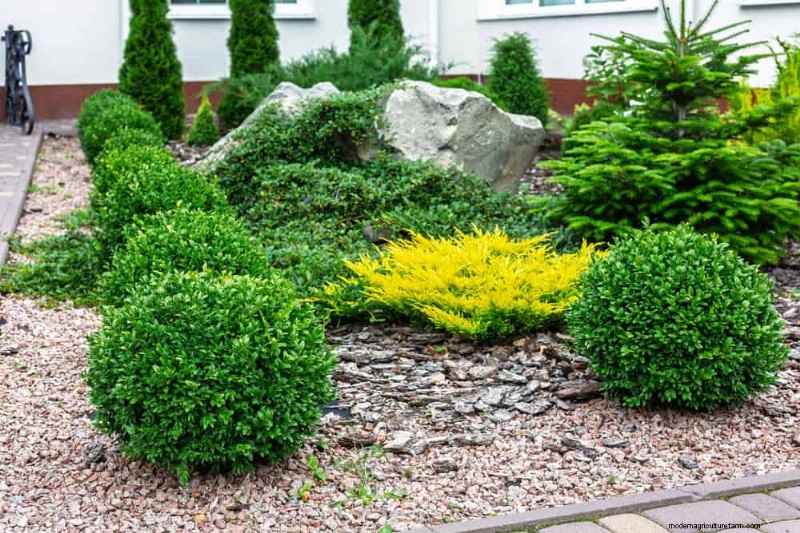
Three identical green globes lining the front window read like a suburban starter kit. Without variation in height, color, or texture, the foundation becomes a flat, uninteresting green stripe.
Mix a few shapes and heights, place a taller anchor at one corner, add flowering shrubs, and finish with soft grasses or perennials at the front to create depth and seasonal interest.
See more: 15 Plants That Thrive Right Up Against Your House Foundation
Planting a single young tree dead center gives the yard an unfinished feel. The tree becomes the focal point without context, making the lawn appear even larger and emptier.
Pair the tree with an underplanted ring of low shrubs, perennials, or groundcover. Even a simple bed of ornamental grasses and a few mulched layers at the base frames the tree as a deliberate feature.
Ragged strips of black landscape fabric showing through thin mulch age a yard quickly. While it may suppress weeds initially, the fabric clogs with soil, allowing weeds to sprout on top. Over a year or two, the yard ends up with fabric, mulch, and weeds—making watering and aeration difficult.
Skip the fabric. Apply a thicker mulch layer—about three inches is ideal—on bare soil. Refresh annually and hand‑pull any weeds that emerge; this is far less labor‑intensive than dealing with fabric long term.
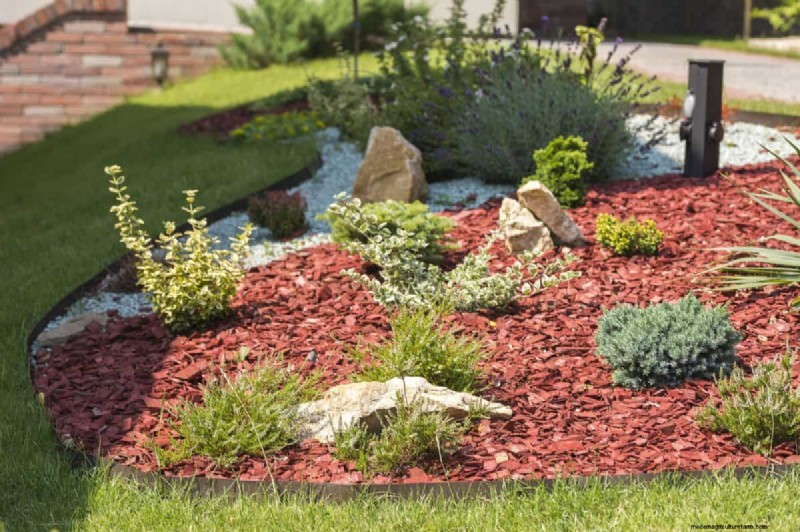
Neon‑orange or fire‑engine‑red mulch looks dramatic when fresh, but it rarely harmonizes with the home’s exterior and fades unevenly. The eye is drawn to the mulch instead of the porch or front door.
Select a natural dark brown, black, or undyed hardwood mulch. These tones recede into the background, allowing plants and architectural details to stand out.
Long mulched beds with only a few plants signal an ambitious project that ran out of budget. The empty stretches look unfinished and become a haven for weeds, increasing maintenance.
Fill beds with a mix of perennials, low groundcovers, and structural shrubs sized for maturity. If budget is tight, consider swapping in donated or shared perennials, or use fast‑spreading groundcover plugs to cover ground quickly.
That ripply black plastic strip separating mulch beds from grass is a common starter choice. After a winter or two, it pops up in jagged sections, gets nicked by the mower, and waves like a tired ribbon.
Cut a clean spade edge along the bed and recut it once a year for a crisp line. For a more permanent solution, steel or aluminum edging sits flush, lasts decades, and gives a clean, modern look.
A trip to the hardware store often ends with eight different solar lights along the front walk. Mixed shapes and colors compete with one another, and each fixture casts a different color of light at night, creating visual clutter.
Choose one style and finish, space them evenly along the path, and use a matching set of six modest fixtures. This unified look is intentional and costs about the same.
When grass meets the porch with zero buffer, the house looks like it landed in a field. The eye has nowhere to rest, and the porch feels unanchored.
Carve a shallow planting bed—two feet deep—that hugs the porch and steps. Fill it with low shrubs, ornamental grasses, or a mix of perennials to ground the entryway.
Want to see how small front‑yard details add up? Check out our guide on 12 signs your yard is becoming the neighborhood HOA nightmare.
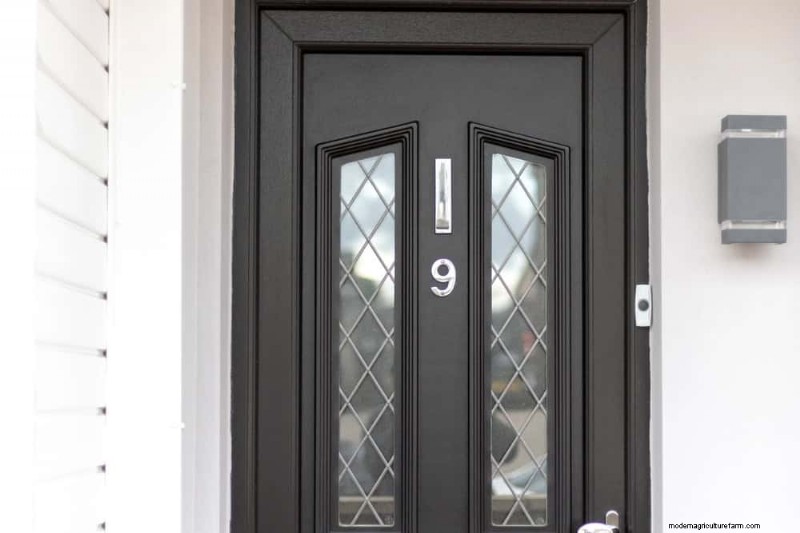
Tiny brass numbers next to the front door, faded into the trim color, signal that the entry hasn’t been rethought. Visitors squint, delivery drivers circle the block, and the front of the house feels harder to read.
Swap in oversized numbers—six inches or taller—in a finish that contrasts with the siding. Mount them where they catch porch light at night so the address is legible after dark.
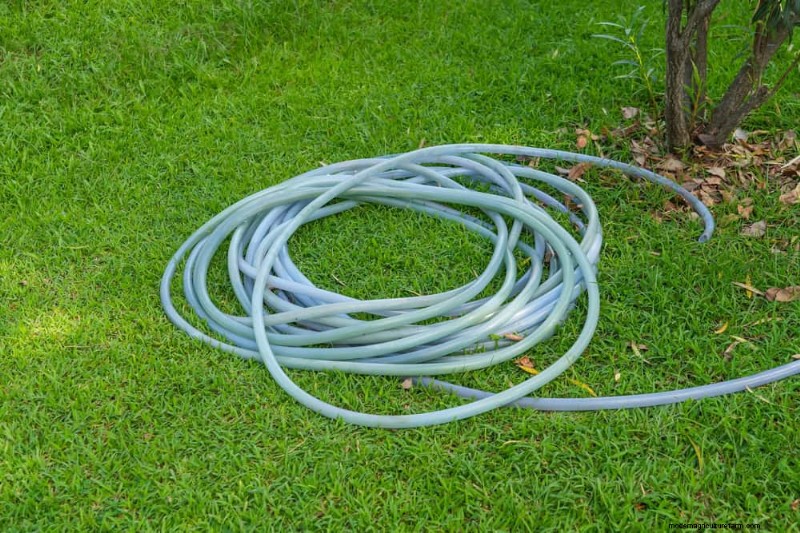
A bright green or yellow hose draped or pooled near the front spigot is a common background character. It pulls the eye straight to the foundation and can leave stains on siding or stone.
Install a wall‑mounted hose reel or decorative hose pot to tuck the hose out of sight when not in use. Both options cost less than a nice dinner out and instantly clean up the front of the house.

Two white plastic chairs and a milk‑crate “table” are the universal placeholder of the just‑moved‑in era. They are practical, cheap, and rarely used.
Replace them with a single bench, a pair of resin wicker chairs, or a nicely styled rocker. Add a few outdoor cushions, a small side table, and a planter to make the porch feel inviting.
Want a fun look at how front‑yard style has evolved? Take a look at 18 plants and yard features that defined every 1980s front yard.

A gnome by the mailbox, a metal sun beside the door, a wagon wheel near the driveway, and a small fairy under the rose bush define a yard that has been gifted, not designed.
Each piece may be charming individually, but together they pull the eye in multiple directions.
Ornaments work best in small groupings of one or two, repeating a color or finish. Otherwise the yard feels like a tag sale that never closed.
Choose one or two statement pieces and place them intentionally, ideally near a planting or beside a focal point. Move the rest into the back garden where they can be discovered up close rather than judged from the street.
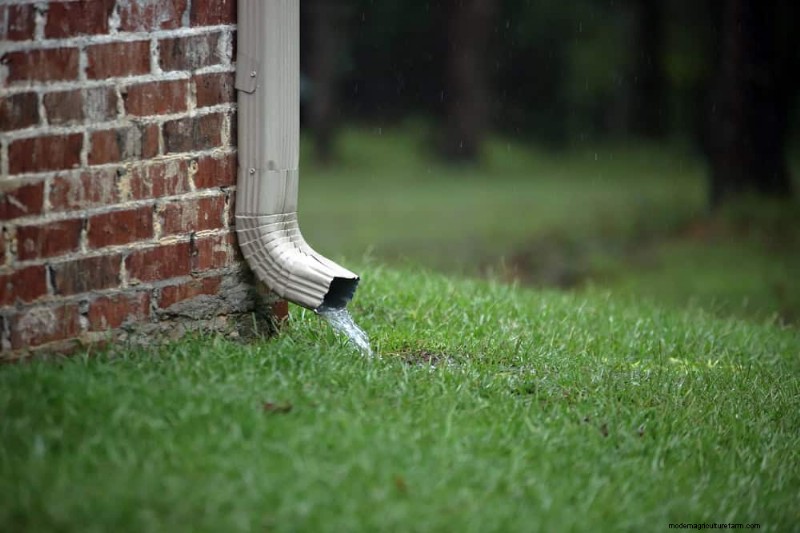
A downspout dumping water directly onto the grass is a classic miss. Over time the lawn erodes, mulch washes into the walkway, and a muddy patch forms at the corner of the house, potentially damaging the foundation.
Add a concrete or decorative splash block at the base of each downspout so water spreads across the lawn. For yards that slope toward the house, a flexible downspout extension carrying water five to ten feet out into the yard works even better.
| The Telltale Sign | The Easy Fix |
|---|---|
| Mulch piled against tree trunks | Flat donut ring with a gap around the bark |
| Identical row of foundation shrubs | Mix heights, shapes, and seasonal color |
| Plastic landscape fabric under mulch | Thicker mulch on bare soil instead |
| Wavy black plastic bed edging | Clean spade edge or steel edging |
| Mismatched solar path lights | One style, one finish, even spacing |
| Tiny house numbers | Oversized contrasting numbers |
| Downspout dumping on lawn | Splash block or flexible extension |
A front yard that screams “first house” usually boils down to the same root issue: a series of small, well‑intentioned decisions made without a cohesive plan. None of these signs reflect bad taste; they reflect the most common garden‑center display and weekend project nudges.
Fixing them is mostly about subtraction, not spending. Less edging, fewer mulch volcanoes, fewer mismatched items, and a little more intention around the entry and foundation can transform the entire feel of a house in a single Saturday.
Weekend Quick Wins
Written by
Anne Moss
Anne Moss is the founder of GardenTabs and principal of Moss Digital Publishing, where she's spent over a decade building practical, reader‑first content. Alongside guiding the site's editorial direction, she contributes guides aimed at helping everyday gardeners get clear, usable answers.
Meet the GardenTabs team →

Editorial oversight
GardenTabs content is reviewed by Steve Snedeker, a seasoned gardener with decades of hands‑on landscaping experience.