Welcome to Modern Agriculture!

Yard upkeep is a gradual journey; a single missed weekend can leave a lawn looking ragged, beds wilting, and even the mailbox slightly askew. Neighbors notice these subtle shifts long before any HOA notice arrives.
The reassuring part is that every warning sign usually has a quick, inexpensive fix. With a focused weekend or two, you can bring your yard back to the “well‑kept” column and keep your HOA happy. Below are twelve signals worth watching for, each paired with practical, cost‑effective solutions.
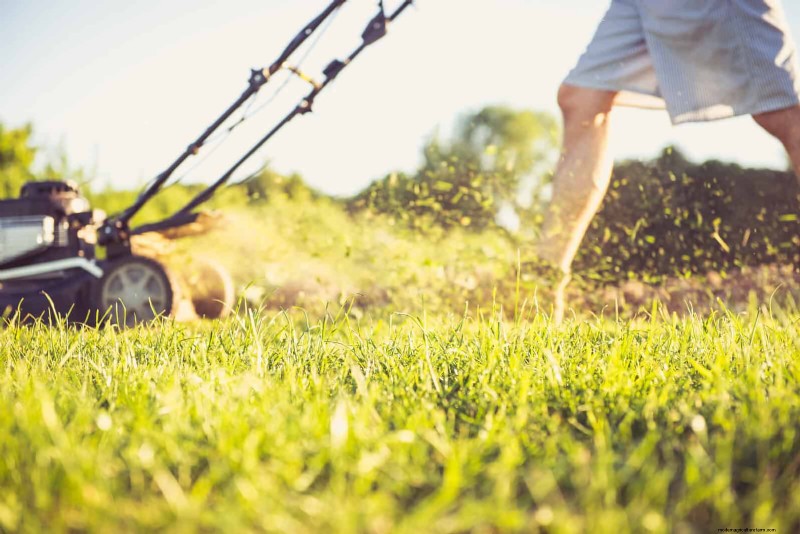
HOA standards often set an acceptable grass height—typically between two and four inches. When turf rises above that range, the lawn looks ragged and seed‑heads can give the entire yard a neglected appearance.
Maintaining a regular cutting schedule is the fastest way to fix this. During the growing season, aim to mow every five to seven days, removing no more than one‑third of the blade at each pass. Sharp blades make a noticeable difference, as dull blades tear the grass and leave brown tips.
Save this article & also instantly unlock today's gardening deals!
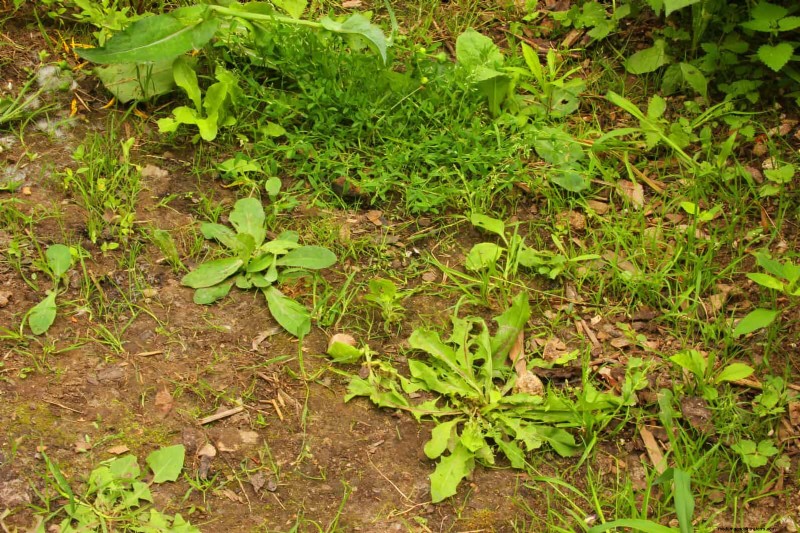
Healthy flower beds give a yard a curated look. When dandelions, crabgrass, and clover outnumber your chosen plants, the beds read as forgotten.
Landscape professionals remove weeds from mulch beds at least once every two weeks, often more during peak season. Catching weeds while they are still small keeps roots shallow and the job quick. A long‑handled stand‑up weeder turns this chore into a few easy minutes.
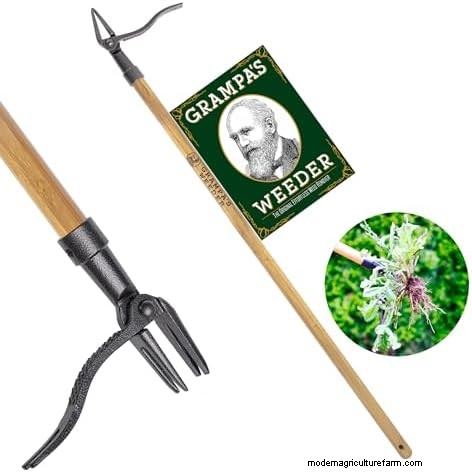
The Grampa’s Weeder Stand‑Up Weed Puller, with its four‑claw steel head, propels roots out while you stay upright. (Amazon)
A 2‑ to 3‑inch layer of fresh mulch on top of cleaned beds smothers most new growth. Early‑spring pre‑emergent applications add another layer of protection, especially in beds that have been weedy for years.
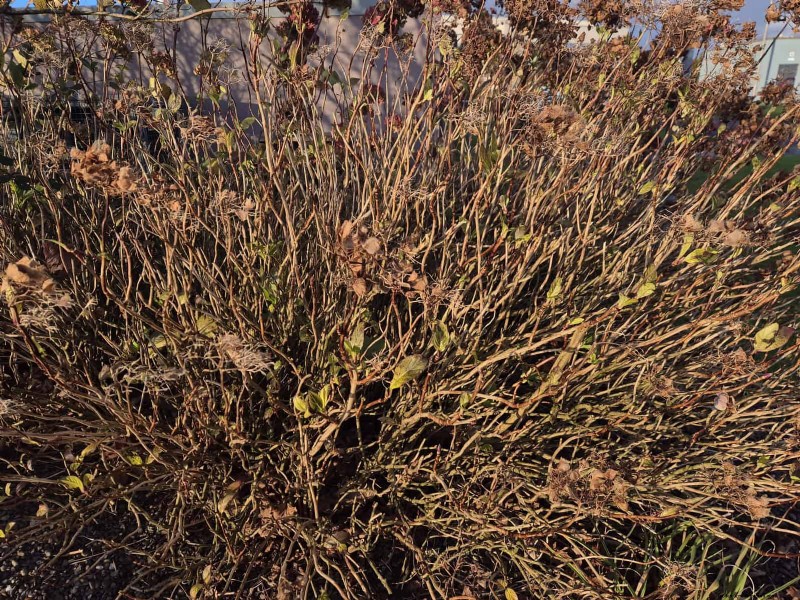
A row of crispy shrubs or a yellowed perennial draws the eye in all the wrong ways. The longer dead material stays, the more it shapes how the whole yard is perceived.
Stressed and dying plants also attract pests, which can spread to neighboring healthy plants.
Pull any plant that hasn’t leafed out by mid‑season and shows no sign of return. Replace it with a species rated for your USDA Hardiness Zone, your sun exposure, and your watering habits. Native plants often require less water and care than non‑native ornamentals.
The mandate isn’t a perfect garden but to keep dead material from defining your yard’s appearance.
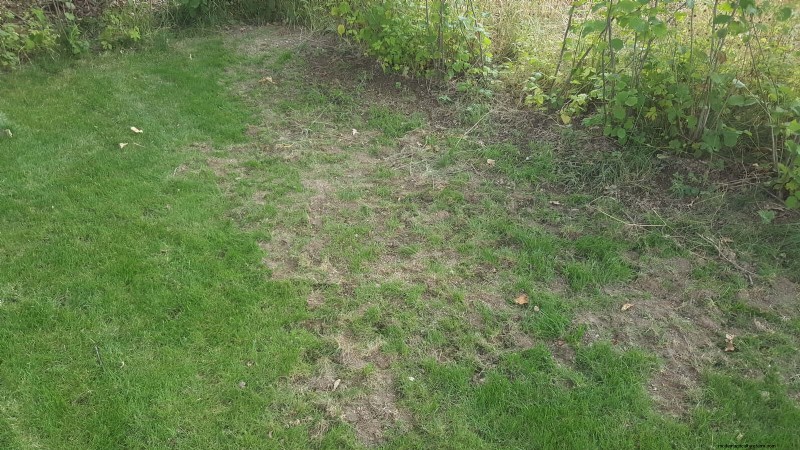
Bare patches can result from foot traffic, pet damage, fungal issues, or simple summer stress, all of which wear turf down to soil. Exposed dirt makes a yard look unfinished, and patches tend to grow if ignored.
Early‑fall is the optimal time for cool‑season lawns, while late‑spring works best for warm‑season grasses. Loosen the soil, scatter seed appropriate for your region, and keep the area lightly moist for two to three weeks. Sod offers a faster, instant solution.
See more: How Common Fertilizer Habits Quietly Damage Your Soil
For heavily trafficked areas, a stepping‑stone path or a mulched walkway can permanently solve the problem.
Many HOAs enforce rules about how soon bins must return after pickup. Even without an official rule, bins on the curb seven days a week draw every visitor’s eye.
Adopt the habit of moving bins back the same evening as pickup. Store them along the house’s side, behind a fence panel, or inside a simple bin enclosure you can build in an afternoon.
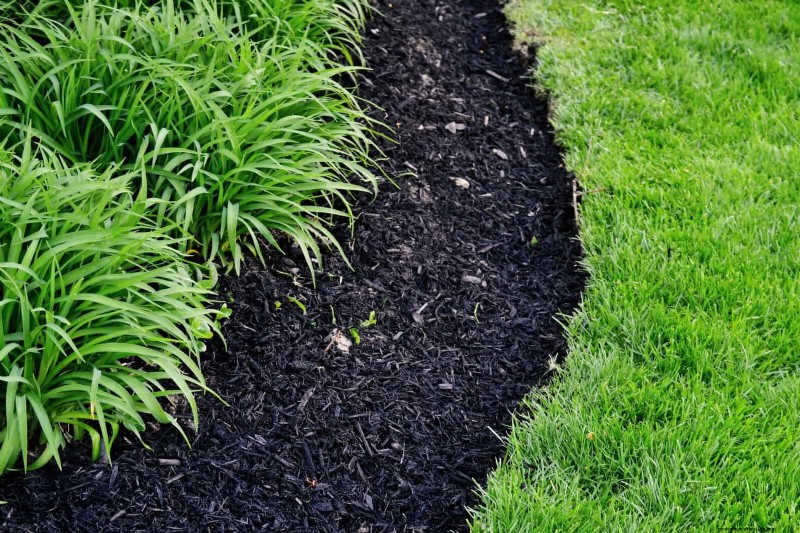
Fresh mulch is one of the highest‑impact, lowest‑cost upgrades a yard can receive.
Once mulch fades to gray or thins below an inch or two, beds look tired—even if the plants thrive. Plan to refresh mulch once a year, usually in early spring after the first cleanup. Most beds need only a topping layer rather than full replacement, keeping costs low.
Keep mulch a few inches away from tree trunks and plant stems to avoid rot. Volcano‑shaped mulch piles around trees may appear tidy but can damage bark.
If you notice mid‑summer garden slowdowns, refer to our guide on why gardens fall apart by mid‑July.
Dark brown or natural hardwood mulch reads as upscale on most properties. Bright red dyed mulch can feel dated in some neighborhoods, so check what most homes on your street use before committing to a color.
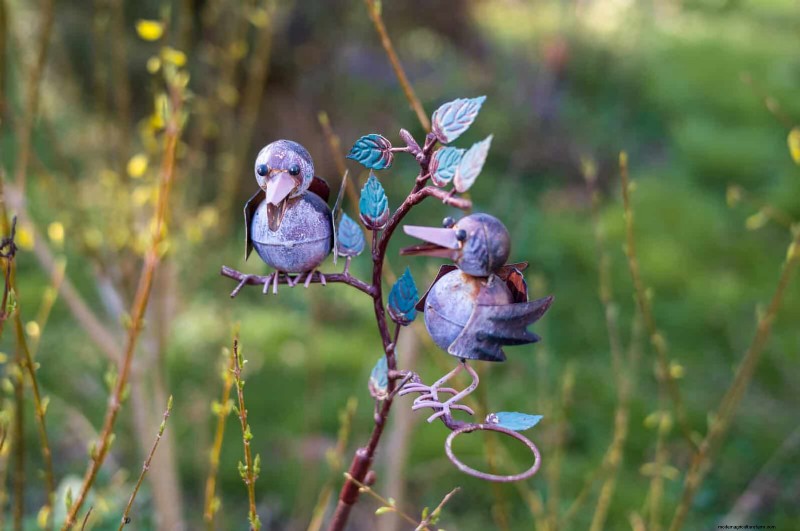
A single garden gnome is charming, but forty of them plus several wind spinners and shepherd’s hooks can overwhelm the street view.
The solution is editing, not elimination. Pick three or four pieces you love most, group them near the entry or in one bed, and store or rotate the rest. Many HOAs limit visible ornaments, so a quick review of your guidelines may answer the question for you.
Grouping decor in one area looks more intentional than scattering pieces across the yard. The same items often appear better when they have room to breathe.
A hose snaking across the lawn or a wheelbarrow parked by the front bed signals neglect. Not only does it clutter the view, but it also obliges mowing around the objects each week.
A wall‑mounted hose reel solves the hose problem for under a hundred dollars in most cases. A small storage shed, deck box, or tarp‑covered corner can hide tools and bags of soil between uses.
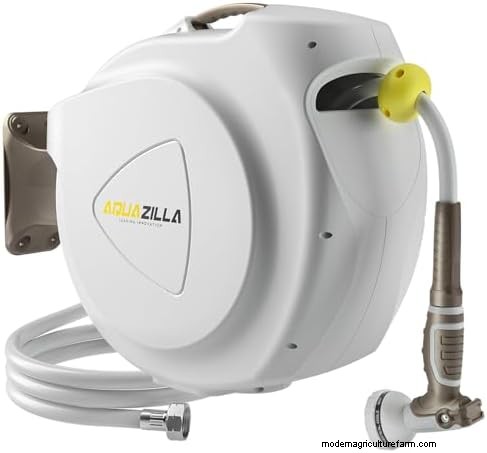
A retractable wall‑mounted hose reel rewinds automatically and locks at any length, keeping the lawn clear and the hose protected from sun damage. (Amazon)
Cars on the lawn are a frequent HOA citation. Tires crush turf and root systems, and the visual disorder deters passersby.
Boats, trailers, and recreational vehicles left in front yards trigger similar concerns in many communities. Side yards, back yards, and approved off‑site storage lots are usually the options.
Park daily‑driver vehicles in the driveway or garage whenever possible. A gravel parking pad off to the side of the driveway can sometimes satisfy HOA approval and relieve pressure on households with multiple cars.
Review your HOA’s covenants to know exactly what is mandatory and what is optional.
Foundation plantings look great until they invade walkways, block windows, or swallow mailbox posts. When visitors must push branches aside, the entry feels less welcoming.
Prune most evergreen shrubs in late winter or very early spring before new growth begins. Keep at least a foot of clearance around walkways, mailboxes, and house numbers. Pull back any branches resting on siding, as they trap moisture and can damage paint.
If a shrub has outgrown its spot beyond reasonable pruning, replacing it with a smaller dwarf variety is often the easier long‑term solution.
A wreath in March or string lights still hanging in July tells neighbors you’re not keeping up. Many HOAs enforce specific windows for holiday displays.
Set a takedown date the same day you install decorations. Most communities allow a week after each holiday, though some permit a full month for winter lighting.
A leaning mailbox post or a sagging fence panel becomes invisible over time, but neighbors spot it immediately. Wooden posts tend to lean as ground freezes and thaws.
A simple post leveling job takes an hour or two with a bag of fast‑set concrete and a level. For fences, replacing one or two warped boards keeps the entire stretch looking sound. Repaint or restain wood elements every few years to slow weathering.
If you have plantings around the mailbox, review our guide on mailbox garden rules and how to keep plantings clear of your mail carrier.
Small structural fixes around the yard’s edges often make a larger difference than you expect. A straight mailbox and clean fence line give even a basic landscape a cared‑for look.
Weekly and Seasonal Habits
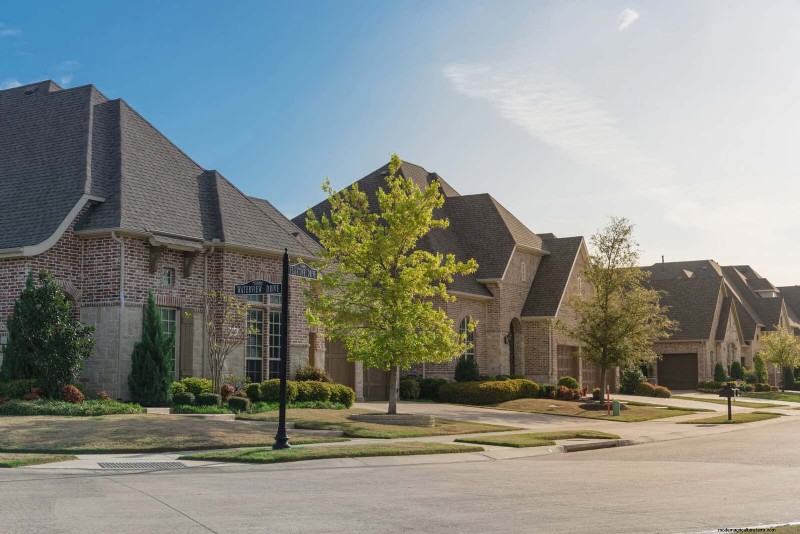
Did You Know? Studies of suburban neighborhoods consistently find that well‑maintained landscaping can support home resale values across an entire street, not just the property in question. A few well‑kept yards lift the curb appeal of the homes next door.
Keeping a yard out of HOA letter territory is mostly a matter of small habits done on a regular cadence. None of the twelve fixes above are difficult, and most can be tackled across a few weekends. The reward is a yard that quietly blends in with the best on the street.
A neighborhood that takes care of its yards tends to hold its property values better, too. That makes every Saturday morning of mowing and weeding pay off twice.
Written by
Anne Moss
Anne Moss is the founder of GardenTabs and principal of Moss Digital Publishing, where she's spent over a decade building practical, reader‑first content. Alongside guiding the site's editorial direction, she contributes guides aimed at helping everyday gardeners get clear, usable answers.
Meet the GardenTabs team →

Editorial oversight
GardenTabs content is reviewed by Steve Snedeker, a seasoned gardener with decades of hands‑on landscaping experience.