Welcome to Modern Agriculture!

In recent years, aquaponics has surged in popularity as a sustainable, cost‑effective way to grow fresh food on‑site. By combining aquaculture with hydroponics, growers can produce both fish and vegetables while dramatically cutting water usage and eliminating the need for soil.
However, the sheer variety of systems on the market—backyard kits, vertical towers, raft setups, hybrid designs, indoor and outdoor models—can overwhelm even the most enthusiastic beginner. Choosing a system that matches your space, budget, and experience level is essential for long‑term success.
At Go Green Aquaponics, we focus on delivering professionally engineered solutions that balance productivity, reliability, and ease of maintenance. A well‑designed system creates a healthier environment for fish and plants alike and keeps growers enjoying the process rather than troubleshooting.
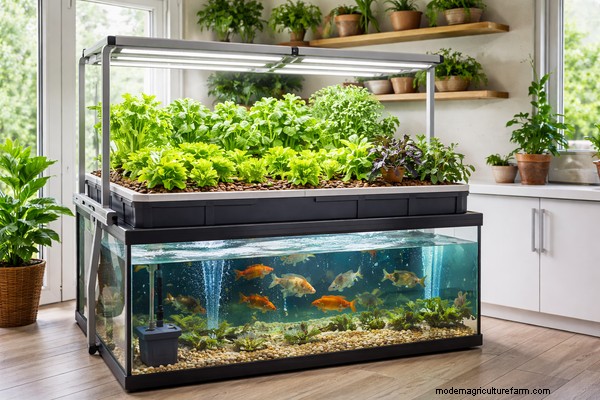
Aquaponics integrates aquaculture (raising fish) with hydroponics (soil‑free plant growth) into a single closed loop. Fish waste provides the nutrients plants need, while plants filter the water and return it to the fish tank.
The cycle works as follows:
This symbiosis yields a highly efficient system that uses up to 90% less water than conventional gardening while delivering both protein and produce.
The heart of the system. A larger tank (e.g., 200 L or more) offers greater water stability, reducing stress for both fish and plants.
Plants grow in media beds, floating rafts, vertical towers, or channels, depending on the design. The bed layout should support the chosen crop mix.
Reliable circulation maintains oxygen levels, nutrient delivery, and fish health. A well‑rated pump is non‑negotiable.
Where bacteria convert fish waste into plant‑available nutrients. Inadequate filtration leads to ammonia spikes and fish mortality.
Efficient piping, valves, and air pumps prevent flow issues, overflow, and oxygen shortages. Professional design typically outperforms DIY layouts.
Design determines growth rates, water stability, maintenance demands, energy use, and long‑term productivity. A misbalanced system may suffer from algae blooms, clogged plumbing, or inconsistent nutrient delivery.
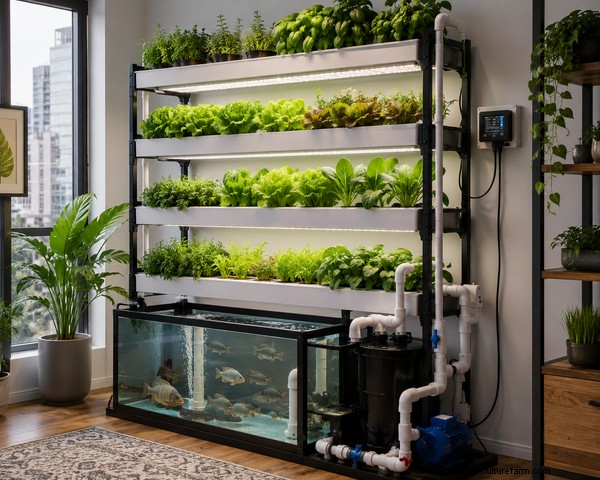
Each design offers unique advantages and trade‑offs. Understanding them helps you avoid costly mismatches.
Ideal for beginners and backyard growers. Plants grow in media-filled beds that also provide mechanical and biological filtration.
Commercially favored for high‑density leafy‑green production. Roots hang directly in oxygenated nutrient water.
Thin water films flow over root zones in narrow channels, ideal for herbs and small greens.
Use towers or stacked beds to maximize yield per square foot.
Combine media beds, rafts, and NFT channels for crop diversity and flexibility.
Match the design to:
Ensure the footprint allows for maintenance, harvesting, and future expansion. Indoor systems need grow lights and temperature control; outdoor systems must manage sunlight, rain, and wind.
Define whether you aim for personal food supply, educational projects, or commercial sales. Crop choice drives fish species, bed type, and filtration needs.
Media beds are forgiving and low‑maintenance; advanced systems (NFT, large raft) demand tighter monitoring of water chemistry and flow.
Cheaper kits may save upfront money but often require costly upgrades or replacements. Investing in a professionally designed system reduces long‑term repair and downtime.
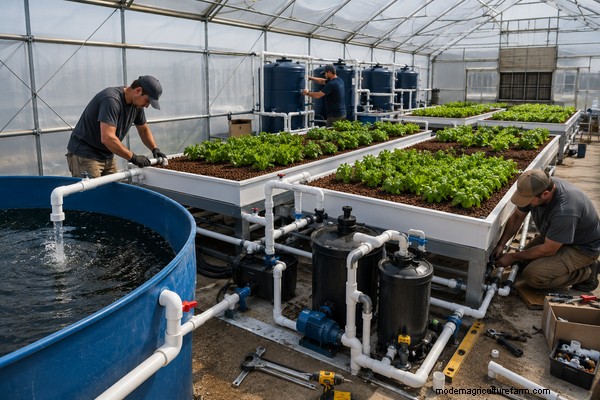
DIY kits offer hands‑on learning and lower initial cost but can suffer from poor design and component quality. Custom systems are engineered for balance, durability, and scalability.
Look beyond marketing hype. Ask suppliers about:
Choosing a system that aligns with your goals, space, and expertise will save time, money, and frustration.
Whether you’re building a backyard garden, teaching sustainability to students, or launching a small commercial operation, the right aquaponics design can transform your food production.
Explore our range of custom‑designed aquaponics systems at Go Green Aquaponics and build a reliable, productive, and enjoyable ecosystem that grows with you.