
Welcome to Modern Agriculture!

Hydroponic farming is an excellent idea for a small business venture. Hydroponic farming plays a crucial role in urban areas for several reasons:
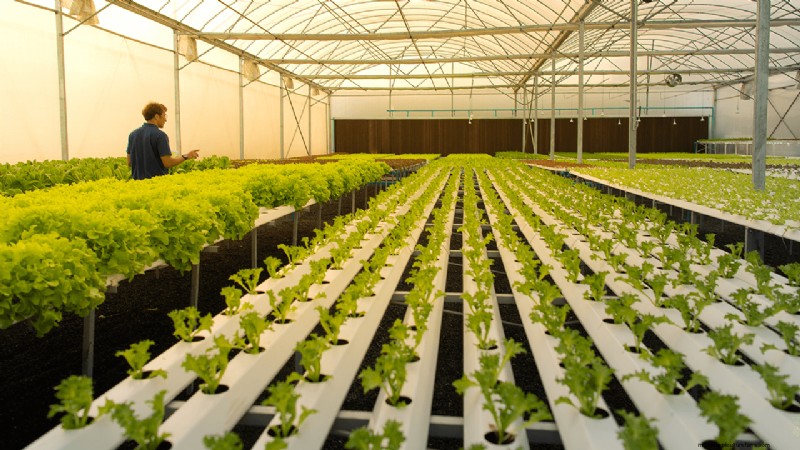
Hydroponic farming is a method of growing plants without soil. Instead, it relies on a nutrient-rich water solution to deliver essential nutrients directly to the plant’s roots.
The science behind hydroponics involves ensuring that plants receive the right balance of nutrients, oxygen, and light for optimal growth, typically through various systems like deep water culture, nutrient film technique, or aeroponics.
Let’s get more specific about the science:
Nutrient Solution: In hydroponic farming, plants receive their nutrients from a carefully balanced nutrient solution. This solution typically includes macro and micronutrients essential for plant growth, such as nitrogen (N), phosphorus (P), potassium (K), calcium (Ca), magnesium (Mg), iron (Fe), and others. The composition of the nutrient solution is adjusted based on the specific requirements of the plants being grown.
Water and Oxygen: Hydroponic systems provide a constant supply of water and oxygen to the plant roots. Oxygen is crucial for root respiration and nutrient absorption. Different hydroponic systems use various methods to ensure adequate oxygen levels, such as aerating the nutrient solution.
pH Control: The pH level of the nutrient solution is closely monitored and adjusted as needed. Maintaining the appropriate pH range (typically between 5.5 and 6.5) is essential because it affects nutrient availability to the plants. pH control ensures that nutrients remain soluble and can be absorbed by the roots.
Root Environment: Hydroponic systems aim to create an optimal root environment for plant growth. This includes maintaining proper temperature, humidity, and oxygen levels. Root health and development are critical for the overall health of the plant.
Lighting: In indoor hydroponic systems, artificial lighting is used to provide plants with the necessary light energy for photosynthesis. LED grow lights with specific light spectra are employed to mimic natural sunlight and optimize plant growth.
Temperature and Humidity: Maintaining appropriate temperature and humidity levels within the growing environment is essential. Different plants have specific temperature preferences, and humidity control helps prevent mold and fungal issues.
Disease and Pest Management: Hydroponic systems often reduce the risk of soil-borne diseases and pests. However, disease and pest management remain important aspects of hydroponic farming, especially in larger operations.
Monitoring and Data Analysis: Many hydroponic farms employ monitoring systems and sensors to collect data on various environmental parameters, such as temperature, humidity, pH, and nutrient levels. Data analysis allows for real-time adjustments and fine-tuning of the growing conditions to maximize plant growth and yield.
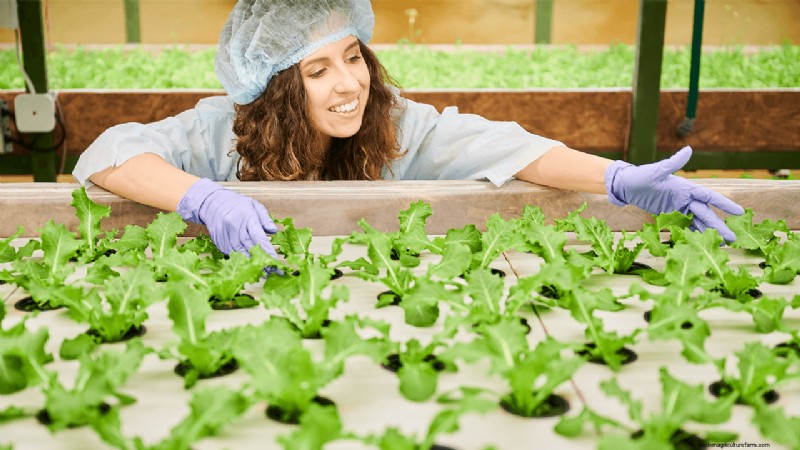
A well-researched and comprehensive business plan is crucial for the success of your hydroponic farming venture. It will guide your operations, help secure funding if needed, and ensure you’re prepared for various challenges and opportunities in the urban farming industry.
Here are some key components of your business plan for a hydroponics venture:
Market Analysis: This involves researching the demand for hydroponically grown products in your target area, understanding market trends, and identifying potential competitors.
Target Audience: Determine who your ideal customers are, such as local restaurants, grocery stores, or direct-to-consumer sales. Tailor your production and marketing strategies to meet their needs.
Startup Costs: Calculate the expenses required to set up your hydroponic farm, including equipment, infrastructure, seeds or seedlings, and labor.
Operational Costs: Estimate ongoing expenses such as utilities, nutrients, maintenance, and labor.
Revenue Projections: Forecast your income based on expected crop yields and pricing. Consider seasonality and market fluctuations.
Profitability Analysis: Create financial projections to determine when you’ll break even and start making a profit.
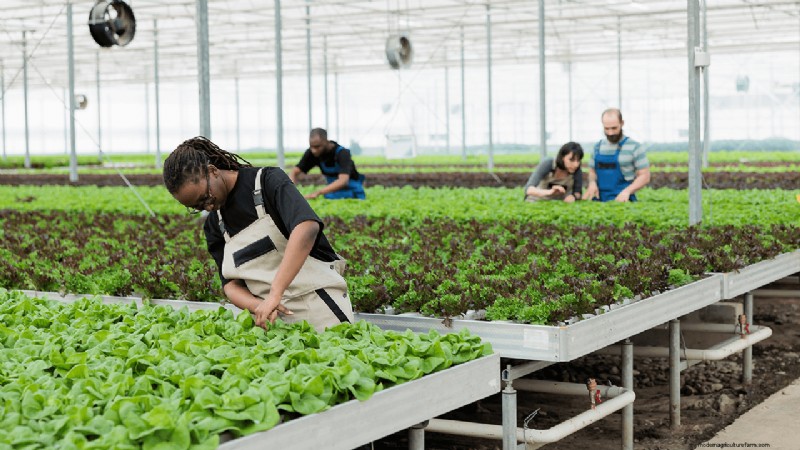
Hydroponic systems are designed to grow plants without the use of soil. These systems deliver vital nutrients, water, and oxygen directly to the roots of the plants.
A wide variety of plants can be grown in hydroponics systems. The choice of plants depends on the specific hydroponic system, environmental conditions, and market demand.
There are three basic types of hydroponic farming systems:
Deep Water Culture (DWC): In a Deep Water Culture system, plants are suspended in a nutrient solution that is continuously aerated. This ensures oxygen is delivered to the roots. It’s excellent for fast-growing leafy greens like lettuce and herbs.
Nutrient Film Technique (NFT): NFT systems involve a thin film of nutrient solution that flows continuously over the roots. This method is ideal for crops with a shallow root system, such as lettuce, herbs, and strawberries.
Ebb and Flow System (Flood and Drain): The Ebb and Flow hydroponic system periodically floods the plant containers with the nutrient solution and then drains it away. This provides the roots with both nutrients and oxygen. It’s versatile and suitable for a wide range of plants, including tomatoes, peppers, and cucumbers.
Each system has its advantages and is chosen based on the type of crops you want to grow, available space, and your specific goals in hydroponic farming.
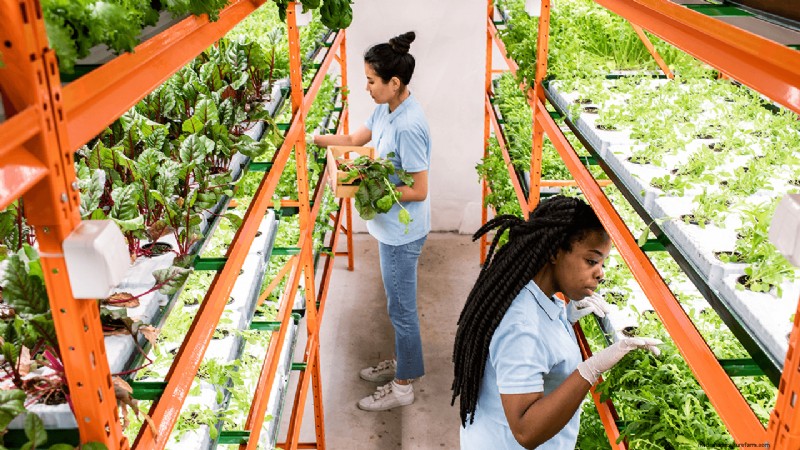
In compact urban environments, a vertical hydroponic farming system can optimize the use of space, particularly by utilizing vertical areas. Here are some tips:
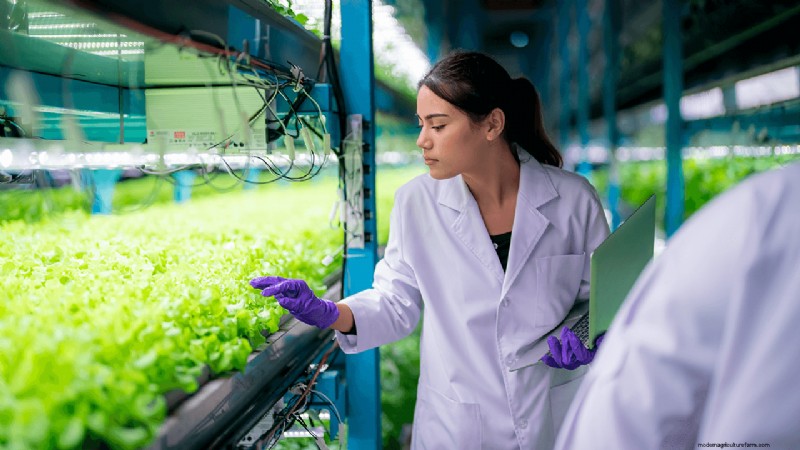
Indoor hydroponic production systems can produce crops year-round, unaffected by external weather conditions. For instance, microgreens seeds are perfect for these systems due to their quick growth cycle. There are additional advantages to indoor hydroponic farming systems:
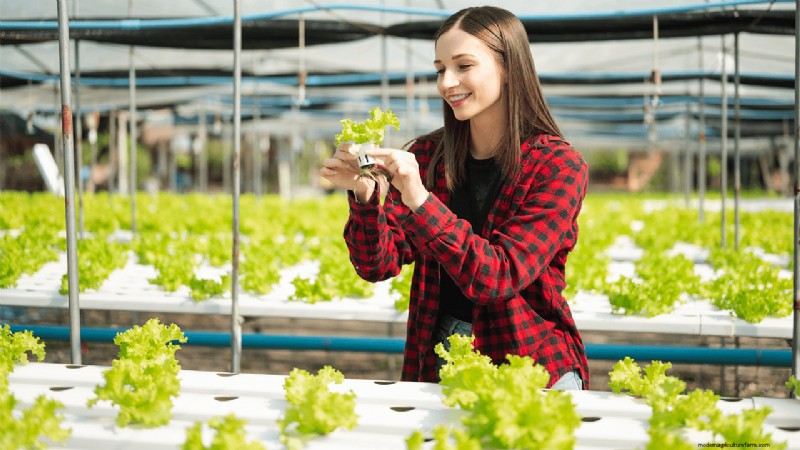
With large-scale systems, lighting, and environmental controls are very important:
Lighting: LED grow lights are commonly used for indoor hydroponic farming. The spectrum, intensity, and duration of light are carefully managed to mimic natural sunlight.
Temperature Control: Maintaining optimal temperature ranges for different crops is essential for growth. Heating and cooling systems are used as needed.
Humidity Control: Controlling humidity helps prevent mold and fungal issues. Dehumidifiers and humidifiers are used as necessary.
CO2 Enrichment: Some indoor farms supplement with carbon dioxide to enhance plant growth.
Nutrient Solution Management: Automated systems manage nutrient delivery, pH levels, and nutrient concentration in reservoirs.
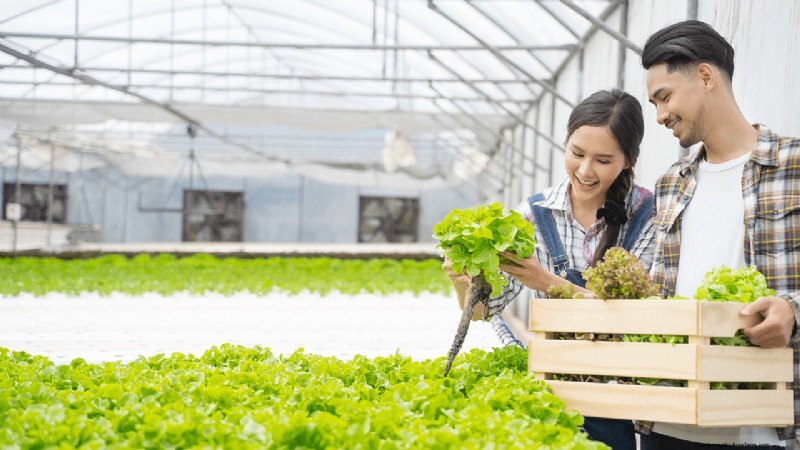
Benefits:
Drawbacks:
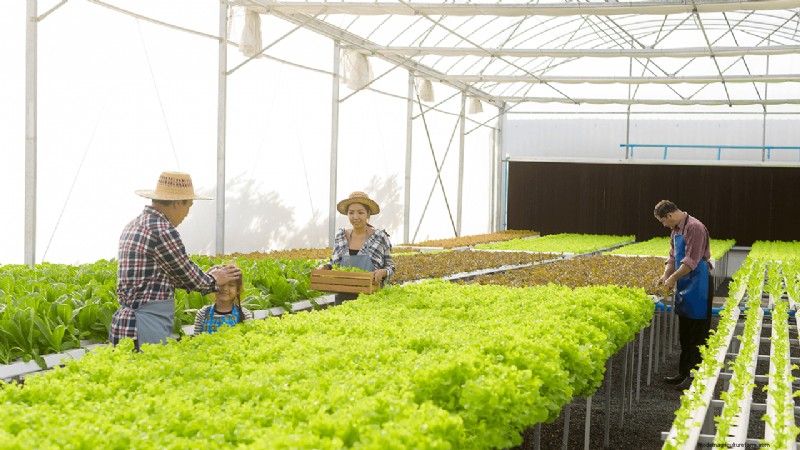
Resource Usage:
Yield:

If you’re a hobbyist interested in hydroponics farming, starting with microgreens seeds could be a great option, as they are perfect for small-scale operations.
In small-scale urban settings, vertical hydroponic systems can maximize space efficiency.
Another tip is to choose Compact Crops: Opt for compact, fast-growing crops like herbs, leafy greens, and dwarf varieties of vegetables.
Consider automated systems to manage nutrient delivery and environmental controls, especially if you have limited time for maintenance.
Hydroponic farming offers many advantages, especially in resource-efficient urban settings, but it requires an initial investment and technical expertise. Utilizing a farm app can aid in managing your hydroponic system efficiently.
To understand the economic feasibility, one can look at most profitable crops for ideas on what might work well in a hydroponic setting.
Additionally, for those interested in the broader context of sustainable practices, the upcoming article on ‘what is organic farming‘ will be a valuable resource once published.
https://youtube.com/watch?v=nDyiX6tA6lc%3Fsi%3D8MxBsyMLoebJAi-C
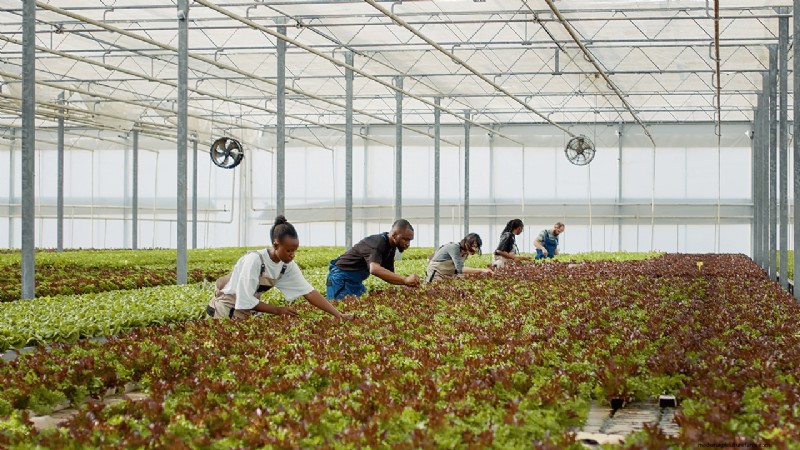
Hydroponic farming can be profitable, but it depends on various factors, such as the choice of crops, market demand, efficiency of the operation, and the initial investment. Profitability is achievable through careful planning, effective crop selection, and efficient resource management. Many successful hydroponic farmers have found niche markets for their produce, such as supplying local restaurants, grocery stores, or farmers’ markets.
Hydroponically grown plants can be just as healthy and nutritious as those grown in soil, if not more so. The controlled environment in hydroponics allows for precise nutrient delivery and protection against soil-borne diseases. The quality and nutritional value of the plants depend on factors like nutrient solution composition, lighting, and overall system management.
Hydroponic farming continues to evolve with innovative techniques, including:
Many crops are suitable for hydroponic farming. Some common choices include:
A nutrient solution for hydroponic growing typically includes essential elements necessary for plant growth, such as:
The specific composition of the nutrient solution may vary based on the type of plants being grown and the growth stage. Regular monitoring and adjustment of the nutrient solution are critical to ensure optimal plant health and growth.
Image: Envato Elements
More in: Farming Business


