Welcome to Modern Agriculture!

When you first start out in veggie gardening, it's common to sow a large number of your favourite seeds in one session. This is partly down to natural enthusiasm, but also through a worry that failures are bound to happen, and you'll need some insurance.
So when things go well and your efforts are rewarded with a bumper harvest, it's hugely satisfying... at least for a while.
The problem comes when you have a massive amount of one type of veggie to deal with, and finding interesting ways to use it in the kitchen becomes a trial. And then, as quickly as the glut arrived, it's all over and your kitchen is bare again.
The solution to this problem of feast then famine is known as succession planting. It's very straightforward to do, no matter what your level of gardening experience.
The basic idea behind succession planting is to stagger sowing your seeds, so that different batches of the same plant mature at different times. Usually, you'd sow a few seeds every week or fortnight, starting early in the season and carrying on until there's not enough growing time left for the plants to mature.
With a little planning, you can enjoy a continuous harvest of your favourite veggies without being overwhelmed. However, succession planting also offers several other benefits.
However, not all fruits and veggies are good choices for succession planting.
But where succession planting makes sense, it's a highly worthwhile technique. Some of the most common plants it's used with include:
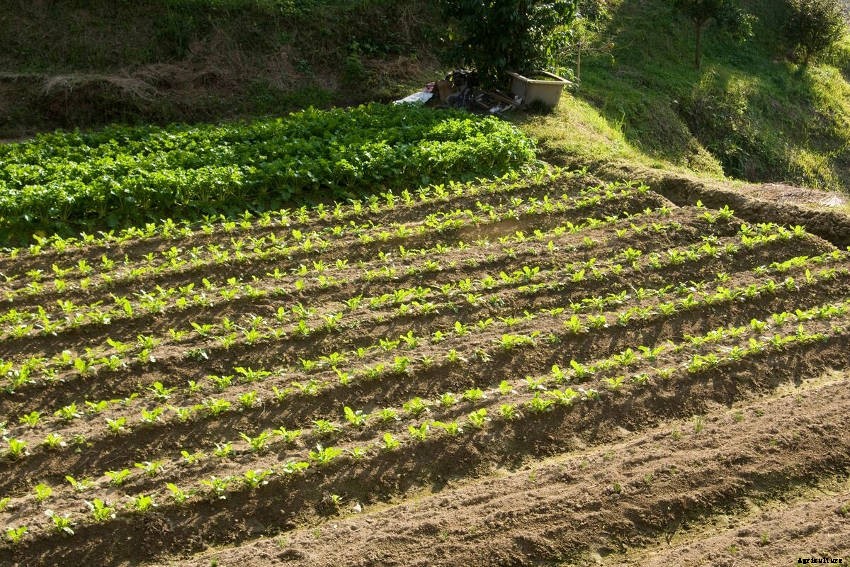
Radish - Maturing in as little as three weeks, radish is an ideal crop to sow a little and often. This is particularly true as the harvest period only lasts a short time before the roots become woody and harsh. Succession sowing gives a reliable supply of peppery radishes at their peak.
Tender Herbs - Annual herbs such as basil are highly suited to sowing successionally. You can pick the tender young leaves as you need them, knowing the supply will be constantly replenished. This is especially true for coriander, which can bolt to seed in the blink of an eye.
Cucumber- Although cucumber plants produce repeatedly over a lengthy period, individual plants can eventually run out of steam or succumb to mildew or pests. Succession growing lets you keep a plant or two productive at all times to meet your needs without too much of a glut.
Lettuce - Lettuce grows quickly, but the time between a juicy harvest and a woody, bitter disappointment is short. Sowing lettuce seeds weekly or fortnightly gives you a steady stream of salad leaves almost all year round.
Although simple succession planting is a great way of growing single crops, the method really comes into its own when used across an entire veggie garden. By taking into account the growing times of different crops, you can plan your planting schedule so that the plants all mature at times that suit you.
With a bit of care, you can have one veggie ready for harvest as another is starting to fade. And by also planting each individual veggie successionally, you can layer harvest times across each other, giving you both variety and a steady supply of produce across the full growing season.
The process can become complicated as you start to grow more and more, but drawing up a sowing, planting, and harvesting calendar at the start of the year will help you keep things in order.
Whichever way you approach succession planting, it'll even out your harvests to give you useful and manageable amounts of produce for longer. Once you get into the routine, it'll become second nature - and it'll add another twist of enjoyment to your veggie gardening activities.
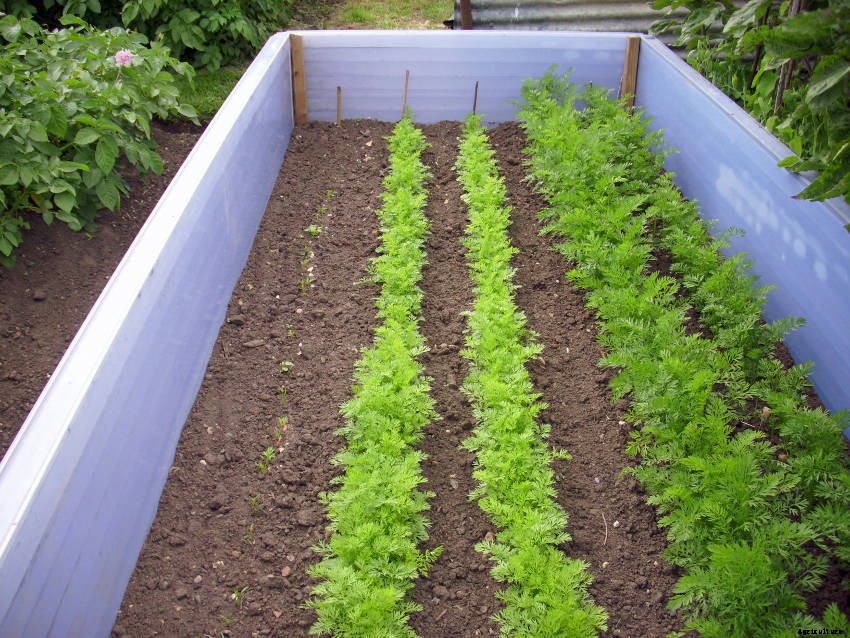
Below: Succession planting carrots in the home garden. Mature carrots on the right, recent sowing on the left and mid stage growth in center.
Below: Succession planting radish in a small farm. Recent sowing in foreground, mid growth in middle, mature radish in background.