
Welcome to Modern Agriculture!

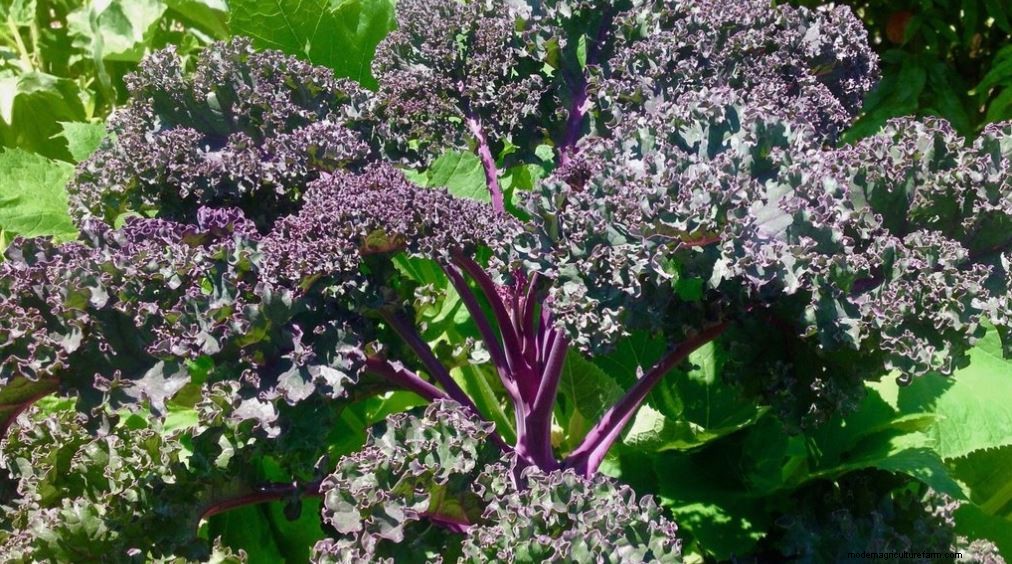 Curly Roja Kale
Vegetable gardeners in the northern-tier of our country could learn a few things from those who garden in the south. When you live in a warm climate (zones 7 to 10), the "planting season" doesn't begin in April and end in May. In central Florida, for instance, beans get planted in March and again in September. Beets can be planted from October through March. Tomatoes and peppers can be planted in February for summer harvest, and in September for winter harvest.
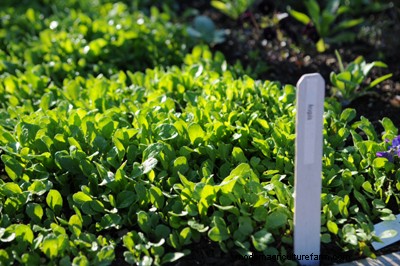 Arugula is one of many good late-season crops.
It's easy to envy these southern gardeners because they can harvest vegetables almost year-round. But the truth is, gardening in the south requires a lot more thinking and careful planning. It also requires a better understanding about the particular growing requirements for each crop.
To be successful, gardeners in zones 7 to 10 need to be continually pulling out spent crops and replanting new ones. This rotation of crops and recycling of space is known as "succession planting." It can dramatically increase total yields, while also improving quality. When crops are growing and being harvested in optimum conditions, they can achieve peak taste and nutritional value.
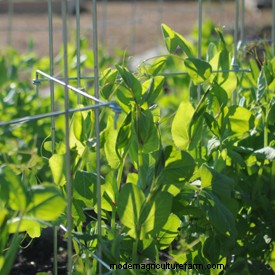 In northern areas, peas can be a good fall crop. Here they're growing on one of our Expandable Pea Trellises.
Maximizing yields and improving crop quality is the theme of gardening guru Eliot Coleman's book, The Winter Harvest Handbook. It is an incredibly generous gift of knowledge: 40 years of hands-on wisdom about how to produce beautiful, delicious organic vegetables for market — 10 months of the year — in zone 5 Maine.
As Eliot says in the book: "If farmed intensively, a small area of land can be very productive. The key to increased productivity is to make better year-round use of every square foot ….Through our focus on double- and triple-cropping, we have achieved gross yields per acre that are almost double what might be expected off our small acreage."
Midsummer is the time for zone 4 to 6 gardeners to begin a second planting season. Crops including broccoli, lettuce, peas, spinach, kale, cilantro and arugula can be planted in July and early August for harvest from September through November.
If you live in the north and would like to be eating home-grown food for 10, rather than four months of the year, I encourage you to pick up a copy of The Winter Harvest Handbook. Though geared to market gardeners who are growing on a larger scale than most home gardeners, the information is fascinating and immensely useful. You'll learn the ideal time to plant beets for a fall harvest, the best time to plant spinach if you want to overwinter it for harvest in late March, how to maintain high soil fertility in an intensively managed garden, how day length determines planting times, and much more.
Gardeners in every part of the country, north and south, are eager to use their garden space more efficiently and be able to produce more food. Plant, plant and plant again is the easiest and most rewarding strategy I've found.


