
Welcome to Modern Agriculture!

Rabbit farming is a popular and profitable business that requires minimal investment and space. What exactly is a rabbit farm, and how can a rabbit farmer ensure the greatest profit from their business? All aspiring entrepreneurs and bunny fanciers out there can keep reading to learn all about how to start a rabbit farm.
NWRedworms discusses how to make easy money with rabbit manure in this video. Check it out!
Before you can get your rabbits raised and sold, you have to plan for your rabbit farming business. Pay close attention to the following steps to starting a rabbit farm:

If you want to start raising rabbits, conduct market research to determine the demand for rabbit products in your area. This research will help you to determine if there is a market for rabbit meat, fur, and breeding in your region.
A business plan is essential for any business, and rabbit farming is no exception. Your rabbit farm business plan should include the objectives of your farm, the type of rabbits you plan to raise, and your marketing strategy.
Choose a location for your rabbit farm that is easily accessible and has adequate space for your rabbits to live and breed. You might research the best states to start a farm. The location also should have easy access to water and be how to start a rabbit farmin a quiet area away from noise and disturbances.
You will need to purchase equipment such as rabbit hutches or rabbit cages, water bottles, and feeders. It is essential to invest in high-quality equipment to ensure the health and safety of your rabbits.
To start populating your farm, buy high-quality young rabbits from trustworthy breeders. Select breeds that are appropriate for your climate and the specific products you intend to produce. It may seem obvious, but remember that you need both male and female rabbits for reproduction. Unlike males, each female rabbit can breed only once every 35 days or so.
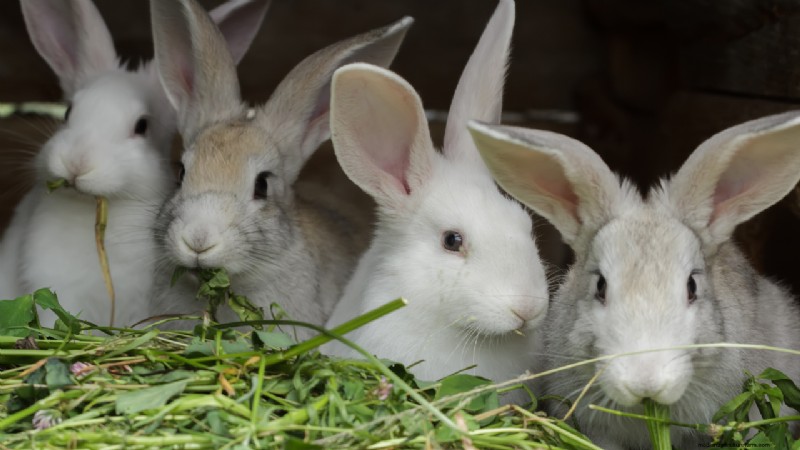
Proper care is essential to the health and well-being of your rabbits. Ensure that your rabbits have access to clean, fresh water, a balanced diet, and adequate space to live and breed.
Remember to begin promoting your rabbit products to potential customers, which can include local restaurants, grocery stores, and individual buyers. Utilize social media and other marketing tools to effectively showcase your products.
Monitor your business regularly to ensure that you are meeting your objectives and making a profit. Make adjustments to your business plan as needed to ensure that your farm is a successful rabbit production business.
Below is a comprehensive table detailing the essential steps and descriptions to guide you through the process of establishing your rabbit farm.
A rabbit farm is clearly a place that houses many fluffy bunnies, but it encompasses much more than that. It is a type of farm dedicated to raising rabbits for various commercial purposes, such as meat, fur, and breeding. Rabbit farming presents an ideal opportunity for small-scale farmers, as it demands minimal investment and requires little space. Furthermore, rabbit manure serves as an excellent fertilizer for plants, which makes rabbit farming a sustainable and environmentally friendly venture. If you’re interested in learning how to start a rabbit farm, this information can be particularly useful.
If you’re searching for reasons to start rabbit farming, you won’t have to look far. There are several benefits to owning a successful rabbit farming business, including:
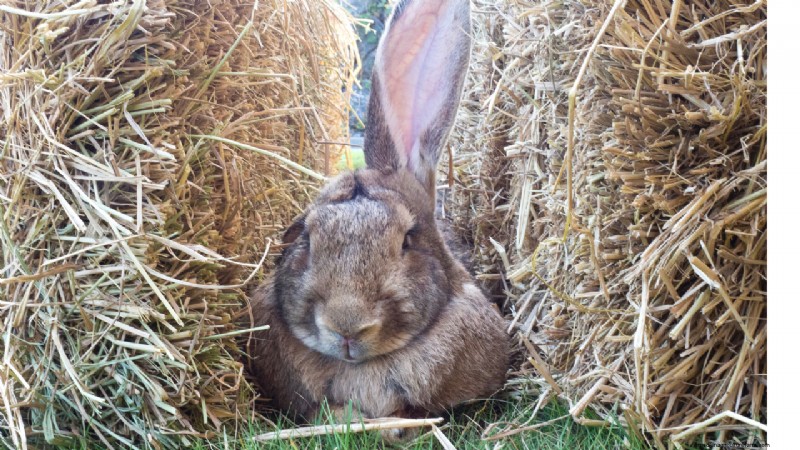
What types of rabbits should you raise on your farm? It’s important to consider the ease of breeding the rabbits, the ease of raising them, the cost of purchasing and caring for them, as well as the profit they can generate. Some of the most popular domestic rabbit breeds for a commercial rabbit farming business include:
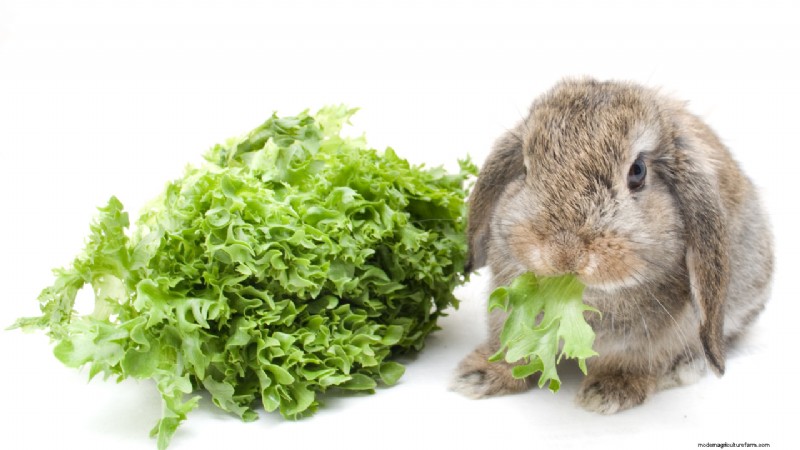
Like livestock farming, raising domestic rabbits requires proper care and attention to ensure the animals’ health and well-being. Check out the following tips for successfully breeding and raising rabbits for commercial purposes:

In addition to edible meat and fur rabbit production, rabbit farms can also produce a variety of other goods. In fact, a rabbit business can offer a diverse range of products that can be sold to various markets, making it a profitable and sustainable business. Products made or sold by rabbit farms include:
Keeping rabbits is not difficult, but it requires proper care and attention. Domesticated rabbits are low-maintenance animals that do not require a lot of space or expensive equipment. However, they do require a balanced diet, clean living conditions and regular veterinary care to ensure their health and well-being. With proper care and management, raising rabbits can be a rewarding and profitable venture.
Are you interested in learning how to start a rabbit farm with little to no money? Rabbit farming could be a viable option for you. The initial costs associated with starting a rabbit farm can differ based on various factors, including the size of the farm, the necessary equipment, and the quantity of rabbits you choose to buy.
Generally, small-scale rabbit farming can cost between $1,000 to $5,000, including the cost of purchasing rabbit equipment and building or renovating a shelter. Ongoing costs such as feed, veterinary care, and marketing expenses also should be considered.
The number of rabbits needed to start a successful rabbit farm can vary depending on the scale of the operation and the type of products produced. However, it is recommended to start with at least 20 breeding rabbits to ensure genetic diversity and a continuous supply of rabbits for production. As the business grows and demand increases, more farm rabbits can be added to the herd.
Depending on the purpose of farming, different rabbit breeds are best suited for commercial production. Here’s a breakdown:
Remember, the choice of breed should also take into account the available infrastructure, potential markets, and personal preference. Researching and seeking advice from seasoned rabbit farmers can further aid in making the best decision.
Many people around the world delight when they eat rabbit, and some of them actually don’t think it tastes like chicken! Rabbit meat remains in high demand throughout many markets worldwide. Considered a lean and healthy source of protein, rabbit meat is gaining popularity among consumers looking for alternatives to traditional meats.
Plus, rabbit meat is a staple in many cultures that are used in various traditional dishes. As a result, starting a rabbit farm for meat production can be a profitable and sustainable business.
If managed properly, a commercial rabbit farming business can be a very profitable venture. The cost of raising rabbits is relatively low compared to other options like how to start a goat farm or deer farming, for example. Plus, the demand for rabbit products, such as meat and fur, is steadily increasing.
Since cotton-tailed mammals have a high reproductive rate and mature quickly, rabbit farmers can generate a continuous supply of products. However, it is important to have a solid business plan and carefully manage expenses while researching and establishing relationships with potential buyers to ensure profitability.
Rabbit farming presents a lucrative opportunity with minimal investment and space requirements, making it an attractive venture for aspiring entrepreneurs.
By conducting thorough market research, crafting a detailed business plan, choosing the right location, investing in quality equipment, and selecting high-quality rabbits, individuals can lay the foundation for a successful farm.
Proper care, effective marketing, and regular business monitoring are crucial to ensure the health of the rabbits and the profitability of the farm. With benefits such as high demand for rabbit products, quick reproduction rates, and low space requirements, rabbit farming stands out as a profitable and sustainable business model.
By adhering to the outlined steps and prioritizing quality and animal welfare, those looking to learn how to start a rabbit farm can find success in this fulfilling agricultural field.
Image: Envato Elements
More in: Farming Business, How to Start


