Welcome to Modern Agriculture!

 Depositphotos
Mosquitoes can turn a peaceful backyard into an itchy nightmare. Those persistent pests seem to appear the moment you step outside for some fresh air or family time. Understanding what attracts them to your yard is the first step in reclaiming your outdoor space.
The good news is that many mosquito magnets in your yard are easy to fix once you identify them. Simple changes to your landscaping and maintenance routine can dramatically reduce the mosquito population without harsh chemicals or expensive solutions.
 Depositphotos
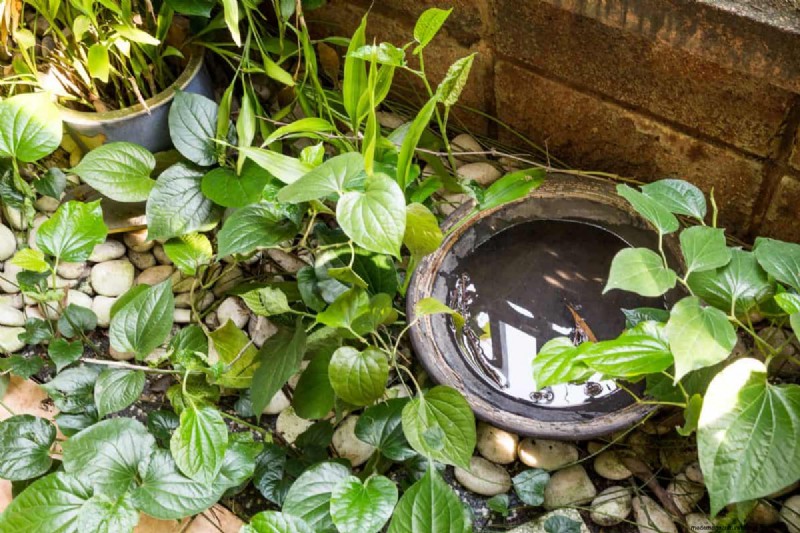
Mosquitoes need just a tiny amount of standing water to lay hundreds of eggs. Forgotten buckets, empty flower pots, children’s toys, and even bottle caps can collect enough rainwater to become mosquito nurseries. Female mosquitoes can complete their life cycle in as little as a tablespoon of water, making these seemingly innocent items perfect breeding spots.
Walk through your yard weekly to empty any containers that might hold water. For items that need to stay outside, drill drainage holes in the bottom or store them upside down. Consider repurposing unused containers as planters or recycling them entirely to eliminate potential breeding sites.
 Depositphotos
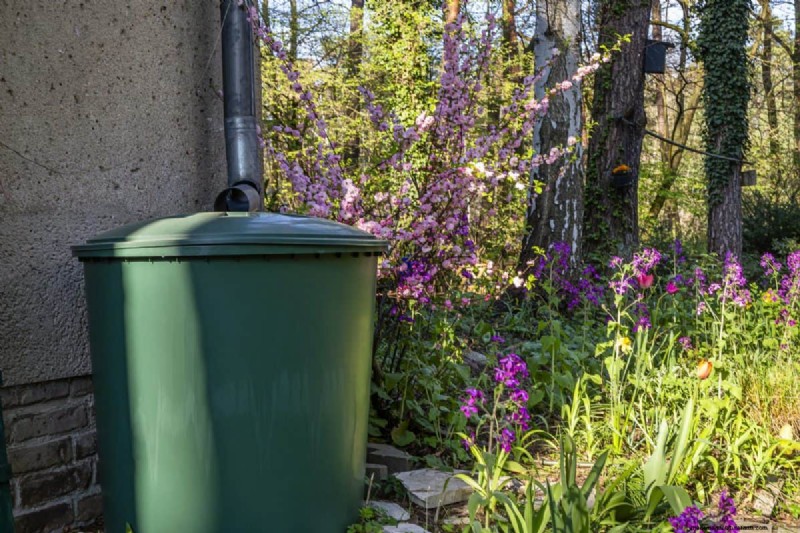
Create a rain barrel system with proper screens to collect rainwater without creating mosquito habitats. The screens prevent adult mosquitoes from entering to lay eggs while still allowing you to harvest rainwater. This gives you the benefits of water conservation without the downside of pest problems.
After rainstorms, make a quick tour of your property to dump any collected water. Just five minutes of attention can prevent thousands of mosquitoes from hatching. Get children involved by making it a game to find and empty water containers.
We'll email it to you so you can read it later!
By saving, you agree to receive occasional emails. Unsubscribe anytime.
 Depositphotos
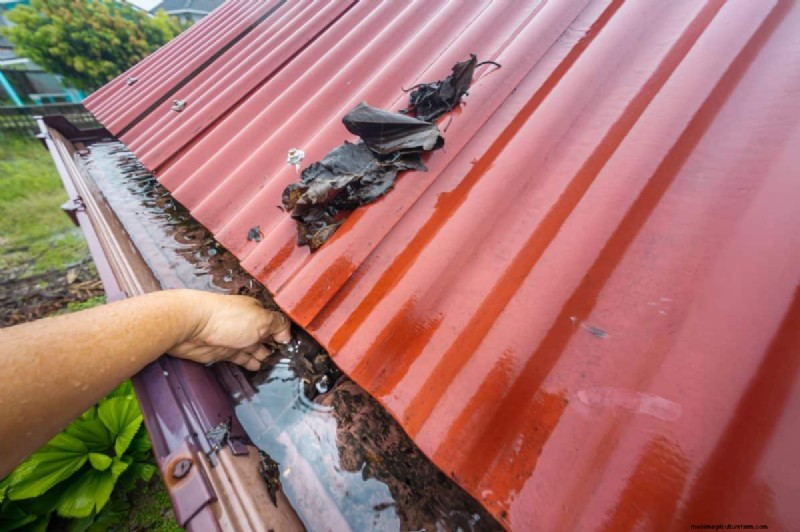
Leaves, twigs, and debris can build up in your gutters, creating dams that hold stagnant water. These elevated mosquito nurseries are particularly problematic because they’re often out of sight and forgotten. Clogged gutters can breed thousands of mosquitoes that will eventually make their way down to your outdoor living spaces.
The constant moisture in blocked gutters creates ideal conditions for mosquito larvae to thrive. A single forgotten gutter can produce enough mosquitoes to affect your entire property and even neighboring homes. The height also protects these breeding grounds from natural predators that might otherwise control mosquito populations.
 Depositphotos
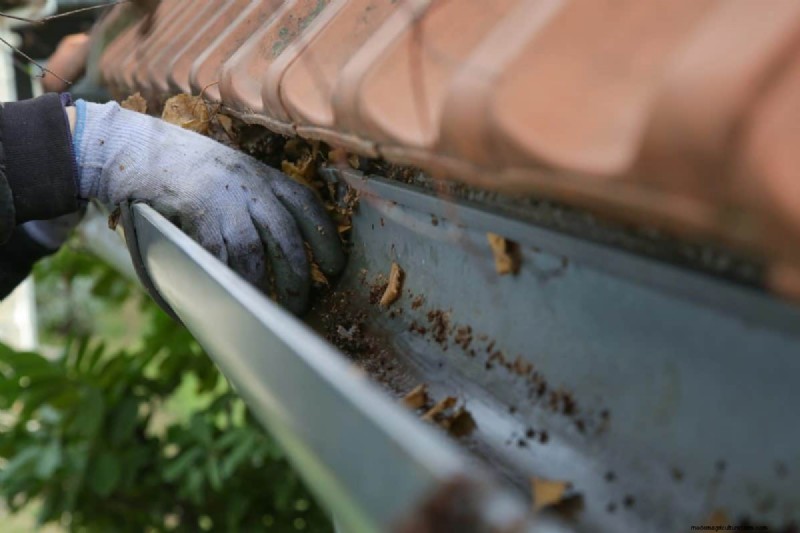
Schedule regular gutter cleaning at least twice a year, with additional checks after major storms. Consider installing gutter guards or screens that allow water to flow while keeping leaves and debris out. These simple additions can dramatically reduce maintenance needs while preventing mosquito breeding.
For hard-to-reach gutters, consider hiring a professional cleaning service annually. The cost is worth avoiding both mosquito problems and the water damage that can result from overflowing gutters. Some companies now offer gutter cleaning services specifically focused on mosquito prevention.
 Depositphotos
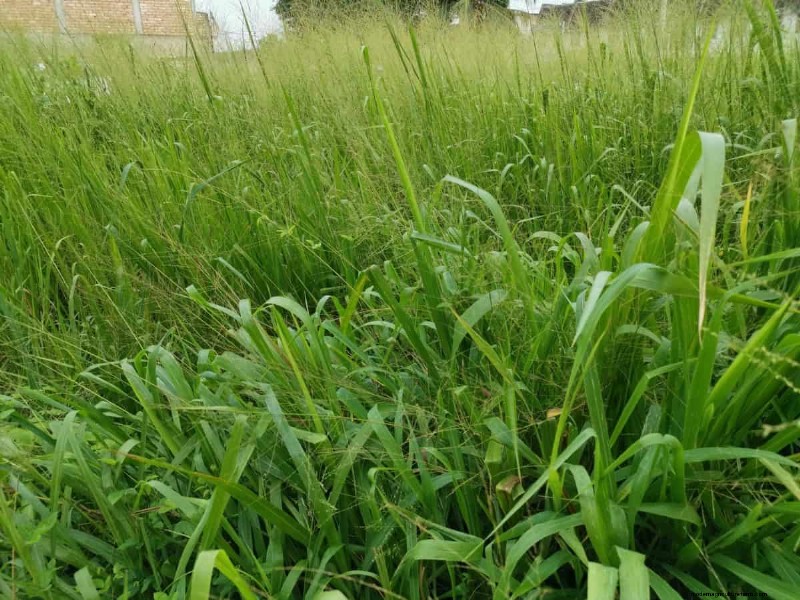
Tall grass and dense weeds create perfect daytime resting spots for adult mosquitoes. These insects need to escape the heat and sun during daylight hours, and overgrown vegetation provides the cool, humid shelter they seek. Male and female mosquitoes both use these areas to rest between feeding or breeding activities.
Thick vegetation not only shelters mosquitoes but also traps moisture close to the ground, creating humid microclimates that mosquitoes love. Areas with poor air circulation become magnets for these pests, especially during hot summer months when they’re looking for relief from the heat.
 Depositphotos
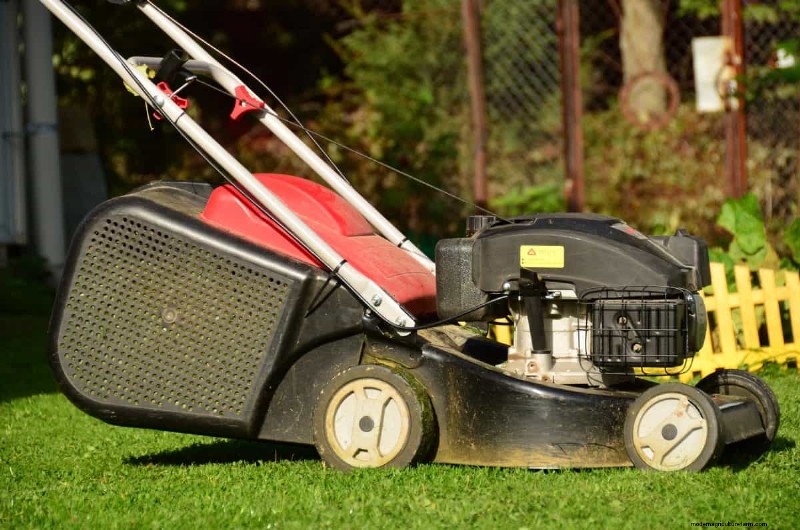
Mow your lawn regularly, keeping grass around 2-3 inches tall to reduce mosquito hiding spots while maintaining lawn health. Pay special attention to areas along fences, buildings, and other hard-to-reach spots where vegetation might grow unchecked. These boundary areas often become mosquito highways into your yard.
Trim back bushes and remove weeds, especially in shady areas where mosquitoes are likely to rest during the day. Creating more open space improves air circulation and sunlight penetration, making your yard less hospitable to mosquitoes. Regular edging and weed control not only improve your yard’s appearance but also reduce pest problems.
 Depositphotos
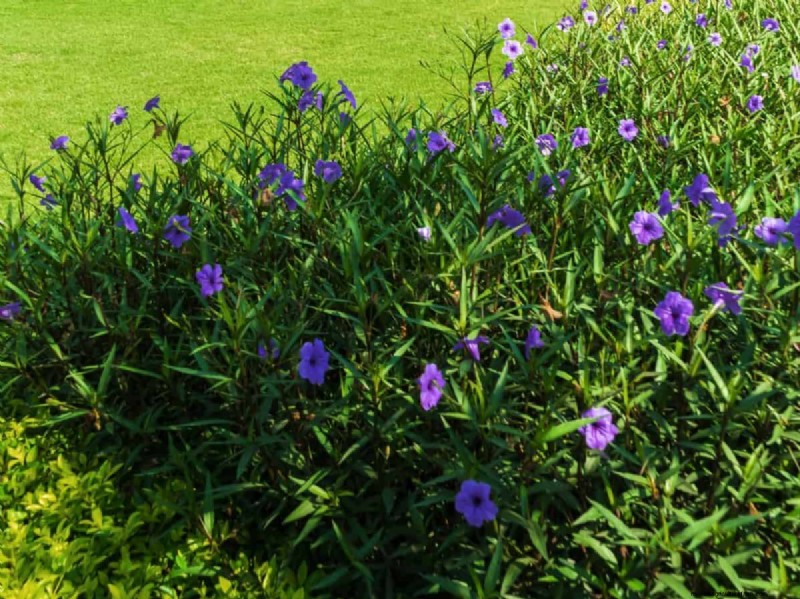
Leafy, dense plantings create cool, dark environments that adult mosquitoes seek for daytime resting. Plants with broad leaves and thick growth habits trap humidity and block airflow, creating perfect mosquito lounges. Some plants even collect small amounts of water in leaf axils or flower cups, providing bonus breeding spots.
Areas under dense plantings often remain damp longer after rain or irrigation, giving mosquitoes both the moisture and protection they need. These shady microclimates can harbor surprising numbers of adult mosquitoes, especially near the center of dense plant groupings where predators have difficulty reaching.
 Depositphotos
Strategically prune dense plants to improve air circulation without sacrificing their beauty. Focus on thinning internal branches rather than changing the overall shape. This allows more light and air to penetrate, reducing humidity while maintaining the plant’s natural form and appearance.
Consider incorporating mosquito-repelling plants like lavender, citronella, catnip, and marigolds into your landscape. While these won’t eliminate mosquitoes completely, they can help reduce numbers when planted near seating areas or interspersed with denser plantings. Creating a varied landscape with different plant heights and densities also supports natural mosquito predators like birds and beneficial insects.
Depositphotos
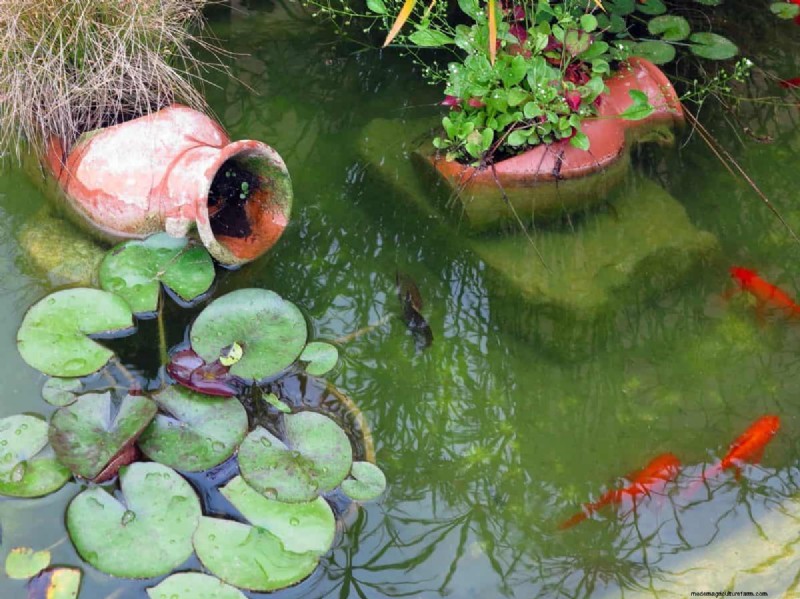
Backyard ponds and water gardens create beautiful focal points but can become mosquito factories without proper management. Still water surfaces allow female mosquitoes to land and deposit eggs, particularly along shallow edges or areas with floating vegetation. Even well-designed water features can support mosquito breeding if not properly maintained.
The organic matter that naturally accumulates in ponds provides excellent nutrition for developing mosquito larvae. Fallen leaves, excess fish food, and decaying plants all contribute to a rich mosquito buffet. These nutrients support rapid larval development, potentially producing new adult mosquitoes every 7-10 days during warm weather.
 Depositphotos
Stock your pond with mosquito-eating fish like gambusia (mosquito fish) or guppies. Even common goldfish will happily feast on mosquito larvae. Adding a fountain or aerator keeps water moving and oxygenated, making it less suitable for mosquito breeding while improving conditions for fish and beneficial aquatic life.
Maintain proper water chemistry and remove excess organic debris regularly. Consider adding beneficial bacteria products designed for ponds to help break down organic matter without harming fish or plants. For larger water features, combine multiple control strategies including fish, water movement, and occasional use of mosquito dunks in problem areas like shallow plant zones.
 Depositphotos
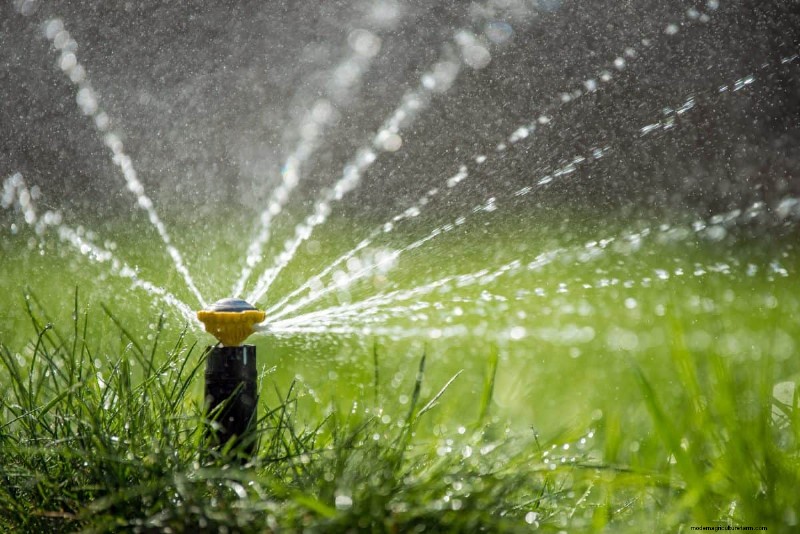
Faulty sprinklers and dripping irrigation connections create persistent wet spots that attract mosquitoes. Even small leaks can maintain enough moisture to support breeding, especially in shaded areas where evaporation is slower. These constant water sources are particularly problematic because they often go unnoticed for weeks or months.
Pooling water from irrigation system issues creates perfect mosquito nurseries, particularly when combined with nearby vegetation that provides shelter for adults. The regular schedule of most irrigation systems ensures these wet areas remain consistently moist, making them reliable mosquito habitats throughout the growing season.
 Shutterstock
Inspect your irrigation system monthly for leaks, broken heads, or misaligned sprinklers that might create puddles. Replace damaged components promptly and adjust sprinkler heads to ensure water falls only on intended areas, not on driveways or paths where it might collect. Consider installing a smart irrigation controller that adjusts watering based on weather conditions.
Water early in the morning to allow surface moisture to dry during the day, reducing humidity levels that attract mosquitoes. Avoid evening watering which leaves moisture present during prime mosquito activity hours. For gardens and landscaped areas, consider switching to drip irrigation which delivers water directly to plant roots with minimal surface wetness.
 Shutterstock
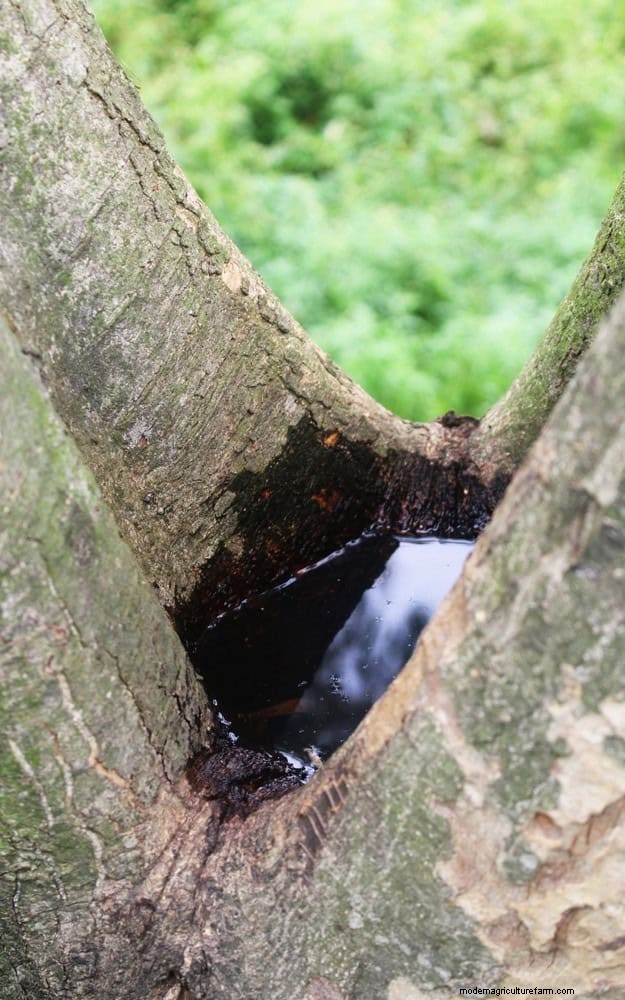
Cavities in trees and hollowed stumps collect rainwater and create natural mosquito breeding sites. These woodland water features are particularly effective mosquito nurseries because they’re protected from predators and often maintain stable water levels. Some mosquito species have specifically evolved to utilize these tree holes for reproduction.
The organic matter naturally present in tree cavities provides nutrients for mosquito larvae, supporting their development even in small water volumes. A single tree hole can produce hundreds of mosquitoes every week during warm weather. The shade and protection offered by the surrounding tree structure also creates ideal resting habitat for adult mosquitoes.
 Depositphotos
Fill tree holes with expanding foam designed for landscaping use, or a mixture of sand and mortar to prevent water collection. For valuable trees, consult with an arborist first, as some filling methods might harm the tree. The goal is to eliminate the water-holding capacity while causing minimal damage to the plant.
Remove tree stumps completely when possible, or accelerate their decomposition using commercially available stump removers. For decorative stumps you wish to keep, drill drainage holes through the bottom to prevent water accumulation. Alternatively, cover stumps with waterproof caps or treat water-collecting areas with mosquito dunks to prevent larval development.
 Depositphotos
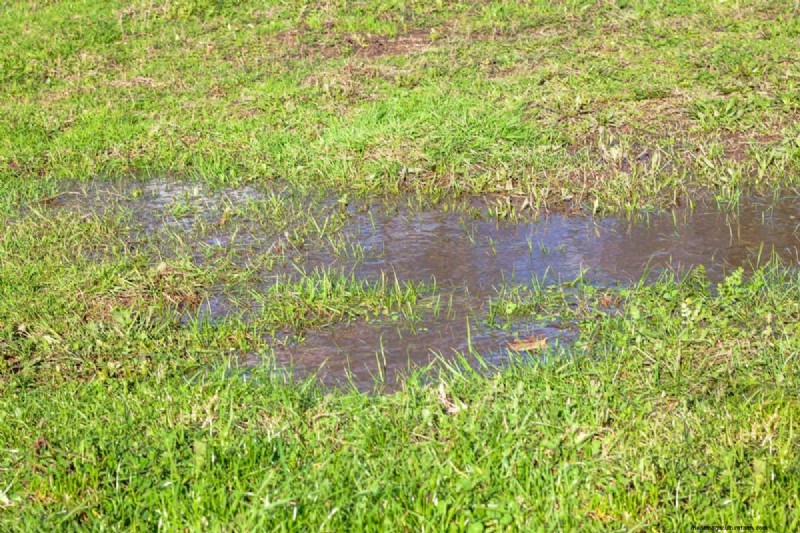
Low spots in your yard that hold water after rain provide ideal breeding grounds for mosquitoes. These natural depressions can remain wet for days after precipitation, giving mosquitoes plenty of time to complete their aquatic life stages. Even shallow puddles just an inch deep provide sufficient habitat for mosquito development.
Compacted soil, heavy clay, or areas with high traffic often develop drainage problems that support mosquito breeding. The recurring nature of these wet spots makes them particularly problematic, as mosquitoes quickly learn to target these reliable water sources. A single poorly drained area can produce thousands of mosquitoes throughout the season.
 Shutterstock
Create a rain garden using water-loving native plants to absorb excess moisture naturally. These specialized garden areas not only solve drainage issues but also provide habitat for beneficial wildlife and add beauty to your landscape. Select plants appropriate for your climate that can tolerate both wet and dry conditions.
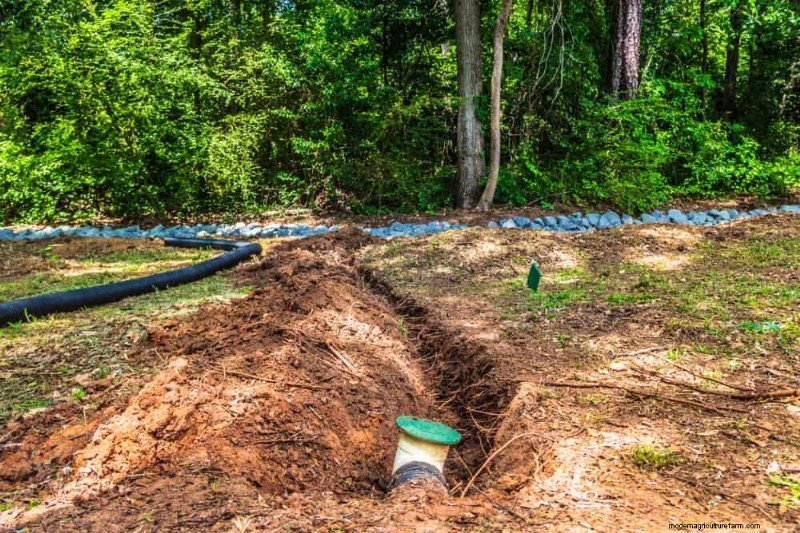
For persistent problem areas, consider installing a French drain system to redirect water away from low spots. This underground drainage solution channels water to more appropriate locations while keeping your yard’s surface dry. For smaller wet areas, simply filling the depression with topsoil and establishing grass may be sufficient to eliminate standing water problems.
 Depositphotos
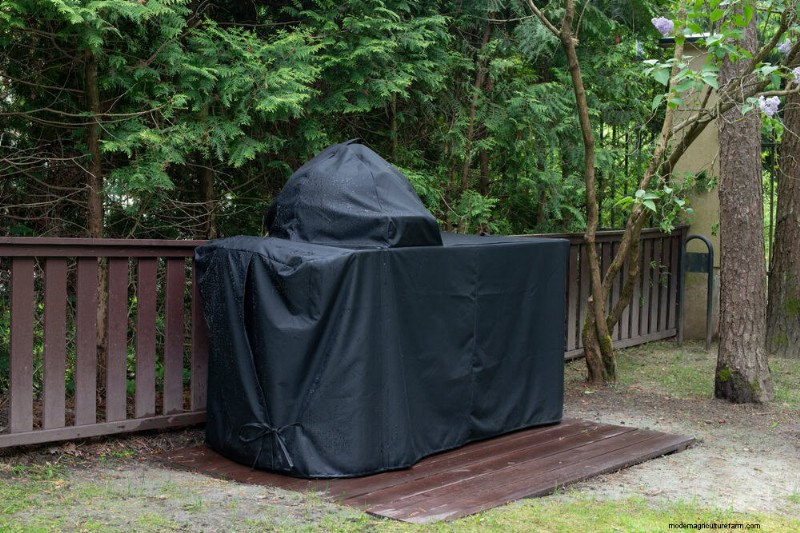
Protective covers for outdoor furniture, grills, firewood, and equipment often collect rainwater in their folds and creases. These water pockets form perfect mosquito nurseries, particularly because the dark, sheltered environment slows evaporation and protects developing larvae. Even small amounts of water trapped in a tarp’s wrinkles can support mosquito breeding.
The problem compounds when these covers remain undisturbed for weeks, allowing multiple generations of mosquitoes to develop unnoticed. Waterproof materials prevent drainage, creating persistent puddles that can last long after rainfall. Many homeowners don’t realize their protective covers are actually creating perfect mosquito habitats.
 Shutterstock
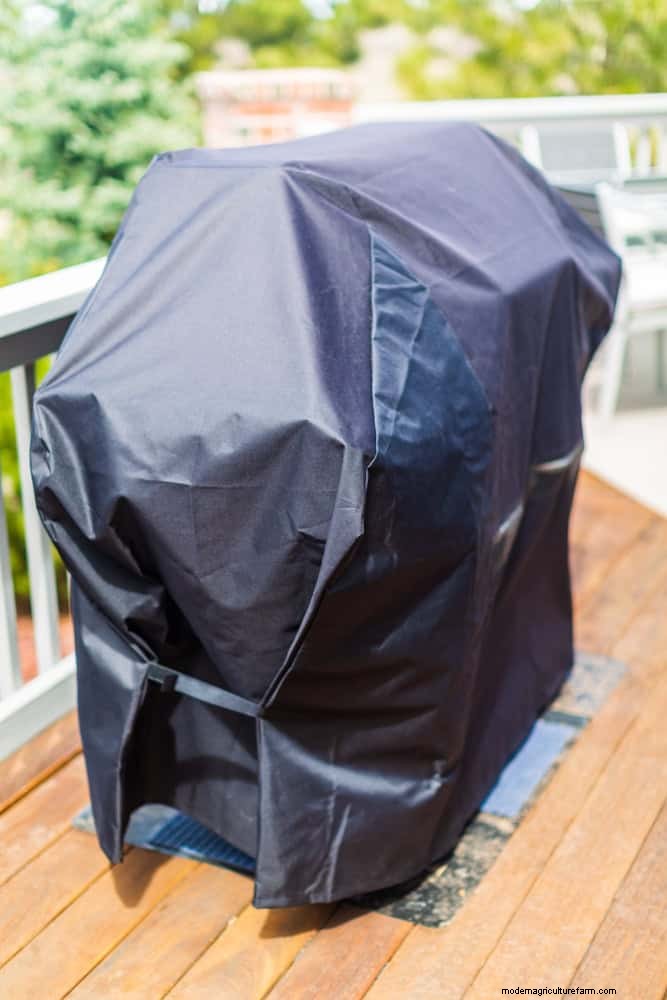
Position tarps and covers at an angle that promotes water runoff rather than collection. Use bungee cords or weights to create a tight, smooth surface without sags or depressions where water might gather. After rain, shake out covers to remove any collected water before mosquitoes can lay eggs.
Consider switching to breathable covers that allow water to pass through rather than collecting on top. For items that must remain covered for long periods, create a frame or support structure that holds the cover taut and sloped. Regularly check underneath stored items for unexpected water collection points, especially after heavy rain.
 Depositphotos
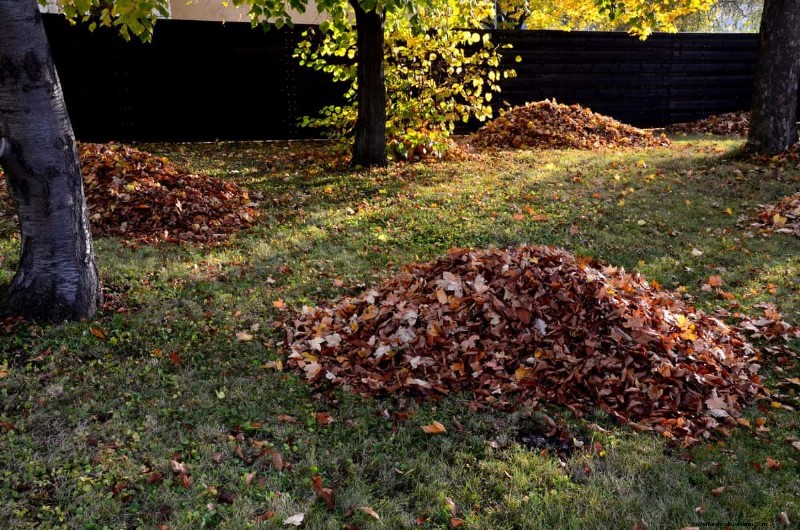
Piles of leaves, grass clippings, and other yard waste trap moisture and create humid microclimates that adult mosquitoes love. These organic materials absorb and hold water like sponges, maintaining dampness even days after rain. The decomposition process also generates heat, creating warm, humid conditions that are particularly attractive to mosquitoes.
Beyond providing ideal resting spots for adults, dense piles of yard waste can develop small pockets of standing water within their layers. These hidden water reservoirs become perfect breeding sites, protected from detection and natural predators. A single forgotten pile of leaves can harbor surprising numbers of mosquitoes at all life stages.
 Depositphotos
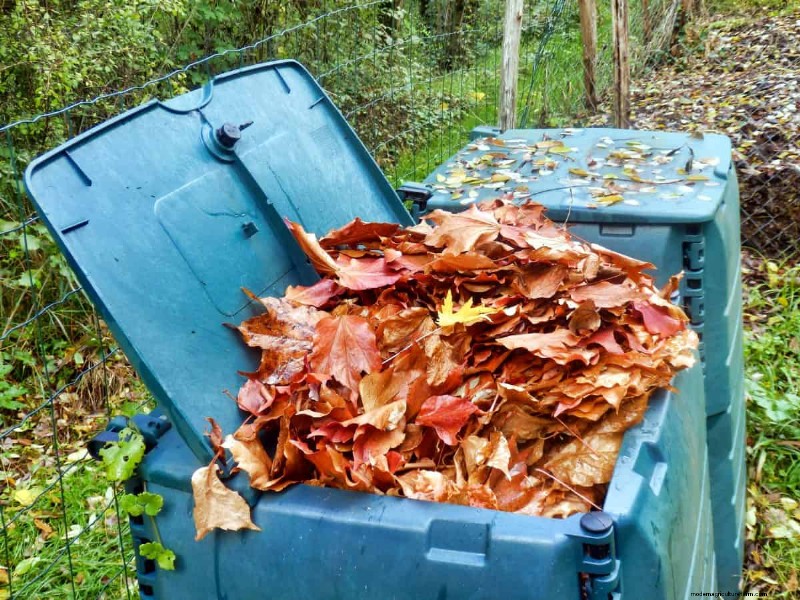
Manage yard waste promptly by composting in a dedicated bin with proper drainage and a cover to prevent water accumulation. Turn compost regularly to increase decomposition rate and disrupt any potential mosquito development. The heat generated by an active compost pile actually helps deter mosquitoes when managed correctly.
Consider using a mulching mower that finely chops grass clippings and leaves them on the lawn to decompose naturally. This eliminates collection piles while returning nutrients to your soil. For larger yard cleanup operations, bag materials immediately or create a temporary collection tarp that can be emptied frequently, never allowing debris to sit in damp piles for more than a few days.
 Depositphotos
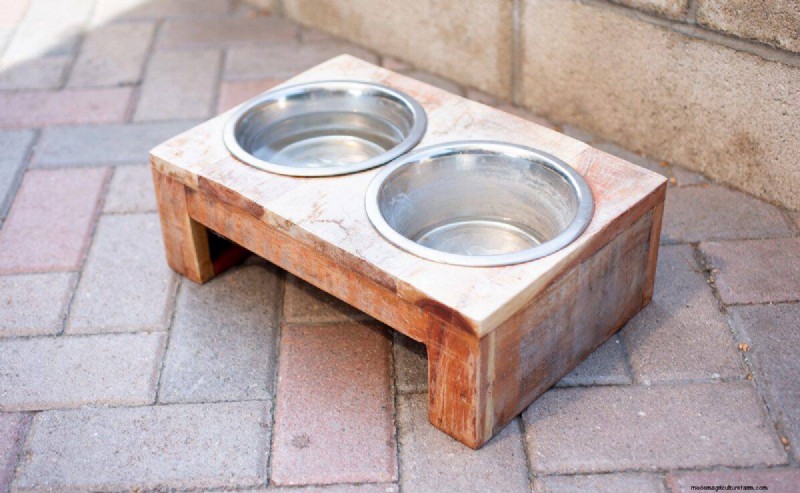
Water dishes for dogs and cats provide convenient mosquito breeding sites right near your home. The clean, relatively still water is perfect for mosquito eggs, and the regular refilling ensures a constant suitable habitat. Since these bowls are typically placed in shaded areas to keep pets’ water cool, they also offer ideal conditions for mosquito development.
Pet water bowls are especially problematic because they’re necessary for animal health and can’t simply be eliminated. The frequent use by pets also means the water surface is disturbed regularly, which might seem like it would deter mosquitoes. However, most mosquito species can complete egg-laying in just minutes, taking advantage of even brief periods when the water is undisturbed.
 Depositphotos
Change outdoor pet water at least daily, washing the bowl each time to remove any mosquito eggs before they can hatch. This simple habit interrupts the mosquito life cycle while ensuring your pets have fresh, clean water. Consider bringing water bowls inside overnight when mosquitoes are most active and pets are typically indoors.
Invest in pet water fountains that keep water circulating, making it impossible for mosquitoes to successfully lay eggs. These devices not only solve the mosquito problem but often encourage pets to drink more water, supporting their health. For stationary bowls, add a few drops of food-grade apple cider vinegar to the water, which deters mosquitoes but is safe for pets in small amounts.
 Depositphotos
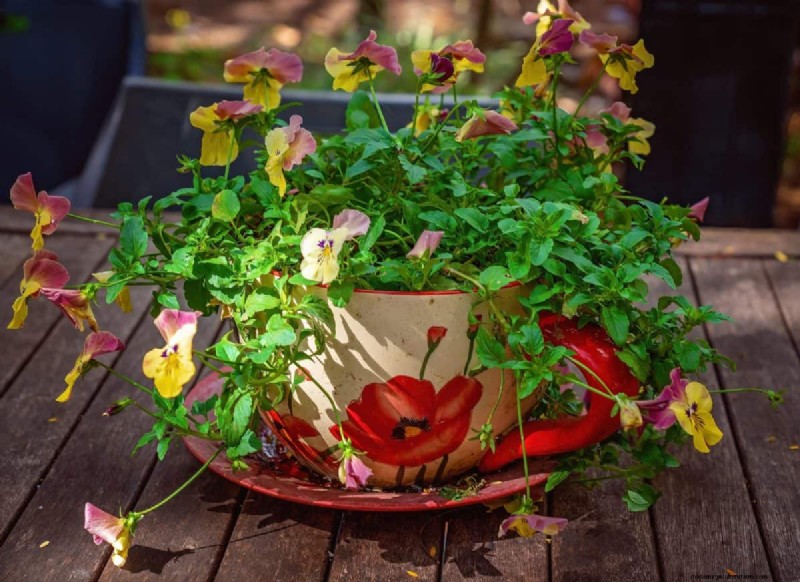
The trays and saucers beneath potted plants create perfect mosquito breeding pools when filled with water. These small water reservoirs are often overlooked during yard inspections but can produce surprising numbers of mosquitoes. The nutrients that leach from potting soil into these saucers create an enriched environment that supports rapid larval development.
Many gardeners intentionally keep these saucers filled to provide consistent moisture for plants, inadvertently creating ideal mosquito habitats. The protected location under plants provides shade and shelter for both developing larvae and adult mosquitoes. A collection of container plants on a patio can become a significant source of mosquito problems if their saucers hold standing water.
 Shutterstock
Replace traditional saucers with self-watering planters that keep water contained and inaccessible to mosquitoes. These modern containers allow plants to draw moisture as needed while preventing open water surfaces where mosquitoes can breed. For decorative pots that must have saucers, fill them with sand or small pebbles that hold moisture for plants but don’t create open water.
Elevate pots slightly above their saucers using pot feet or small stones to create drainage space that prevents constant water accumulation. Empty saucers after watering or rainfall, allowing them to remain dry most of the time. Alternatively, drill small drainage holes in existing saucers so they can’t hold standing water but still catch brief overflow during watering.
 Depositphotos
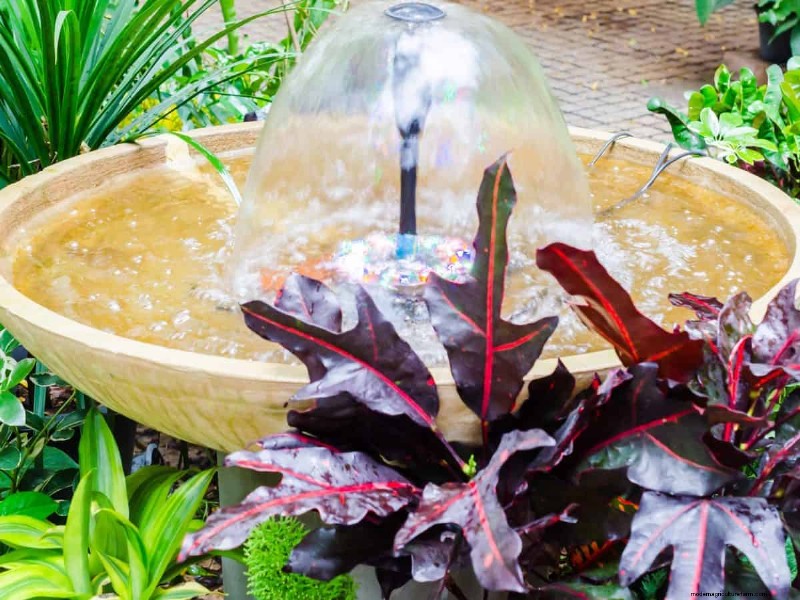
Beautiful water features add tranquility to your yard but can become mosquito magnets when not properly maintained. Still water in bird baths and ornamental fountains provides ideal breeding conditions, especially if the water becomes stagnant. Even features with small amounts of water can support mosquito development if left unchanged.
Many homeowners don’t realize that mosquitoes prefer clean water for breeding, making well-maintained bird baths surprisingly attractive to these pests. The shallow depth and protected location of most decorative water features create perfect mosquito nurseries if the water remains undisturbed for more than a few days.
 Depositphotos
Change the water in bird baths every two to three days to interrupt the mosquito breeding cycle. Add a small fountain pump to keep water moving, as mosquitoes cannot lay eggs in flowing water. The gentle splash will also enhance the visual appeal of your water feature while naturally deterring pests.
Consider adding mosquito dunks or bits containing Bacillus thuringiensis israelensis (BTI), a natural bacteria that kills mosquito larvae but is harmless to birds, pets, and wildlife. These products slowly dissolve in water and can provide protection for up to 30 days. For decorative fountains, make sure the pump runs regularly to keep water circulating.
 Depositphotos
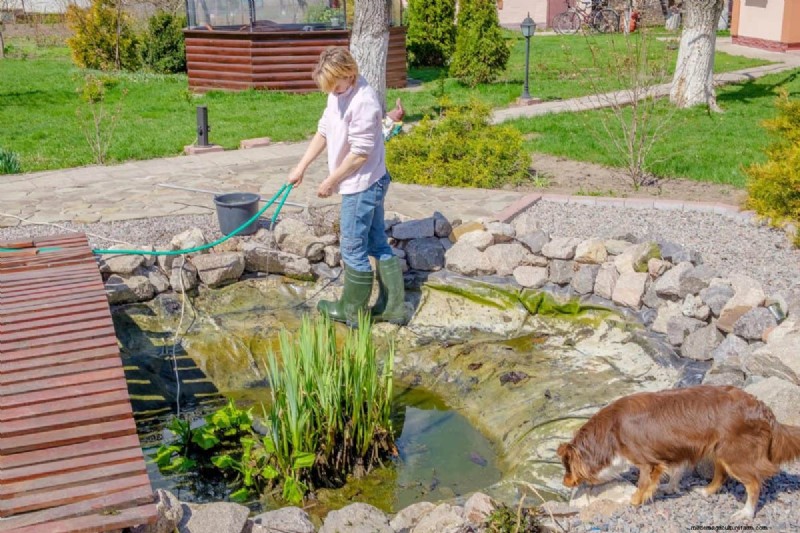
Taking control of your outdoor spaces doesn’t require chemical warfare against mosquitoes. Simple habitat modifications and regular maintenance can dramatically reduce mosquito populations naturally. Many of these changes also improve your yard’s appearance and functionality, creating a win-win situation for both pest control and outdoor enjoyment.
Remember that consistency is key in mosquito prevention. Make these simple checks part of your regular yard maintenance routine, and you’ll enjoy significantly fewer mosquito problems throughout the warm seasons. The time invested in prevention pays off with more comfortable, bite-free outdoor living for you, your family, and your guests.