
Welcome to Modern Agriculture!

 Shutterstock
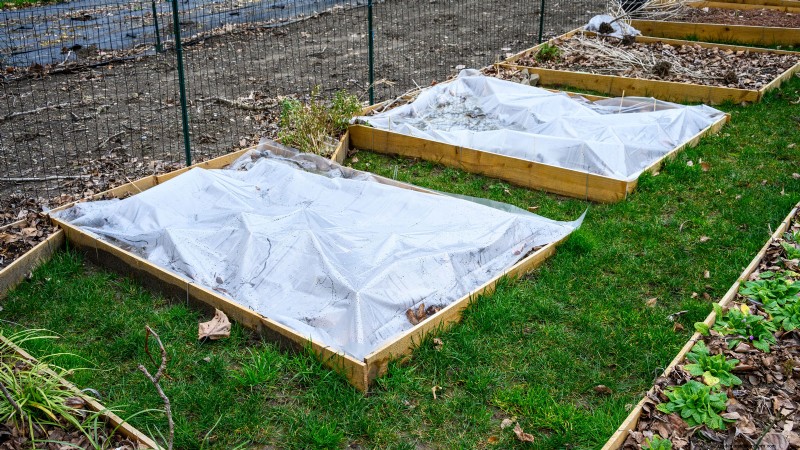
As the cool air sets in and leaves start to crisp, it’s not just time for pumpkin patches and cozy weekends—it’s also the perfect moment to prepare your garden for the winter months ahead. Winterizing your garden is essential to ensure your soil and plants are ready for the next growing season. In this guide, we’ll walk you through simple, practical steps to protect your garden from the cold, ensuring it emerges stronger and more vibrant come spring!
 Shutterstock
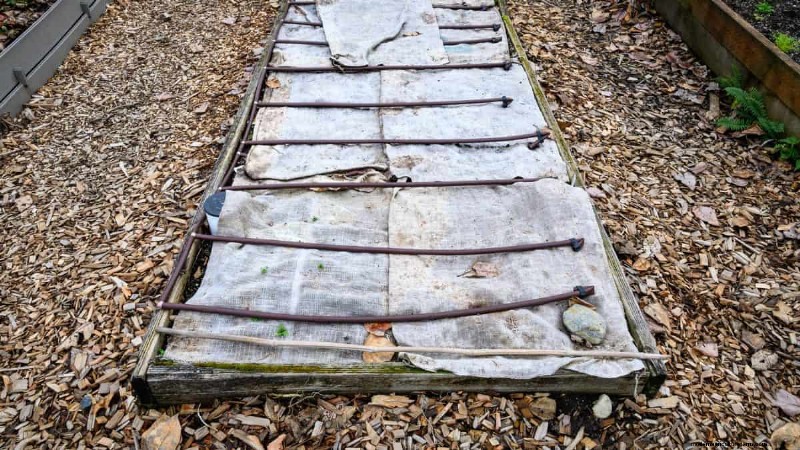
“Winterizing the garden” means preparing your outdoor space for the cold winter months. It involves a series of steps to protect plants, soil, and garden structures from the harshness of winter weather. The goal is to ensure that your garden’s soil remains healthy and that your plants can withstand the winter, emerging stronger when spring arrives.
 Shutterstock
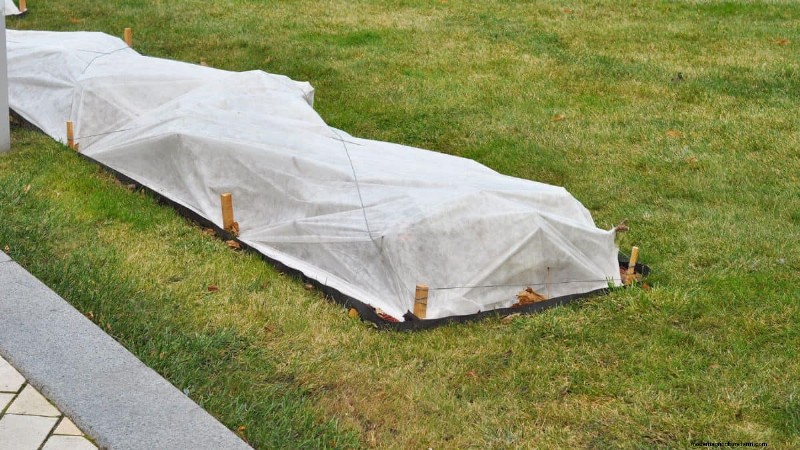
Winter can be harsh on your garden, but with some preparation, you can ensure that your plants survive the cold weather and return strong in the spring. Here are some tips to help you winterize your garden.
We'll email it to you so you can read it later!
By saving, you agree to receive occasional emails. Unsubscribe anytime.
 Shutterstock
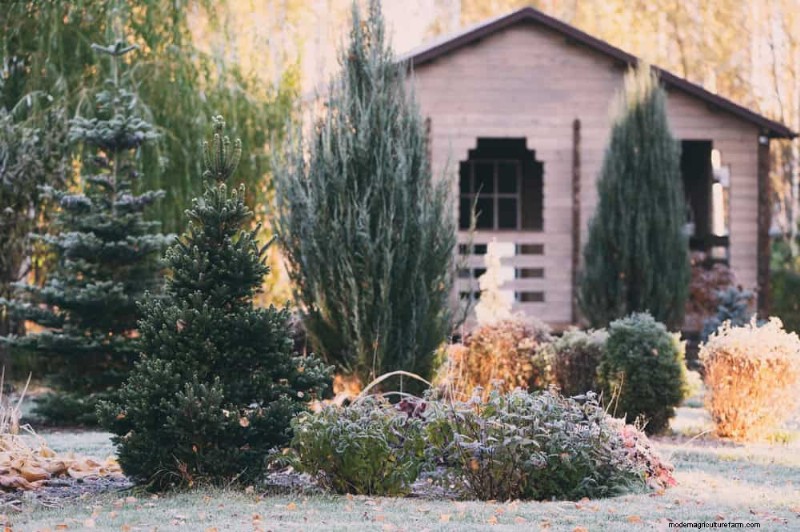
Knowing your USDA hardiness zone is essential before you start winterizing your garden. This will help you determine which plants are best suited for your area and how to care for them during winter. You can find your hardiness zone by visiting the USDA Plant Hardiness Zone Map.
 Shutterstock
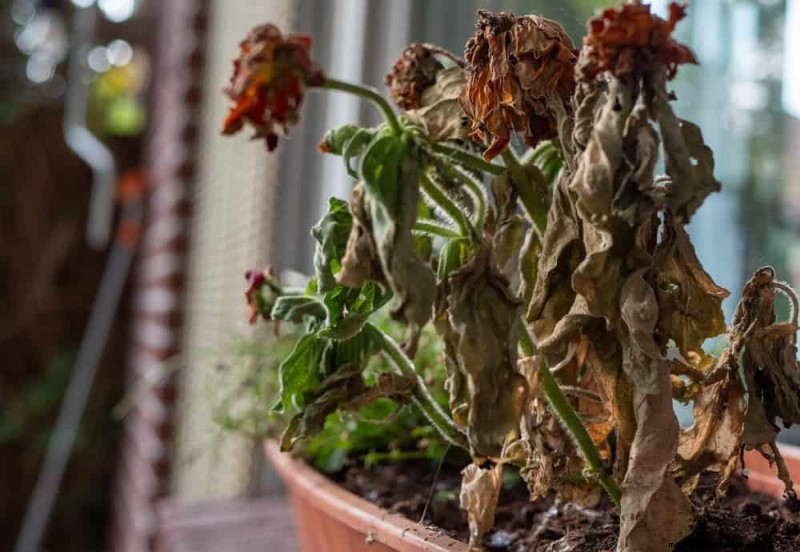
Dead annuals can attract pests and diseases, so removing them from your garden before winter sets in is important. This is because as temperatures drop, many garden pests will seek shelter in these dead plant materials. So, be sure to pull up any dead annuals and dispose of them in the trash.
You can also put them in compost, but generally, experts advise against this as it can reintroduce pests or pathogens to your garden.
 Shutterstock
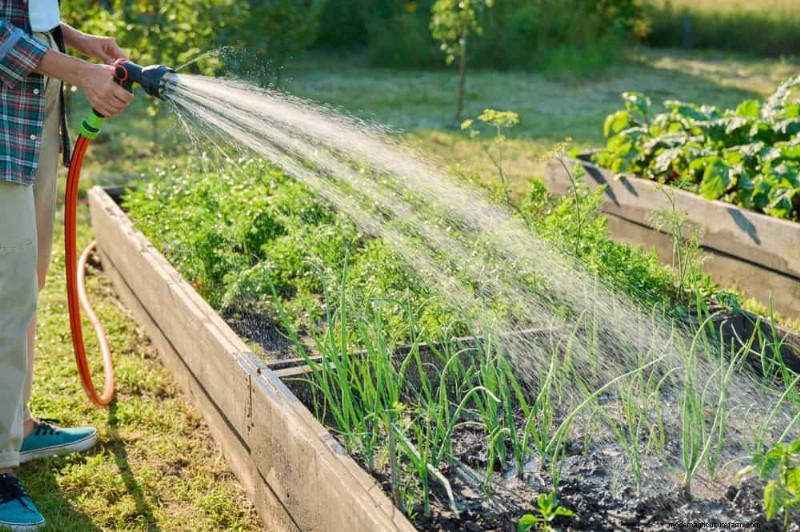
Paying attention to the soil is also crucial. You’ll want to keep your soil moist before the ground freezes. This will help protect your plant’s roots from the cold and prevent them from drying out. Water your garden deeply and thoroughly before the first hard freeze.
Consider watering every seven to 10 days to maintain adequate soil moisture, ensuring the health and resilience of your garden through winter.
 Shutterstock
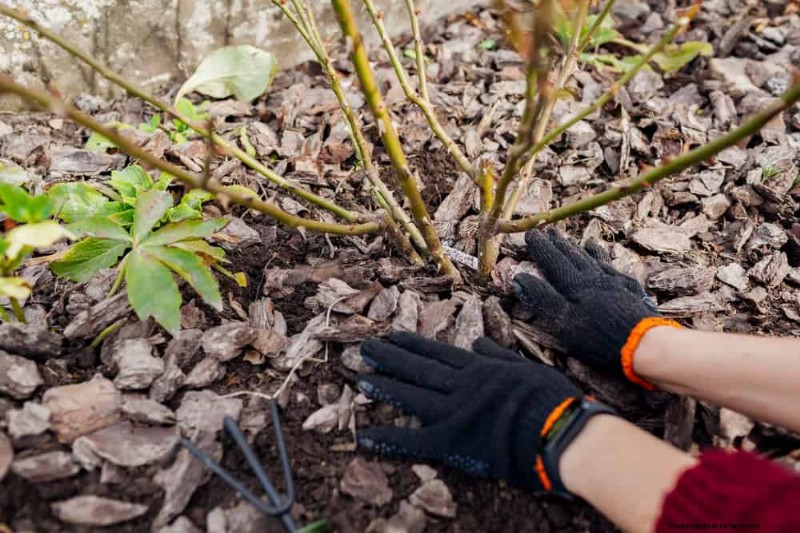
Mulching your garden is a great way to insulate and protect your plants from the cold. Apply a layer of mulch around the base of your plants to help regulate soil temperature and retain moisture. Use at least 3 inches of mulched leaves, straw, and wood chips. Learn more about the benefits of fall mulching to safeguard your garden through winter.
 Shutterstock
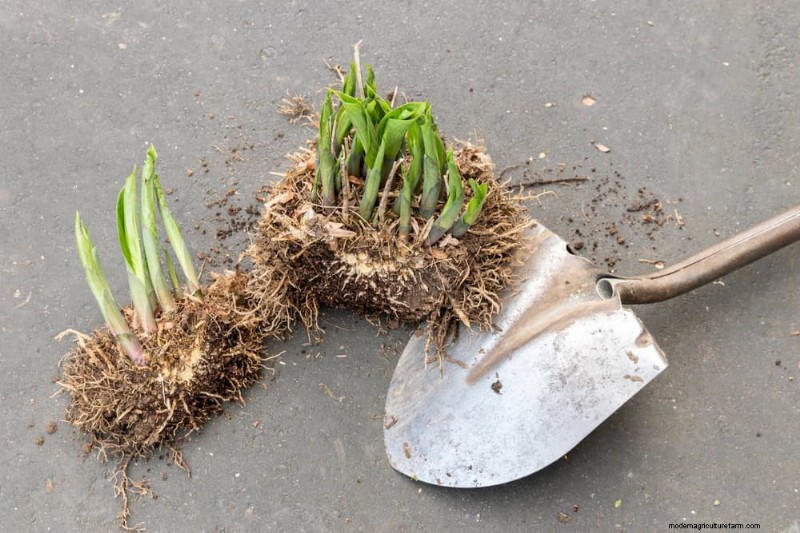
If you have perennial plants, fall is a great time to divide them to help them grow stronger and healthier in the spring. Use a sharp shovel to dig up and divide the plants into smaller sections with healthy shoots and roots, ideally four to six weeks before the ground freezes.
This especially benefits spring and early-summer bloomers, addresses overcrowding, and sets the stage for a thriving garden in the coming year.
 Shutterstock
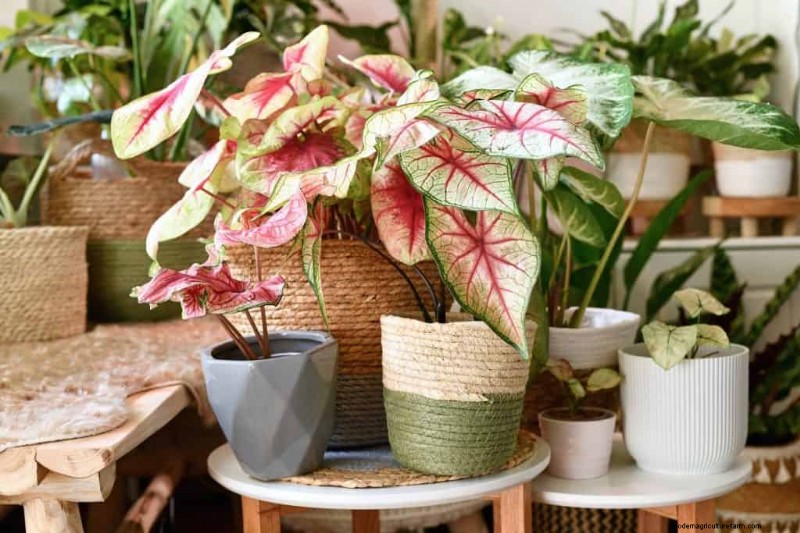
Bringing potted plants indoors before the first hard freeze is a good idea, as they’re more susceptible to cold damage than plants in the ground. The limited insulation of pots leaves the roots exposed and unable to access the earth’s natural warmth, making them particularly vulnerable to freezing temperatures.
 Shutterstock
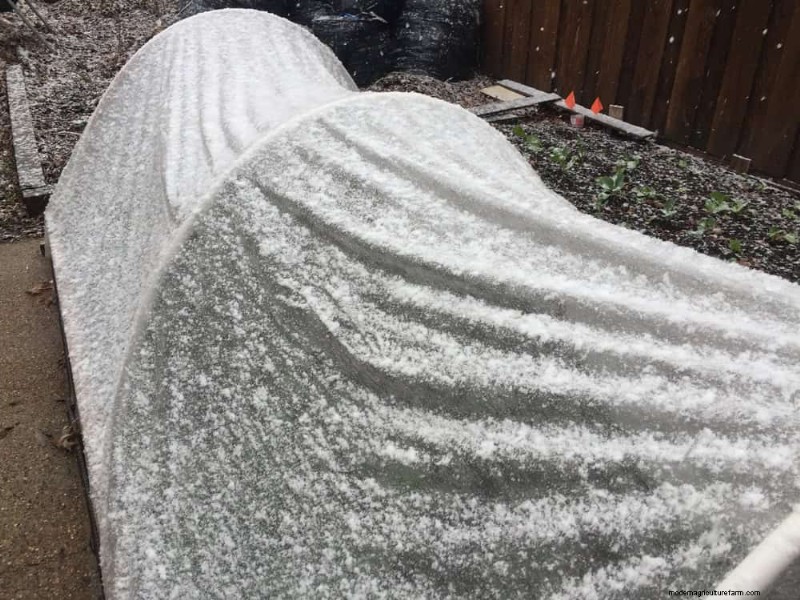
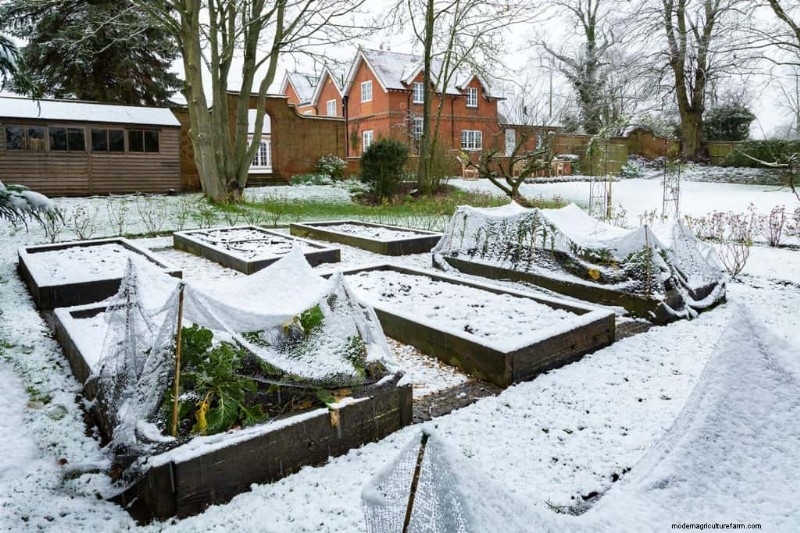
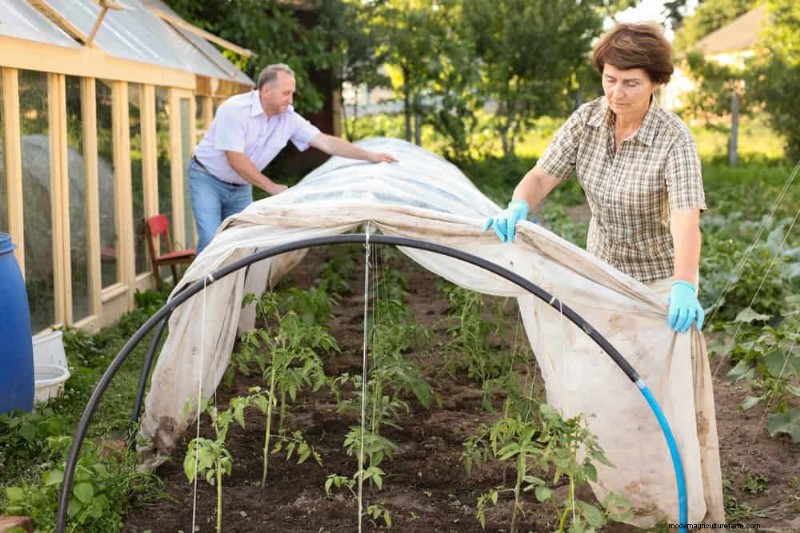
Covering your garden bed can help protect your plants from the cold and prevent them from drying out. You can use a frost blanket or row cover, like the one shown above, to cover your garden bed before the first hard freeze. Ensure the cover is secured tightly to the ground to prevent wind from getting underneath.
 Shutterstock
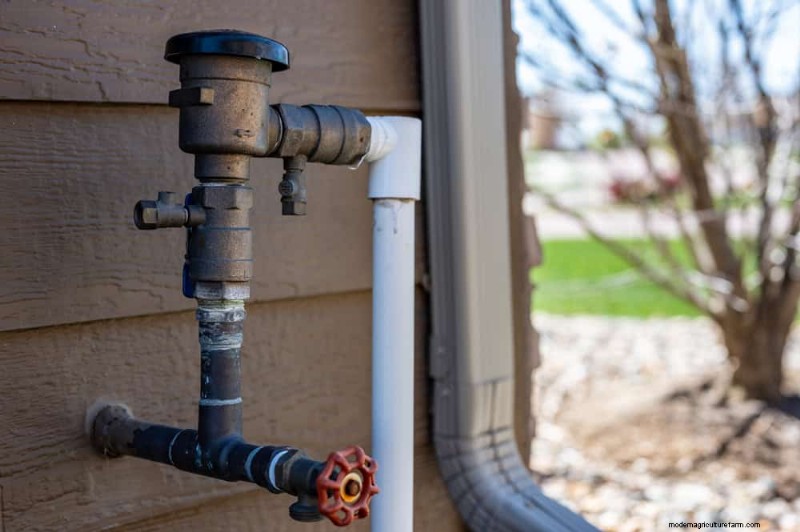
If you have a sprinkler system in your garden, it’s important to winterize it before the first hard freeze. Turn off the water supply and drain the system to prevent water from freezing and damaging the pipes. Properly winterizing your sprinklers is crucial to avoid the risk of pipe bursts or cracks due to ice expansion, ensuring your system is operational for the next season.
 Shutterstock
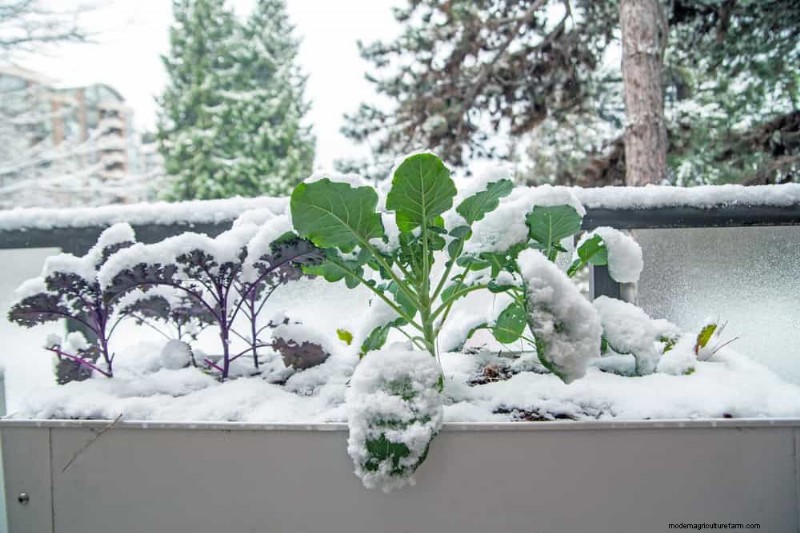
Choosing cold-hardy plants is key to ensuring that your garden survives the winter. Look for plants that are native to your area and are known to be cold-tolerant. Some examples include kale, spinach, and garlic. Want to make sure your garden thrives well in winter? Learn which common winter gardening mistakes to avoid here.
 Shutterstock
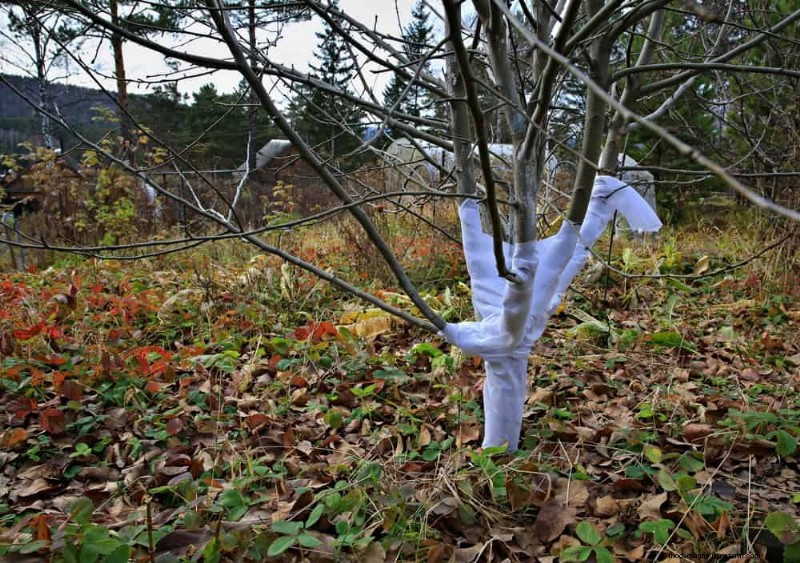
With winter’s arrival, it’s time to ensure your trees are ready to face the cold. Here’s how you can protect them: Prevent damage from heavy snow and ice by wrapping smaller trees or tying leaders. Proper pruning can also reduce the risk of branch breakage.
 Shutterstock
Different vegetables require specific attention during this period. But to help make your task easier, here are some straightforward steps to winterize your vegetable garden effectively.
 Shutterstock
Planting cover crops like clover or winter rye can protect the soil from erosion, improve soil health, and add nutrients when tilled into the soil in spring.
 Shutterstock
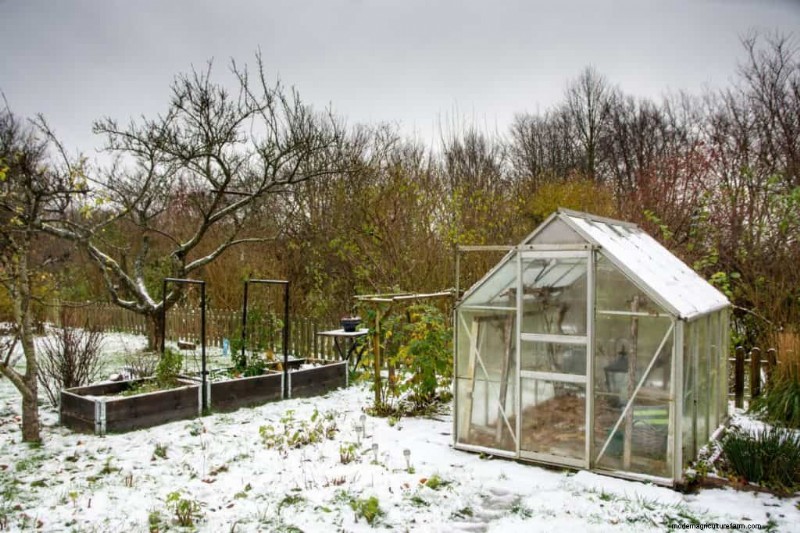
Use cold frames or a greenhouse to extend the growing season for specific vegetables and protect them from frost.
 Shutterstock
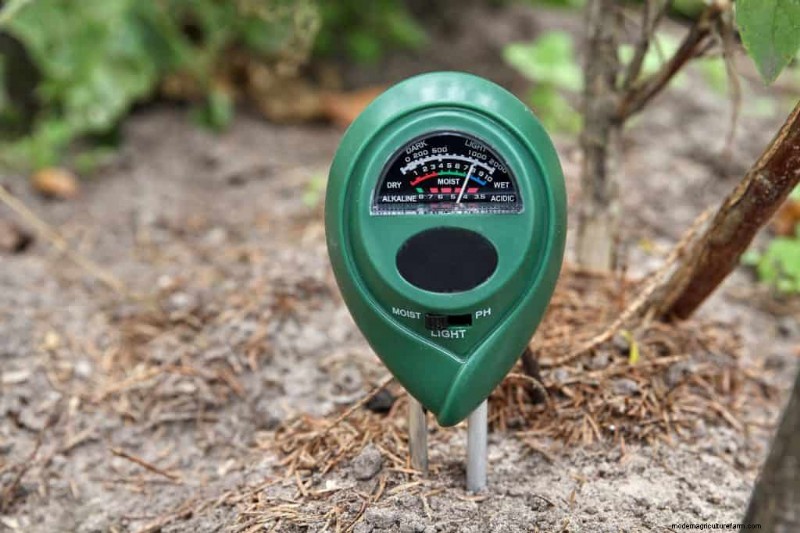
Winter is a good time to test your soil and make necessary changes, such as adding compost or lime and preparing the ground for spring planting.
 Shutterstock
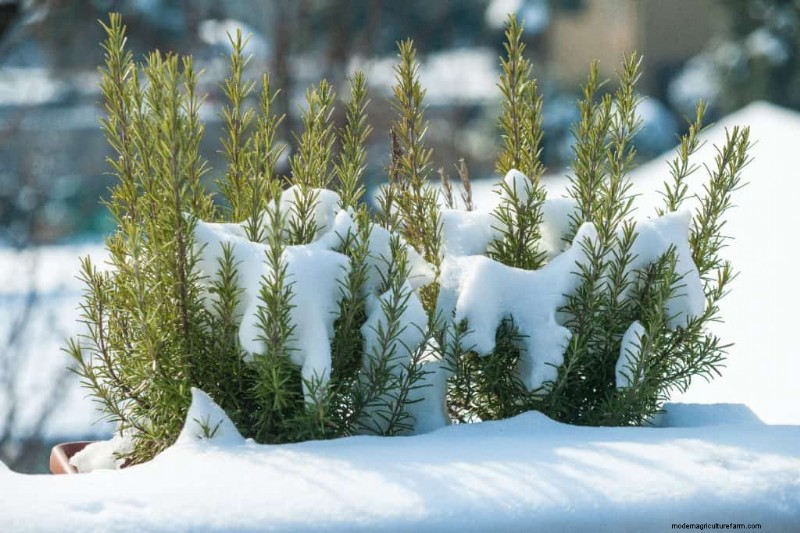
Just like other plants, herbs have different levels of coping with winter. Some herbs are tough and can handle the cold pretty well, but others are more delicate and need more attention during the colder months. Here’s how to care for them.
 Shutterstock
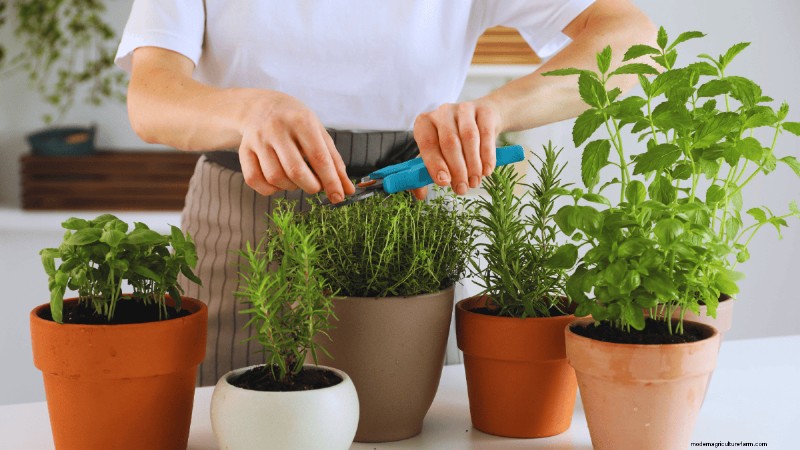
For tender herbs, consider transplanting them into pots and bringing them indoors, near a sunny window.
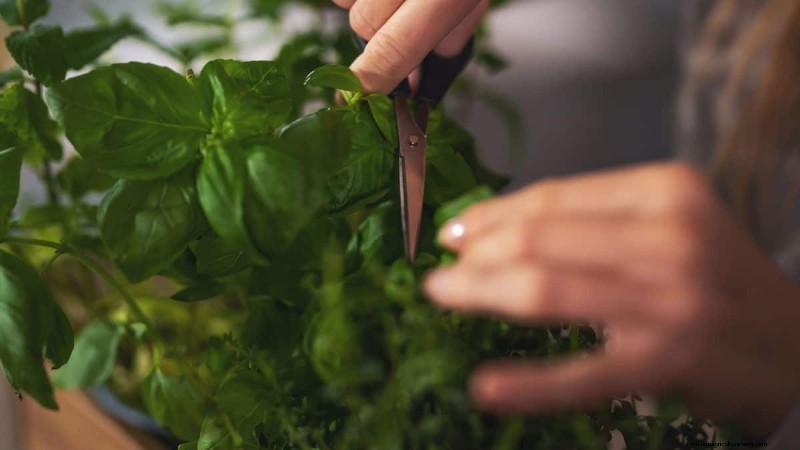
Prune back perennial herbs to encourage strong growth in spring. Also, harvest and dry any remaining herbs for use during the winter months.
 Shutterstock
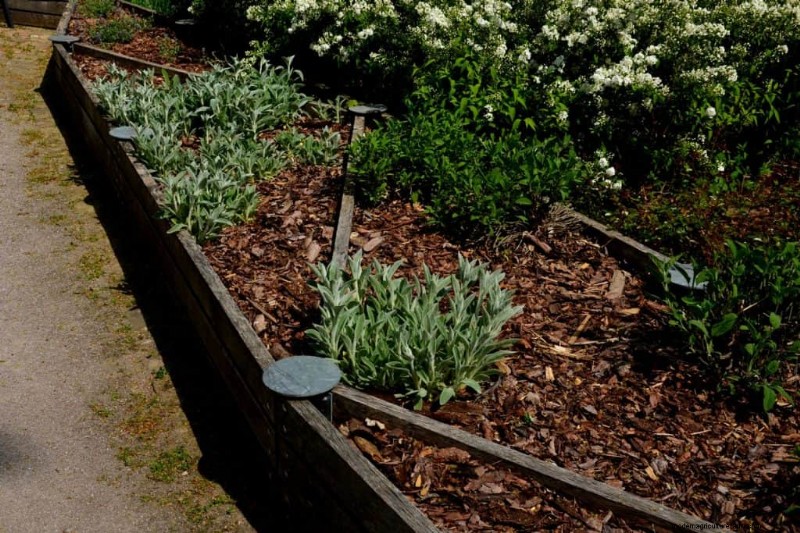
For hardy herbs left outdoors, apply a layer of mulch to protect their roots from freezing temperatures.
 Shutterstock
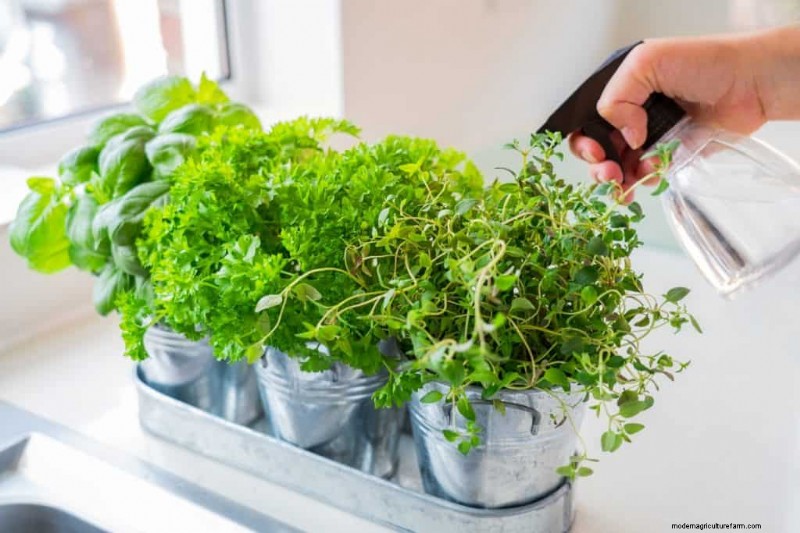
Water your herbs sparingly in winter, as overwatering can be more detrimental during the cold months when the plants are less active.
 Shutterstock
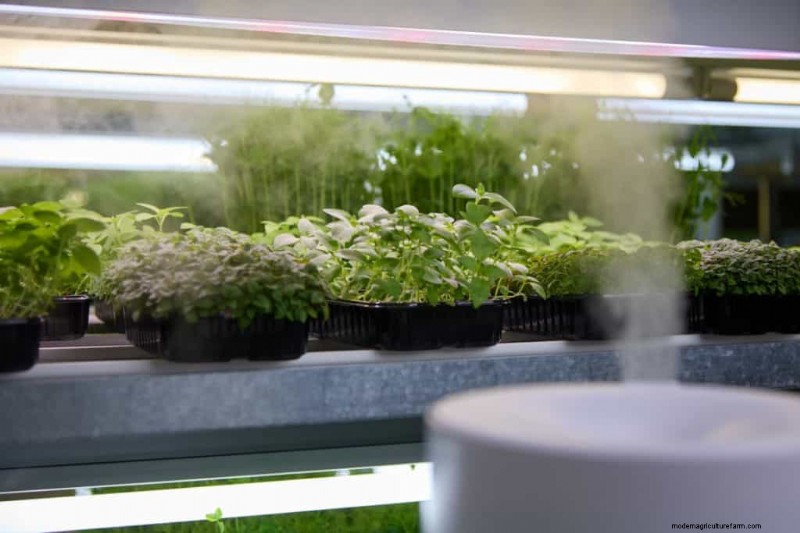
If you’re growing herbs in a greenhouse, ensure adequate ventilation and heating to maintain a consistent temperature suitable for their growth.
 Shutterstock
Congratulations on effectively winterizing your garden! By adhering to the valuable strategies outlined in our guide, you have taken significant steps to protect your garden through the cold months. This preparation paves the way for your plants to thrive and rebound with vigor as the spring season emerges.


