
Welcome to Modern Agriculture!

Introduction to Lettuce seed germination
Growing Lettuce from seed is relatively easy. Lettuce is ideally suited to indoor gardening as it prefers mild temperature ranges and grows quickly. Growing Lettuce indoors allows you to give a huge variety of fresh, crispy homegrown Lettuce year-round. It is an easy-going, low maintenance vegetable to plant. It must be fine with whatever soil you choose, though you should use fresh soil. Reusing old soil can introduce bacteria and nasty insects that could damage fresh Lettuce plants. In this article we also discussed below topics;
You can grow Lettuce plants quickly and easily in pots. Because Lettuce plant thrives in room temperature conditions with direct sunlight, it adapts well to indoor conditions and can survive with basic care. Even if you’ve never grown a plant indoors before, all you need is standard potting soil, water, fertilizer, and a grow light or sunny window to help your Lettuce plant grow strong.
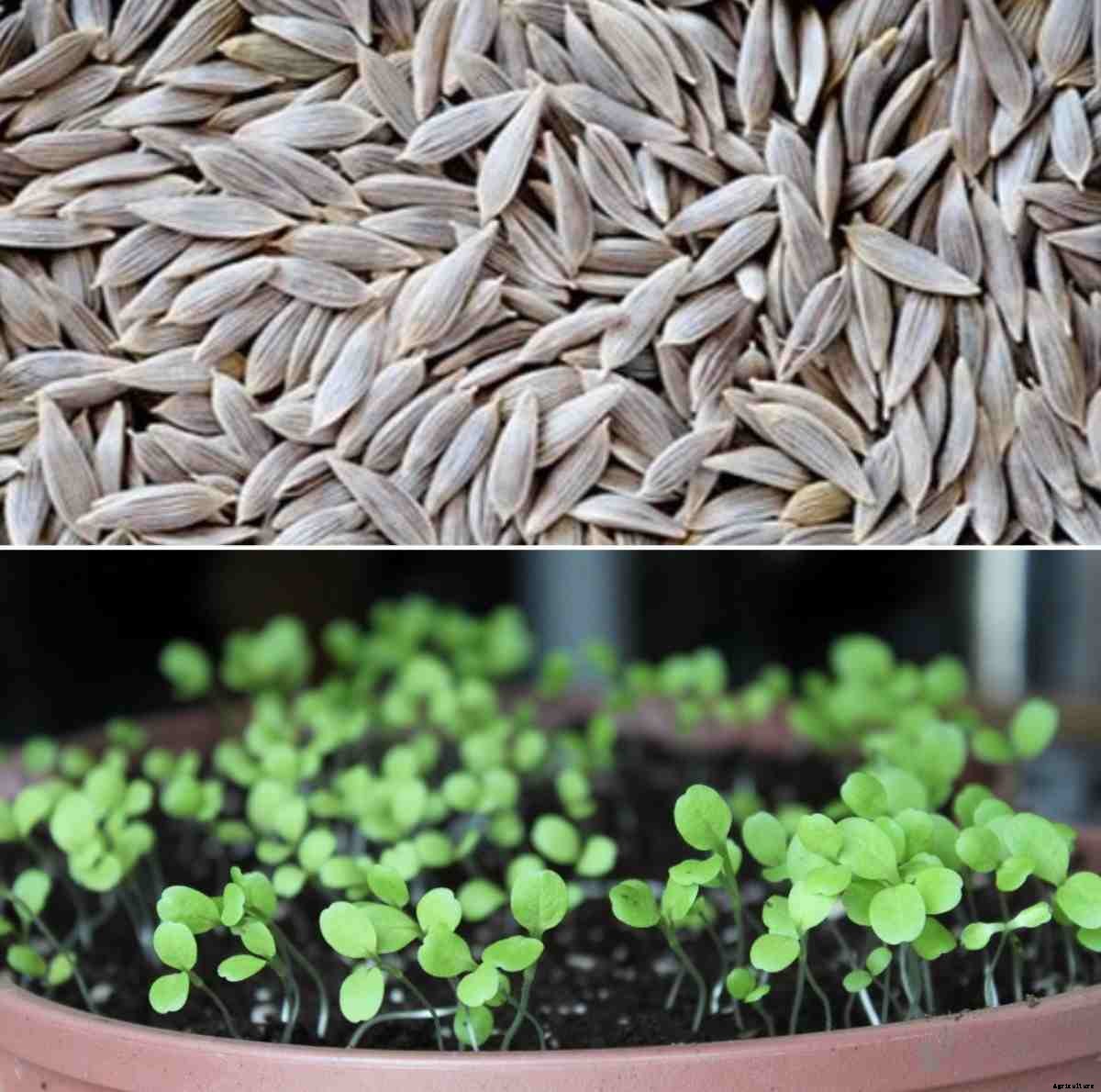
When it comes to choosing seeds, some plant varieties are better suited to indoor growing. Look for loose-leaf plant varieties, such as Baby Oakleaf, Tom Thumb, and Black-Seeded Simpson. Some plant varieties are known to grow well in winter light, such as Arctic King, Winter Marvel, and Winter Density. You can try growing other salad bowl favorites, such as spinach, arugula, and mesclun. Avoid head Lettuces, which are difficult to grow indoor conditions.
Lettuce seeds are mainly available to purchase anywhere you can buy reputable seed. This includes local home and garden centers, nurseries, and online retailers. Seeds can be purchased in single variety packets or as a seed starting mixes.
Ideal temperature plays a very important role in the germination of any seed and for Lettuce, the temperature has to be lower. Otherwise, Lettuce seed goes into dormancy. Ideally, if the temperature range is below 20°C the germination rate is good.
Lettuce seeds usually take 7 to 10 days to germinate. It mainly depends on the variety, the temperature, the moisture, and other factors. During the seed germination process, make sure that your plants are getting the right amount of sunlight, the soil is consistently moist, and the temperature is maintained between 15-20°C.
Lettuce seed needs light to germinate and grow successfully. Daylight is one of the main reasons to direct-seed Lettuce into the ground. If you start Lettuce seeds inside, you will need a sunny window that receives direct light or a grow-light.
In case if you miss this: Radish Seed Germination, Time, Temperature, Procedure.
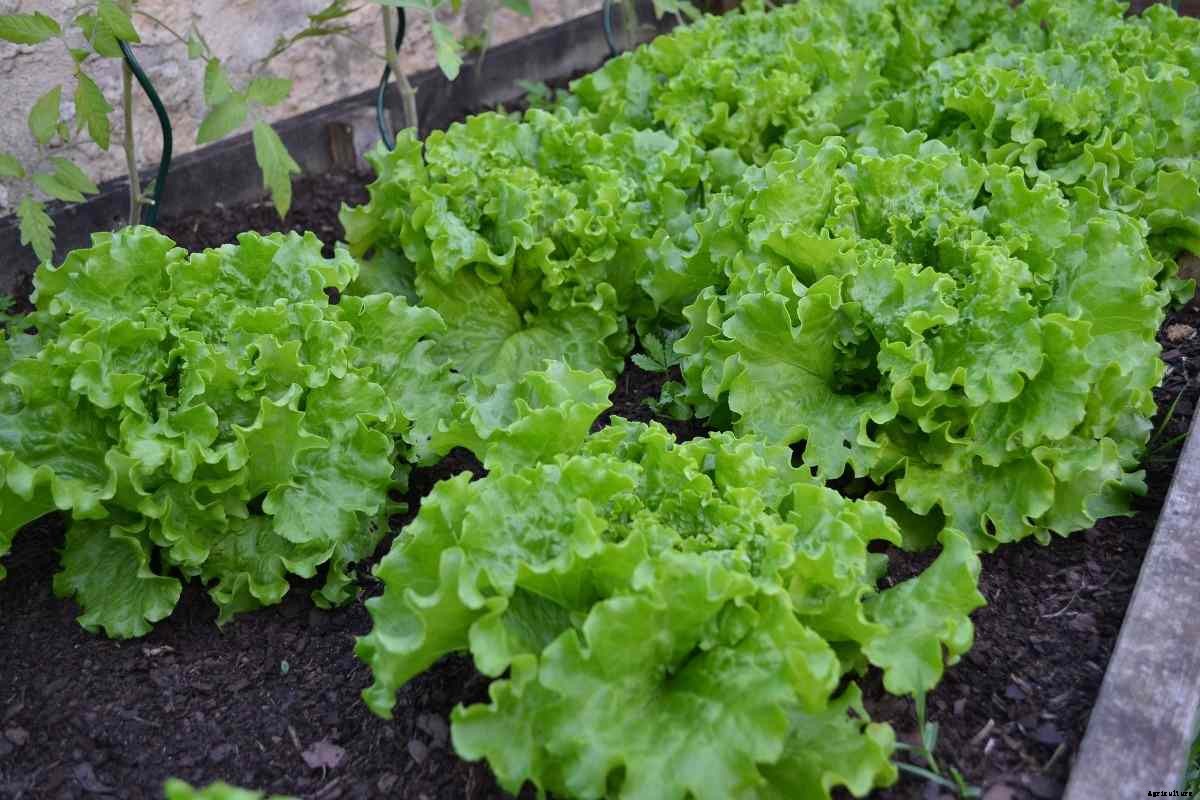
Plant out Lettuce seeds in early spring once the frosts have gone. Lettuce grows best in sheltered areas with a few hours of direct sunlight. Sow Lettuce seed ¼ to ½ inch deep.
Sow Lettuce seeds 4 inches apart; later thin seedlings according to type; leaf, 6-9 inches apart; head, 10-12 inches apart. Make sure there is good air circulation around maturing Lettuce plants to avoid disease.
For sowing lettuce seeds, drop a small number of Lettuce seeds into one hand, then pinch the seed between your forefinger and thumb of the other hand. Drop the Lettuce seeds thinly over the soil. Lettuce seeds are tiny, and they require light to germinate, so cover the seeds lightly never more than 1/4 inches with potting medium. Then spray with water until thoroughly moist and mist every morning to keep the medium moist at all times. Seeds will germinate in 7 to 10 days, depending on the type.
You may also be interested in Growing Hydroponic Fenugreek.
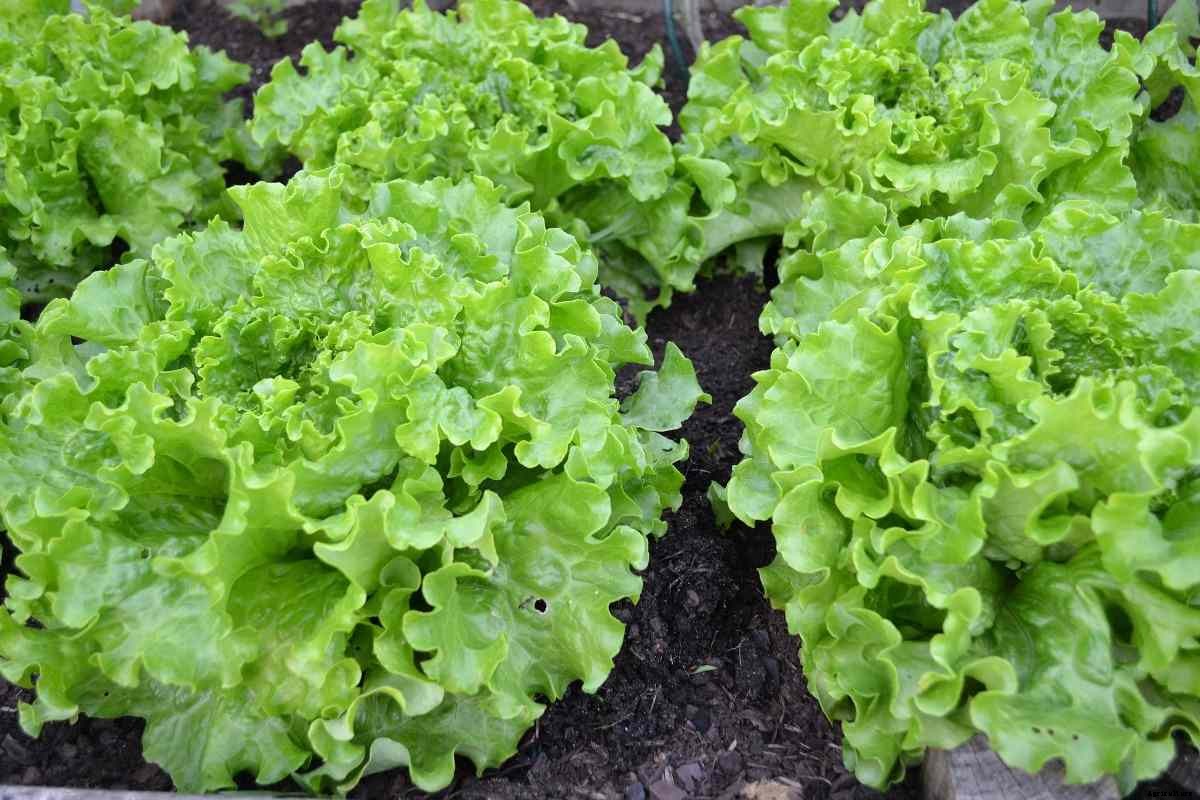
Plant your Lettuce seeds approximately 1 inch apart. Dig a 4–6 inches deep hole and place your seeds inside at about 1 inch apart. Limit your Lettuce seeds to 4 per pot to avoid overcrowding the Lettuce as it grows. If you want to plant more than 4 seeds, then prepare several pots ahead of time.
There are mainly two ways to plant Lettuce seeds;
When direct seeding heading types of Lettuce in rows, space the seeds 2 inches apart with rows 12 to 18 inches apart, depending on the variety. Don’t sow the seeds too deeply as they need light to germinate and cover them with a thin layer of soil. Once the seedlings are growing well, thin to 10 to 12 inches. Then, Lettuce ready to be transplanted in a garden
When transplanting Lettuce into garden beds or containers, typically plant in a grid pattern, spacing each seedling about 10 inches apart. If transplanting in rows, space seedlings 10 to 12 inches apart and rows 12 to 18 inches apart, depending on the mature size of the variety. Check your Lettuce seed packet for specific spacing instructions.
Carefully move the container into a bright space or, if you’re gardening in a hot climate, a cool and shady corner. Check daily and water as necessary to maintain good and evenly moist conditions. Seedlings usually take 7 to 10 days to germinate.
Once the seedlings appear you will probably want to thin them out a little. Remove some of the Lettuce seedlings so that those remaining are spaced a minimum of an inch (2.5cm) apart.
Lettuce plant has a self-fertilizing blossom so it will not cross-pollinate with nearby neighbors. Just so you know, there is a risk of cross-pollinating with wild varieties of Lettuce plants like the dandelion, if you allow your plants to bolt. Remember bolting will make the plant leaves bitter. You’ll see the straight stalk shoot up and this will produce beautiful yellow flowers that will mature into seeds.
Once the flowers produce their seeds, you can put a paper bag over the stalk and shake it well. By doing this every few days, the mature Lettuce seeds are gathered and the immature seeds remain on the plant until they’re ready. You can stop collecting Lettuce seeds when you have all you want, but pull the plants.
Another method is to allow about half of the seeds to develop then remove the entire Lettuce plant. You can put it on a drop cloth are in a bucket. This will allow you to catch the seeds that fall and the remaining seeds should go ahead and then reach maturity. A 1/8 inch screen works well to separate the Lettuce seeds from plant debris. When stored in a cool dry place, Lettuce seeds will generally remain viable for up to 3 years.
Begin harvesting your Lettuce 30 to 45 days after planting. On average, Lettuce takes about 30-45 days after you plant the seeds to mature. Indoor plants grow and mature continually, so you can continue harvesting your plant after you’ve picked it for the first time. Mature indoor Lettuce generally grows to about 4 inches tall. Harvest Lettuce in the morning. Morning is when your Lettuce plant’s most hydrated and at its strongest. If possible, harvest plants before the late morning or afternoon to attain a healthier yield. If you can’t harvest in the morning, avoid mid-to-late afternoon, which is when your Lettuce plant’s least hydrated.
Gardeners sometimes germinate seeds, such as lettuce seeds, indoors by using a paper towel. This is an easy method to test the viability of seeds that have been in storage for more than a year. It is also a cheaper alternative to germinating seeds in seed trays, particularly when temperatures are too warm or cold outside to sow seeds directly in the garden. Expect lettuce seeds take about 7 to 10 days to germinate. And, you can transplant the small seedlings after the root emerges.

Brown or black spots on Lettuce could be caused by a process called russet spotting. This happens when Lettuce plant is exposed to low concentrations of ethylene, a plant hormone that’s released as a gas.
Cover the Lettuce seeds with ¼ to ½ inch of soil and water thoroughly at the time of transplanting. Consider planting rows of chives or garlic between your Lettuces to control aphids. Then, they act as “barrier plants” for the Lettuce.
Lettuce seeds won’t sprout when soil temperature ranges are above 26°C but they will start to germinate as low as 4°C, making it ideal for early and late season planting. A plant hormone is produced under warm conditions that stop the seed germination process, called “thermo-inhibition”.
In general, 2 to 3 seeds should be planted per hole. Lettuce seeds do not have 100% germination rates, so not every seed planted will sprout.
You can check this if you are interested in Soybean Seed Germination, Time, Temperature, Process.


