
Welcome to Modern Agriculture!

Introduction to Sunflower seed germination: The Sunflower is a living annual plant in the Asteraceae family. The Sunflower is the top five crops in the world for the production of edible vegetable oil. The cultivation of Sunflower has significantly increased in recent years, mostly due to the quality of its oil, which is useful for human consumption and production of biodiesel.
Well-draining soil is essential for Sunflower cultivation. If soil is heavy, mix in up to 4 inches of compost. Then, add nutrients to the soil with a complete fertilizer before planting. Mix compost and fertilizer into the top 6 inches of your garden bed. Slightly acidic soil with a pH level between 6.0 and 7.5 is ideal. A home soil test can help you determine what garden soil needs. Sunflowers are an easy plant to start from seed, germinating very quickly under the right conditions and growing rapidly. In this article we also discussed below topics;
In case if you miss this: Groundnut Seed Germination, Time, Temperature, Process.
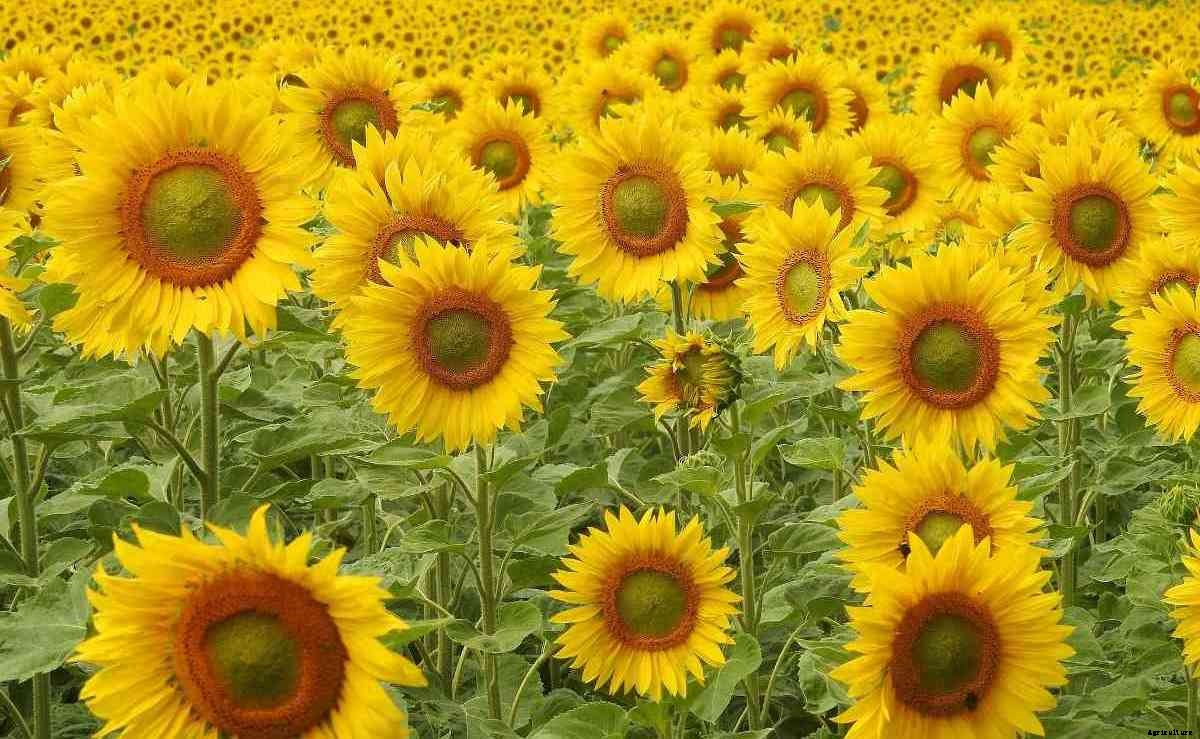
Sunflowers are sun worshipers that grow best in spots that get 6 to 8 hours of direct sun per day. They have long tap roots that need to go several feet into the ground, so plants prefer loose, well-drained, somewhat alkaline soil with a pH level of 6.0 to 7.5. Sunflowers are heavy feeders, so they’ll be healthiest and generate the most blooms in nutrient-rich soil that has had compost or organic matter mixed into it.
Many different tillage systems could be used effectively for Sunflower production. Conventional systems of seedbed preparation contain moldboard plowing or chisel plowing to invert residue and secondary field operations. Conventional systems have been shown to increase the availability and develop the distribution of potassium and nitrogen and to increase the seed zone temperatures. Though, the risk of erosion and expense of the several tillage operations has led to greater interest in minimum or ridge tillage systems.
Both seed germination percentage and lodging have been shown to increase in ridge-till systems. And several tillage systems have been used with some success in specific environments. Major considerations are given below;
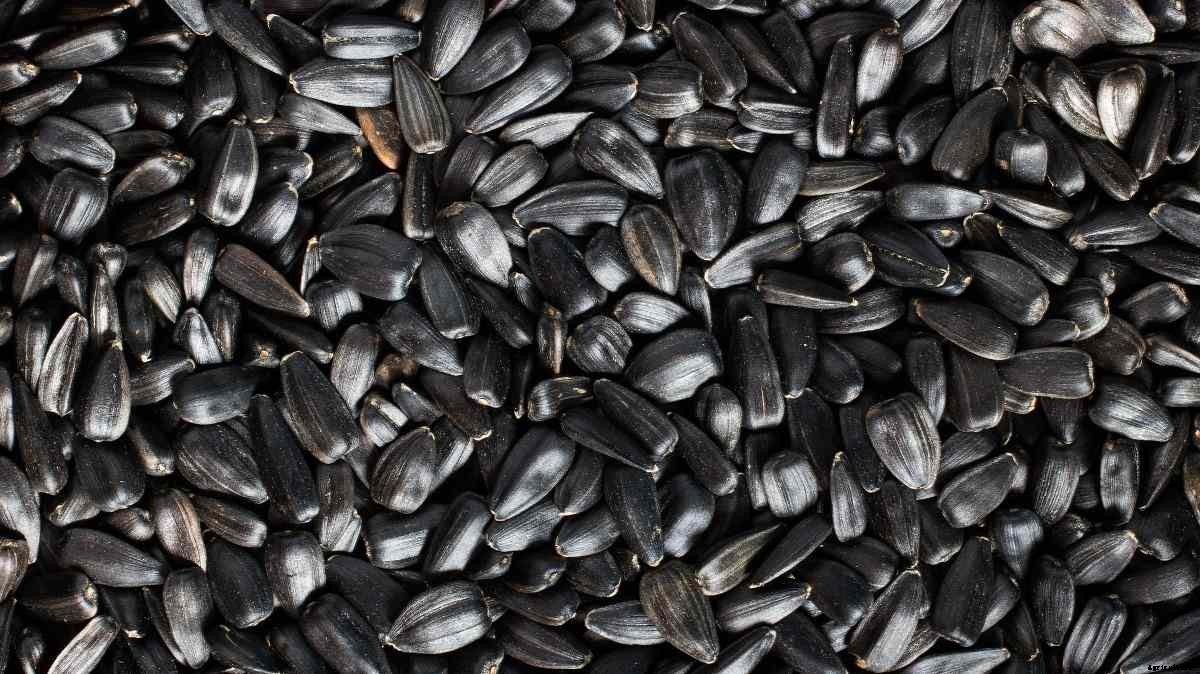
If you are thinking of sowing Sunflower seeds directly in the soil you will want to do this in mid-April. Make sure you put the seeds carefully in the ground and cover the seed with soil. Make sure you water the newly planted Sunflower seeds.
You should not miss the Basic Steps of Organic Farming.
Space Sunflower seeds about 6 inches apart in a shallow trench between 1 and 2 inches deep. In sandy soil, 2 inches deep is better. Cover and keep watered until Sunflower seeds sprout in 7 to 10 days. Then, place the Sunflower seeds at a depth of 3 cm along the furrows in which the fertilizer mixture is placed and cover with soil. Put 2 seeds per hole.
The seed rate is the number of seeds planted per hectare (ha) to ensure a normal density of sprouts and a maximum crop yield. The seed rate is 8 to 10kg of well-filled seeds per hectare.
Soaking seeds in 2% ZnSO4 for 12 hrs and shade drying is recommended for rain-fed sowing.
Treat the Sunflower seed with Trichoderma @4g/kg. This can be done just before sowing. It is compatible with biofertilizers. Then, such seeds should not be treated with fungicides.
Treat the Sunflower seeds with Carbendazim or Thiram at 2 g/kg of seed. Then, treat the seeds 24 hours before sowing.
Seeds dried to 8 to 9% moisture content, treated with Thiram @ 2g/kg, and packed in poly-lined cloth bag can store up to 9 months with 70% germination.
Sunflower seeds planted either indoors or outdoors require a minimum soil temperature of 7 to 10°C to stimulate germination. Seeds can germinate in a soil temperature lower than 7°C, but the germination rate significantly drops.
Sunflower seeds are planted a one-half inch deep and Sunflowers are an oil-rich seed, they require slightly more water for germination than many other seeds. This requires watering the ground thoroughly outdoors after planting and not allowing the soil to dry out completely until seed germination occurs. Indoors, the soilless media is completely saturated and also allowed to drain before 2 or 3 seeds are planted in each pot. Then, covering the pots with clear plastic wrap slows evaporation.
Sunflowers germinate best at a soil temperature of 21 to 29°C. Outdoor planting time is several weeks after the last spring frost when the soil has warmed thoroughly. Indoors, a heating mat under the pots can raise the soil temperature to at least 21°C. The Sunflower seeds will sprout in 10 to 14 days outdoors. Indoors, where the growing environment can be more closely controlled, germination often takes place in 6 to 10 days.
You can also check the Management of Plant Bacterial Diseases and Control.
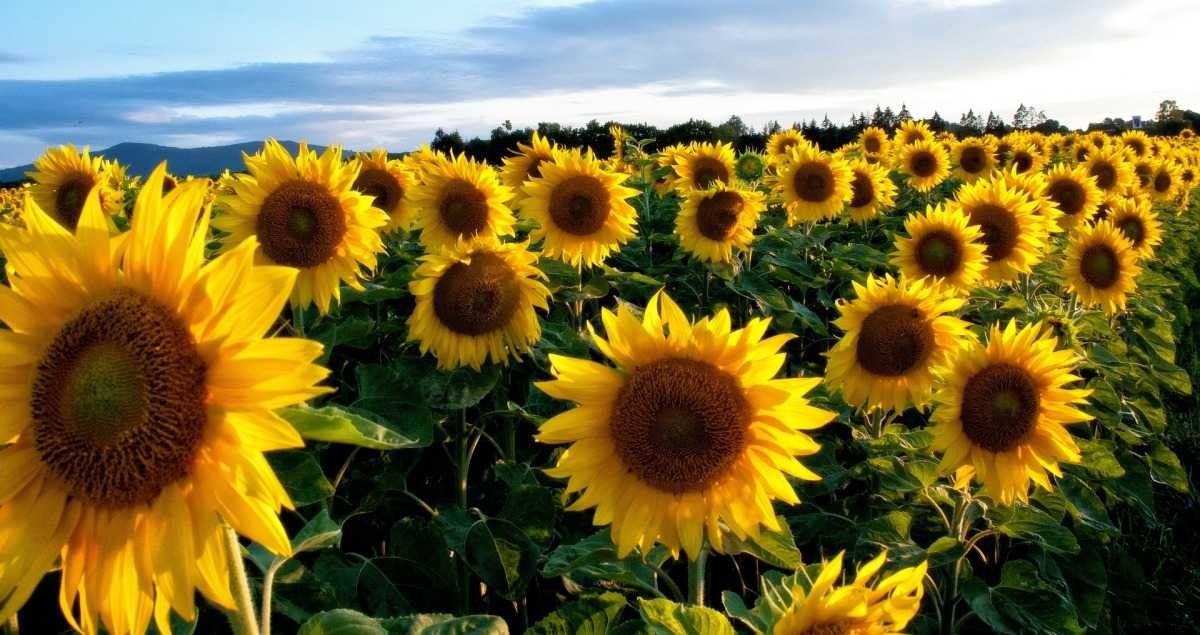
Sunflower seeds do not need light for germination. The plants grown indoors in pots, the plastic wrap is removed at the first sign of germination and the uncovered pots are located in bright, indirect light. Outdoors, thinning small varieties to 6 inches apart and large varieties to about 3 feet apart allows ample light and airflow around Sunflower seedlings.
Once you plant Sunflower seeds, the germination phase of the flower’s life cycle will begin. This phase takes up to 8 days. During germination, plant roots will develop from the seed and a shoot will push through the surface of the soil. The shoot is looking for sunlight because all plants require sunlight to grow. Germination occurs from mid-April to late-May, depending on when you plant your seeds.
Different Sunflowers need different planting depths and spacing. How to grow Sunflowers from seed and how deep to plant Sunflower seeds depends on specific Sunflower cultivar. In general, plant seeds at least 1/2 inch deep. Space seeds 6 inches apart. If planting in rows, you’ll want about 2 to 3 feet between each row. Plants must be thinned out in a few weeks to the proper spacing. If soil temperatures are just right, Sunflower seedlings will sprout up in about 10 to 14 days.
Growing Sunflower seeds requires some space. To start Sunflowers indoors, plant 3 seeds per each 3- to 4-inch peat pot. A soilless planting media will give you the best drainage system. Indoor germination happens in 6 to 10 days. You can enjoy continuous blooms through summer by planting Sunflower seeds every couple of weeks. With consecutive plantings, you will have beautiful Sunflower blooms right up until the first frost of fall.
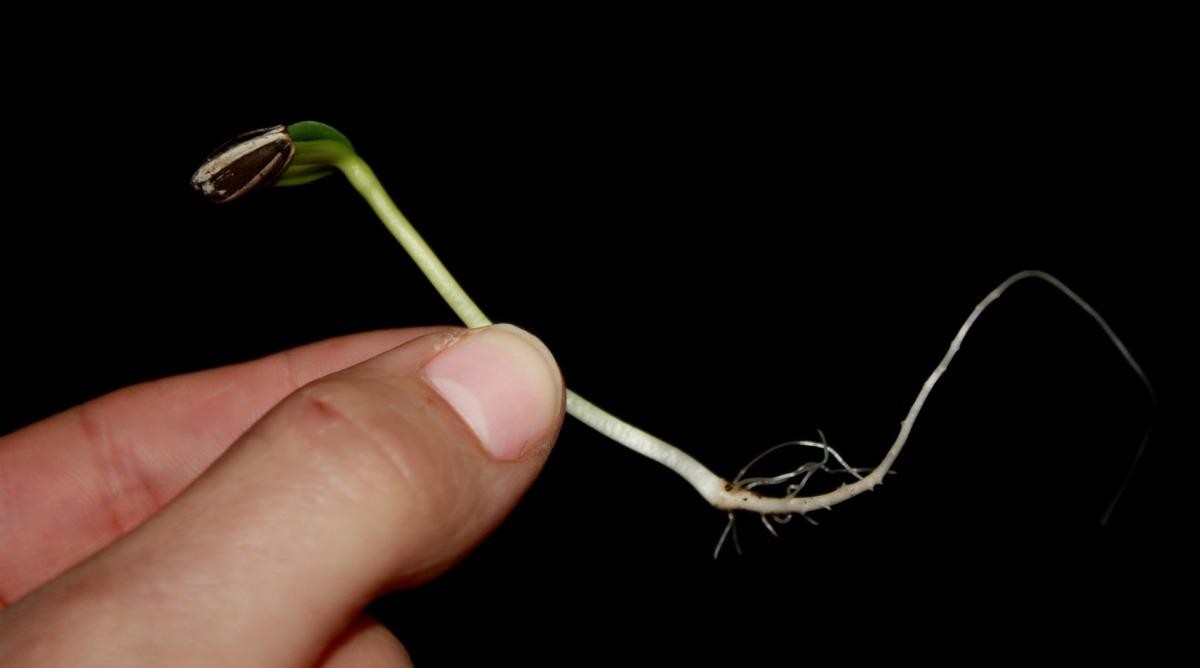
Once the Sunflower seedlings have their first set of true leaves, thin the seedlings to the recommended row spacing for variety. Small Sunflowers can require only 6 inches between each plant, while large varieties might need up to 3 feet. Closer spacing is possible for garden aesthetics, but crowded plants will produce smaller Sunflower flowers. Indoor Sunflower seedlings must be reduced to one seedling per cup. Simply select the strongest Sunflower and pinch back the others.
To harvest the seeds of Sunflower, wait until your Sunflower droops and turns brown. Then, cut the stem leaving 4 inches from the head of the Sunflower. You should store the Sunflower head upside down in a dry and breathable bag.
Your seeds must be ready to harvest within 110 to 125 days after you planted the flower. This means that if you planted seeds in May, your Sunflower will die in early or mid-August and you should have ready-to-harvest seeds in late-August or September. Because Sunflowers are annual plants, they should be replanted year after year.
You may also check the Food Processing Subsidy and Loan in India.
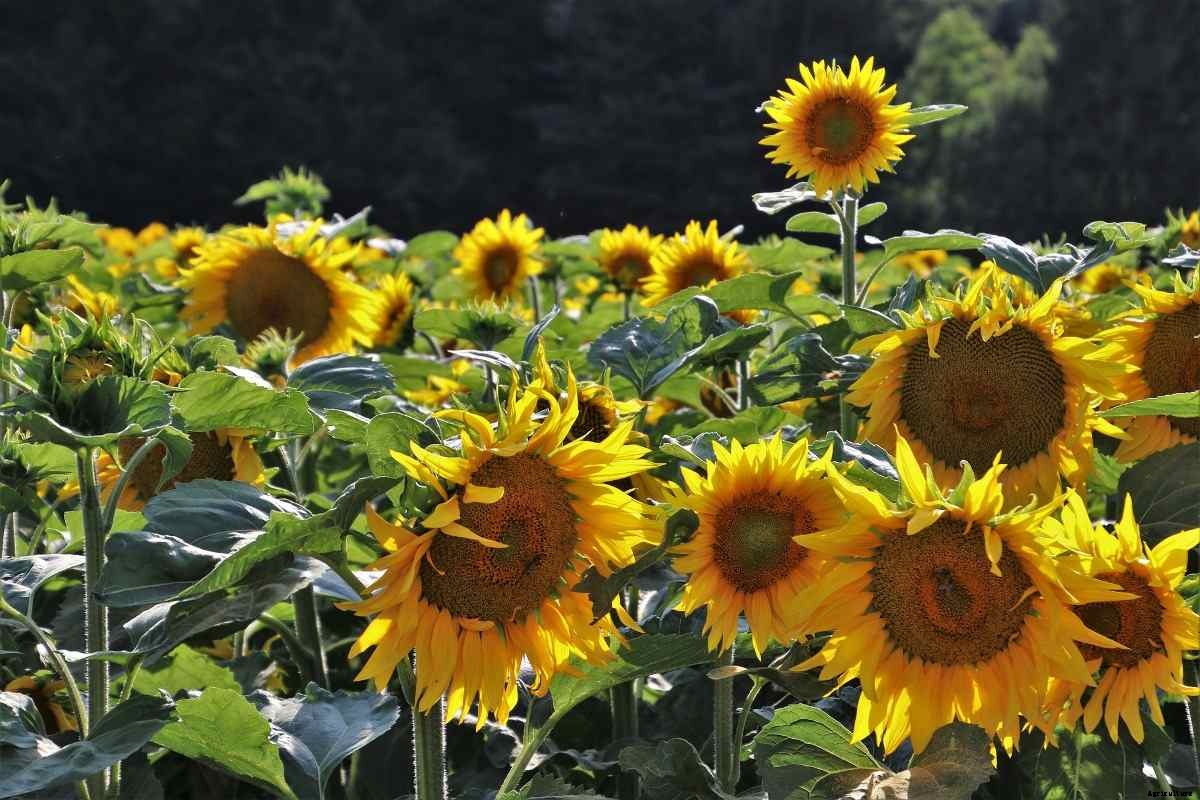
Sunflower plants grow quickly. Many can achieve up to 12 feet of growth in 3 months. With the proper growing conditions, Sunflowers must reach maturity in 70 to 100 days after planting.
Most Sunflowers are annuals and they germinate in late spring, bloom during the summer, and die back at the first frost of fall. When considering how to grow a Sunflower that lasts all summer, the best plan is to plant Sunflowers every few weeks to extend bloom time.
When Sunflower seedlings reach 4 to 5 inches in height, you must transplant them if the weather outside is favorable. Like other flowers, Sunflowers must not be transplanted outdoors until the chance of an overnight frost has passed for the season.
Harvest Sunflowers when their petals become dry and also begin to fall. The green base of the head will turn yellow and finally brown. Seeds will look plump and the seed coats will be fully black or black and white stripes depending on the plant variety.
With proper care, Sunflowers should last from 6 to 12 days. To maximize the vase life, look for Sunflowers that are just starting to fully open.
Water your Sunflower several times a week. Expect to water Sunflowers more often than you do other plants. Check the soil every day or two it must be constantly moist. Generally, give Sunflowers about 2 gallons of water a week.
Too dry and your seeds won’t germinate. Too wet and they’re liable to rot. Ensure that seeds are kept evenly moist by thoroughly wetting and draining the compost before you begin.
Generally, Sunflower seeds are sown about 1-inch deep, spacing the seeds 6 to 36-inches apart, depending on the variety. You can sow several seeds close together and remove the weaker ones after a few weeks. This is known as ‘thinning out’.
A good percentage of sunflower seed germination leads to a high yield of the crop. One must be aware of techniques for the sunflower seed germination process. You may also like Organic Hydroponics Gardening, Advantages, Problems.


