Welcome to Modern Agriculture!

Your plants can survive the winter looking great. And it often comes down to stopping a few easy-to-miss habits. These 15 mistakes show you exactly what trips most people up, so you can fix the problem before your leaves start dropping.
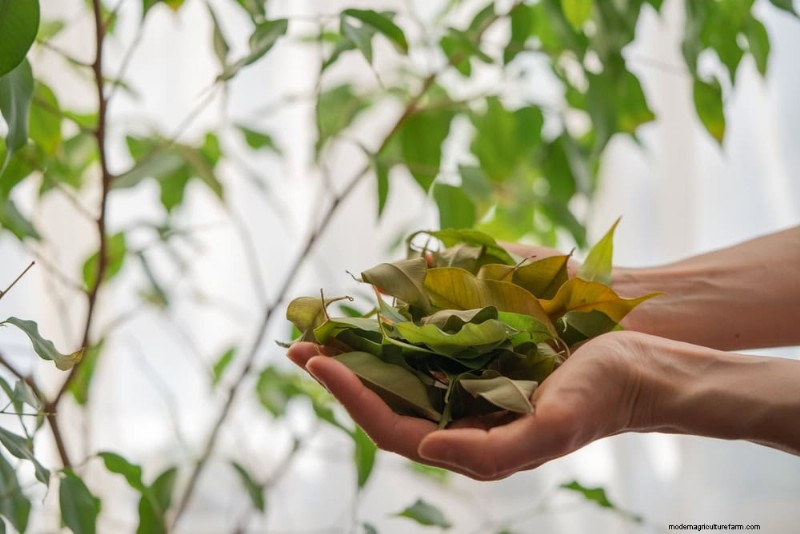
Winter changes everything indoors: light becomes weaker, air becomes drier, and heaters create sudden temperature swings. If your plants seem sad lately, you’re not failing; they’re just reacting to a new season.
Once you spot which of these 15 mistakes you might be making, a couple of small tweaks can keep your houseplants steady and happy until spring.
Most houseplants naturally slow their growth in winter. They need significantly less water than during active growing seasons. Continuing your summer watering schedule can lead to root rot and yellowing leaves.
Instead, check the soil before watering. Insert your finger about an inch deep, and only water when the soil feels dry to the touch.
Most plants will need watering about half as often as in summer. Succulents and cacti might only need water once a month.
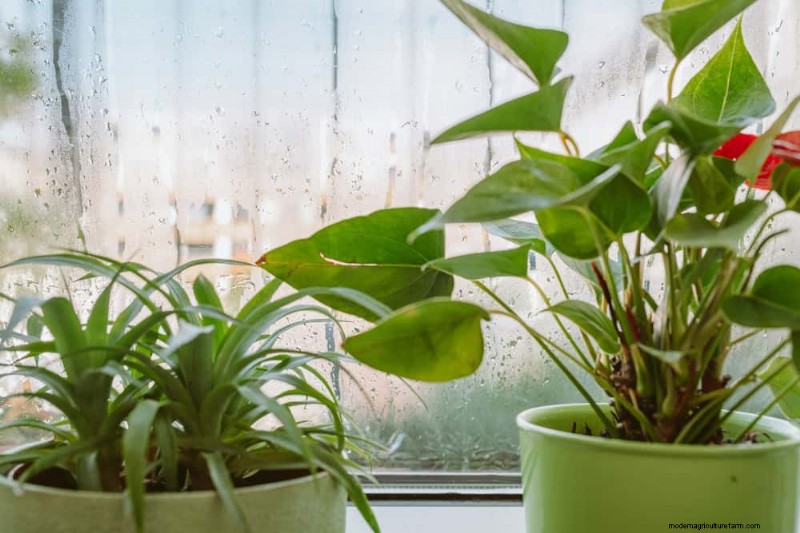
Windows become cold zones in winter, with temperatures that can shock tropical plants. Leaves touching cold glass can develop brown spots or die back. Cold drafts from doors opening and closing create similar problems.
Move plants at least 4-6 inches away from windows during winter months. Place a side table between the window and your plants, or elevate them on stands to keep them away from the coldest air.
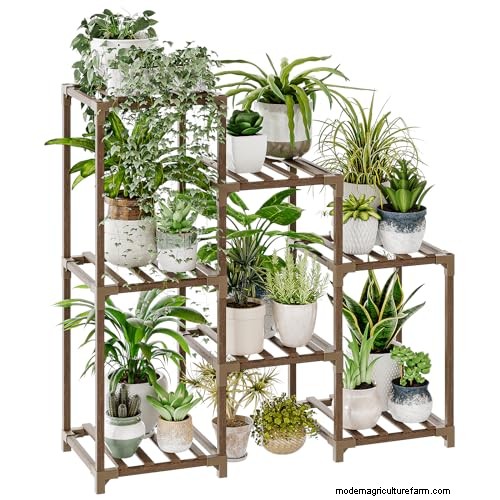
View on Amazon.
For doors, relocate plants to interior spaces where temperatures remain more stable.
We'll email it to you so you can read it later!
By saving, you agree to receive occasional emails. Unsubscribe anytime.
Plants use less water in winter due to reduced light and slower growth. The soil stays moist longer because evaporation slows in cooler temperatures. Continuing with summer watering schedules can drown your plants.
Create a winter watering schedule based on each plant’s needs. Pay attention to environmental cues, such as slower soil drying times.
A moisture meter can help remove the guesswork for beginners. It indicates whether the soil is still wet or already dry, so you’ll know when it’s time to water or wait.
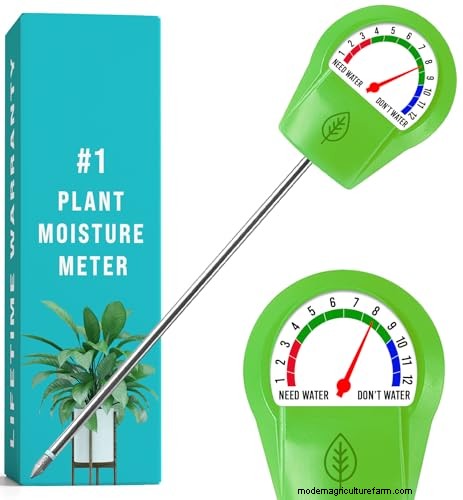
View on Amazon.
Track your watering days on a calendar to avoid overwatering by habit.
Cold water can shock the roots of tropical houseplants, causing stress and stunting growth. The temperature difference between cold tap water and room-temperature soil creates unnecessary strain on plant systems.
Let water sit at room temperature for at least an hour before watering your plants.
Another option is filling your watering can after each use, allowing it to reach room temperature before the next watering session. Tepid water, neither hot nor cold, provides the best environment for root health.
Winter heating systems dry out indoor air dramatically. Many popular houseplants come from humid tropical environments and suffer when humidity drops below 40%. Crispy brown leaf edges are a common sign of too-dry air.
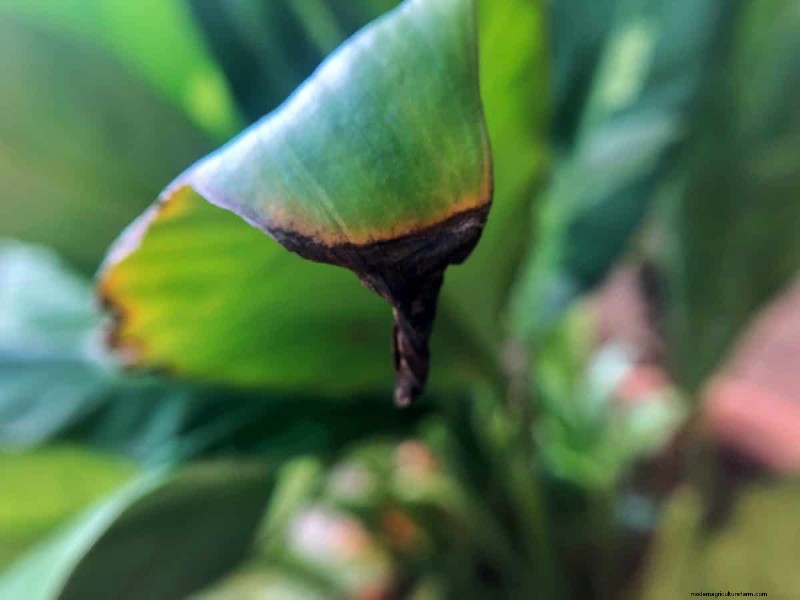
Group plants together to create a microclimate with higher humidity as they release moisture through transpiration. Place pebble trays filled with water beneath pots (ensuring the pot sits on the pebbles, not in the water).
A humidifier placed near your plant collection can make a dramatic difference for humidity-loving varieties.
Read more: 11 Surprising Signs Your Spider Plant Needs a Humidity Boost (Before It’s Too Late)
Dust accumulates more quickly on plant leaves in winter due to closed windows and heating systems circulating air. This dust layer blocks light and can clog the leaf pores (stomata), reducing the plant’s ability to photosynthesize effectively.
Gently wipe broad-leafed plants with a soft, damp cloth every few weeks. For fuzzy-leaved plants like African violets, use a soft brush instead.
Plants with many small leaves benefit from an occasional lukewarm shower, which also helps increase humidity temporarily.
Plants in winter dormancy don’t need the same nutrient levels as during active growth. Continuing to fertilize at summer rates can burn roots and create mineral buildup in the soil. This stresses plants when they’re already coping with less-than-ideal light conditions.
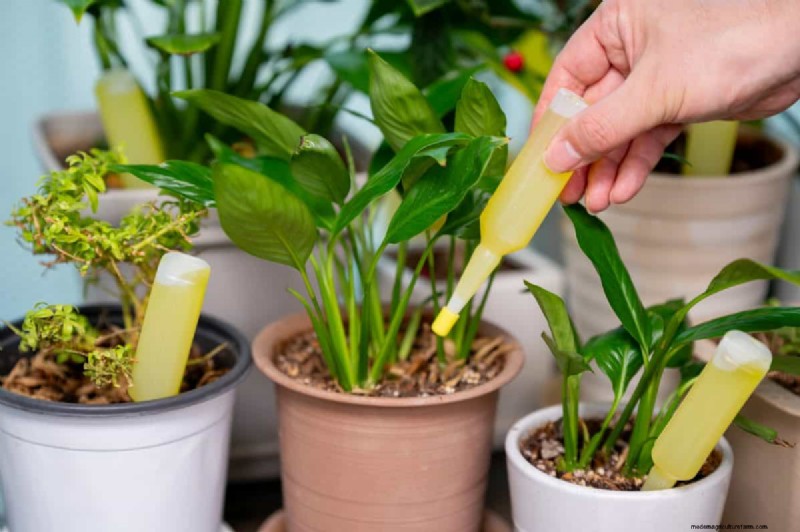
Stop fertilizing most houseplants completely from late fall through winter. If your plants show signs of nutrient deficiency, apply fertilizer at quarter-strength no more than once a month.
Resume regular feeding in spring when you notice new growth appearing.
The direct, hot, dry air from heating systems quickly dehydrates plant leaves and soil. Temperature fluctuations near vents stress plants, and the extra heat accelerates water loss. Radiators create particularly harsh conditions that few plants can tolerate.
Keep plants at least 3 feet away from heating vents and radiators. If space is limited, redirect airflow using vent deflectors.
Consider placing a humidity tray between the heat source and your plants to add moisture to the air as it passes over them.
Indoor conditions and stressed plants create perfect opportunities for pest populations to explode in winter.
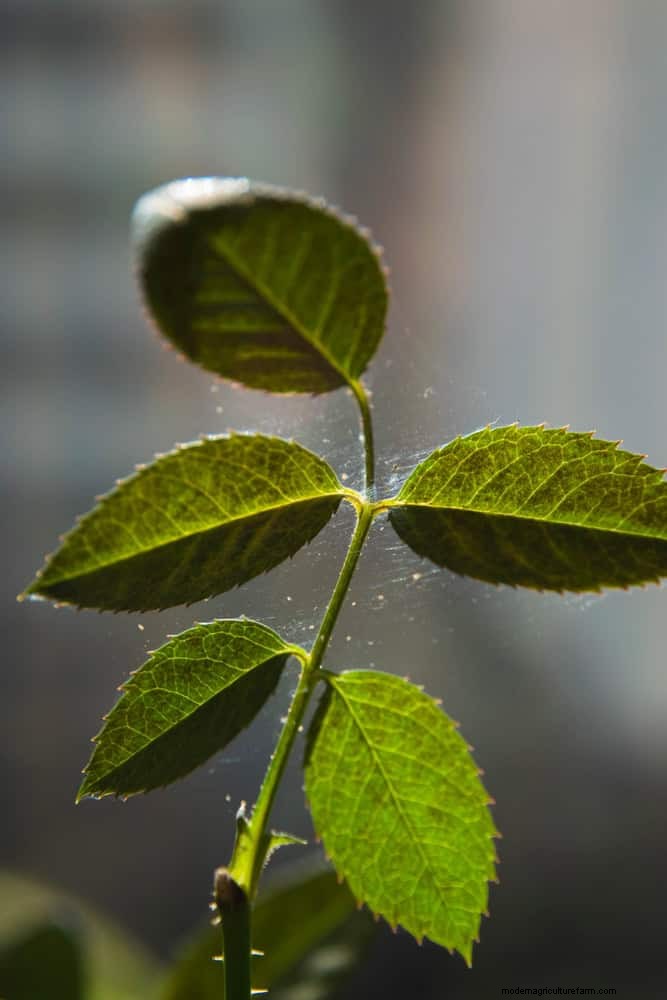
Spider mites thrive in dry conditions, while mealybugs and scale insects can multiply rapidly on weakened plants. Catching problems early is crucial.
Inspect your plants weekly, paying special attention to leaf undersides and stem joints where pests often hide. Keep a magnifying glass handy to spot tiny spider mites.
Treat isolated infestations immediately with insecticidal soap or neem oil, and quarantine affected plants to prevent spreading.
Winter sunlight comes from a lower angle and provides fewer hours of illumination. Plants naturally lean toward light sources, developing uneven growth. The southern side gets light while the northern side may become sparse.
Rotate your plants a quarter turn each week to ensure all sides receive equal light. This encourages balanced growth and prevents plants from permanently leaning in one direction.
Some plants with specific light needs might benefit from occasional full rotations rather than quarter turns.
Cold air leaks around doors, windows, and even electrical outlets can create invisible drafts that damage tropical plants. These sudden temperature changes stress plants that naturally grow in stable environments. Symptoms include yellowing leaves and poor growth.
Test for drafts by holding a thin ribbon or tissue near suspected draft areas and watching for movement. Move sensitive plants to interior rooms during the coldest months.
Weather-stripping and door sweeps can reduce drafts throughout your home for both plant and human comfort.
Winter’s shorter days mean significantly less light reaches your plants. A sunny spot in summer might be too dim in winter. Light-loving plants can stretch, develop pale leaves, or stop growing entirely when light levels drop too low.
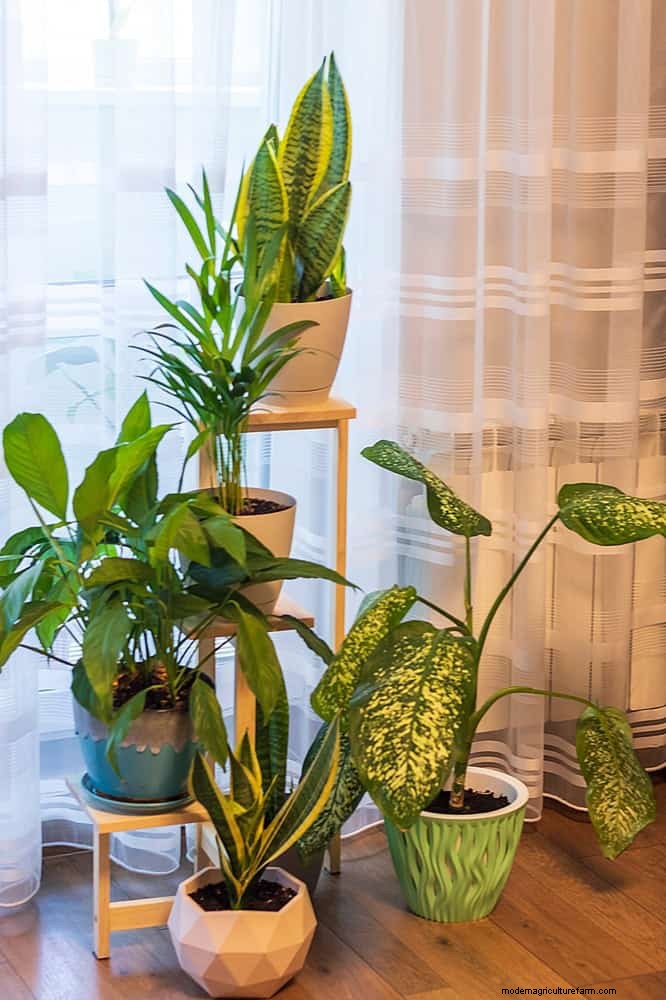
Relocate plants to your brightest windows during winter, typically those facing south or west.
Clean your windows inside and out to maximize light transmission. Consider supplementing with grow lights for plants with high light requirements, keeping them on for 12-14 hours daily.
Read more: Houseplants That Truly Thrive and Tolerate Low Light During Winter
Repotting creates stress even under ideal conditions. During winter dormancy, plants lack the energy to recover quickly and establish new roots. The shock of repotting combined with challenging winter conditions can lead to plant decline.
Save repotting projects for spring when plants enter active growth. If a winter repotting is absolutely necessary due to serious issues like root rot, minimize root disturbance and avoid changing pot sizes.
Keep the plant in stable conditions away from drafts while it recovers.
Visual cues can be misleading in winter. The soil surface might appear dry while deeper levels remain wet, or the opposite might occur. Improper moisture checking leads to overwatering or underwatering, both stressful for plants.
Use a wooden chopstick or moisture meter to check deeper soil moisture. The chopstick should come out nearly clean in dry soil and have damp soil particles clinging to it in moist soil.
Different plants have different moisture needs, so research your specific varieties for better care.
Not all houseplants have the same winter requirements. Treating all plants with the same care routine overlooks their diverse needs. Desert cacti need different winter care than tropical philodendrons or flowering orchids.
Group plants with similar needs together for easier care. Research the natural habitat of your plant varieties to understand their winter preferences.
Create care cards for each plant type with specific winter instructions about watering frequency, light requirements, and temperature preferences.
Winter houseplant care requires attention to changing conditions but doesn’t need to be complicated. The key is observation and gentle adjustments. Pay attention to your plants’ signals and respond accordingly.
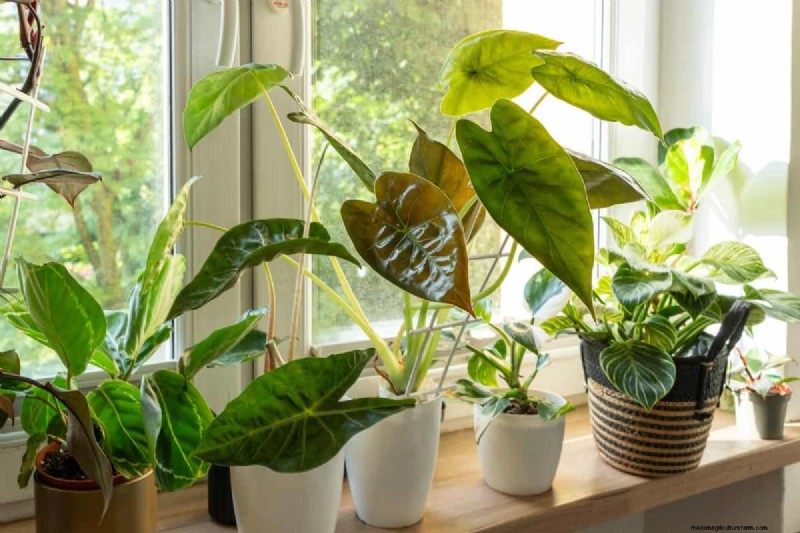
With these adjusted care practices, your houseplants will not just survive but potentially thrive during the winter months.
When spring arrives, they’ll be ready to put out beautiful new growth, rewarding you for your attentive winter care.
If you’d love plants that do more than just hang on until spring, check out this guide: 17 Houseplants That Actually Bloom During Winter