Welcome to Modern Agriculture!

If you’re planning to grow a victory garden, or gardens in general, one of the first steps is to decide on a method. With a handful of gardening methods to choose from, I’ve curated a list of the methods, including ones I’ve tried and found to work.
Most folks who have limited space resort to container gardening, but it isn’t limited to just apartment homesteaders. ‘On The Green Acre Homestead, we’ve grown sweet potatoes, cilantro, kale, tomatoes, and cucumbers in container gardening (to name a few).
The perks of this method are you don’t have to tackle weeds, you can move them around and it doesn’t require as much soil. When I was in California, I helped my brother-in-law put together a beautiful terra cotta setup for his salad veggies and herbs. He’s had some success with both.
My husband lead our straw bale gardening days when we first moved in 4 years ago. I remember liking it, he says it was okay but the roots didn’t hold as well. If you do a quick search on the internet, gardening with this method can be successful if done right. By saying that, although our success wasn’t bountiful enough to remember I would still try it again.
Here’s the rundown:
Condition the straw bales with nitrogen fertilizer. Water in the fertilizer of choice, making sure to saturate every bale daily for several days. Add more fertilizer every couple of days, spreading it generously before soaking your bales again.
After your bales are saturated and fertilized, pull apart little holes for planting down the center of the bales, add potting mix plus compost and plant your seeds!
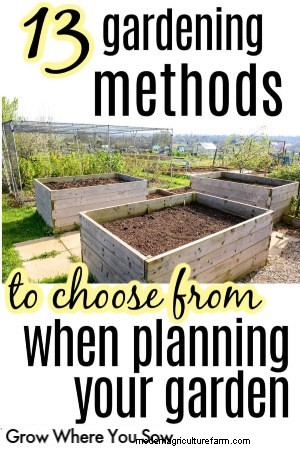
Since we live in Florida, raised beds have always been the best/easiest choice for us. Our yard is made up of 50% sand and 50% weeds. The beauty of gardening with raised beds is unlimited choices/layouts wrapped into this method. If you search “Raised Bed Gardening” on Pinterest, you’ll find 100’s of beautiful options. A simple setup can cost as little as $5-$10, depending on your material of choice and what you have on hand.
All you need is some type of weed barrier and a frame for your quality soil! Another perk with planting in raised beds is you’re not as limited in the crops you can plant. Additionally, the wood you buy should last years. We just replaced our original beds after 4 full years of planting in them.
A few things to note with raised beds:
The first time my husband and I grew a garden, we used the square foot gardening method. We bought the book and everything to make sure we did it right (we did). Our harvest was more bountiful than you can imagine, but we definitely invested the money to get it there.
The idea behind Square Foot Gardening is you divide your garden into 1-foot sections and plant within the squares, aiming to assist in creating a small but intensively planted garden.
The pros of this method:
The cons of this method:
We grew kale, spinach, tomatoes, lots of pole beans, and carrots to name a few. Two garden beds supplied us most of the veggies we wanted. I fully recommend this method.
There was a catch to this gardening method for me. Since I live in W. Central Fl., the soil here is just sand. When we moved into our home, the last owner left a wonderful pile of compost that we spread out over a small plot of land in order to plant (this was before we converted to raised beds). It was actually enough for a few inches of depth.
Eventually, that soil withered away and the sand wasn’t fertile enough to continue planting in so we invested in raised beds. Sowing in/on the ground is possible if you’re willing to prep your dirt or if you already have fertile soil. Send out a soil test through your local county extension office to see what you’re working with.
I know a couple who uses this method with great success. Every season or two, they turn the mounds over into what used to be the aisle/walkway. The cool thing about they way they used the trench/mount gardening method is they would compost all season in the aisles of the garden.
Once the season was over and they turned the planted pile onto the aisle, the aisle soil was nutrients rich. Other folks practice this method using plastic sheeting laid over their mounds, planting their crops in cut holes. Many larger farms practice gardening this way to significantly cut down on maintenance such as weeding.
I saved the best for last, friend. I just rebuilt our whole garden space. It’s been a long time coming as I’ve dreamed about having metal beds for years. A few months ago, I slowly started to acquire and invest in the materials I needed to have 3 ft deep, 4 ft wide and 8 ft long metal garden beds! Inside of these beds isn’t just soil, as I’m practicing the Hügelkultur method, a type of lasagna gardening if you will.
Traditionally, Hügelkultur is a garden bed mound constructed from decaying wood debris and other compostable organic plant materials, later planted as a raised bed. I’m taking a more modern approach and building my Hügelkultur bed inside of the metal beds I built.
The layers are (bottom to top):
Depending on how deep your garden is, you can repeat some of these.
My Hügelkultur garden bed layers are:
These methods I haven’t personally used but have read about. Some of them I’m absolutely interested in and plan to try eventually.
Square foot gardening can be a great way for beginning gardeners to grow vegetables and strawbale gardening is just super fun! Gardening is fun because everyone does it slightly differently than the other. What are you growing today?