
Welcome to Modern Agriculture!

Have you ever been frustrated by grass shears not cutting grass properly? They often seem to get caught up on the blades of grass, leaving tufts stuck to the shears. Or perhaps you were tired of adjusting them all the time to maintain the correct tension?
Well, we found out how to adjust grass shears, and we’re here to help!
The tension mechanism behind a grass shear is powered by spring action, allowing the shear to cut grass efficiently with the right amount of tension.
However, the spring may need to be adjusted. It can lose tension over time, so adjusting it can ensure that the shear cuts the way it should.
Continue reading as we explain each step in full detail and everything you need to know about adjusting the tension mechanism on a grass shear. We’ll also cover some additional questions that you may find relevant about grass shears and tips on making them cut more effectively. Let’s begin!
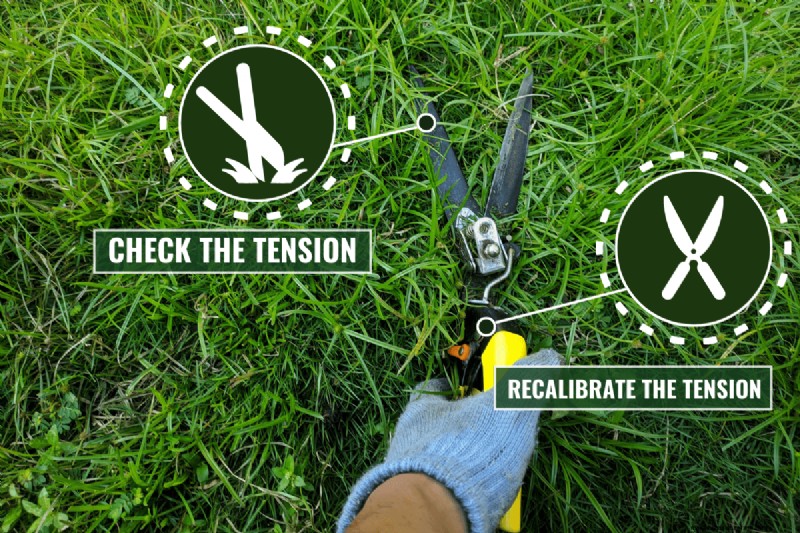
If you have grass shears that don’t seem to work as well as they should, it is likely time to buy a new one. But before you do that, you may be able to adjust your grass shears to fix the problem.
As mentioned, tension allows grass shears to cut grass effectively. The pressure may become loose or too tight. If this is the case, follow these steps:
Testing the tension of grass shears before attempting to adjust them is crucial because the correct tension is necessary for the tool to function.
If the tension is too loose, the blades may not cut effectively, and if the pressure is too tight, the blades may become damaged, or the tool may be difficult to use.
By testing the tension first, you can determine if it needs to be adjusted and, if so, by how much. This will help ensure that the grass shears are in good working order and can effectively cut grass.
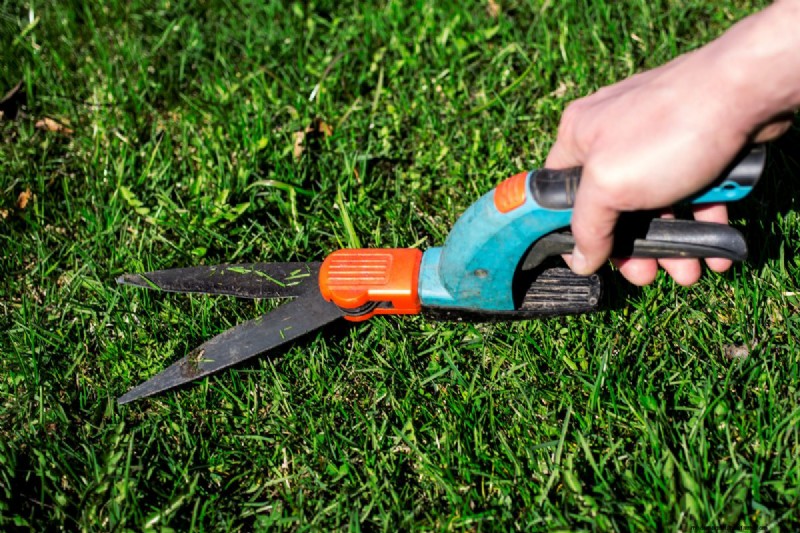
To test the tension of grass shears, you can follow these steps:
It is essential to recalibrate or adjust the tension of the garden shears when they start to lose pressure. This ensures that the shears can cut through branches and stems effectively.
When the tension is too loose, the blades of the shears will not close completely. That can result in a poor-quality cut and may damage the plant.
In contrast, if the tension is too tight, it can be challenging to open and close the blades, which can be tiring and may lead to hand fatigue.
In either case, it is important to adjust the tension to ensure that the garden shears are working correctly and efficiently.
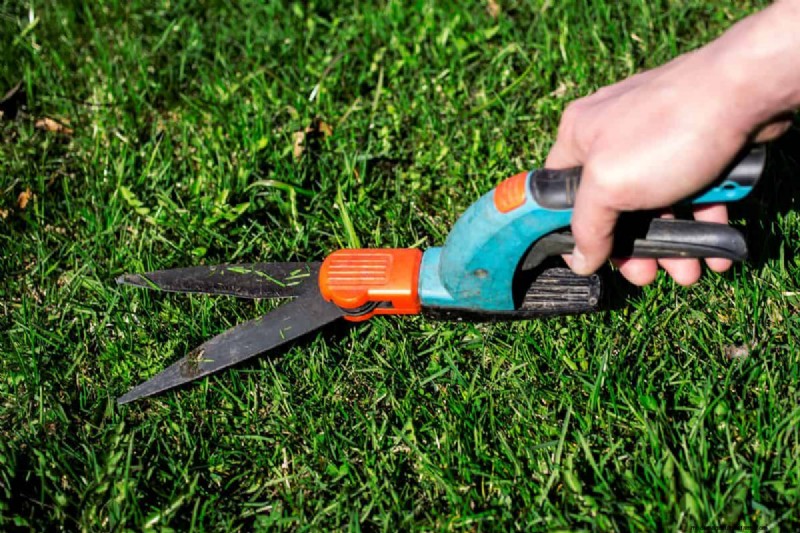
Grass shears should be tightened enough to hold the blades securely in place and prevent them from wobbling or slipping.
However, they should not be so tight that they are difficult to open and close. If the blades are too loose, they may not cut effectively.
If the blades are too tight, it may be difficult to open and close the shears, which can cause fatigue when using them for an extended period.
To adjust the tightness of grass shears, you may need to use a screwdriver to tighten or loosen a screw or two that hold the blades in place.
We'll email it to you so you can read it later!
By saving, you agree to receive occasional emails. Unsubscribe anytime.
If the spring-action mechanism on your grass shears is faulty, you have a few options for fixing it.
Here are some steps you can try:
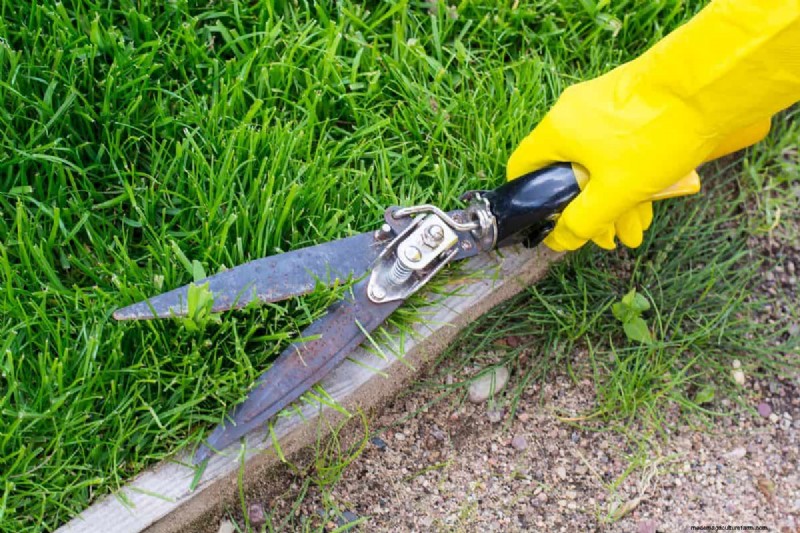
It depends on the specific circumstances.
Here are a few things to consider when deciding whether to repair or replace broken grass shears:
Ultimately, the best decision will depend on your specific situation and needs. If unsure, it might be helpful to get a quote for the repair and compare it to the cost of new grass shears to help you make your decision.
Grass shears are usually inexpensive, so you should be able to find a good deal.
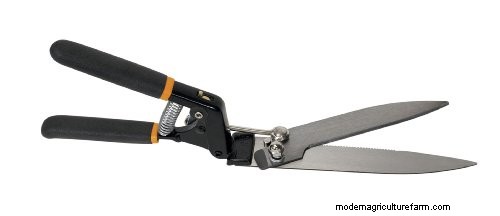
Check out these grass shears on Amazon.
Over time, the blades of grass shears can become dull and may need to be sharpened to work effectively. Here is a simple process for sharpening grass shears:
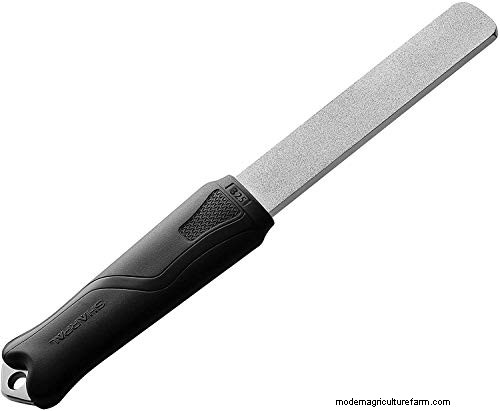
Check out this sharpening file on Amazon.
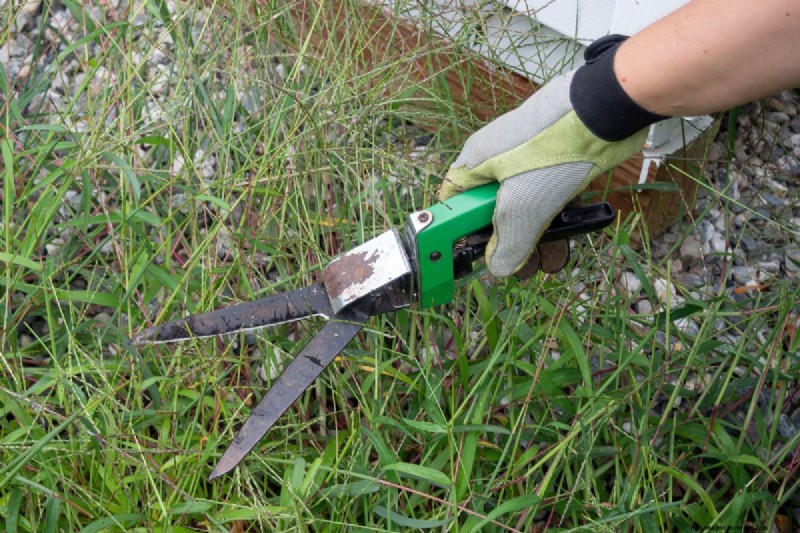
The best angle for sharpening grass shears is around 30-35 degrees. This angle will provide a sharp edge that can cut through grass cleanly and efficiently.
When sharpening the shears, it’s important to maintain a consistent angle to ensure that the edge is even and straight. You may need to experiment with different angles to find the one that works best for your specific shears.
In general, it’s better to err on the side of a slightly shallower angle rather than a steeper one, as a steeper angle may result in a weaker edge that is more prone to chipping or bending.
Here are some tips for caring for grass shears:
By following these simple steps, you can help to ensure that your grass shears stay in good condition and continue to work well for a long time.
Grass shears are valuable tools for trimming lawns and removing weeds from gardens. To perform their job effectively, they require a good level of tension.
If the grass shears start to slip during use, you might want to check to see if they need adjusting.
While we have your attention, check out these related articles:
Best Long-Handled Garden Shears [12 Shopping Suggestions]
Best Garden Edging Shears [10 Options Every Gardener Should Know]


