Welcome to Modern Agriculture!

The head gasket is one of the most critical parts of your lawnmower. It won’t work correctly or with its full power if it blows. So, what can be the causes of a blown head gasket on a lawn mower? We’ve done some research, and here’s what we’ve found.
Your lawnmower’s head gasket can blow due to several reasons. These significant reasons are:
Now that you know why a lawn mower head gasket blows, let’s also talk about lawnmowers. We’ve included the signs and results of a blown head gasket and how you can replace it. You can also find several tools and materials for lawnmower maintenance and care.
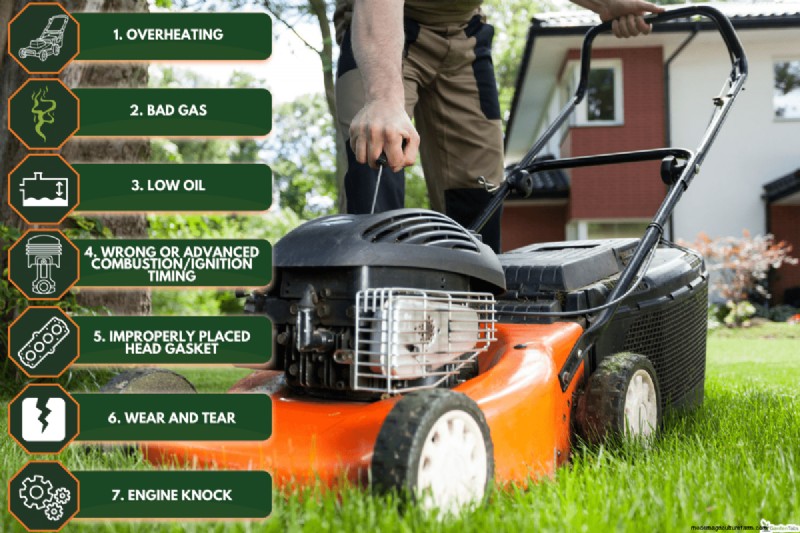
Like an automobile, a lawnmower also has a head gasket which is vital in locking the machine’s combustion chamber to retain the motor’s power. It’s essential to check the condition of the head gasket so the lawnmower will perform at its fullest. Although sometimes, things happen, such as a blown head gasket. There are several reasons why this happens, and these are:
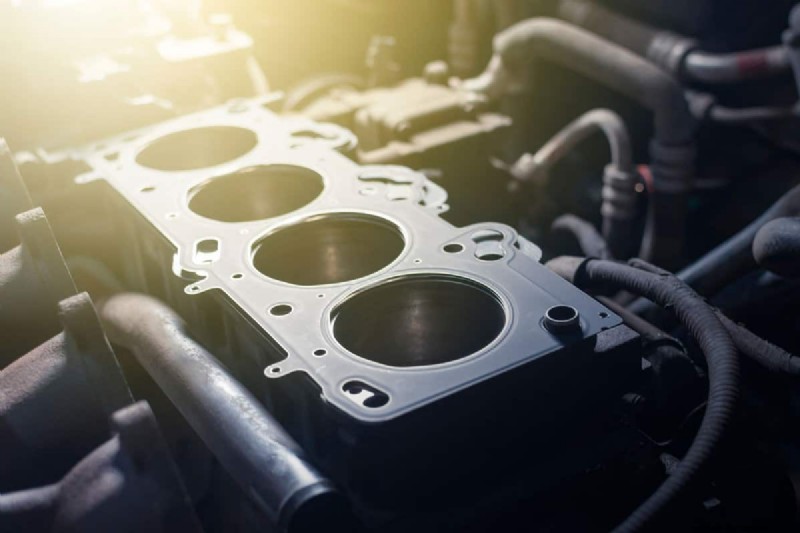
Your lawnmower can overheat because of low coolant, low engine oil, and clogged air cleaners. These can damage and result in a blown head gasket.
Harmful gas can cause engine damage or a blown head gasket. Bad gas is referred to as dangerous fuel that won’t ignite accurately.
Your lawnmower’s oil plays a significant role in keeping an excellent engine. If you don’t check the oil and it’s low, the engine will run hotter and can cause a blown head gasket.
If you have a wrong or super advanced combustion timing, it can cause the fuel-air combination to kindle prematurely. An incorrect ignition timing can cause a hefty dose of heat and, yes, can blow the head gasket.
An improperly installed head gasket won’t secure a compact seal between the cylinder head and the engine block. It can lead to a blown head gasket or similar symptoms.
Wear and tear and using low-quality parts are other causes of a blown head gasket. You can avoid these by buying a high-quality or branded lawnmower. You can also avoid it by practicing good maintenance.
An engine knock happens because of several reasons, such:
Check for these causes to avoid engine knocking, and prevent your lawnmower’s head gasket from blowing.
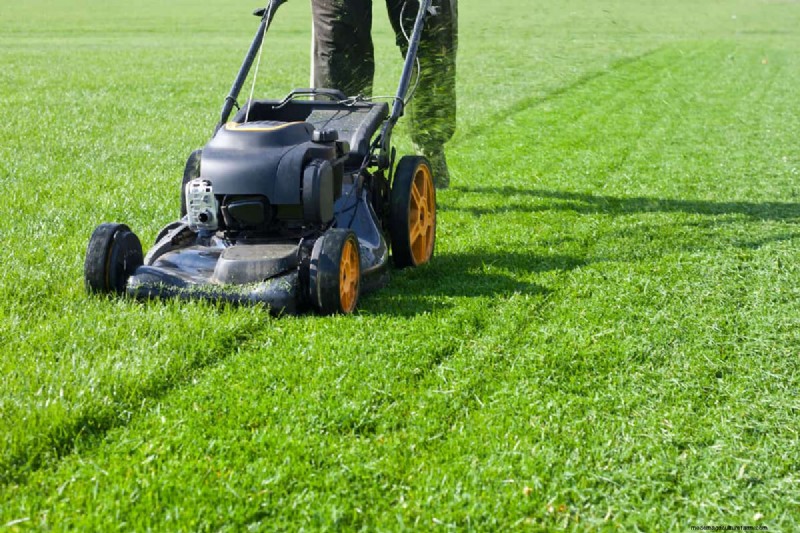
If your lawnmower encounters a blown head gasket, you may detect these signs:
We'll email it to you so you can read it later!
By saving, you agree to receive occasional emails. Unsubscribe anytime.
You can follow these simple steps in checking for a blown head gasket on your lawnmower.
There are several ways to repair a blown head gasket. But it depends on the severity of the damage. You can fix minor damages yourself by:
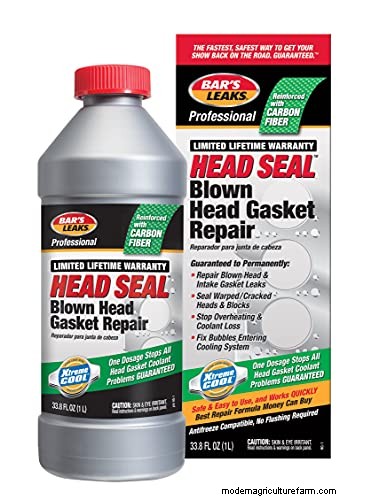
Click here to see this product on Amazon.
A professional can fix it if the damage is severe. The cost will depend on the degree of the damage.
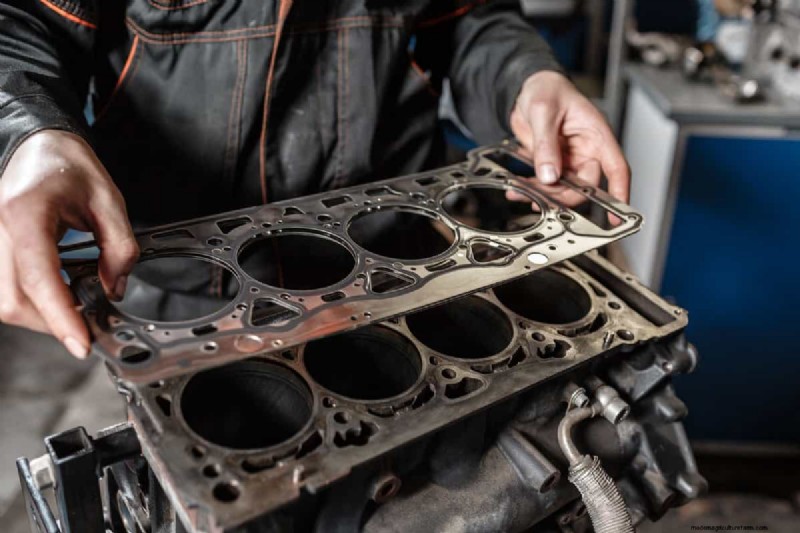
If you decide to replace your lawnmower head gasket, here are the tools and steps.
Here are the essential tools you need to replace the head gasket.
You’ll need a wrench set to grip, loosen, and tighten nuts and bolts.
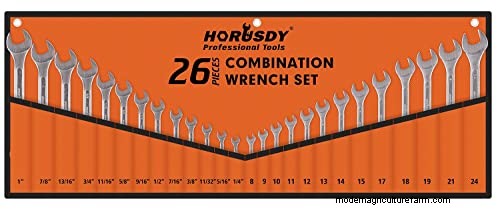
Click here to see this wrench set on Amazon.
These tools are essential in removing lawnmower head bolts and such.
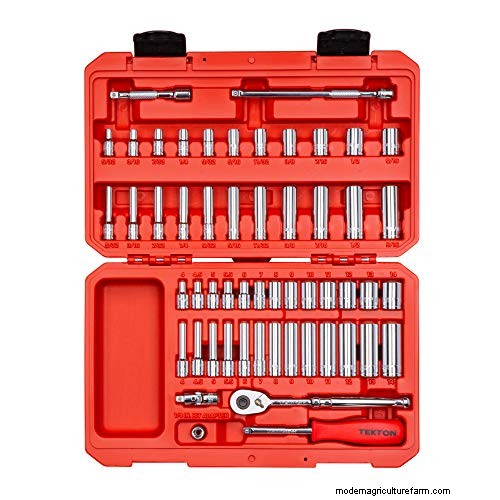
Click here to see this socket set on Amazon.
The screwdrivers are essential in removing various screws from your lawnmower.
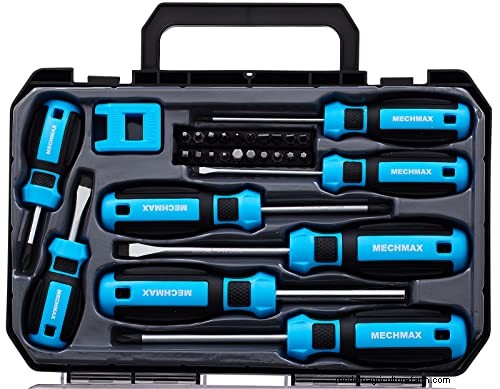
Click here to see this screwdriver set on Amazon.
You’ll need various pliers, especially long-nose pliers, to remove things like the fasteners from the valve cover.
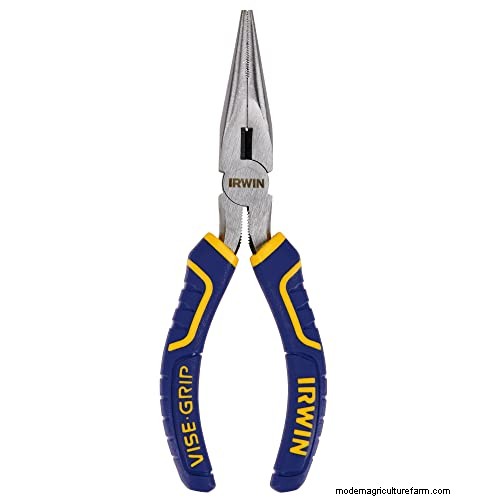
Click here to see these pliers on Amazon.
The torque wrench is used to tighten the cylinder head.
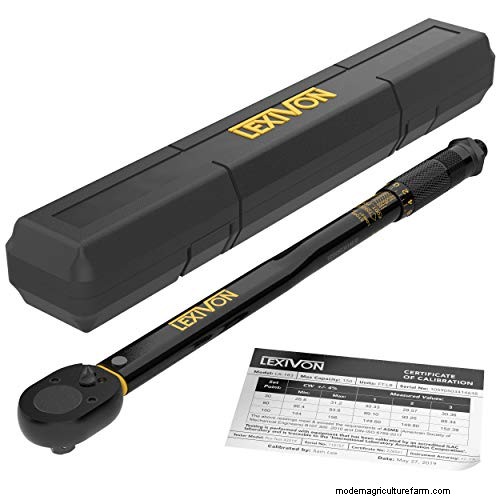
Click here to see this wrench on Amazon.
The feeler gauge is used to set the valve lash.

Click here to see this gauge on Amazon.
The plastic scraper tool is vital for cleaning and avoiding damage to the cylinder head, mower head, and block.
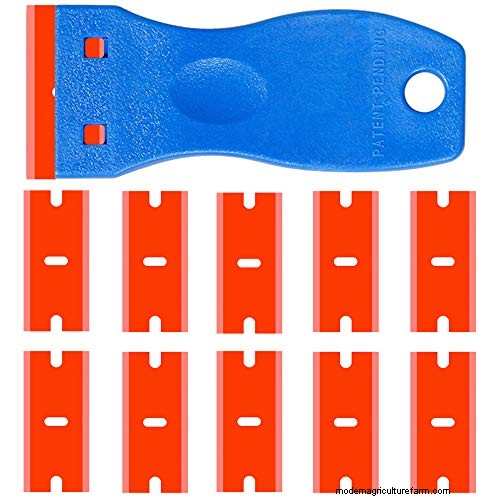
Click here to see this scaper on Amazon.
Below are the simple steps for changing your lawnmower’s head gasket.
If you choose to have your lawnmower fixed by an expert, you must prepare considerable money. A head gasket repair costs $1200 to $3000 and typically lasts up to 10 hours.
You must practice these things if you want your lawnmower to reach its full potential and maximum lifespan.
To avoid mishaps with your lawnmower, you must take good care of it and its parts. Here are essential tools for maintaining and fixing your machine.
The lawnmower maintenance kit contains the necessary tools to tune up and fix your lawnmower.
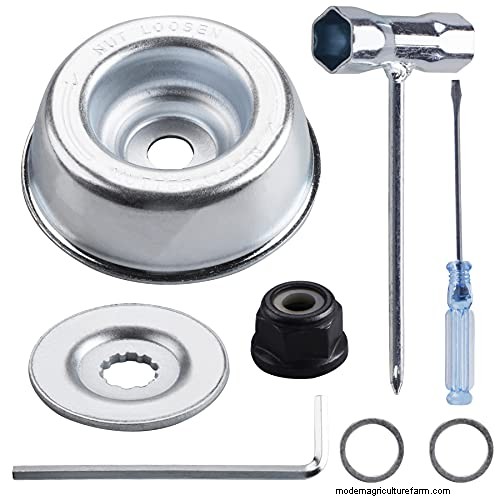
Click here to see this product on Amazon.
Wire brushes are perfect for the removal and cleaning of rust and oxidations, and other harmful exterior impurities.

Click here to see this product on Amazon.
An engine cleaner is essential in cleaning and removing oil and filth from your lawnmower’s engine.
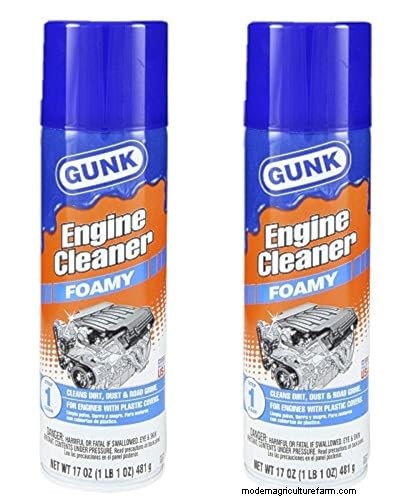
Click here to see this product on Amazon.
Your lawnmower’s blade needs to be sharpened and balanced for effective use.
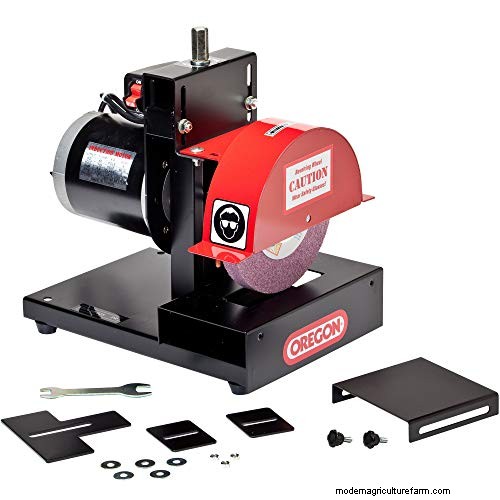
Click here to see this product on Amazon.
WD40 on your lawnmower’s blades can keep the grass from clinging to the edges. It also helps keep the blades clean, sharp, and corrosion-resistant.
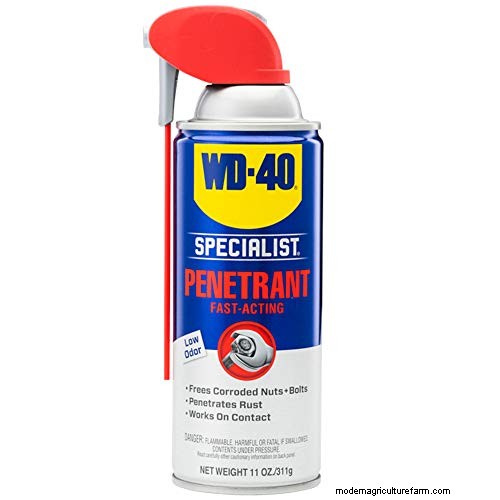
Click here to see this product on Amazon.
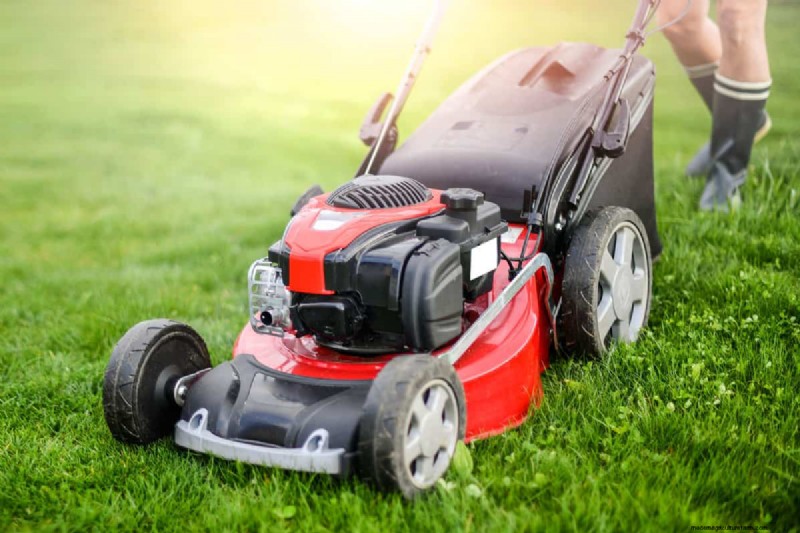
Most lawnmowers survive for more than ten years with proper care, attention, and maintenance. Otherwise, you can foresee your lawnmower lasting 4-5 years. And if you use and abuse your lawnmower, expect it to last for only two years or maybe even less.
When mowing your lawn, a blown head gasket is the last thing you need. Overheating, terrible fuel, wrong or advanced ignition timing, and engine knock are the main reasons for this phenomenon. Keep them in mind and avoid them at all costs.
If you need more information about lawnmowers, you can check these awesome posts:
Gas Coming Out Of My Lawnmower Exhause – What’s Wong?
Oil In Lawn Mower Carburetor – What To Do?