Welcome to Modern Agriculture!

 Depositphotos
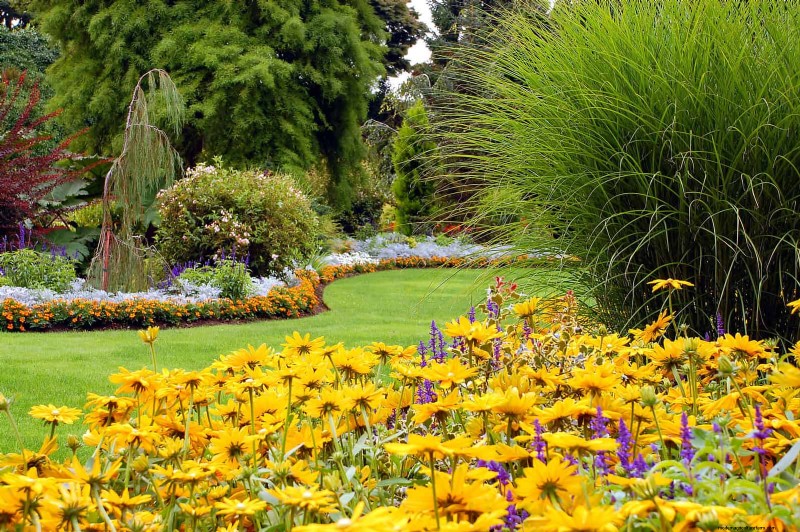
Weeding every weekend can feel endless, but thoughtful plant selection can change that. These 22 species combine dense foliage, low growth habits, and strong root systems to suppress weeds naturally, creating a lush, living mulch that stays clean with minimal effort. Below, we show how each plant contributes to a resilient, weed‑resistant landscape.
 Depositphotos
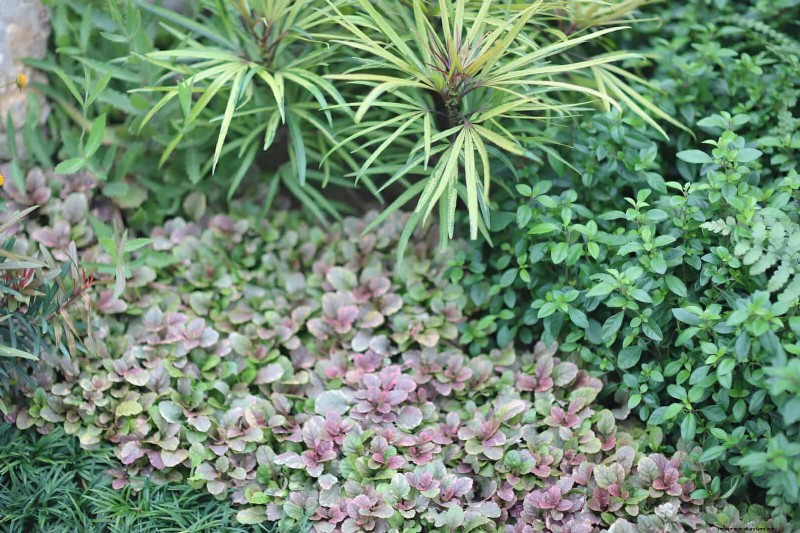
Weeds thrive in open, disturbed soil with ample light. By choosing groundcovers and perennials that grow thick, spread wide, and shade the soil, you can eliminate the need for constant weeding. Many of these plants also enrich soil and attract pollinators, making the garden healthier and more sustainable.
Save this article and unlock today’s exclusive gardening deals instantly!
 Depositphotos
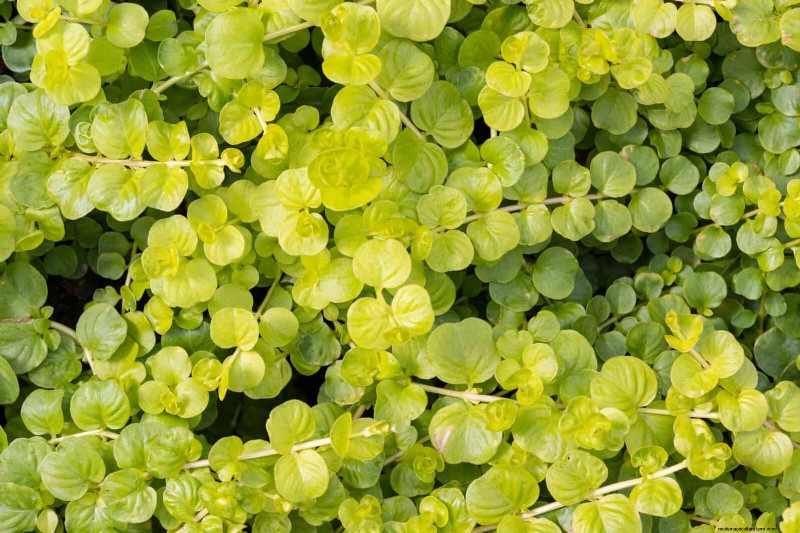
Creeping Jenny spreads rapidly, forming a tight, low mat that blocks light and prevents weed germination. Its chartreuse foliage brightens borders and containers while acting as living mulch that reduces soil exposure.
 Depositphotos
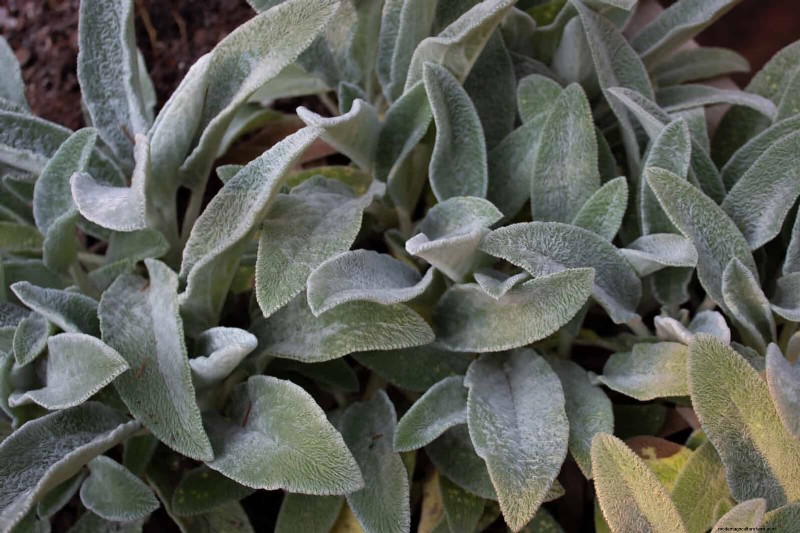
Adapted to dry, nutrient‑poor soils, Lamb’s Ear spreads woolly silver‑gray leaves that create an effective weed barrier. It thrives in hot, sunny spots where other plants might struggle, and requires very little upkeep.
 Depositphotos
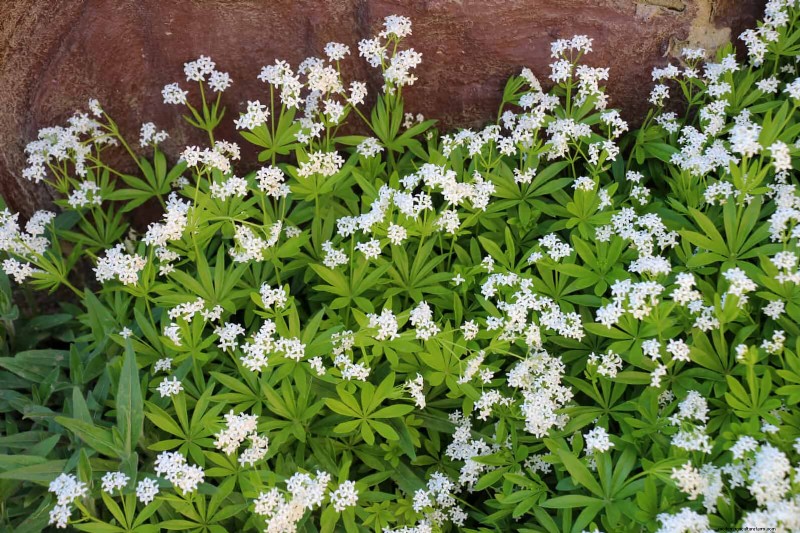
Sweet Woodruff thrives under trees and in shaded areas, spreading delicate white blooms and aromatic foliage. Its rapid spread forms a dense ground cover that naturally suppresses weeds and remains vibrant throughout the year.
 Depositphotos
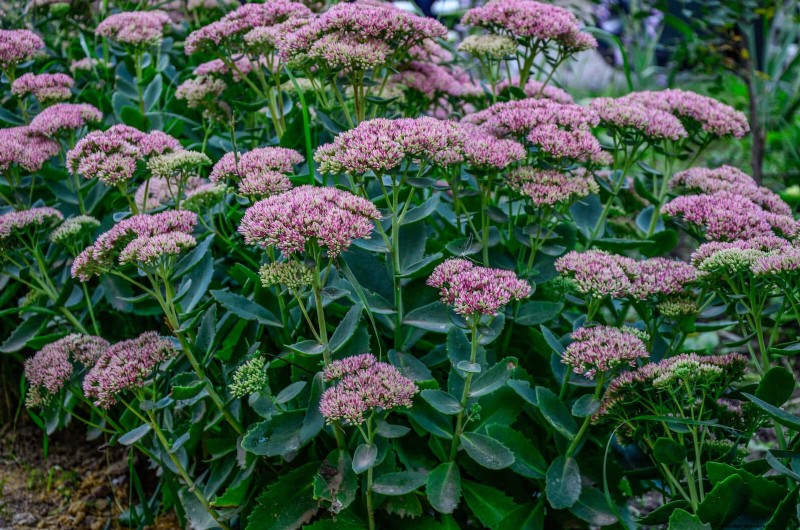
Sedum tolerates heat and drought, thriving where many plants falter. Its fleshy, moisture‑retaining leaves form a dense mat that blocks weeds, and once established, it needs minimal watering or care.
 Depositphotos
Hostas produce broad, overlapping leaves that create deep shade, preventing weed seeds from germinating. Ideal for moist, shady beds, they add visual depth and maintain dense foliage all season.
Depositphotos
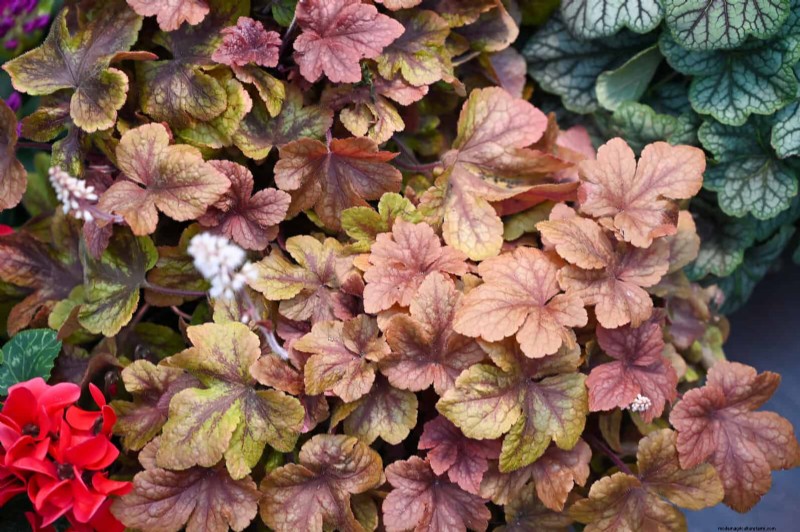
Coral Bells spread efficiently across bare soil, minimizing open spots for weeds. Their striking foliage colors stay vibrant from spring through fall, while dense leaves act as a living mulch.
 Depositphotos
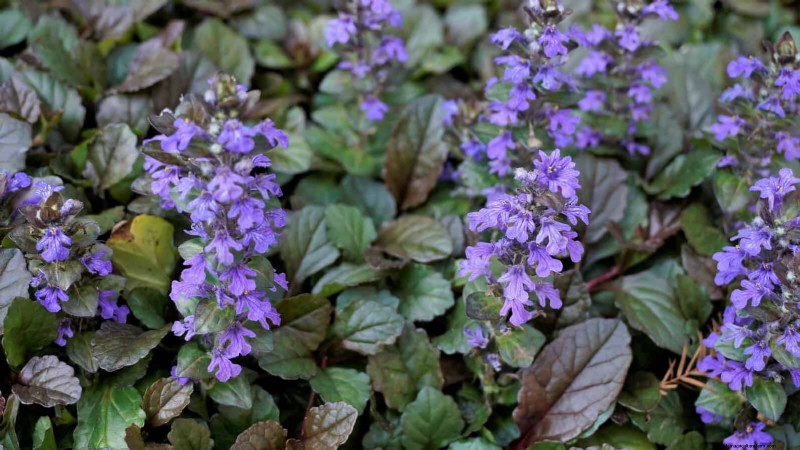
Ajuga’s glossy, richly colored leaves create a thick mat that outcompetes weeds. It spreads quickly, filling slopes, pathways, and compact planting areas, and offers early spring spikes of purple or bronze to attract pollinators.
 Depositphotos
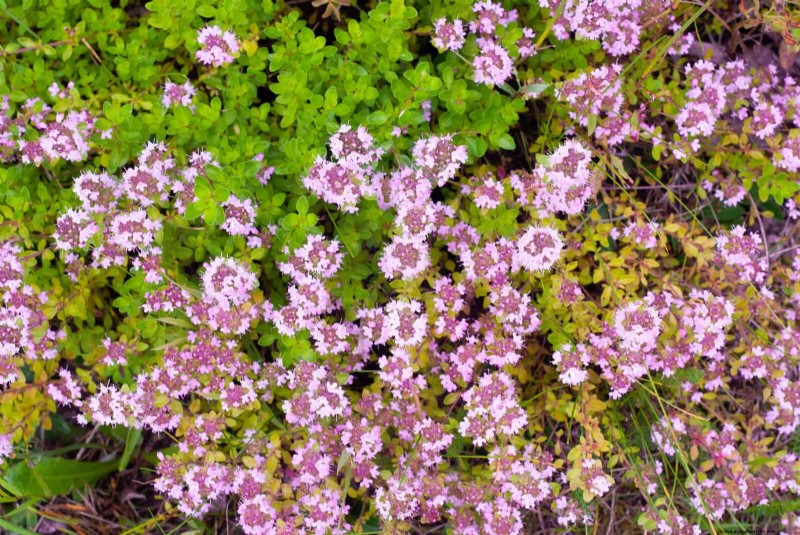
Thyme’s aromatic foliage forms a dense, horizontal spread that naturally blocks weed growth. It tolerates poor soil and moderate foot traffic, making it perfect for stepping stones, borders, or rock gardens.
 Depositphotos
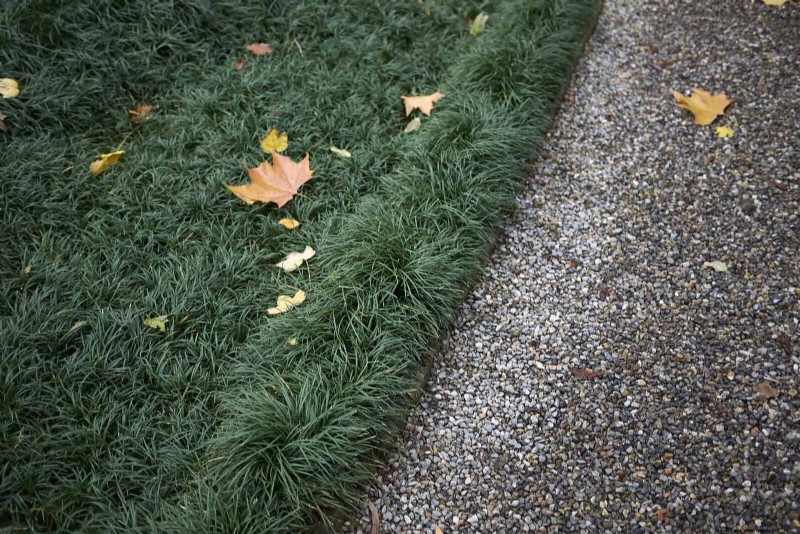
Mondo Grass grows in compact clumps, slowly spreading across soil to prevent weed establishment. It thrives in heat, shade, and compacted ground, ideal for pathways, edges, and between pavers.
 Depositphotos
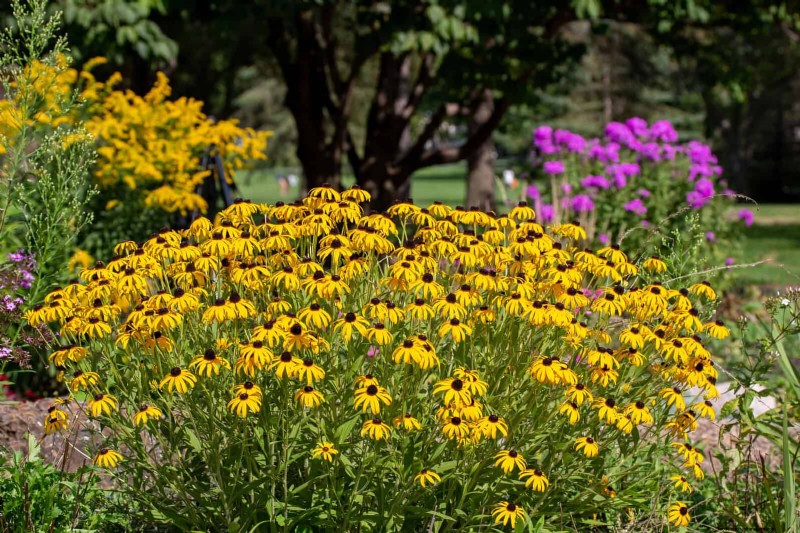
Black‑Eyed Susan’s robust foliage shades the soil, making it difficult for weeds to thrive. Its deep roots compete with invasives, and its blooms attract bees and butterflies, enhancing garden ecology.
 Depositphotos
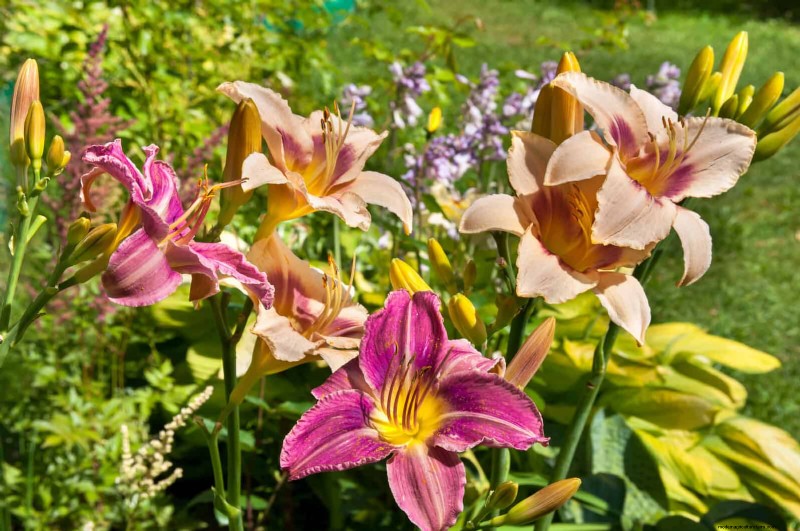
Daylilies spread wide, arching leaves that shade weed seeds. Their colorful blooms brighten beds, and their long life cycle requires minimal maintenance once established.
 Depositphotos
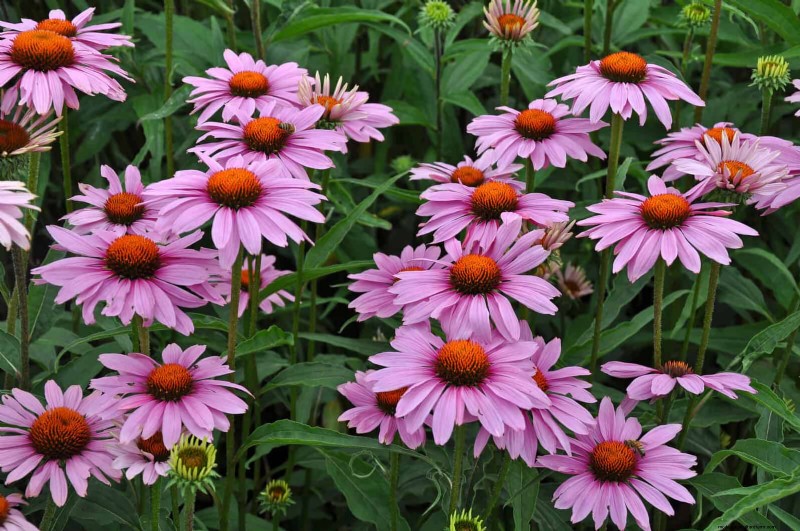
Coneflower’s large leaves and sturdy stems create a dense, upright presence that outcompetes weeds. It self‑seeds, forming clumps over time, and attracts pollinators while withstanding drought.
 Depositphotos
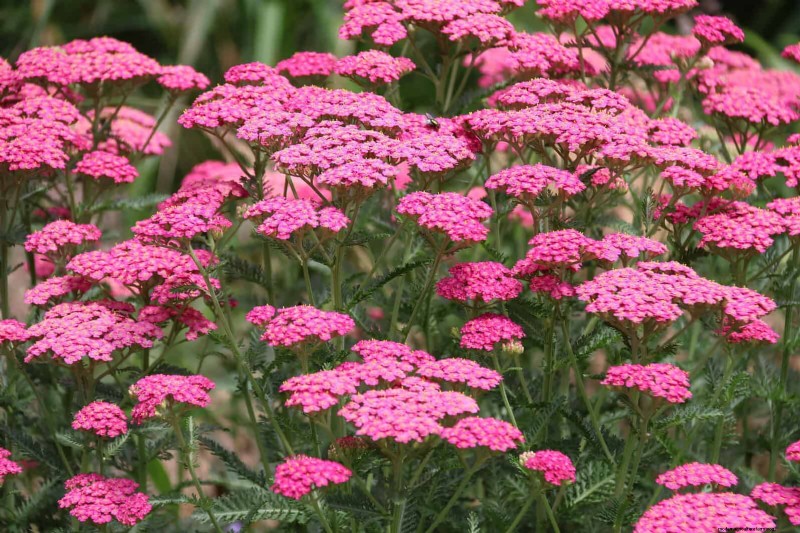
Yarrow’s feathery, aromatic foliage forms a dense mat that quickly covers the ground. Adaptable to dry, rocky soils, it prevents light from reaching weed seeds and draws beneficial insects with its bright flower clusters.
 Depositphotos
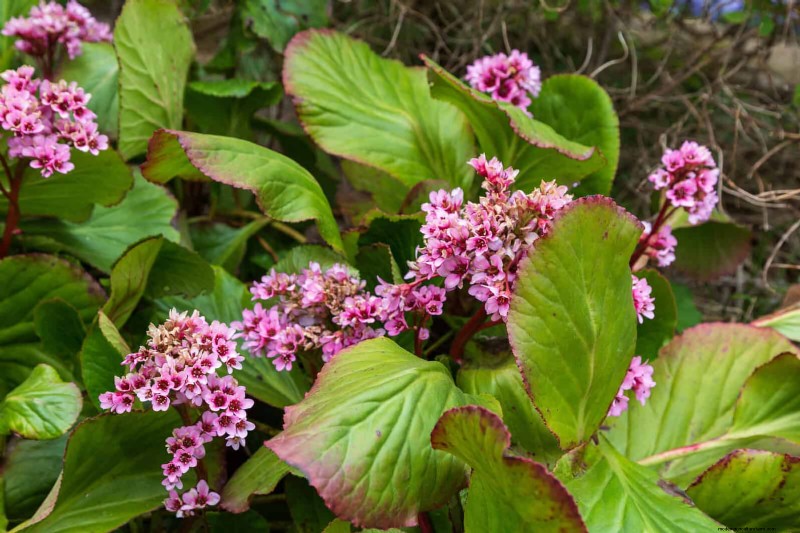
Bergenia’s leathery, evergreen leaves grow close together, creating a reliable weed barrier. It thrives in sun and shade, holds its shape over time, and needs minimal care.
 Depositphotos
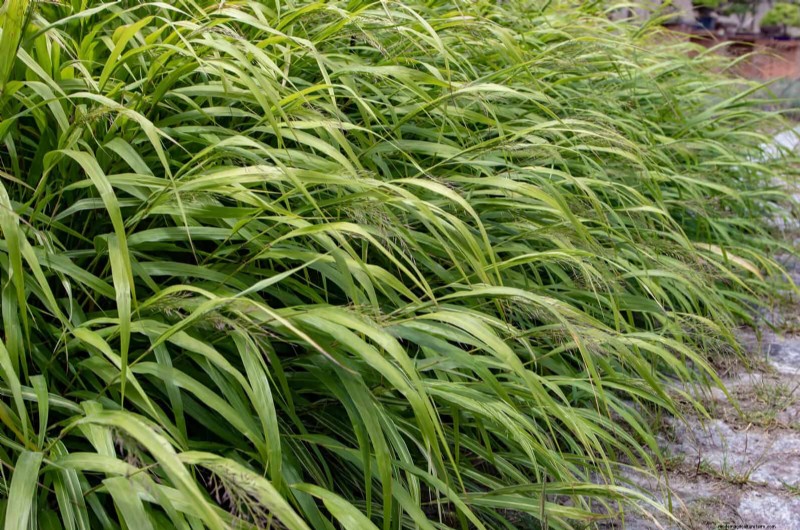
This elegant grass cascades over soil in part‑shade spots, blocking light and providing a flowing texture. It grows gradually, forming a lasting, low‑maintenance groundcover.
 Depositphotos
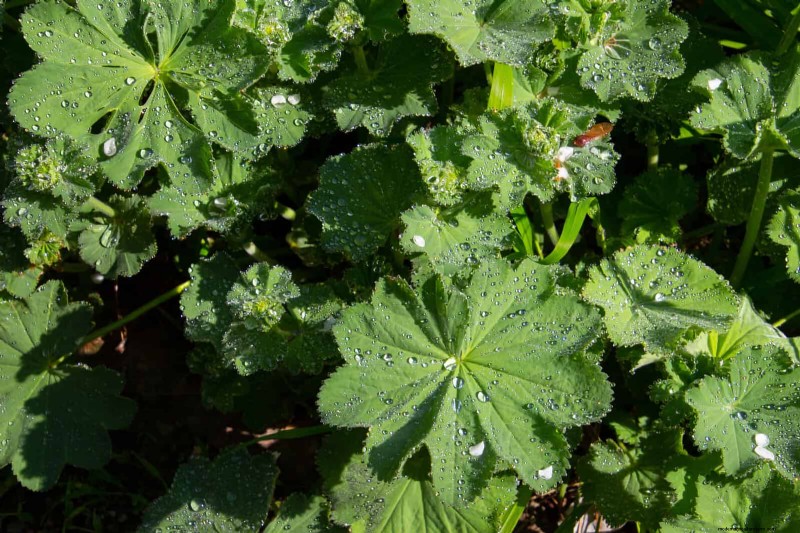
Lady’s Mantle spreads rounded foliage to form a broad canopy that shades weed seeds. Its chartreuse flowers appear after rain, adding soft seasonal color, and it thrives in sunny or partially shaded areas.
 Depositphotos
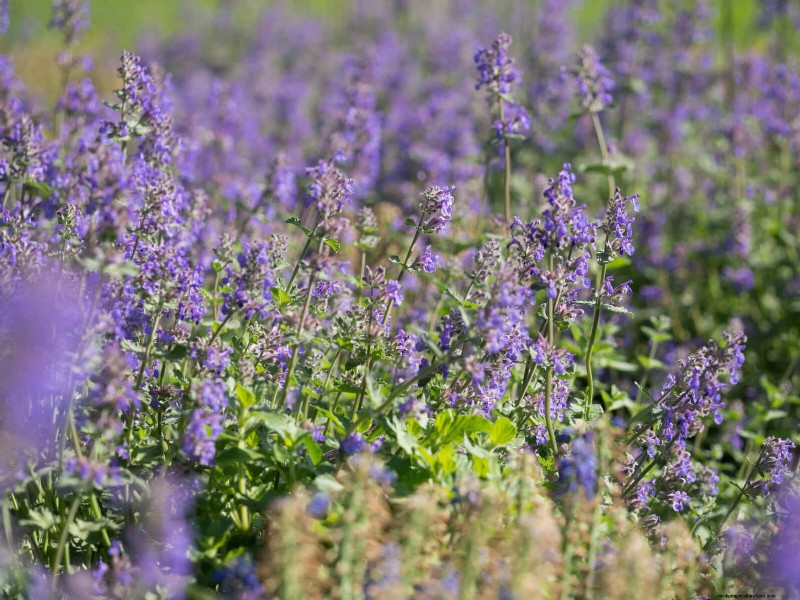
Catmint’s gray‑green, aromatic foliage expands quickly, shading the soil and discouraging weeds. Long‑lasting blooms attract bees, and the plant tolerates dry conditions with minimal care.
 Depositphotos
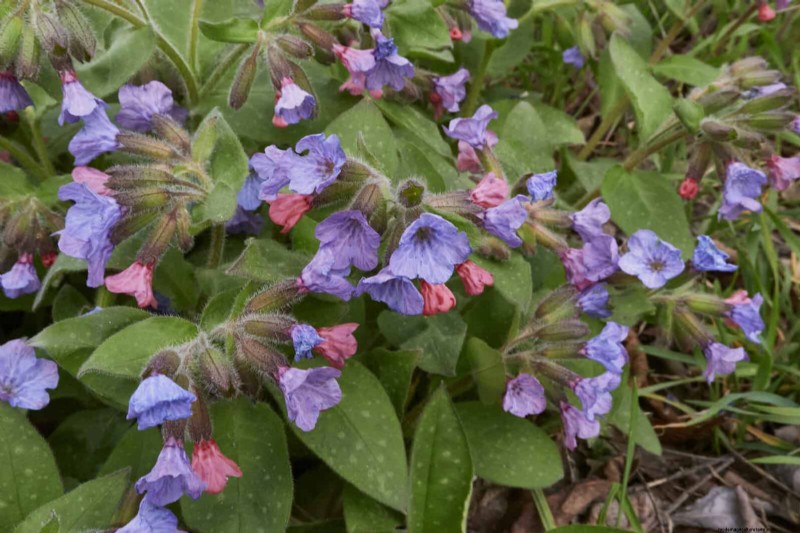
Lungwort’s speckled leaves thrive in deep shade, creating natural weed suppression. Its gradual spread establishes coverage without becoming invasive, and its spring flowers add early color.
 Depositphotos
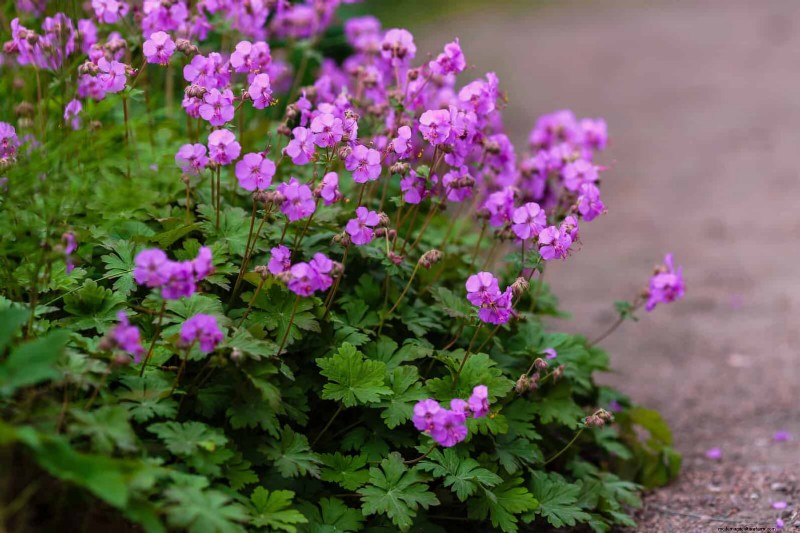
Geranium’s rhizomatous roots form a durable, weed‑resistant layer. Aromatic foliage provides a natural mulch effect, and the plant regenerates each year without replanting, performing well in sun or shade.
 Depositphotos
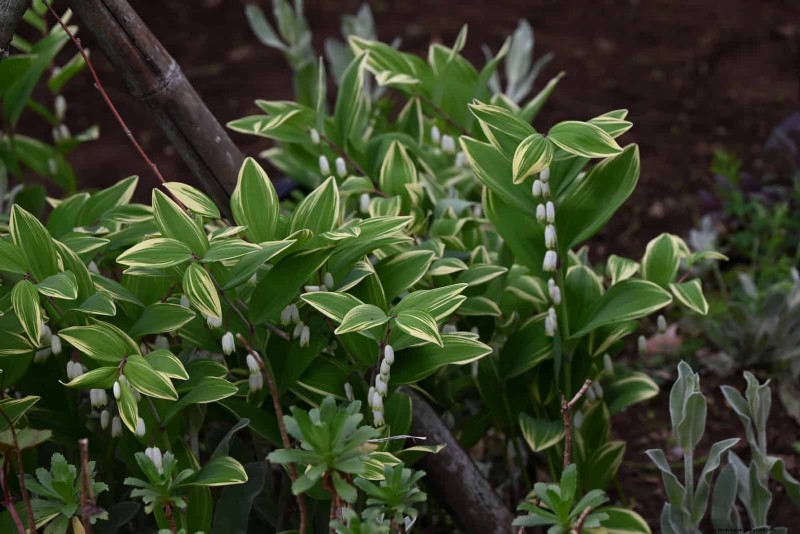
Solomon’s Seal’s arching stems cast shade that suppresses weeds. It spreads slowly through rhizomes, filling gaps with elegant, layered foliage that requires little upkeep once established.
 Depositphotos
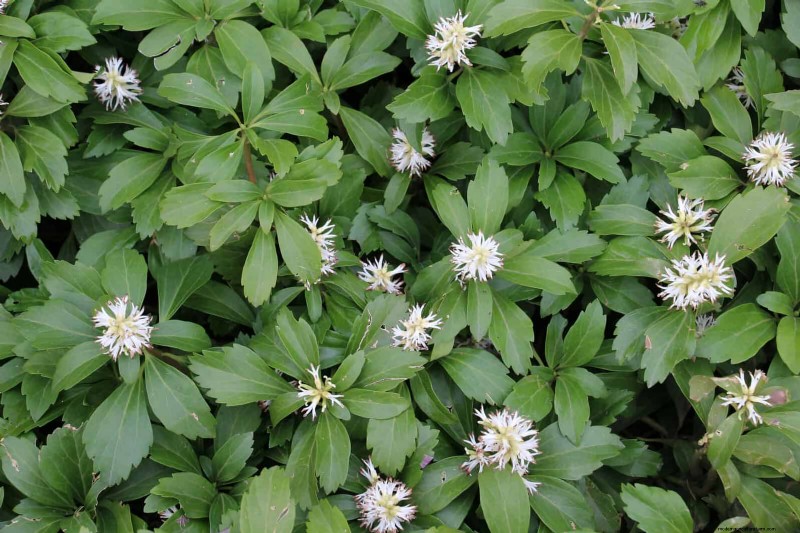
Pachysandra thrives in shade and forms a dense, evergreen mat that blocks weeds. Its foliage remains vibrant year‑round, and it helps retain soil and prevent erosion in large shaded areas.
 Depositphotos
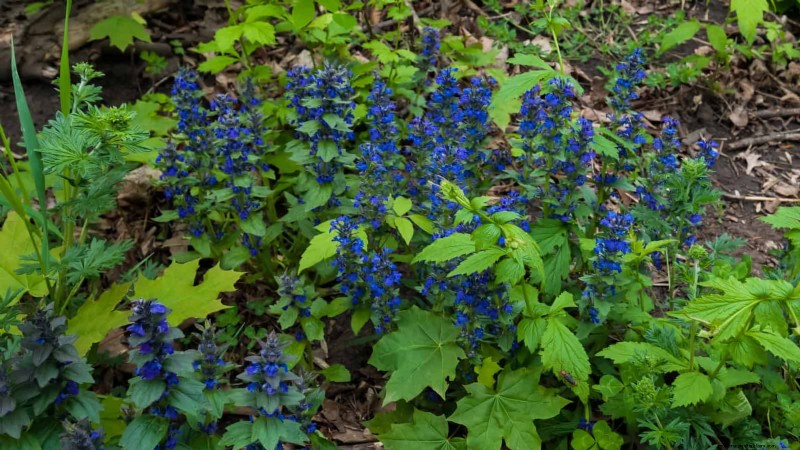
This vigorous Bugleweed variant grows taller and thicker than traditional types, quickly filling open soil. Its broad leaves shade the ground while adding visual texture, and it adapts from sun to part shade.
 Depositphotos
Choosing the right plants turns a weed‑free garden from a dream into reality. These groundcovers act as living mulch, reducing time and effort while enhancing design. With dense growth, strong roots, and low maintenance, you can let nature do the weeding—stylishly.

Editorial oversight
GardenTabs content is reviewed by Steve Snedeker, a seasoned gardener with decades of hands‑on landscaping experience.