Welcome to Modern Agriculture!

 Depositphotos
March is the perfect time to prepare your garden for a flourishing spring. With winter fading, your yard deserves careful attention to set the stage for warmer months. From soil preparation to planting and pruning, there’s plenty to do. These essential tasks will guide you toward a vibrant, healthy garden by spring. Let’s get your yard ready for success!
 Depositphotos
Begin the season by clearing your garden beds of dead foliage, weeds, and winter debris. Removing these obstacles reduces pest and disease pressure, enhances light penetration, and primes the soil for fresh plantings. Properly dispose of or compost the removed material to enrich your compost pile. A tidy, open bed sets the stage for vigorous growth.
Save this article & also instantly unlock today's gardening deals!
 Depositphotos
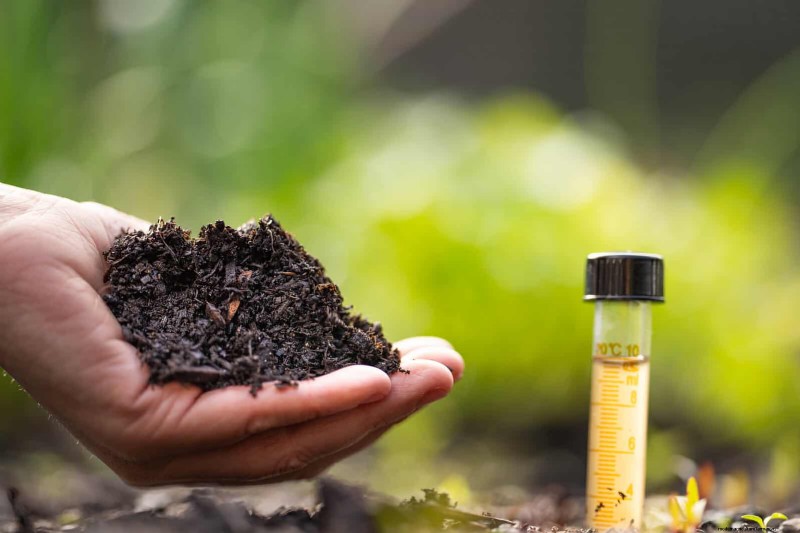
Assessing your soil’s health is foundational for successful planting. Perform a soil test to determine pH and nutrient levels. Use the results to amend the soil with compost, well‑rotted manure, or balanced fertilizers, creating optimal growing conditions. Regular testing and amendment in March give vegetables and flowers a strong foundation for growth.
 Depositphotos
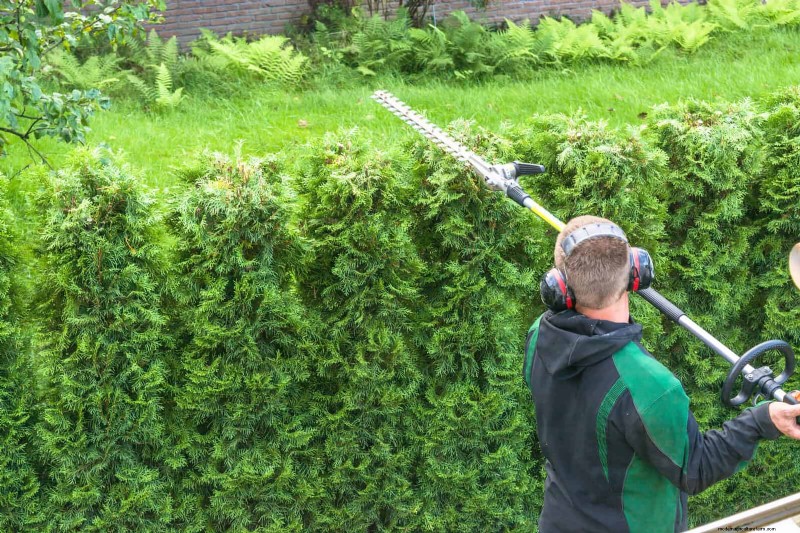
March is ideal for pruning deciduous trees and shrubs before they exit dormancy. Remove dead, damaged, or diseased limbs to promote healthy growth. Pruning improves air circulation and light exposure, and shapes the plant for the season ahead. Use clean, sharp tools and prune carefully to avoid unnecessary damage.
 Depositphotos
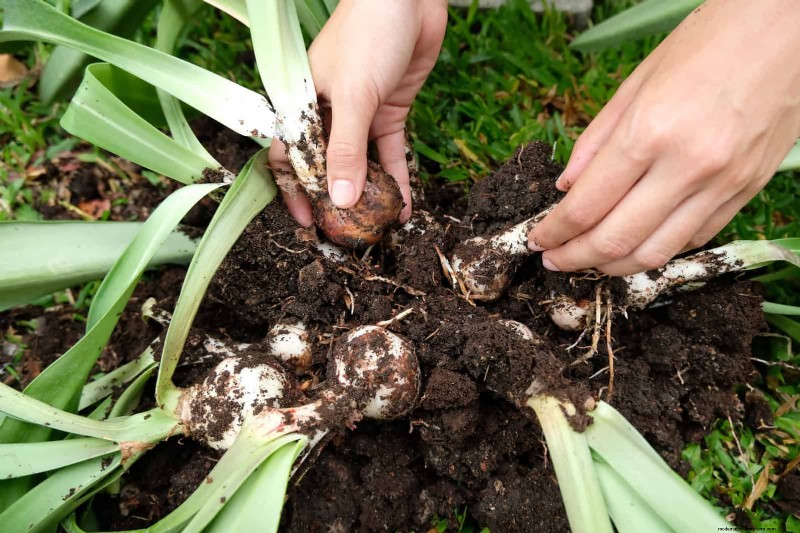
Dividing perennials controls their spread and boosts flower production. Dig up overcrowded plants, split them into smaller clumps, and replant in well‑prepared soil. Water thoroughly after transplanting to minimize shock. This process rejuvenates older perennials and can expand your garden or provide stock for sharing.
 Depositphotos
Design a vegetable garden layout that maximizes space and productivity. Decide on crop rotation to reduce disease, and incorporate companion planting for natural pest control. Schedule early‑spring crops like peas, lettuce, and radishes, and prepare raised beds or containers in advance. A well‑thought‑out plan ensures a smooth planting season.
 Depositphotos
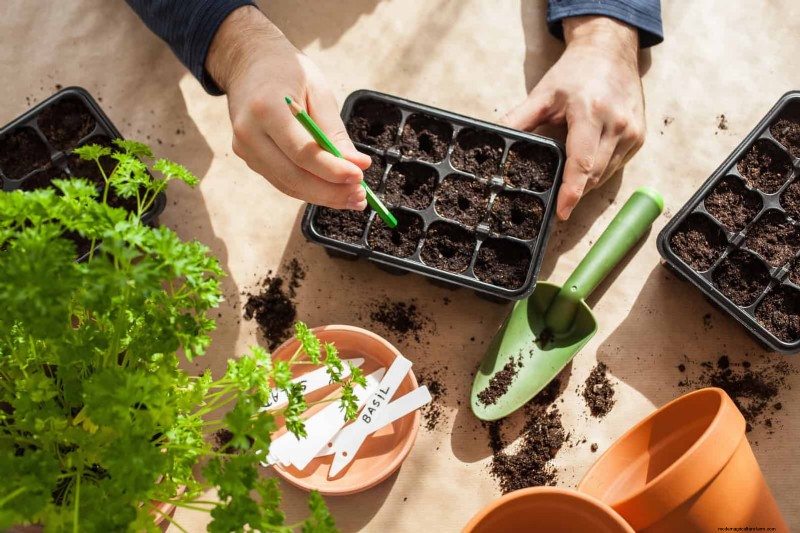
Gain a head start by germinating seeds indoors. Select tomatoes, peppers, herbs, and marigolds that benefit from early planting. Use quality potting mix, warm, sunny spots, or grow lights, and keep soil moist without waterlogging. Transplant seedlings outdoors once temperatures rise for stronger, healthier plants.
 Depositphotos
Maintain your gardening tools to improve efficiency and safety. Clean, sharpen, and oil pruners, shears, shovels, and hoes. Inspect for damage and repair promptly. Properly stored tools stay in good condition throughout the season, enabling you to tackle tasks with confidence.
 Depositphotos
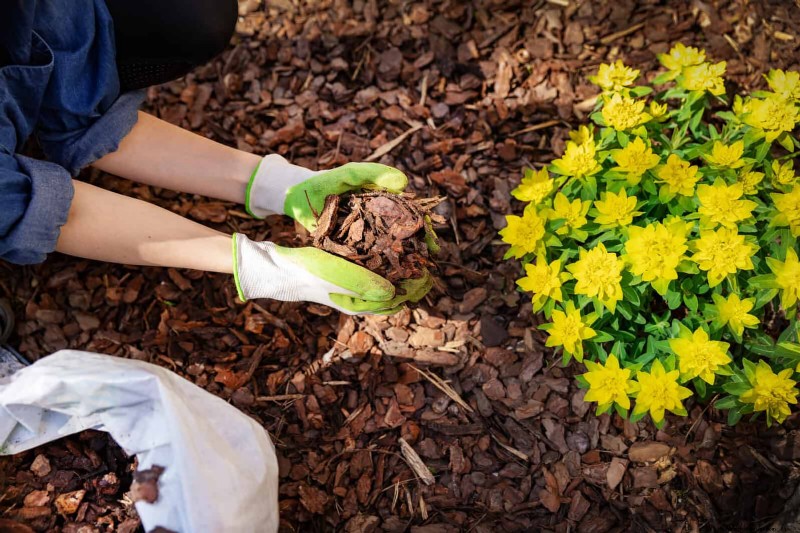
Apply a 2‑to‑3‑inch layer of organic mulch—such as straw, wood chips, or shredded leaves—to retain moisture, stabilize soil temperature, and suppress weeds. Keep mulch a few inches from stems to prevent rot. Mulching early improves soil structure and nutrient content as it decomposes, and it should be replenished as needed.
 Depositphotos
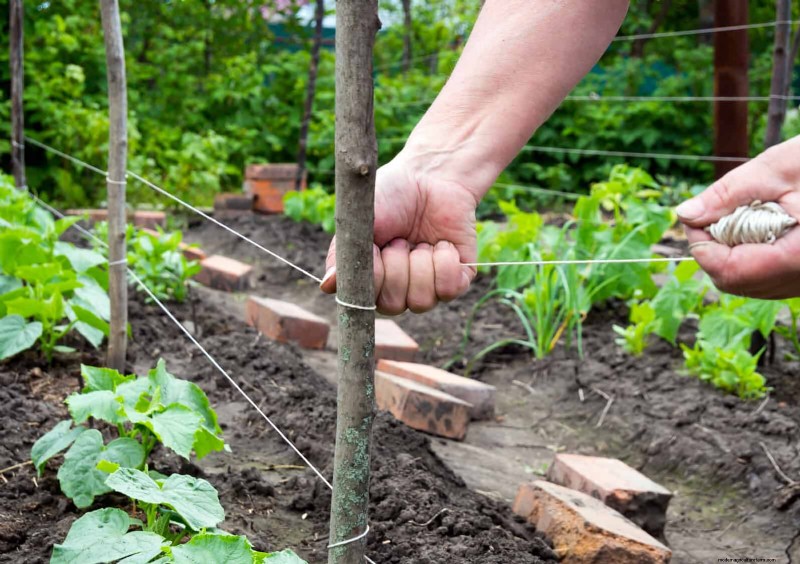
Inspect pathways, fences, trellises, and retaining walls for damage. Tighten loose stones, secure bolts, and repaint surfaces to enhance aesthetics and safety. Upgrades such as decorative stones or fresh paint can transform the look of your landscape. Maintaining hardscaping preserves function and visual appeal.
 Depositphotos
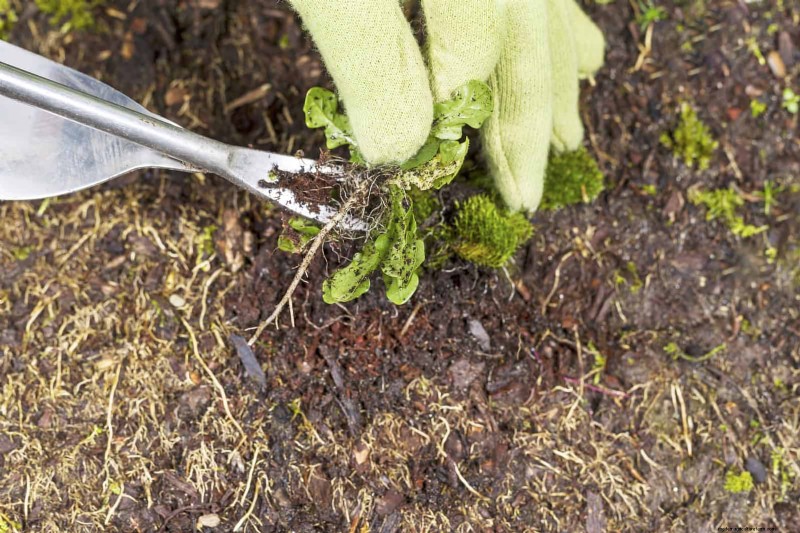
March is the window to prevent weeds from establishing. Hand‑pull existing weeds or apply organic herbicides, and consider a pre‑emergent product to block new growth. Regular weeding frees nutrients and water for your desired plants and keeps beds pristine.
 Depositphotos
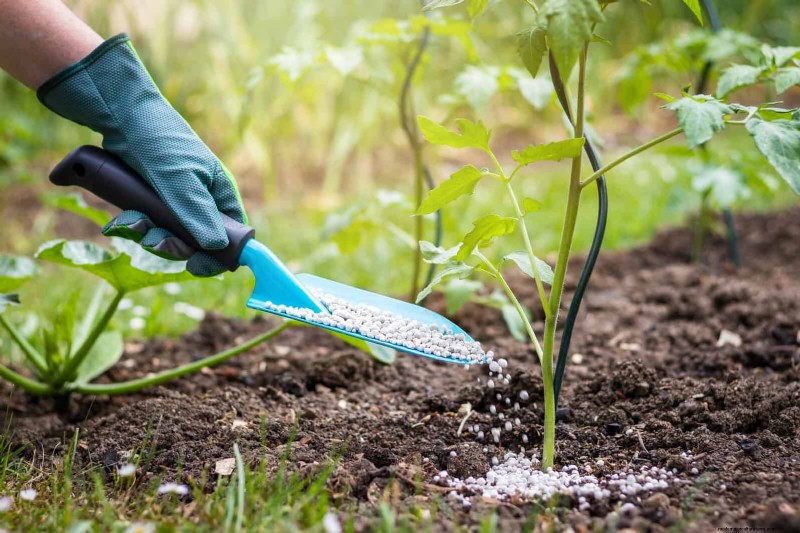
Feed lawns and gardens with organic or slow‑release fertilizers early in spring. Target areas with visible nutrient deficiency and follow manufacturer guidelines to avoid over‑fertilization. Well‑nourished plants resist pests and diseases, maximizing yield and overall health.
 Depositphotos
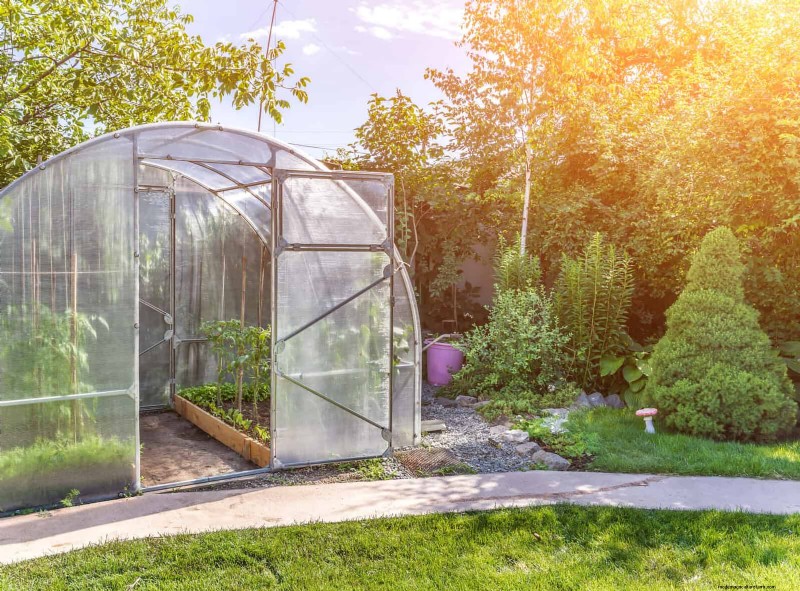
Prepare your greenhouse for the upcoming season by removing dust, algae, and dirt from glass or plastic panels. Verify that heating, ventilation, and irrigation systems operate efficiently. Disinfect seed trays and pots to prevent disease, and organize the space for streamlined plant care.
 Depositphotos
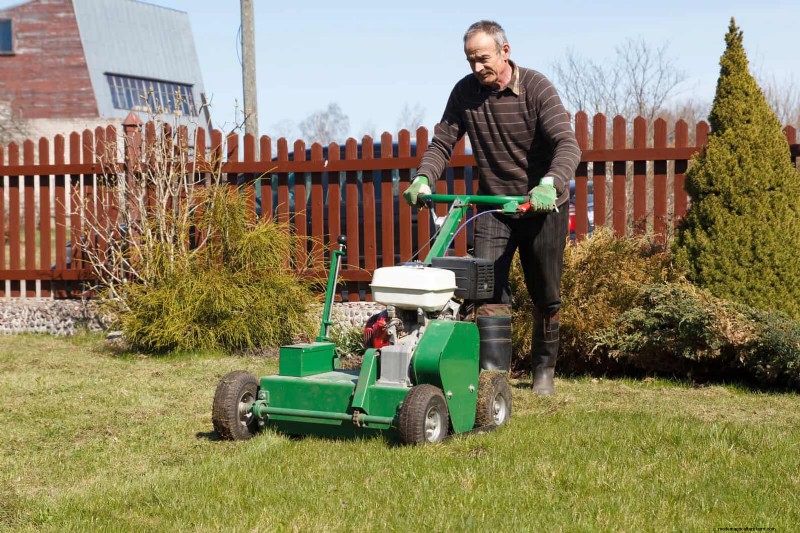
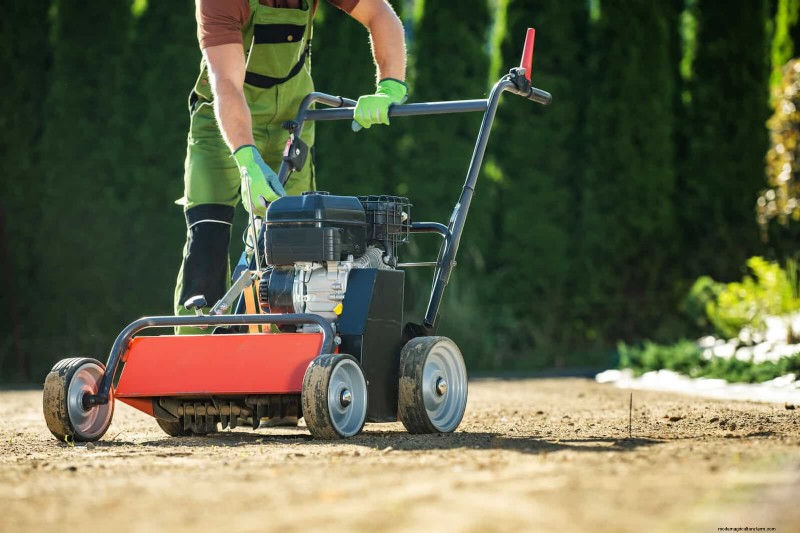
Compacted soil hampers lawn health. Aerate in March using a manual or mechanical aerator to create small soil cores, improving air, water, and nutrient flow. After aeration, apply fertilizer and water deeply to support grass recovery. Regular aeration keeps lawns lush and resilient.
 Depositphotos
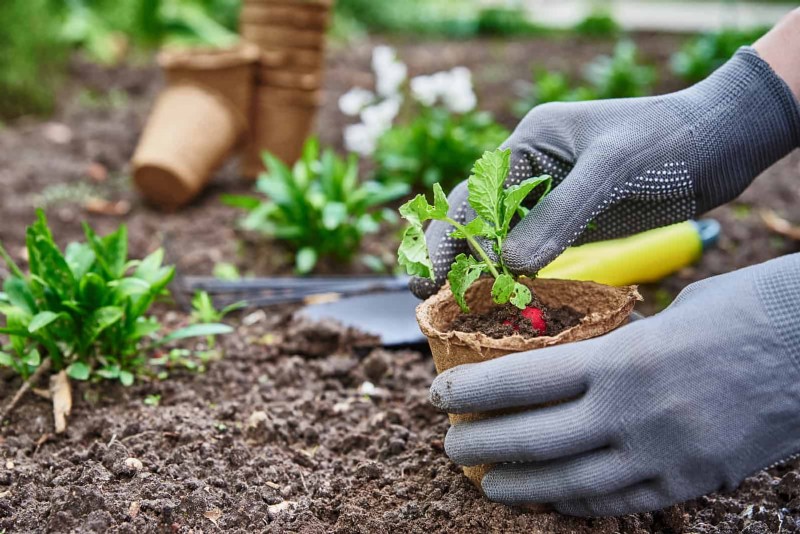
Take advantage of cooler temperatures by sowing spinach, lettuce, peas, broccoli, and radishes directly into prepared beds. Keep seedlings well watered and consider row covers to guard against sudden drops. Early cool‑season crops provide a productive harvest before summer heat.
 Depositphotos
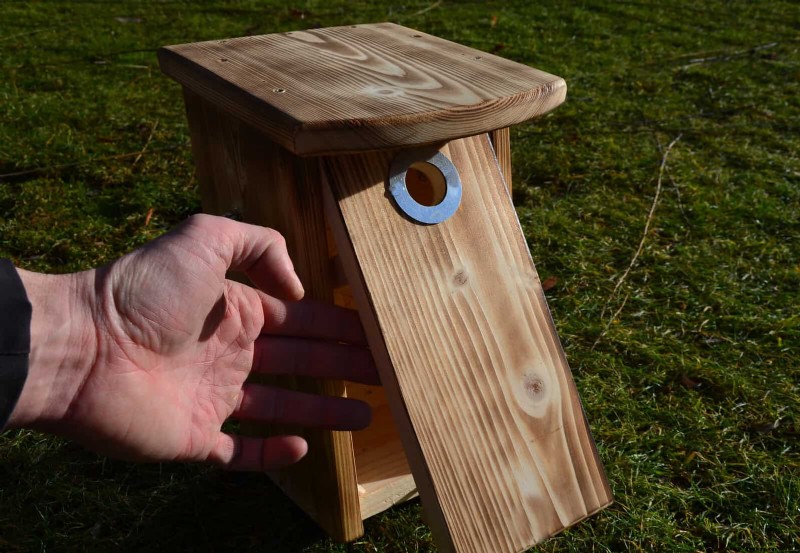
Maintain bird health by cleaning feeders and baths with a bleach‑water solution (1:9). Rinse thoroughly and allow to dry before refilling. Cleanliness reduces disease spread and encourages more birds to visit, enriching your garden’s ecosystem.
 Depositphotos
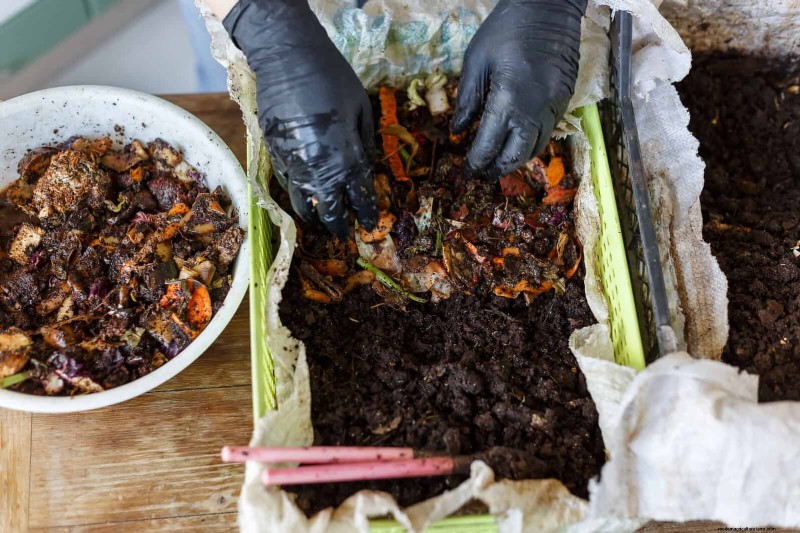
Refresh compost bins for increased garden waste. Turn piles to aerate and accelerate decomposition. Balance green and brown materials, keep moisture moderate, and turn regularly. A robust compost supply will feed beds and containers throughout the season.
 Depositphotos
Ensure irrigation systems function correctly before the growing season. Check for leaks, clogs, or damaged sprinkler heads. Adjust timers to match plant needs, and clean hoses, drip lines, and nozzles. A well‑maintained system conserves water and supports healthy plant growth.
 Depositphotos
Develop a planting calendar based on local climate data. Schedule planting, fertilizing, and harvesting dates, and incorporate succession planting for continuous yield. Reviewing the schedule throughout the season keeps you organized and maximizes productivity.
 Depositphotos
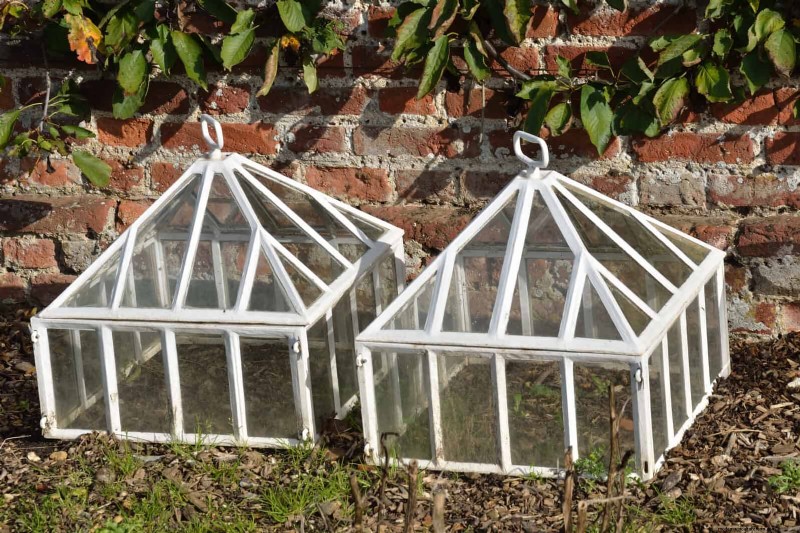
Frost risk remains in March. Monitor forecasts and protect tender plants with frost covers, cloches, or old sheets. Move potted plants indoors during cold snaps. Prompt protection reduces damage and helps plants recover quickly.
 Depositphotos
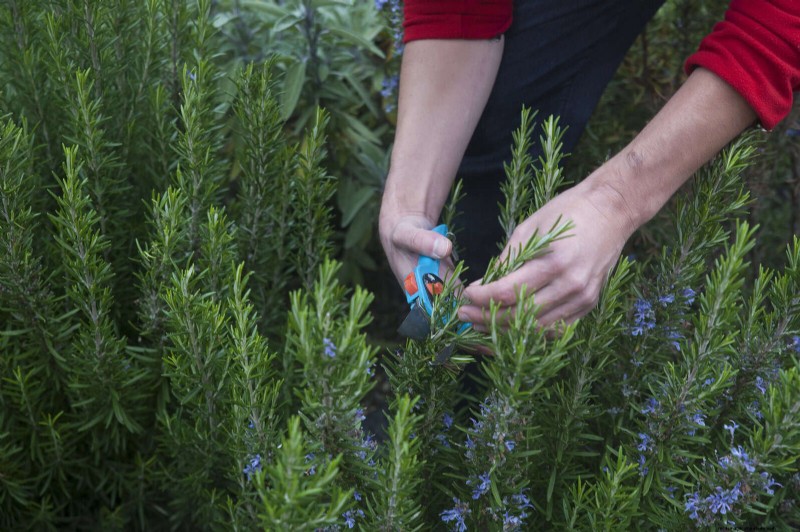
Refresh herb gardens by trimming dead growth, dividing overcrowded plants, and sowing new seeds. Regular harvesting encourages bushier growth and extends productivity. A revitalized herb patch supplies fresh flavors year‑round.
 Depositphotos
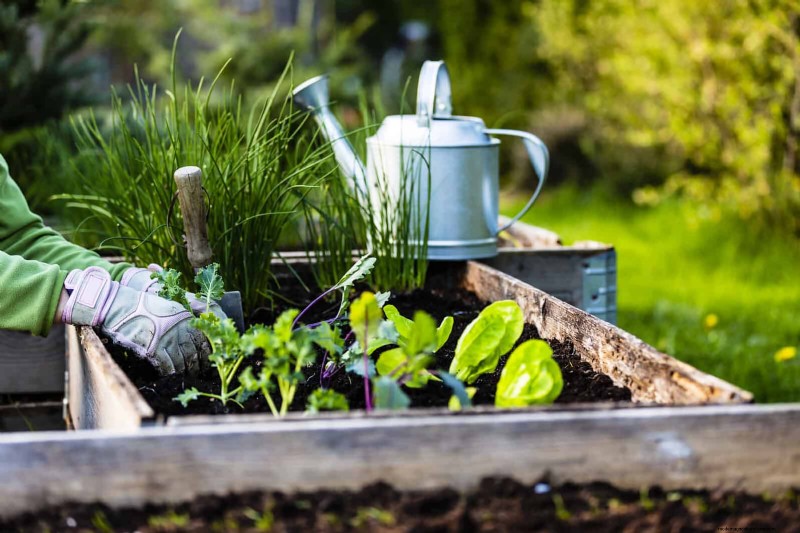
Clear previous season’s debris from raised beds, then amend the soil with compost or well‑rotted manure. Level the beds and ensure proper drainage. Raised beds warm faster, allowing earlier planting and sustained productivity.
 Depositphotos
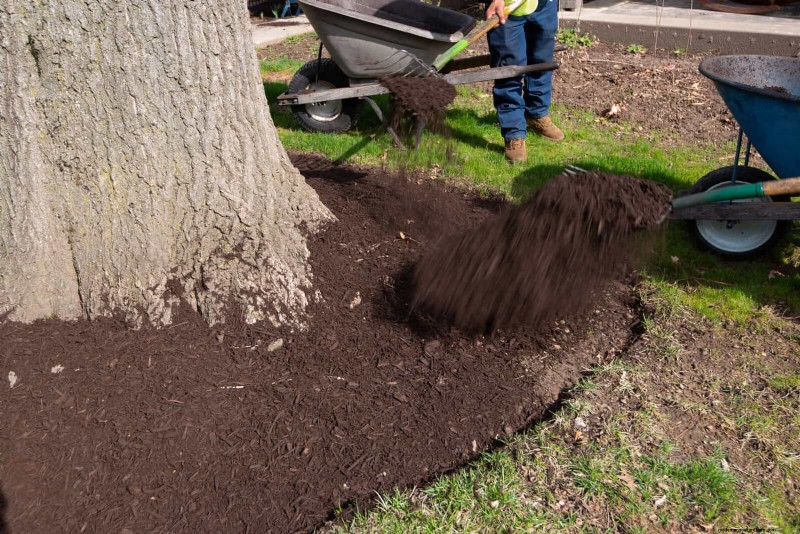
Replace old mulch around tree bases with fresh organic material. Keep mulch a few inches from the trunk to prevent rot. This practice retains moisture, moderates soil temperature, and suppresses weeds, giving trees a healthy start to the growing season.
 Depositphotos
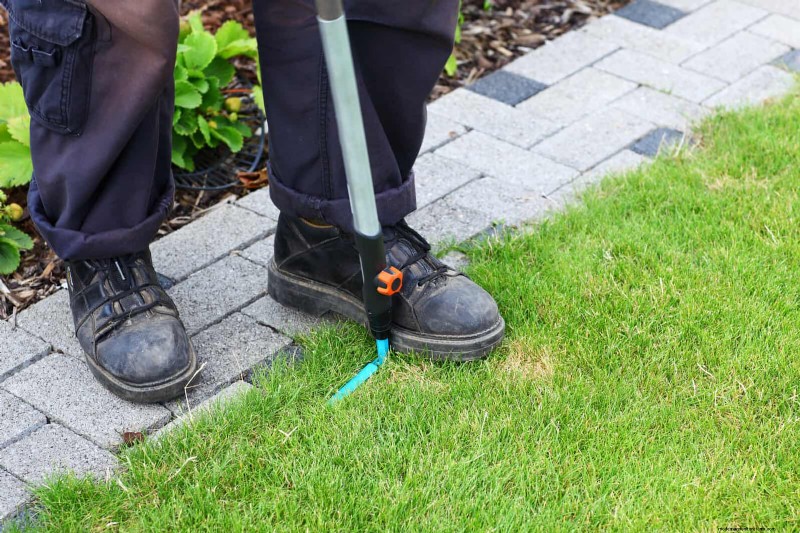
Create crisp, defined edges with a spade or edging tool. Proper edging keeps grass and weeds out of beds, simplifies mowing, and adds a polished aesthetic to the landscape.
 Depositphotos
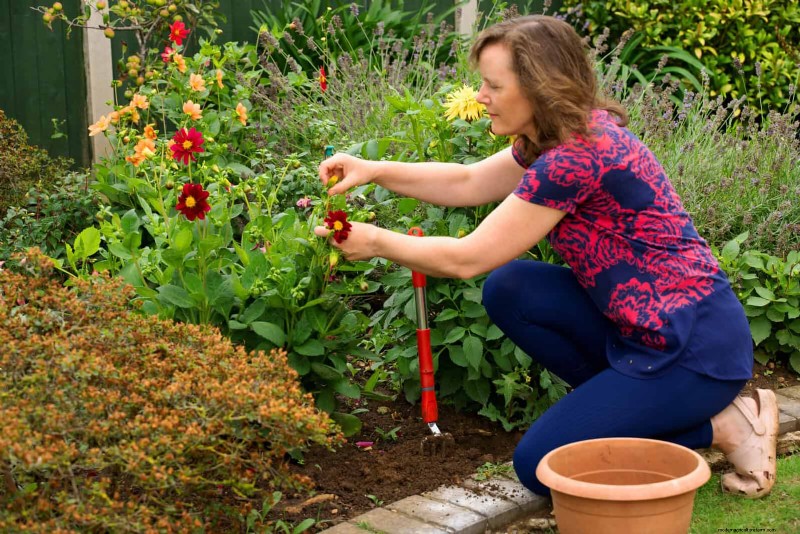
Inspect perennials for fresh growth and remove dead foliage. Consider dividing overgrown specimens to enhance vigor and expand your plant stock. Deep, regular watering and selective fertilization support robust root development.
 Depositphotos
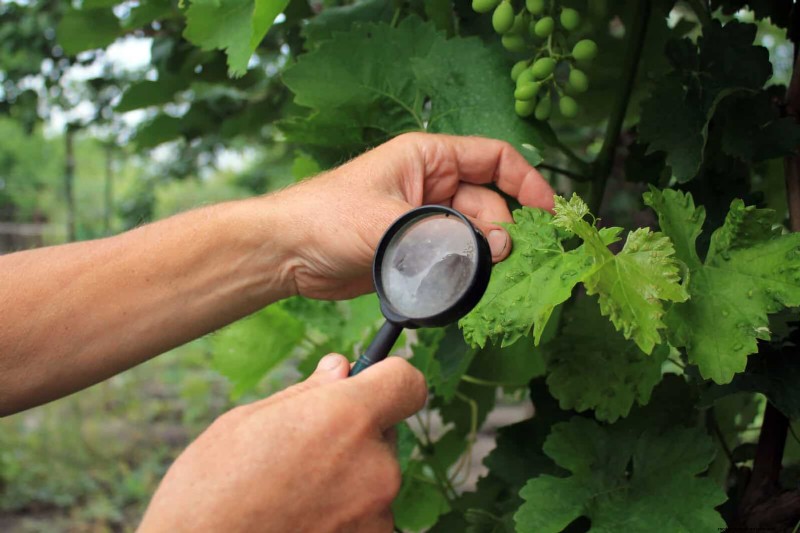
Conduct a pest survey and introduce beneficial insects such as ladybugs and lacewings. Use organic controls to keep pest populations in check, and monitor plants regularly to address issues before they worsen.
 Depositphotos
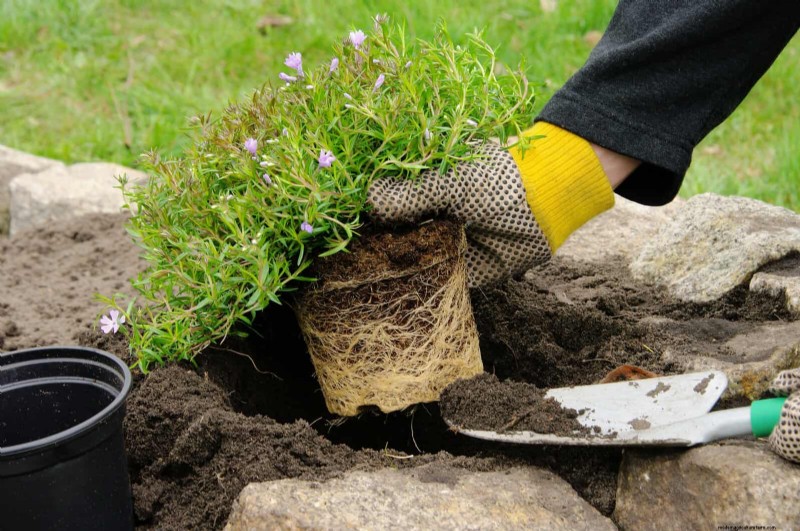
Early spring is ideal for planting bare‑root specimens. Soak roots for several hours, dig a hole that accommodates the root spread, and position the plant in a sunny, well‑drained spot. Water thoroughly after planting and maintain consistent moisture to encourage establishment.
 Depositphotos
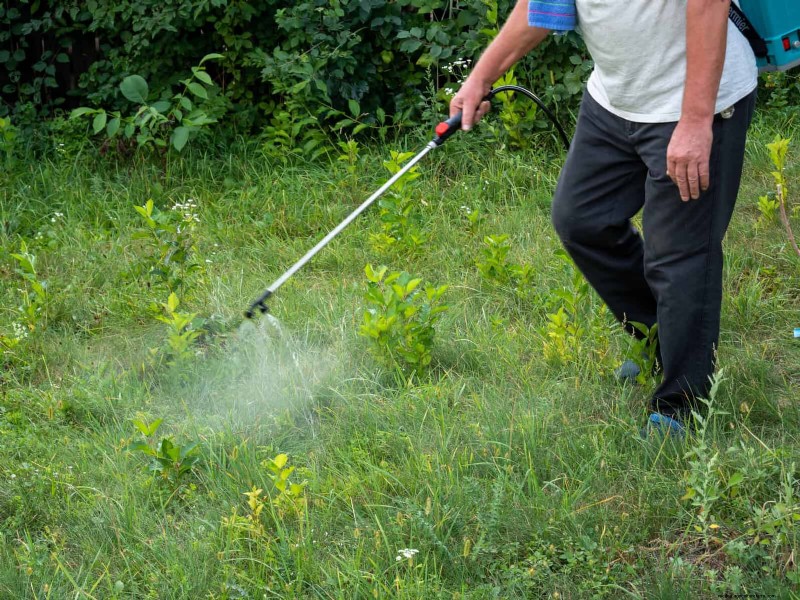
Use pre‑emergent products in March to create a barrier that stops weed seeds from germinating. Apply according to manufacturer instructions on beds, pathways, and lawns. Combine with regular weeding for a clean, healthy garden.
 Depositphotos
Sharpen blades, check oil and filters, and lubricate moving parts of your mower and other tools. A well‑maintained mower ensures a clean cut and extends equipment life, preparing you for the busy season ahead.
 Depositphotos
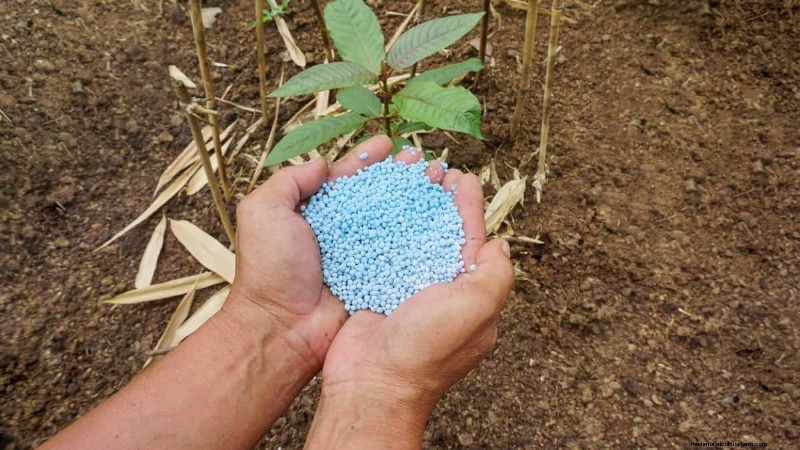
Early spring feeding boosts fruit tree vigor and yields. Apply a balanced or fruit‑specific fertilizer around the tree base, avoiding trunk contact. Water after fertilizing to carry nutrients to the roots. Consistent feeding throughout the season enhances fruit quality.
 Depositphotos
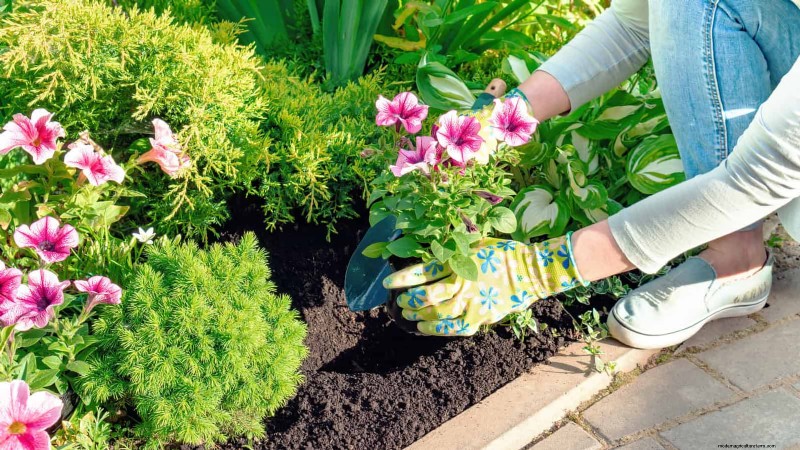
Design a pollinator‑friendly garden by selecting flowering plants that provide nectar and pollen for bees, butterflies, and other beneficial insects. Include native species that bloom at different times to offer a continuous food source. Add shelter and water to attract pollinators, supporting a balanced ecosystem.
 Depositphotos
March is the gateway to a flourishing spring garden, and the work you put in now will pay off beautifully. Every task you tackle this month is a stepping stone toward a healthier, more vibrant yard. From tidying up beds to planning for pollinators, your efforts will create a welcoming environment for plants, insects, and visitors alike. Gardening in March is about preparation, nurturing, and setting the stage for future growth. Embrace this exciting time of year and watch your garden transform into a thriving paradise.

Editorial oversight
GardenTabs content is reviewed by Steve Snedeker, a seasoned gardener with decades of hands‑on landscaping experience.