Welcome to Modern Agriculture!

Indoor plants brighten our homes, cleanse the air, and boost wellbeing, but a sudden swarm of pests can ruin that tranquility. From fungus gnats to spider mites, these tiny invaders can undermine plant health and cause distress. The silver lining? Effective pest control doesn’t require harsh chemicals. By applying a few evidence‑based, plant‑friendly techniques, you can safeguard your green companions and reclaim a peaceful space.

When you buy a new plant, conduct a thorough inspection from stem to soil. Look for hidden eggs, webbing, or adult insects. Even a seemingly healthy specimen can carry pests beneath leaves or inside the pot. After inspection, quarantine the newcomer in a separate room for at least seven days. This simple quarantine protects your existing collection and gives you early warning of potential infestations.
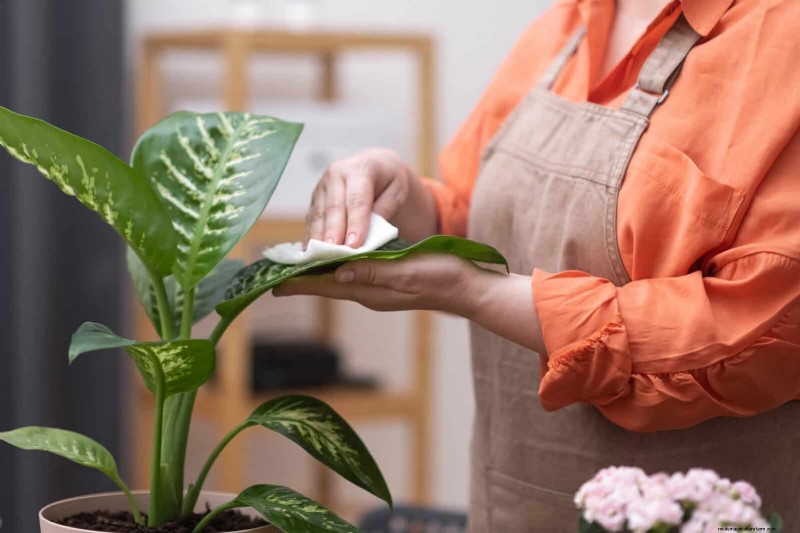
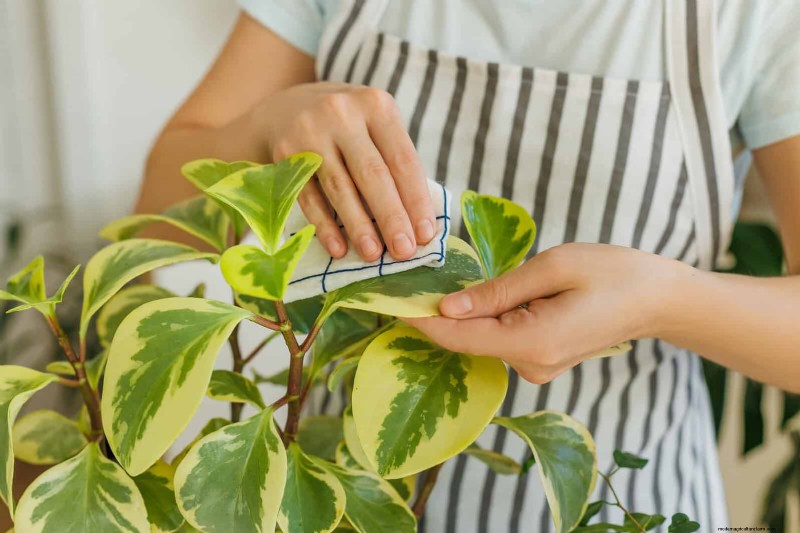
Dust and debris attract spider mites and aphids. Using a soft microfiber cloth dampened with lukewarm water, gently wipe each leaf every 7–10 days. Not only does this reduce pest attraction, it also improves photosynthetic efficiency and helps you spot early signs of infestation.
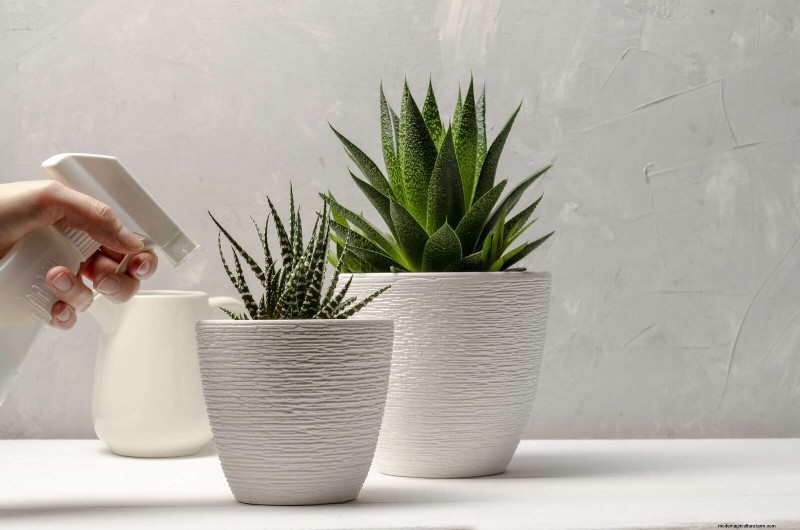
Neem oil, a cold‑pressed botanical insecticide, disrupts the life cycle of many pests. Mix 1 tsp of neem oil with 1 quart of lukewarm water and a few drops of mild dish soap. Shake well, then spray the solution on foliage, stems, and the soil surface every 7–10 days. Apply in the early morning or late afternoon to avoid sunburn, and always perform a patch test on a single leaf first.
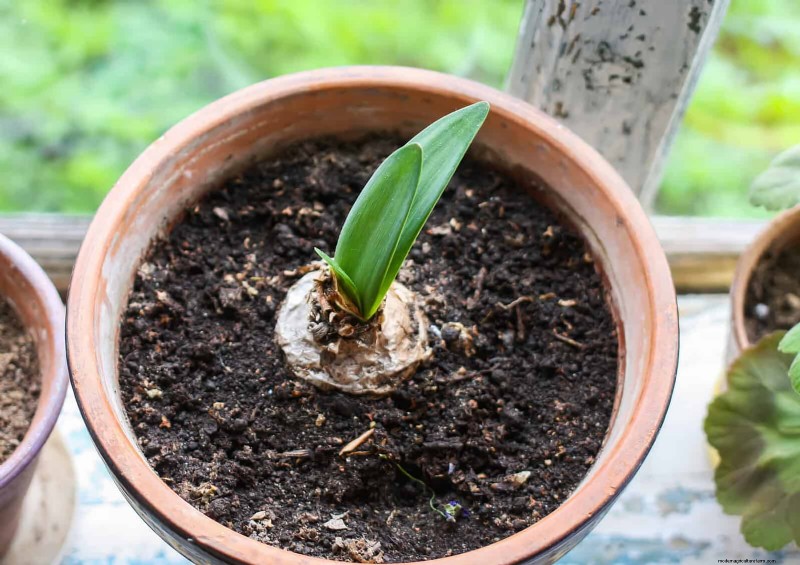
Fungus gnats thrive in overly moist soil. Let the top inch or two dry before watering again. Most houseplants benefit from this practice, as it mimics their native conditions and reduces root rot risk. Use a moisture meter or finger test to gauge soil dryness.
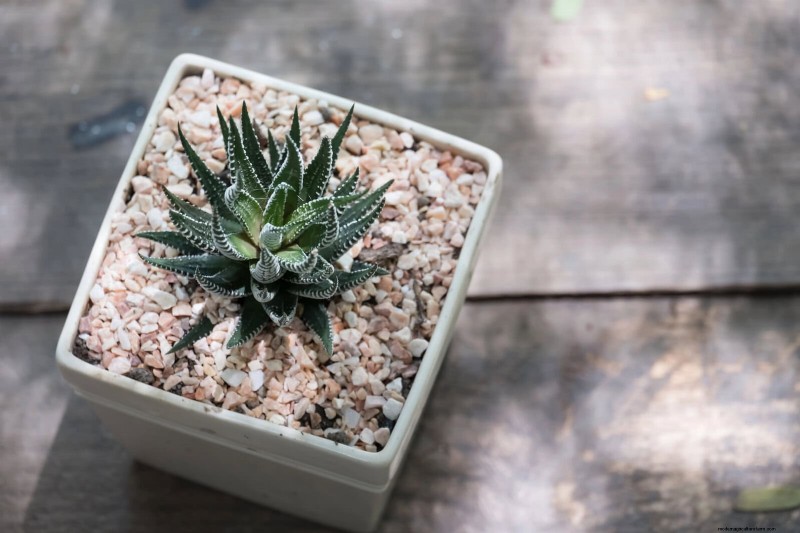
Spread a 1–2 cm layer of coarse sand, decorative gravel, or horticultural grit over the soil. This barrier prevents gnats from reaching the moist substrate where they lay eggs. Pair with dry‑soil practices for maximum effect, and you’ll see a noticeable drop in gnat activity.
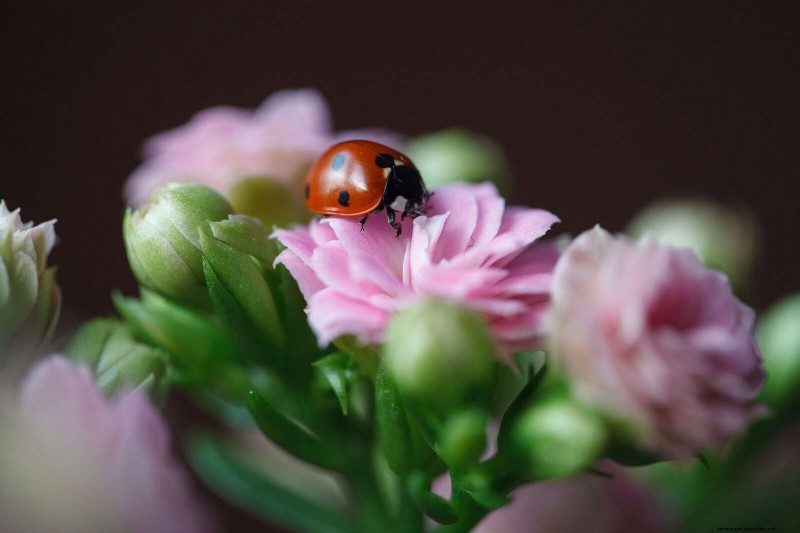
Introduce predatory insects such as ladybugs, green lacewings, or predatory mites into rooms housing multiple plants. These beneficial bugs feed on aphids, mealybugs, and spider mites, creating a natural balance without mandating sprays. Keep temperatures steady (68–75 °F) to encourage mandibles to thrive.
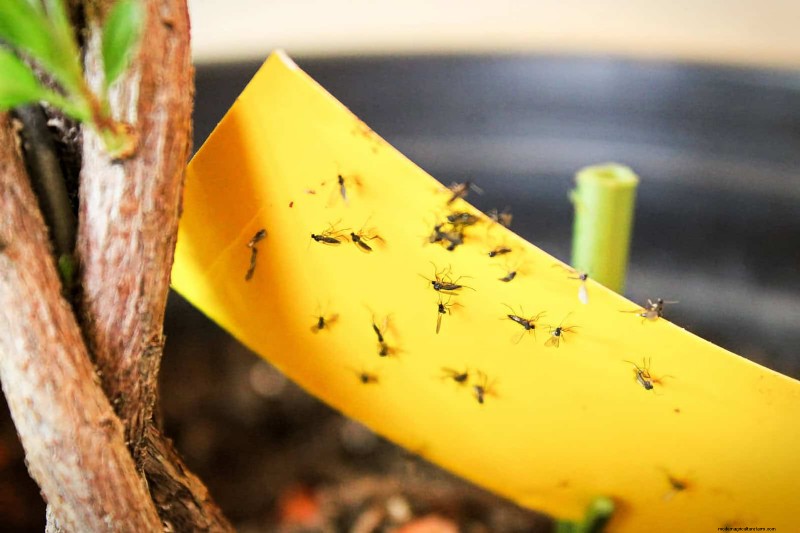
Bright yellow sticky traps attract and capture flying pests like whiteflies, gnats, and fruit flies. Position them above the soil surface or near the canopy. Replace once saturated; the visual feedback offers an instant audit of pest pressure.
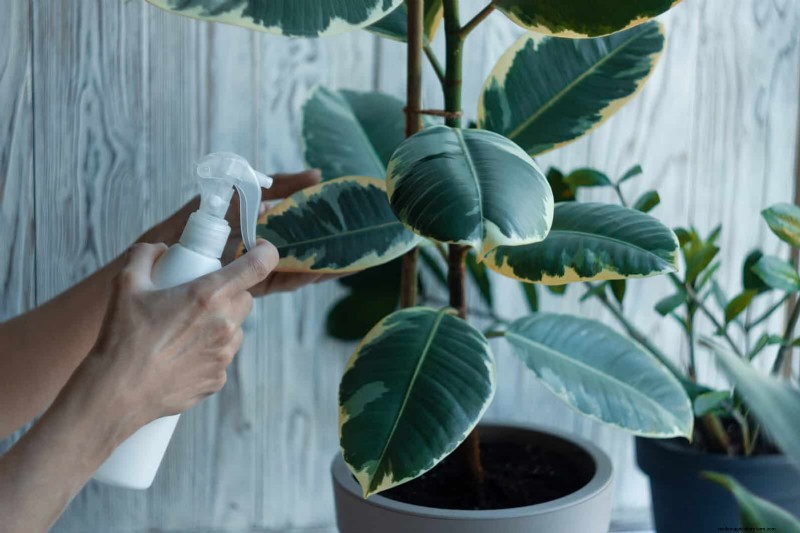
Combine 1 tsp of mild dish soap with 1 quart of lukewarm water. Mist infested foliage every few days. After 15 minutes, rinse with clean water to prevent soap residue buildup. This method dehydrates soft‑bodied pests while being gentle on plant tissues.
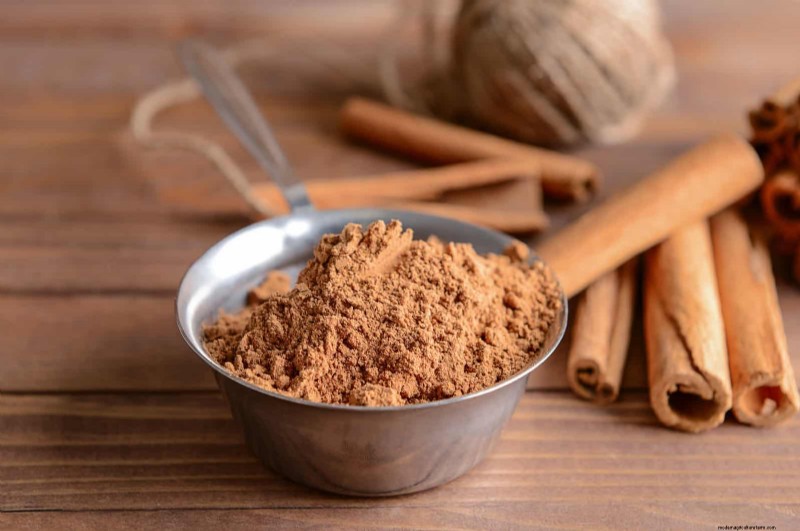
Sprinkle ground cinnamon over damp soil to reduce surface mold and discourage gnat eggs. Cinnamon’s antimicrobial properties help keep the soil micro‑environment unfavorable for pest reproduction. Reapply after watering for sustained effect.
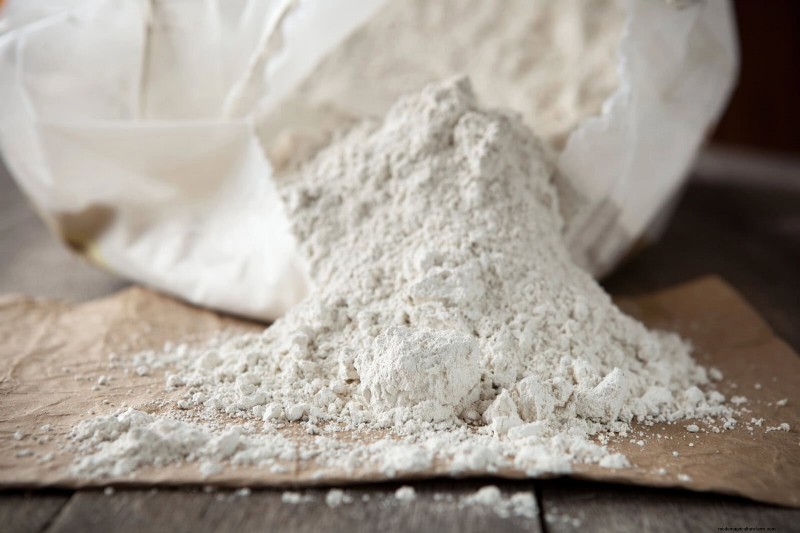
Food‑grade DE is a natural, abrasive powder that damages the exoskeleton of crawling insects. Lightly dust a thin layer over dry soil and around pot bases. Avoid wetting DE, as moisture reduces its efficacy. Wear a mask during application to protect lungs.

Mix one part 3% hydrogen peroxide with four parts water. Apply to the soil until it drains, creating a gentle fizz that kills gnat larvae and introduces oxygen to the root zone. Use only when gnats are present, not as a routine treatment.
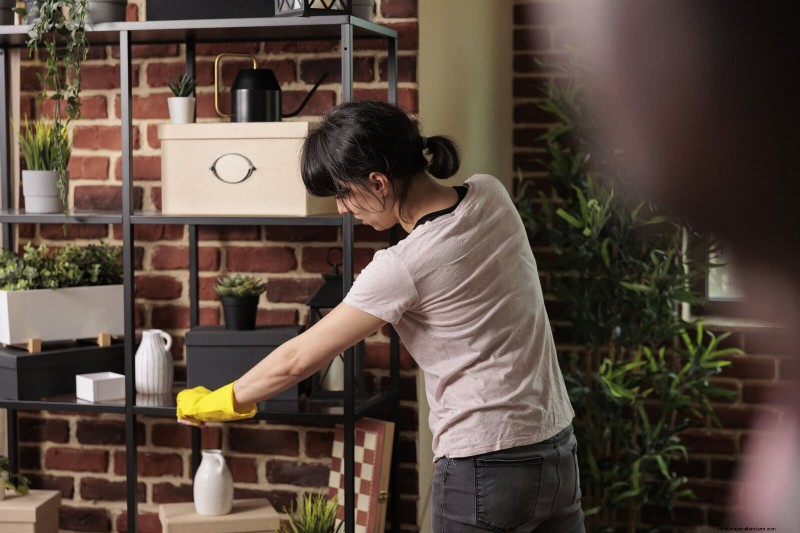
Regular vacuuming, wiping surfaces, and promptly removing fallen leaves or spilled soil deter pests that thrive in clutter. Store potting soil and tools in sealed containers to avoid attracting insects. A tidy environment is the first line of defense.
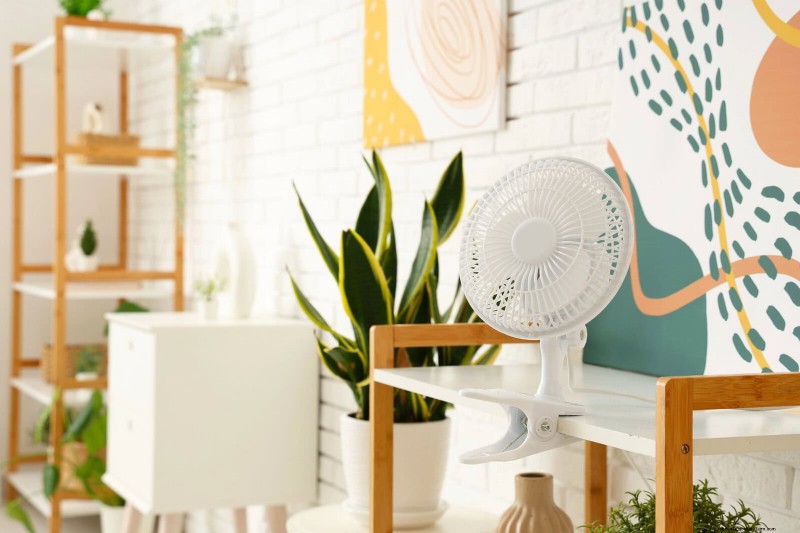
Use a low‑speed fan to circulate air near plant shelves. This reduces humidity, dries out excess moisture, and deters spider mites, mold, and mildew. Rotate the fan direction every few days to ensure even airflow.
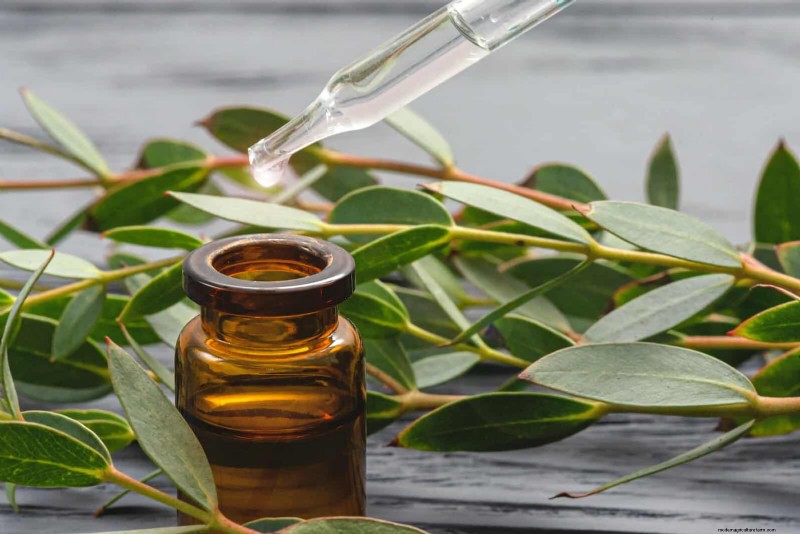
Blend 10 drops of peppermint, rosemary, or eucalyptus oil with water and a splash of dish soap. Spray lightly on foliage once a week to repel aphids, spider mites, and whiteflies. Test on a small leaf first and avoid pets’ proximity if oils are toxic to animals.
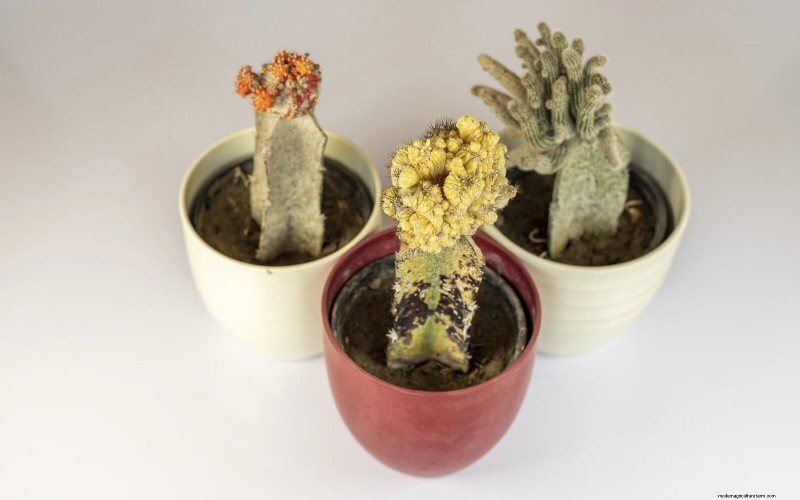
Upon spotting pests, separate the plant from others for at least two weeks. Treat the isolate with chosen methods and monitor daily for any residual bugs or eggs before reintroducing it to the collection.
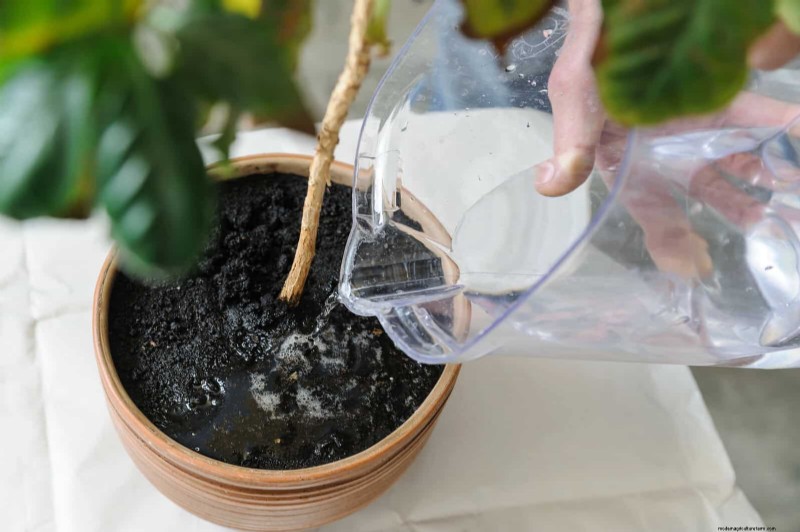
Every 2–3 months, flush the pot with clean water until runoff is clear. This removes excess salts, mold spores, and lingering pests, especially in bottom‑watered systems. Drain over a sink or saucer to capture runoff.
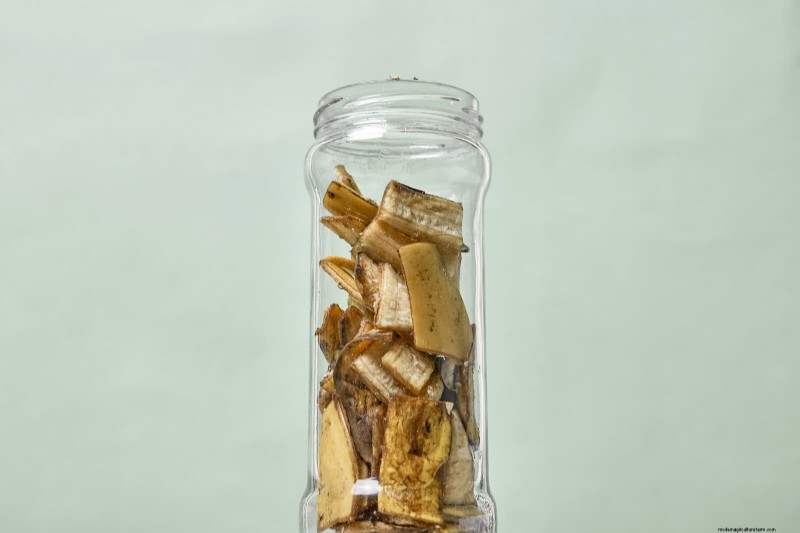
Place a small piece of banana peel in a jar with a perforated lid. The scent lures fruit flies and gnats inside, where they cannot escape. Replace the bait every few days and compost the used peel afterward.
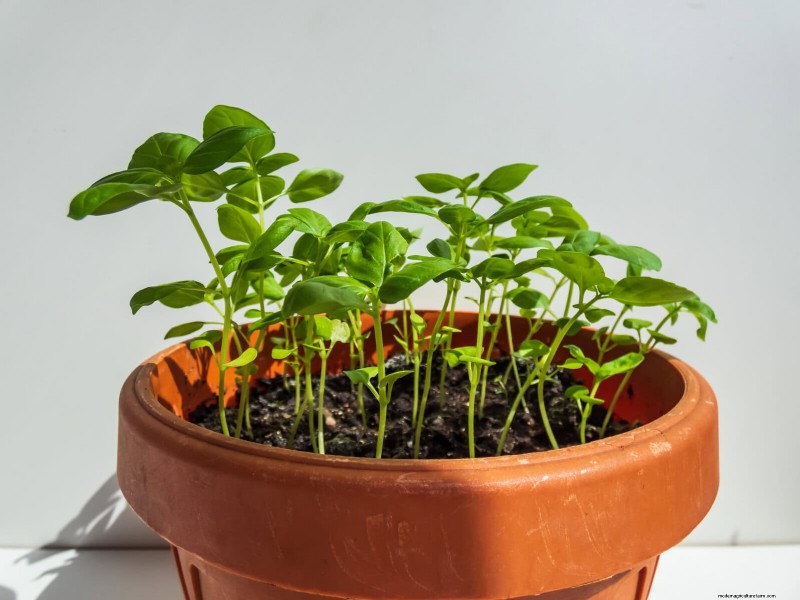
Position basil, lavender, rosemary, or mint near susceptible houseplants. Their aromatic oils naturally deter aphids and whiteflies. You’ll also enjoy fresh herbs for cooking or tea.
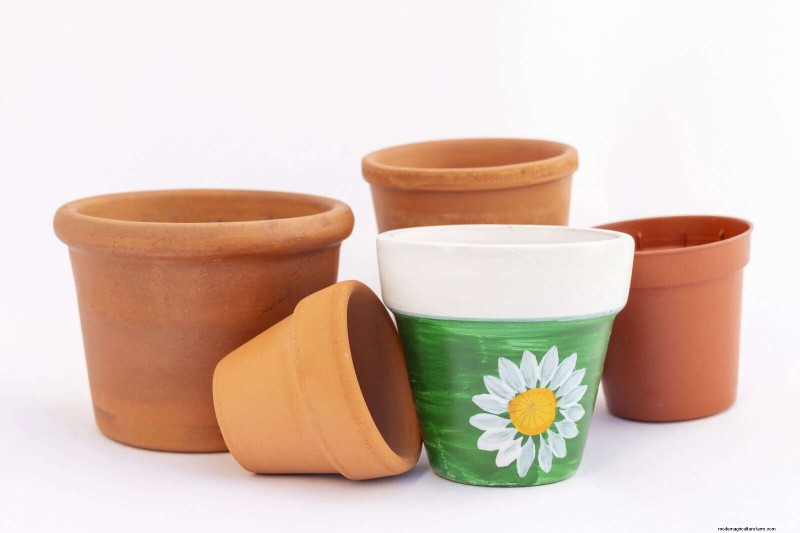
Wash pots with warm, soapy water, then soak in a 1:3 vinegar‑to‑water solution for 15 minutes to kill residual bacteria or pest eggs. Rinse thoroughly and dry before repotting to prevent disease transmission.
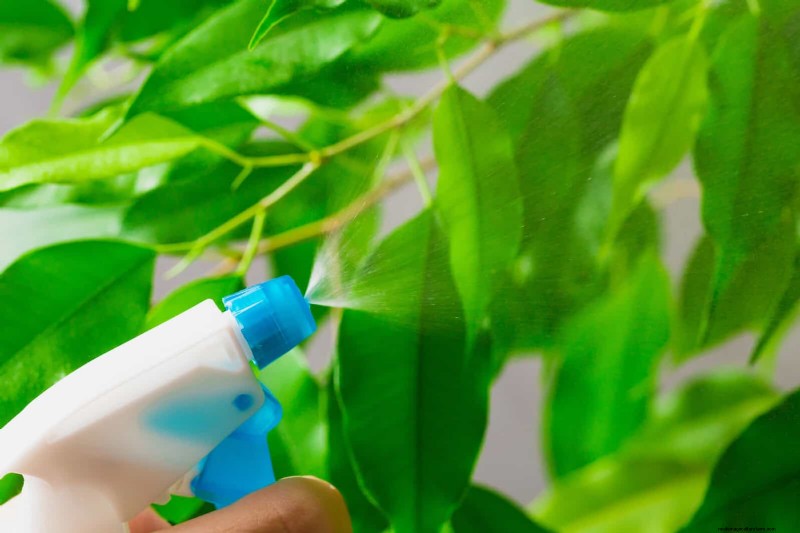
Mix one part 70% isopropyl alcohol with four parts water. Spray lightly on mealybugs, spider mites, or aphids, or apply directly with a cotton swab. Avoid new growth and test a single leaf first. Repeat every few days until pests are eliminated.
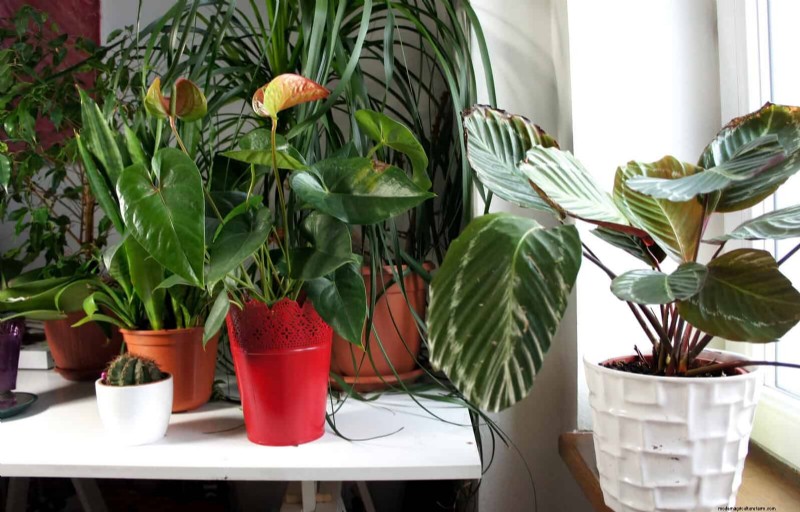
Give each plant enough room for air circulation. Close grouping creates humid pockets that favor pests. Adequate spacing also eases cleaning, inspection, and watering, leading to healthier, less stressed foliage.
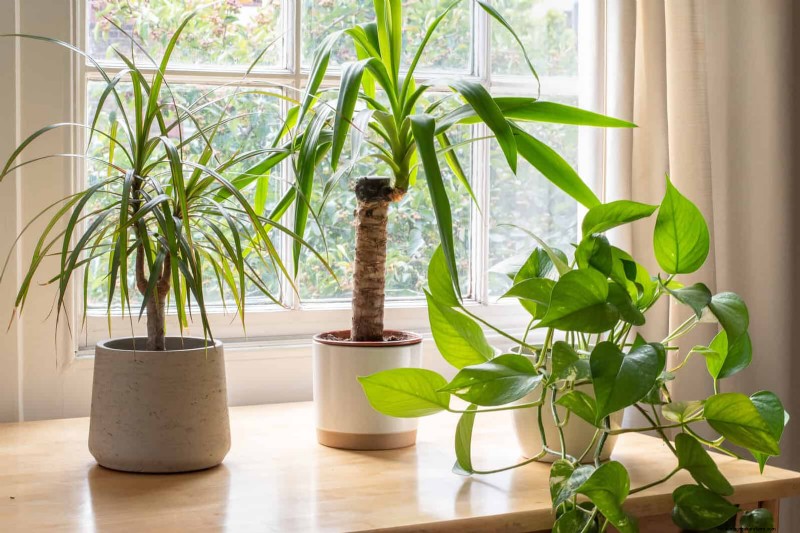
With these natural, plant‑friendly tactics, you can prevent, detect, and eliminate indoor pests without resorting to toxic chemicals. The result is stronger roots, vibrant leaves, and a serene, pest‑free environment.
For more on managing pests that specifically trouble pothos, see Managing Common Pests that Trouble Pothos Plants.

Editorial oversight
GardenTabs content is reviewed by Steve Snedeker, a seasoned gardener with decades of hands‑on landscaping experience.