
Welcome to Modern Agriculture!

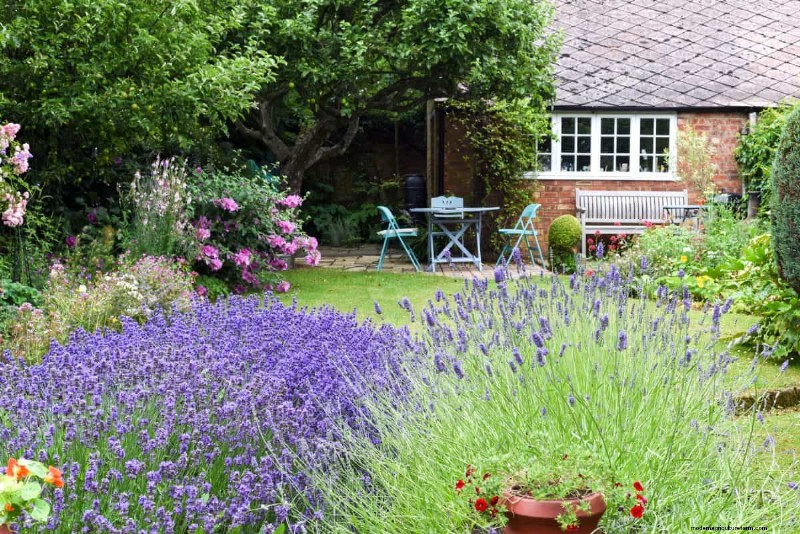
The pursuit of a flawless, evergreen lawn is waning, and for solid reasons. Growing environmental awareness has steered homeowners toward sustainable, visually appealing options. Conventional lawns consume vast amounts of water, chemicals, and labor, making them untenable in many regions. In contrast, native species and eco‑friendly ground covers offer beauty, resilience, and ecological benefits. From ground covers to edible gardens, it’s time to redesign outdoor spaces that harmonize with nature.
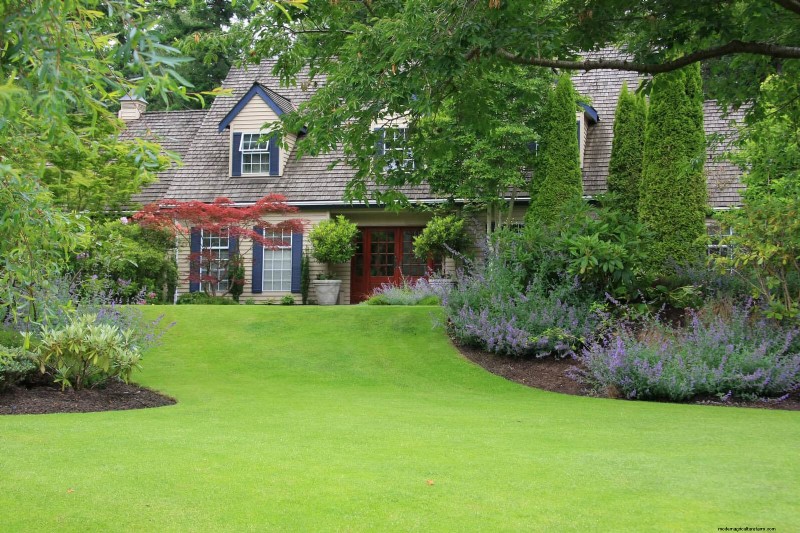
Traditional lawns can require up to 20,000 gallons of water each year, especially in hot, dry seasons. This heavy usage strains local supplies and inflates utility bills. Switching to drought‑tolerant species such as lavender, sedum, or yarrow can slash water consumption by half or more. Native grasses or clover, with deep root systems, demand far less irrigation while still offering a lush appearance.
Save this article & also instantly unlock today’s gardening deals!
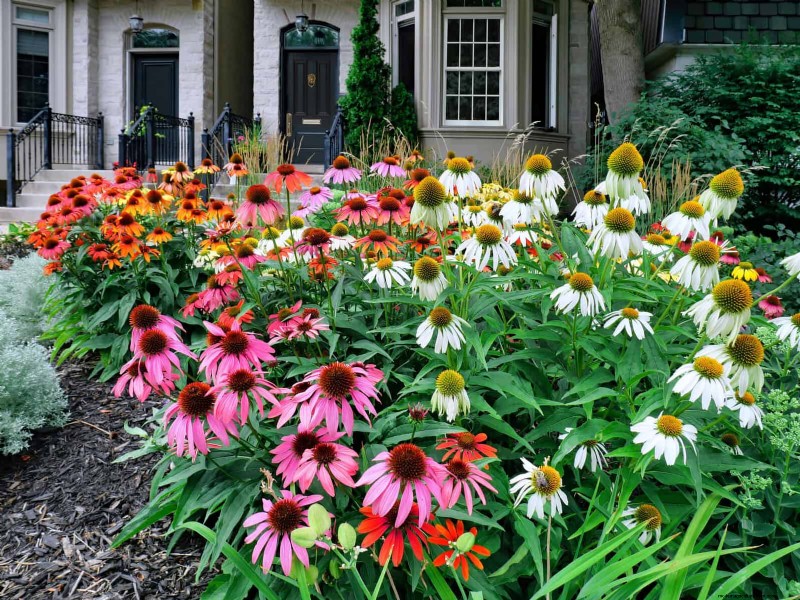
Homeowners often rely on pesticides and herbicides to keep lawns pristine. These chemicals can leach into groundwater, threaten pets, and pose health risks to humans. Runoff from treated lawns pollutes rivers, lakes, and streams. Choosing native plants eliminates the need for these chemicals because they are naturally adapted to local conditions. Pollinator‑friendly options like bee balm and coneflower thrive without external inputs.
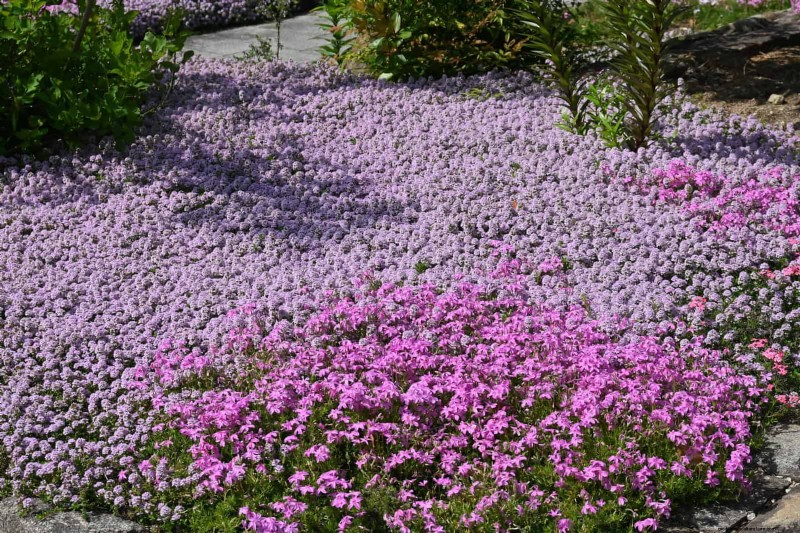
Maintaining a lawn demands constant mowing, fertilizing, and reseeding, which steadily inflate household expenses. In contrast, perennial gardens and low‑maintenance ground covers—such as creeping thyme—offer resilience and fragrance while reducing costs. These plants often provide additional ecological services, such as attracting pollinators.
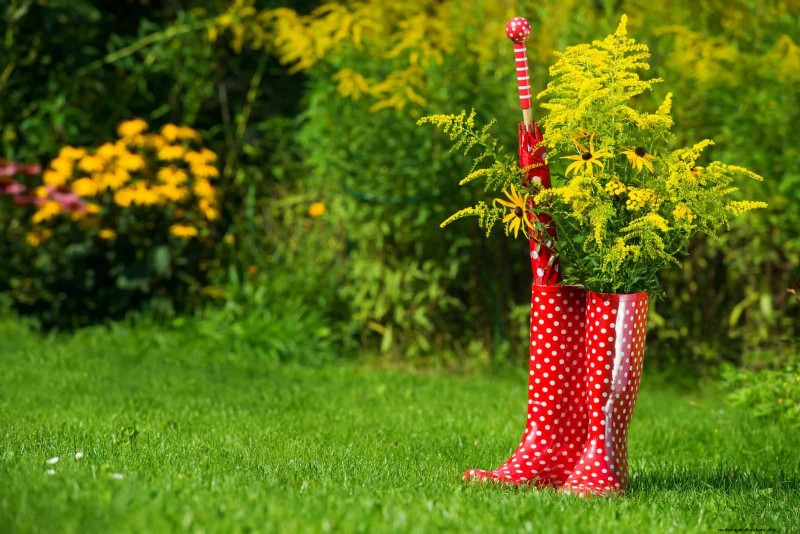
Lawns are monocultures that supply minimal shelter or food for wildlife, contributing to pollinator decline. Replacing sections with wildflower meadows or native shrubs promotes biodiversity. Plants like milkweed and goldenrod lower urban heat, improve air quality, and create a habitat that supports local species.
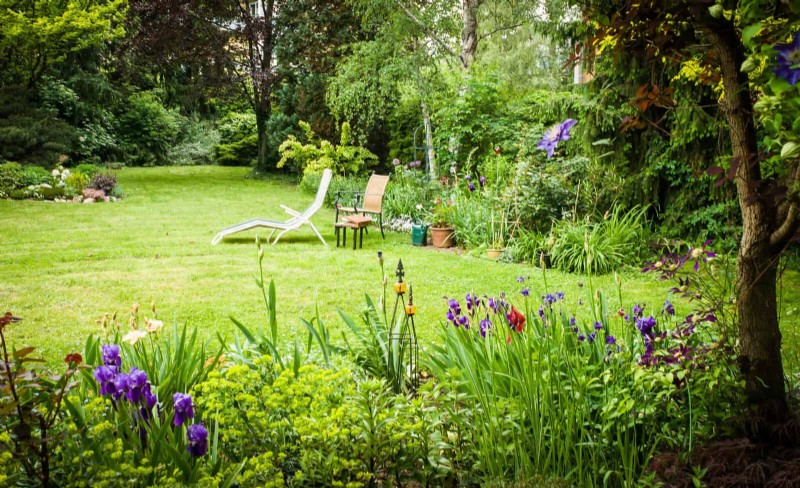
Continuous mowing and chemical use compact soil, reducing its porosity and water‑infiltration capacity. Deep‑rooted alternatives—prairie grasses, wildflowers—naturally loosen compacted layers, improving drainage and encouraging healthier plant growth.
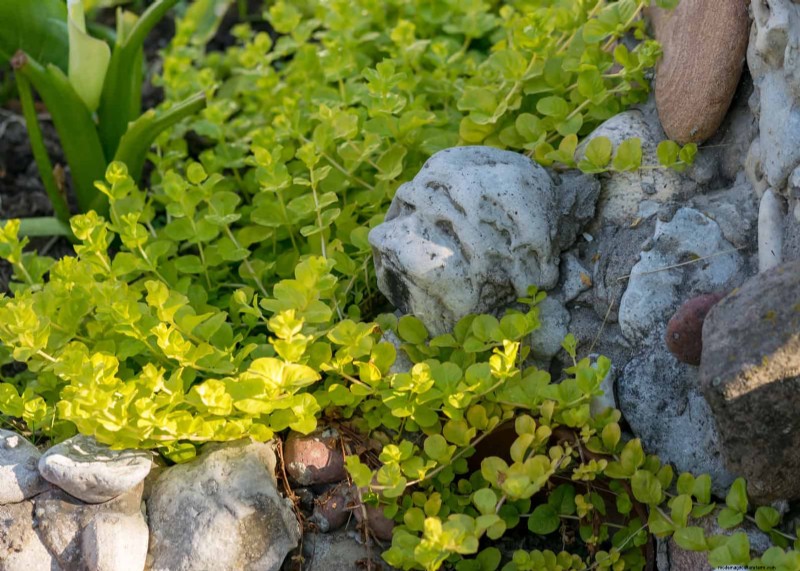
Gas‑powered mowers emit carbon comparable to driving a car for 300 miles. Replacing grass with low‑maintenance ground covers eliminates the need for noisy, polluting equipment, reducing local air pollution.
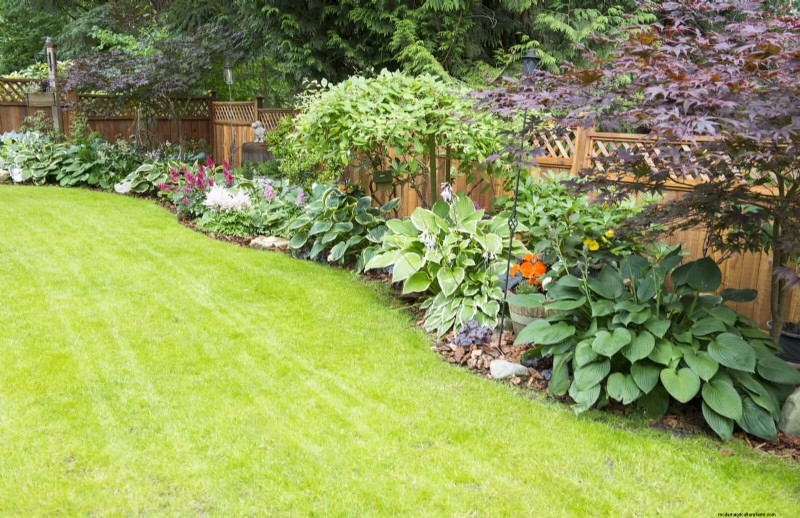
Homeowners spend roughly 70 hours a year caring for lawns. Switching to ornamental grasses, native perennials, or wildflowers cuts maintenance time, saves money, and enriches biodiversity.
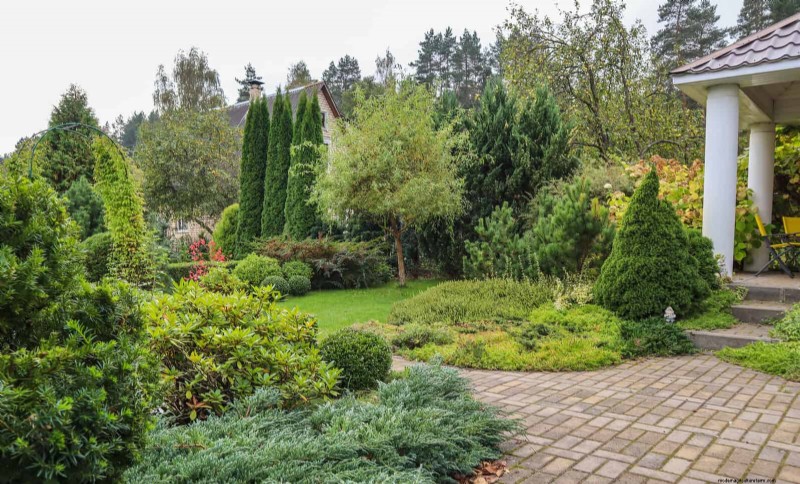
Large lawns contribute to the heat island effect, raising ambient temperatures and driving up cooling costs. Trees, shrubs, and shade‑loving ground covers—hostas, ferns—provide natural shade and evapotranspiration, lowering outdoor temperatures.
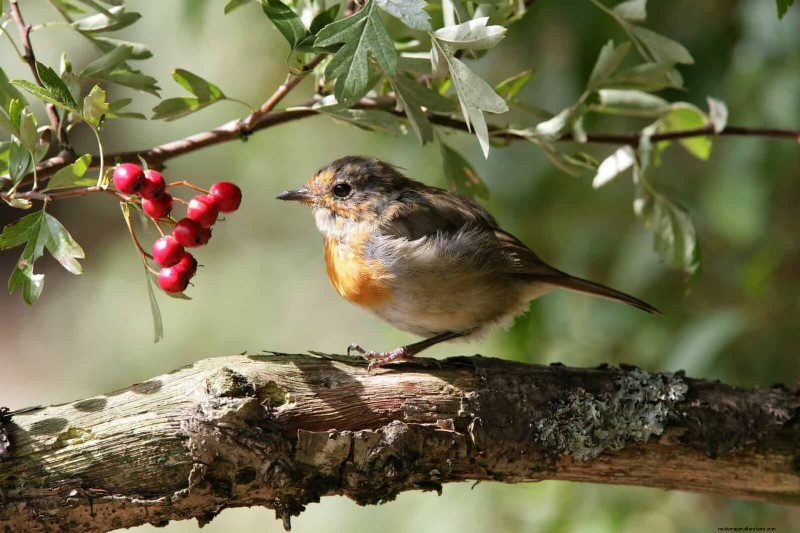
Lawns offer little for wildlife. Introducing berry‑producing shrubs, wildflowers, or fruit trees creates a mini‑sanctuary that attracts birds, insects, and other beneficial species.
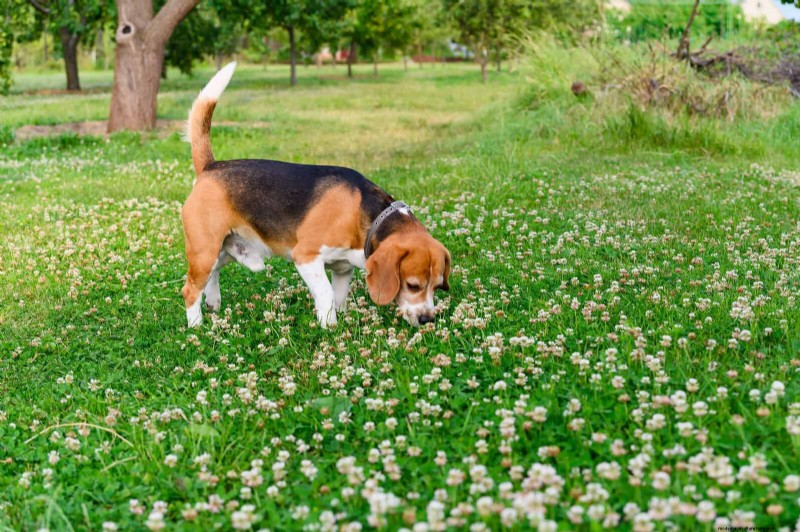
Fertilizers can leach into waterways, causing algal blooms. Ground covers and native plants—clover, for example—naturally enrich soil nitrogen, reducing the need for synthetic fertilizers.
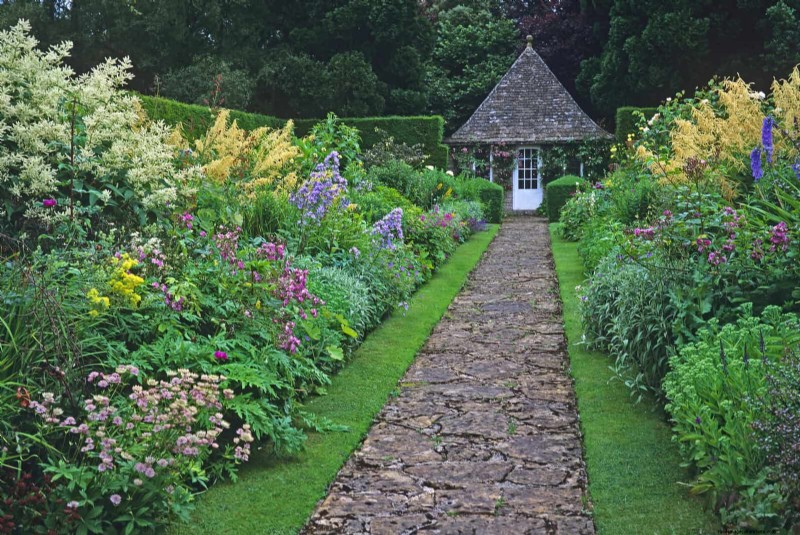
Lawns lack visual interest. Combining native flowers, ornamental grasses, and ground covers adds seasonal color, texture, and structural variation, creating a dynamic landscape.
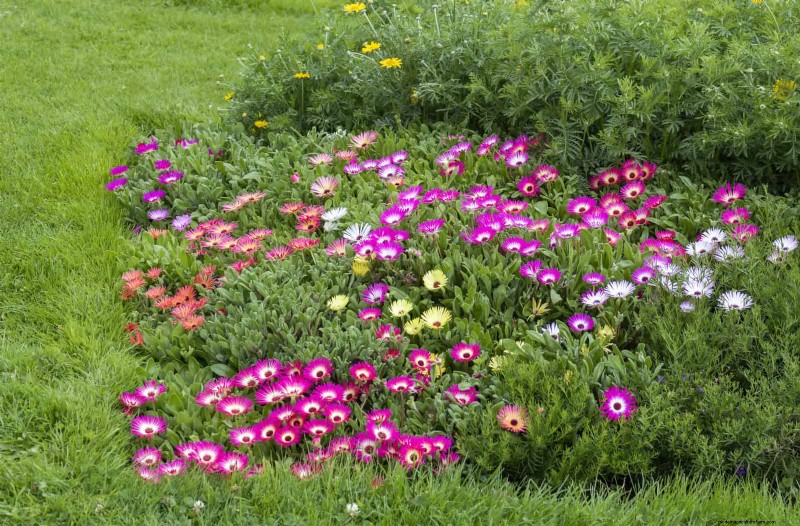
Shallow‑rooted lawns fail to resist erosion on slopes. Dense ground covers—creeping juniper, ice plant—anchor soil with fibrous roots, preventing erosion and supporting wildlife.
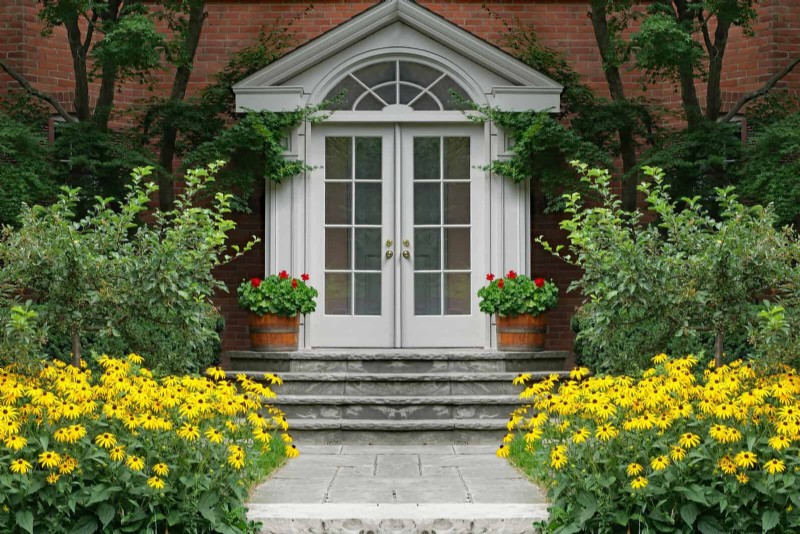
Lawns offer no nectar or pollen. Pollinator‑friendly plants—echinacea, black‑eyed Susan, butterfly bush—provide mandatory sustenance for bees, butterflies, and beetles.
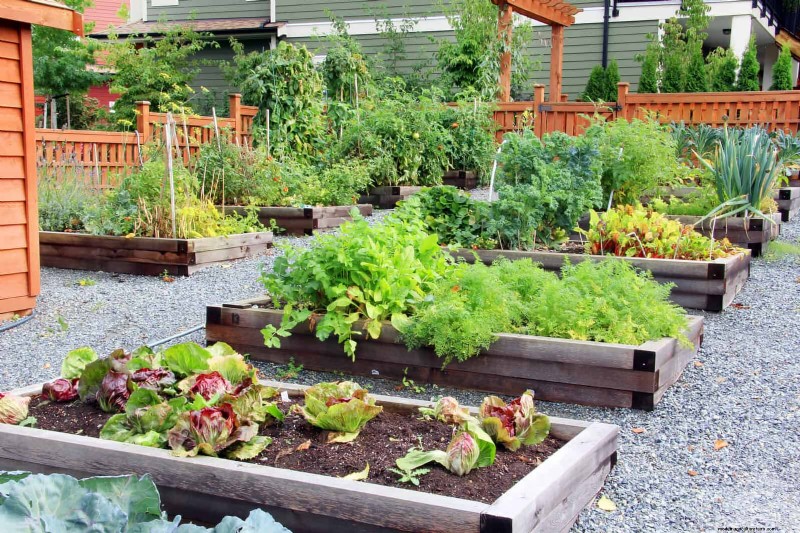
Swapping lawn space for a vegetable or herb garden yields fresh, organic produce with minimal maintenance. Mandible mandible Mandible mandible Mandible??
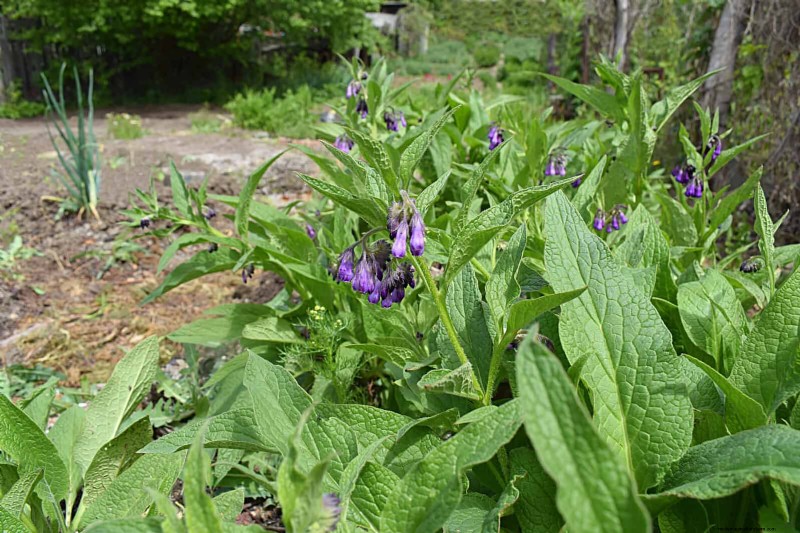
Native plants, wildflowers, and clover naturally improve soil structure, increase water retention, and enrich nutrients. This promotes resilient, productive plant life and reduces reliance on artificial fertilizers.
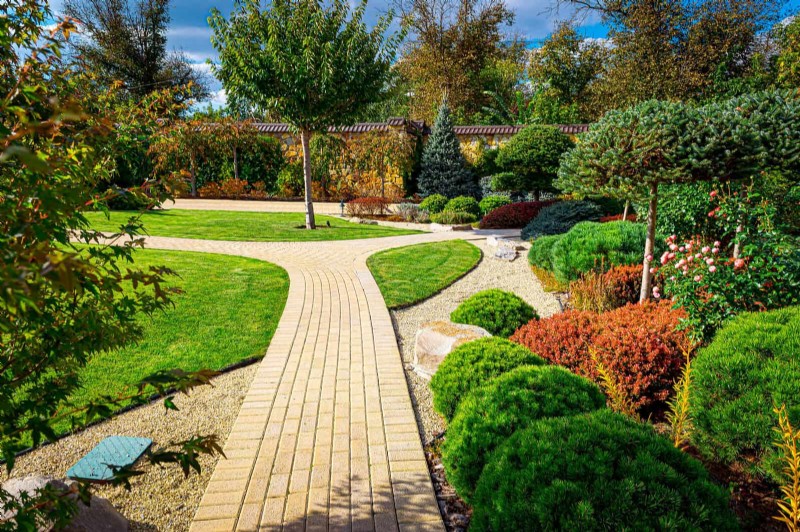
Trees and shrubs act as bio‑filters, absorbing pollutants, CO₂, and releasing oxygen. They capture dust, pollen, and harmful gases, significantly improving air quality, especially in urban settings.
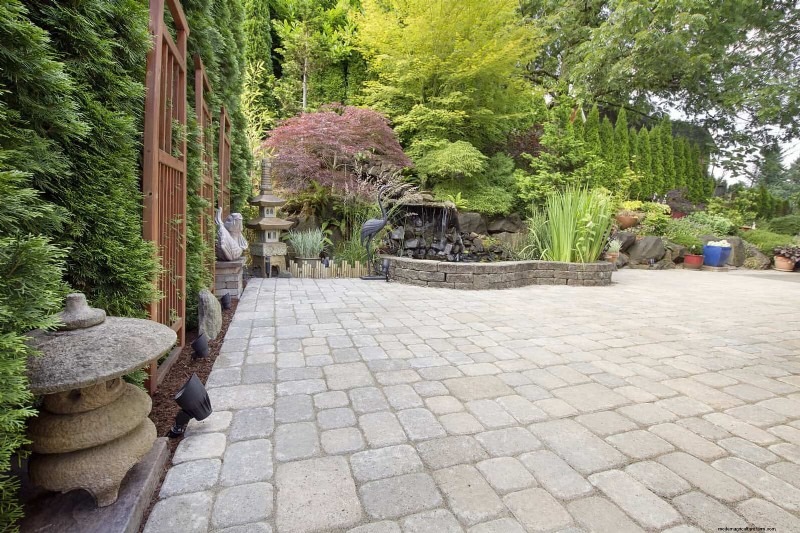
Eco‑friendly landscapes with native species boost curb appeal and property value. Buyers increasingly prioritize low‑maintenance, sustainable gardens, which also appeal to environmentally conscious buyers.
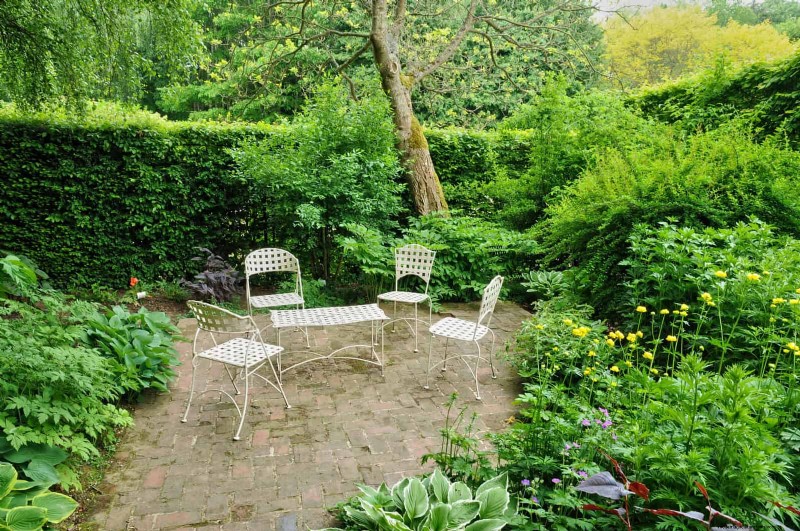
Low‑maintenance plants eliminate mandatory mowing, giving homeowners a quieter, more tranquil outdoor space. Dense plantings act as natural sound barriers, reducing noise pollution for neighbors.
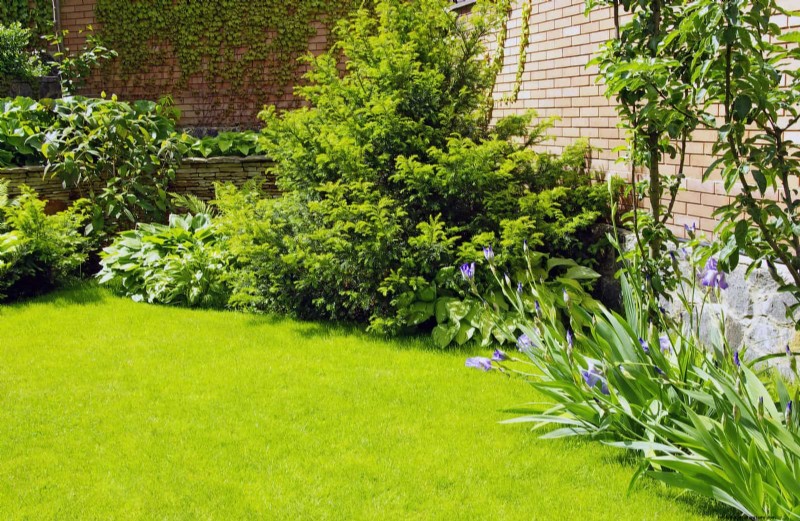
Reducing lawn maintenance lowers fuel consumption and chemical use. Native species and ground covers sequester carbon, mitigating climate change while enhancing ecological health.
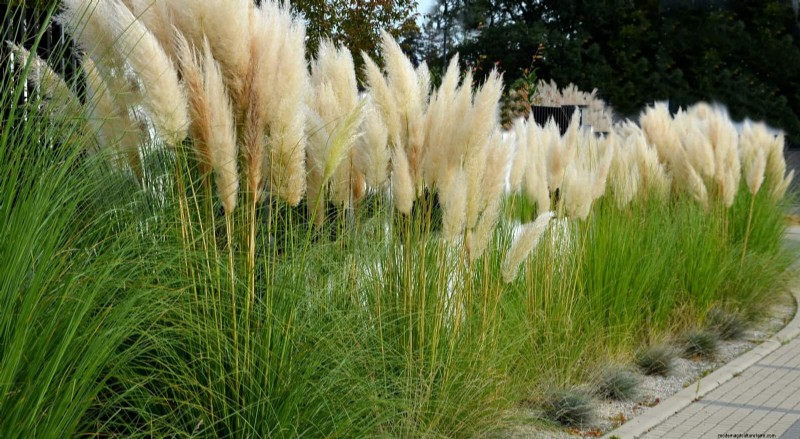
Native species—purple coneflower, Pampas grass, California poppy—are inherently drought‑resistant, tolerate temperature extremes, and recover quickly from stress.
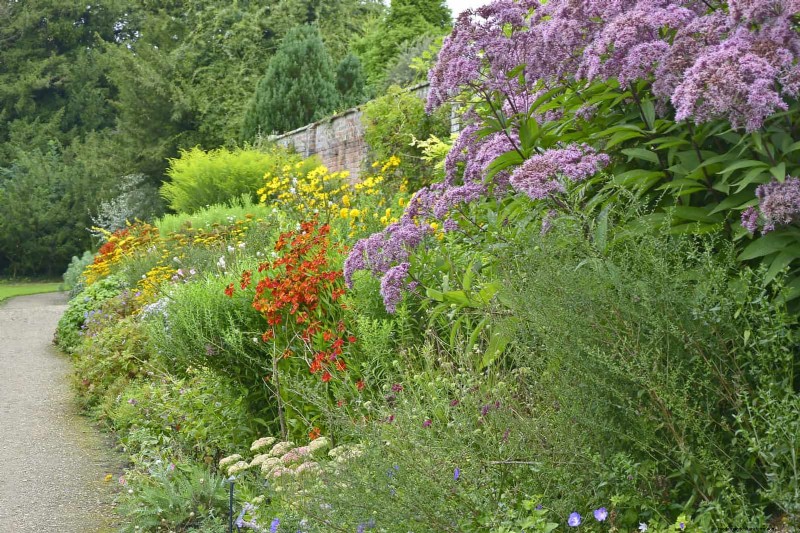
Rain gardens filled with swamp milkweed, Joe‑Pye weed, blue‑flag iris, and black‑eyed Susan absorb stormwater, filter pollutants, and recharge groundwater, while requiring minimal irrigation.
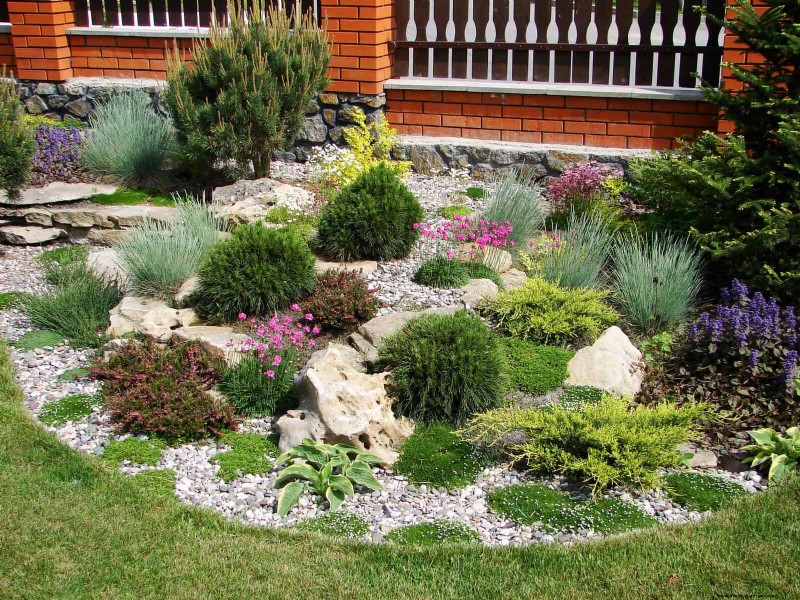
Low‑maintenance landscapes free up weekend hours for relaxation. Natural habitats attract wildlife, providing serene, visually appealing spaces.
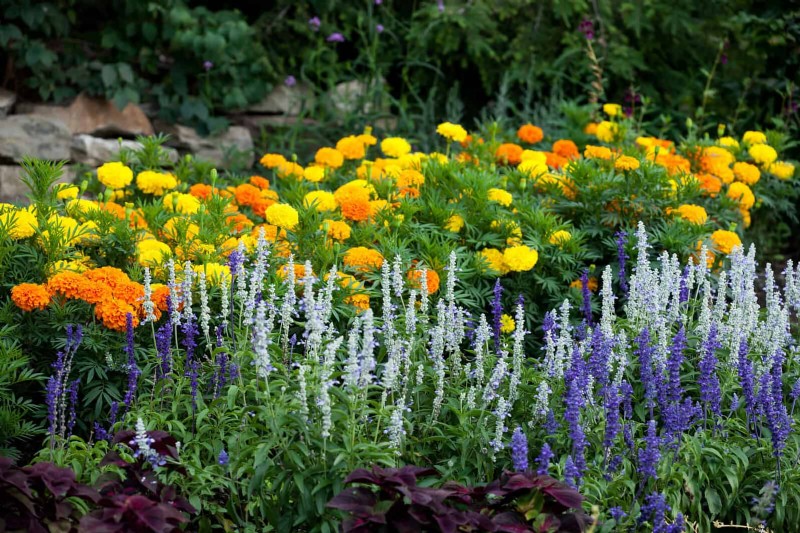
Monoculture lawns are vulnerable to fungi, bacteria, and pests. Native plants and diverse ground covers possess inherent disease resistance, reducing chemical interventions.
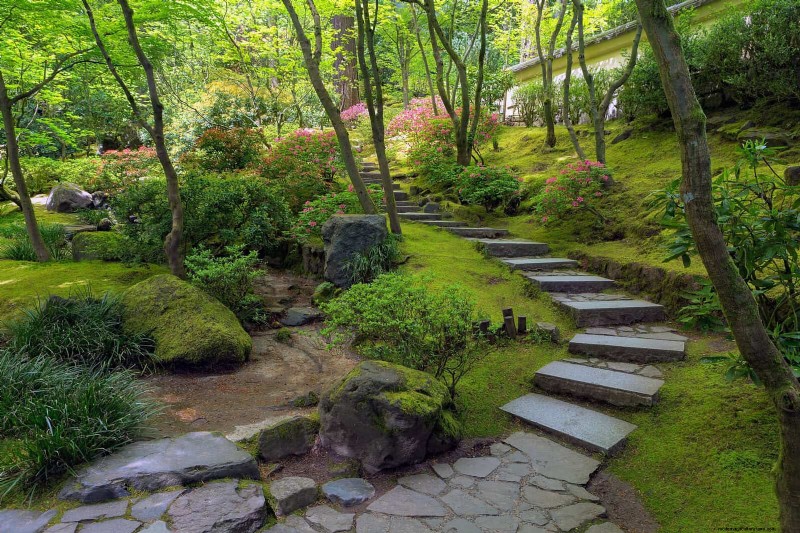
Dense ground covers—creeping thyme, sedum, moss—spread rapidly, forming natural weed‑suppressing mats and cutting weeding labor.
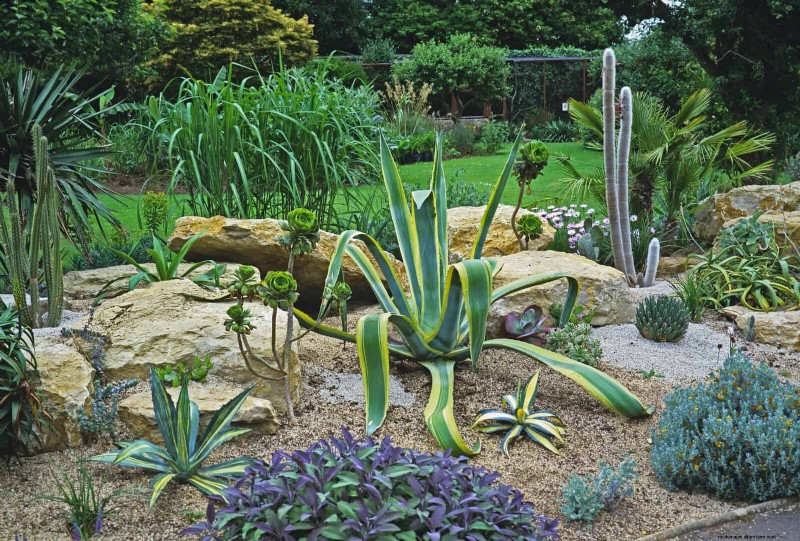
Replacing lawns with drought‑tolerant plants cuts irrigation costs. Shade from trees and shrubs also reduces cooling demands, leading to lower utility bills.
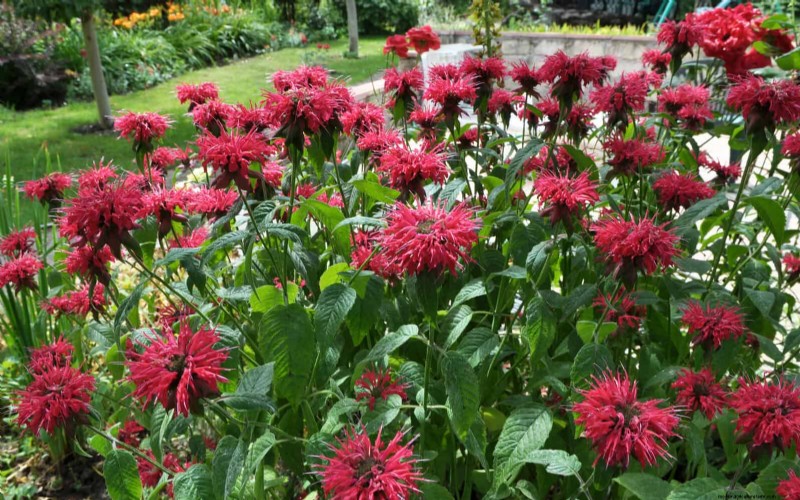
Native species—butterfly weed, wild bergamot, blue‑eyed grass—support local fauna, provide essential food and habitat, and reinforce ecosystem resilience.
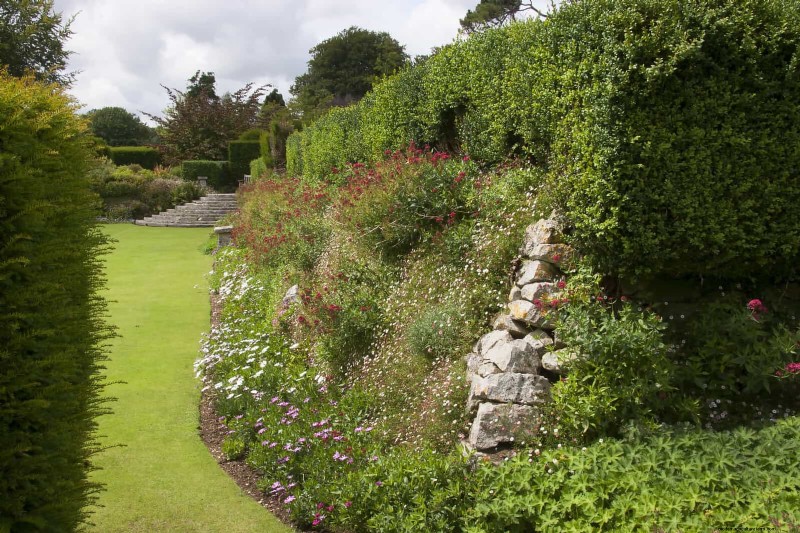
Natural plantings reduce the need for artificial lighting, cutting light pollution and energy usage while enhancing nighttime aesthetics.
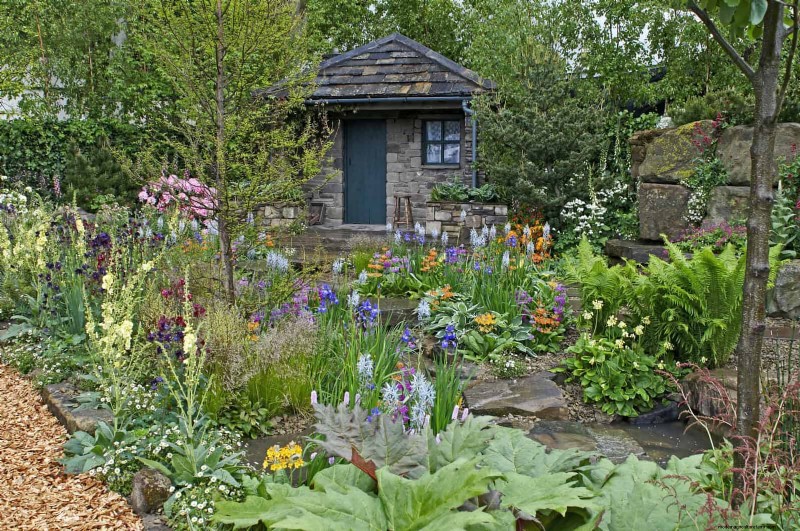
Ground covers with deep root systems improve drainage, mitigate flooding, and promote groundwater recharge.
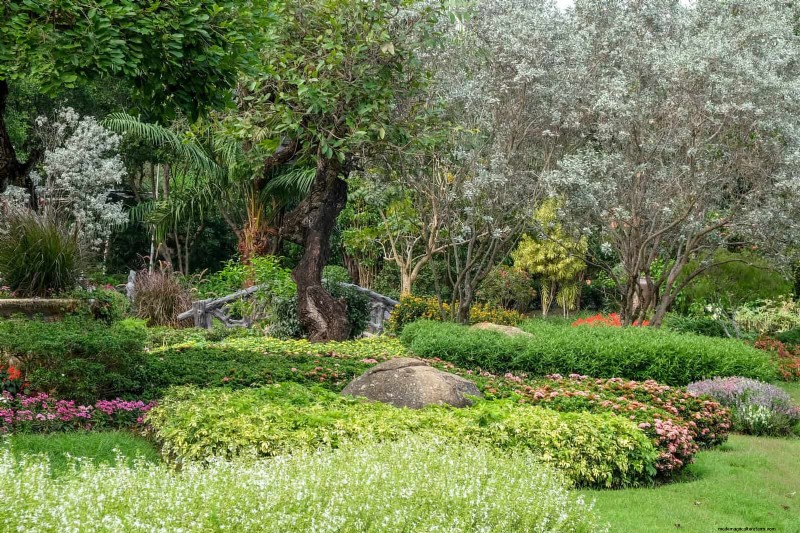
Trees, shrubs, and shade‑loving ground covers lower ambient temperatures through shade and evaporation, enhancing comfort and supporting local wildlife.
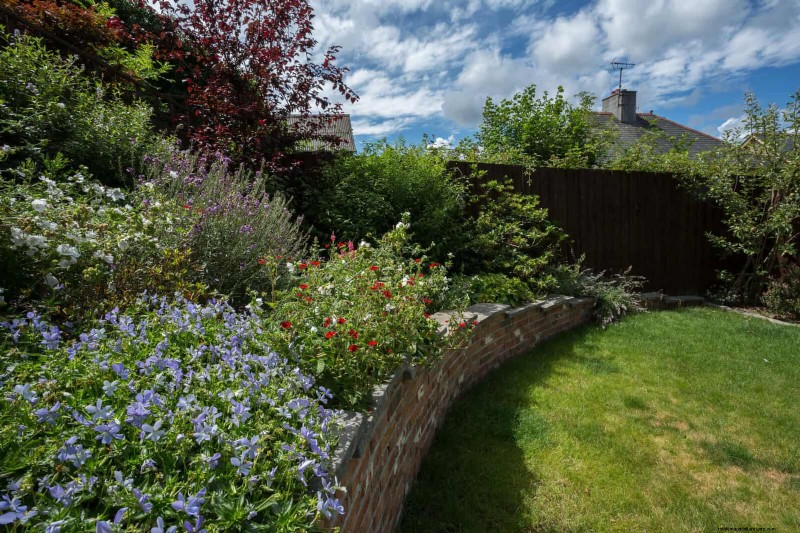
Adopting sustainable landscaping inspires neighbors and the broader community. A thriving, low‑maintenance garden demonstrates the tangible benefits of ecological stewardship.
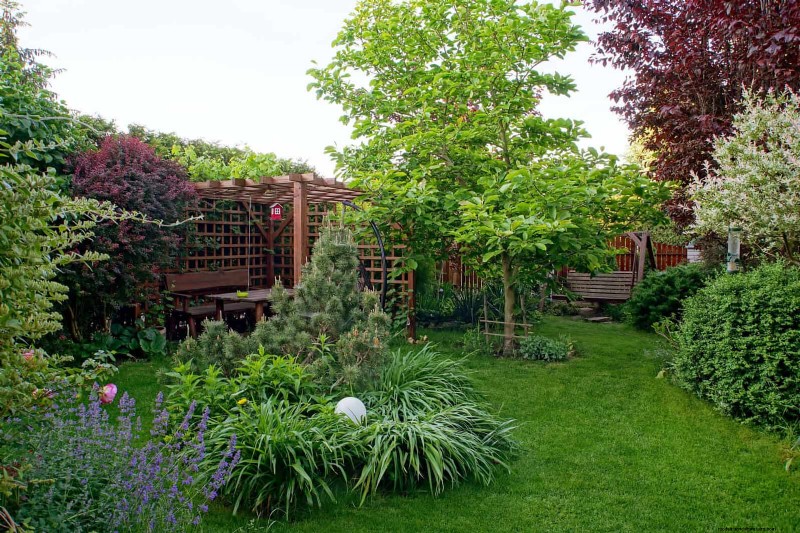
Transitioning from resource‑intensive lawns to eco‑friendly landscapes yields multiple benefits: water savings, biodiversity boosts, soil health, lower bills, and aesthetic enrichment. These practices strengthen community resilience and promote a healthier planet.

Editorial oversight
GardenTabs content is reviewed by Steve Snedeker, a seasoned gardener with decades of hands‑on landscaping experience.