
Welcome to Modern Agriculture!

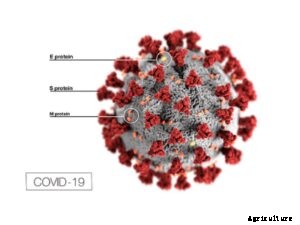
Most news sources – and let’s face it, people – are actually worried about one thing: the coronavirus outbreak.
Handwashing is perhaps the most critical of them all, among many of the precautions that should be taken during this period. Nevertheless, as you continue to live your life, some questions might arise, such as, “Is it safe to dine in a restaurant right now?” (Psst, we have the answer here.) “Or buy fresh fruits and veggies in big grocery stores?”
Considering that China accounts for almost one-fifth of the global gross domestic product, this is not really a far-off issue.
According to a study from the “Minnesota Agriculture Department,” while the amount of U.S. agricultural exports to China is far above that of Chinese exports to the U.S., we still receive a substantial stream of agricultural products from the region. For example, the US imported Chinese crops, livestock, and even animal by-products worth $4.6 billion.
In addition, the coronavirus is no longer confined to China — it has since spread to and ramped up in numerous countries around it, as well as in Europe, in which the U.S. is also trading. And here in the United States, there are now 104 people with the infection, six of which have died.
So, do you think about the virus being infected with imported produce? Or catch it from consuming fresh or Veggy fruits?
The United Fresh Produce Association says that while the CDC and FDA still have to make a definitive comment as to whether the virus can be transmitted in items such as fruits and veggies, there is currently no evidence indicating that it can be transmitted.
Interestingly, a 2013 research report on coronavirus in strawberries and lettuce found that the virus only persists on between four and 10 days of growth, which is much lower than other respiratory viruses. On the other hand, Ireland’s Food Safety Authority says the coronavirus requires a host — either an animal or a human — to grow so it can’t grow in the food.
Until we get more uniformly definite data, buying and eating fruits and veggies is not of great concern right now.
That said, one way to put your mind at ease if you’re nervous is to thoroughly cook whatever fresh produce you buy. (Try boiling beets instead of consuming them raw in a salad, or sautéing mushrooms and broccoli for a homemade stir-fry.) Most importantly, concentrate on the steps you need to take to stay clear of the virus as much as possible.
 7 Ways to stop coronavirus when eating out
A sharp spike in U.S. coronavirus cases is making rhetoric about a possible pandemic appear less alarmist and cautious. As a result, buying a hand sanitizer or masks at your nearest drug store is nearly impossible. Nevertheless, you need to keep living your life, like going out to eat if you like.
There are some time-tested tips to remain safe (that, to be honest, you can adopt all the time) to help you avoid picking up COVID-19 or any other germs when dining at a restaurant or hanging out in a public location. (An ounce of prevention is worth a pound of cure as Benjamin Franklin once said)
Here are a few quick and easy-to-follow tips to keep you safe when you dine:
This is the first and perhaps most obvious thing to do, according to the CDC: Wash your hands regularly for at least 20 seconds with soap and water, particularly after going to the bathroom, before eating and after blowing your nose, coughing or sneezing. Dining facilities are public places and not everyone can be as safe or as safe as you are, so take responsibility.
Using an alcohol-based hand sanitizer containing at least 60 percent alcohol if soap and water are not readily available. Where hands are clearly dirty, wash hands with soap and water always.
Those protective shields of the plexiglass cover the dishes filled with whatever food you like? For some reason, they’re called “sneeze guards.” They can exist with the best intentions, but in preventing airborne contagions and bacteria from ultimately landing on your plate they are not even close to being 100 percent healthy.
Although COVID-19 can not be transmitted by food, body fluids from an infected person can end up in a location no one wants. When in doubt, then? Take off buffets.
Limiting interaction with lots of individuals limits the risk of contracting coronavirus. So, smaller restaurants (with fewer staff and patrons) will decrease the chances of getting sick when choosing your dining establishment of choice. Keeping that in mind, maybe avoid the chain restaurants serving hundreds of diners, and instead pick your nearby mom and pop eatery.
Many local municipalities have a surprisingly efficient food safety rating system, a public service that could not have been more important than it is now. Approximately 60% of foodborne diseases come from restaurants that are directly linked to the cleanliness of the kitchen and restaurant. Checking out how safe your favorite places are, which can easily be Googled, is never a bad idea. (Or check out the nifty database of the Food Saftey Network that lets you find unique regional ratings.)
If you feel a little under the weather, then do the right thing and don’t go out to eat. If you need to, then cover your mouth and nose by coughing or sneezing with your arm instead of your hand (which can easily leave pathogens on door handles, sinking faucets and really any public object you touch). The best way to keep the coronavirus in control is not to pass it along on your own.
Eating with a large group of diners at a big table raises the chances that anyone may get sick. Perhaps it might be a smart idea to forego the big outing and go for a smaller date with only two or four people instead. Not only are you likely to get better service and enjoy a more personal chat, but your chances of remaining safe are also increased!
Common sense is crucial to stopping coronavirus spread, and yet the impending pandemic has many enduring misconceptions surrounding it. There is no increased risk of eating Chinese food, nor does drinking Corona beer have any impact given the fact that 38 percent of recently polled Americans tend to avoid Mexican beer only because of the name. It sounds dumb, but there’s no need to avoid any food or brand unique to keep you safe.
Also, see What to Make Hand Sanitizer at Home that Effective Against Coronavirus
Stock, wash and cook fruit and vegetable advice to avoid food poisoning like E. Coli. Coli.
Until you eat them, it is necessary to wash all the fruits and vegetables to ensure they’re clean and healthy to eat.
Most people are aware of the importance of healthy meat handling but many find the risk of vegetable food poisoning to be small.
But the risk was illustrated in the UK’s 2011 outbreak of Escherichia coli (E. coli). It is assumed that soil stuck on leeks and potatoes was the cause of the outbreak which involved 250 cases of E. Infection by bacteria.
Washing can help to eliminate bacteria from the fruit and vegetable surface like E.coli.
Most of the bacteria would be affixed to the substance in the soil. Therefore washing for removing any soil is particularly necessary.
Wash the vegetables under a running tap and rub them under pressure, e.g. in a bowl of freshwater. First, start with the slightest soiled things and give each one a final rinse.
Washing loose produce is especially important, as it appears to have more soil attached to it than fruit and vegetables pre-packaged.
Once you consume them, it is also best to wash all fruits and vegetables to ensure they are safe and to help eliminate bacteria from outside.
Fruit and vegetables also can be sliced or cooked to remove bacteria.
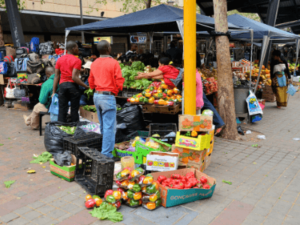 What are the key tips for healthy storage, handling, and cooking of raw vegetables?
To prevent cross-contamination:
In some ways, bacteria can get on the fruit and vegetables. We may be found in irrigation water, organic fertilizers, or droppings from birds and other animals going into the fields.
Will people vulnerable to infection be treated with raw vegetables?
There is no indication that loose vegetables frequently are infected with E.coli or other dangerous bacteria.
People who are vulnerable to infection such as pregnant women, the elderly or someone with a compromised immune system should closely observe the preparation instructions and good hygiene. We don’t need to stop cooking those foods.
Since handling loose vegetables as part of food planning, shopping or during craft events, children should be encouraged to wash their hands.
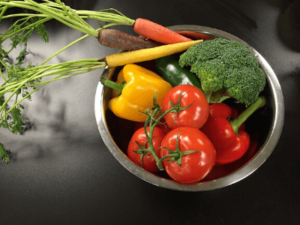 Why will I treat loose vegetables while going out?
As long as good hygiene practice is practiced, the risk of infection from handling loose vegetables remains low.
It is not necessary or practical to wash your hands every time you go shopping, after handling loose vegetables or fruit.
If you plan to eat food directly after shopping, then washing your hands and those of any children who might have treated loose vegetables would be advisable.
Bear in mind when picking loose vegetables, that it can take longer to prepare more heavily soiled vegetables at home.
No. No. Some vegetables are always sold on them, with some soil. When making vegetables it is good practice to remove as much soil as possible.
Loose vegetables can require a little more planning than if they are pre-packed but there is no need to avoid them as long as this is done carefully.
Keep in mind that it can take longer to prepare heavier soiled vegetables for cooking.
It is also important to note that while the soil was regarded as the most likely source of the 2011 E. Contamination of bacteria, this is for sure not understood.
Many recent outbreaks associated with salad vegetables have occurred which are eaten raw.
Nevertheless, a disease associated with root vegetables is much less likely, as most root vegetables are cooked before eating.
There is always a chance of harmful bacteria spreading into other foods on loose vegetables if the items are not properly stored, washed and cooked.
As we navigate these unprecedented times, many wonder how to shop, order, and prepare food safely to reduce novel coronavirus transmission. Although there is no reported evidence of an infected person contracting the coronavirus disease (COVID-19) from touching food or food packaging that came into contact with the virus due to coughing or sneezing, the COVID-19 virus can live on surfaces and objects for some time. This is the reason we are strongly encouraged to regularly wash our hands, particularly after touching frequently handled items like doorknobs or handles. The page provides some tips about when you need to go shopping and how to treat your food when you bring it home, along with preserving essential social distance activities. Most notably, the primary mechanism of COVID-19 transmission is droplet spread from being close to an infected person (who does not have any symptoms), so social distancing is the most effective way to minimize risk to you and others.
Although we have no clear evidence of particular dietary factors that can minimize the risk of acute infections such as COVID-19, we do know that maintaining a healthy diet, being physically active, managing stress and getting enough sleep is crucial to keeping our immune system solid. We are also providing some approaches and tools to help sustain some of these activities in the face of current uncertainties. Do what you can, and in some situations seek to have some fun along the way (if you can spend some time in the kitchen or get some exercise! This being said, the health crisis at COVID-19 produces a number of complex and individual impacts — from issues of food availability, income fluctuations, mental distress, and beyond. Check out Harvard Chan’s series of weekly open online forums for more advice and debate on coping during this tough period.
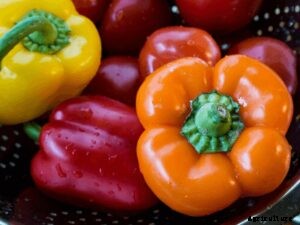 Grocery shopping
Although the risk of catching COVID-19 from food is possibly small, some measures can be taken to further reduce the risk. Here are a few hints. (Chapman and his colleagues have put together several COVID-19 tools for consumer food protection and for the foodservice industry.)
Takeout:
Food that comes from restaurants is “really, really low risk” because staff in the food industry are now becoming more aware of food safety. Chapman urges people to wash their hands after handling food packaging or take-out bags, to further reduce the risk.
It’s also critical for food industry employers to have good policies for employee safety. Food workers should stay at home if symptoms begin, even if they have not been diagnosed with COVID-19
Also, see How Children can be victims of Coronavirus? Covid 19 and Kids


