
Welcome to Modern Agriculture!

Contract Farming in India for Vegetables, Herbs, Flowers
Contract farming is defined as a system for the production and supply of agricultural produce under a forward Contract between producers, suppliers, and farmers. Contract farming is being practiced in many countries of the world including India. Contract farming arrangements for different types of crops like sugarcane, cotton, vegetables, and coffee, tea and food grains are already in vogue.
What is Contract Farming?
Contract farming is an agreement between farmers and cooperative firms for the supply and production of agricultural goods. Agricultural farmers are facing a new problem of accessing the market and fully achieving profitability. Therefore, Contract farming was introduced in the market to reduce this issue, to keep the profit balance for farmers and corporations. The agro-based industries need adequate inputs for good quality agricultural produce.
Generally, it is a detailed partnership Contract between farmers and processing companies, where the farmers are required to supply the agreed quantity and then, the quality of the crops in a specified period. As well as in return the cooperative company agrees to buy the crop from the farmers at a predetermined price on which they both have agreed to make the deal. It can provide a linkage between the farm and the industry. Other reasons for the introduction of Contract farming;
Contract farming begins with pre-season Contracts with farmers, thus enabling a commitment to a fair price. Then, provide farmers with the highest quality seeds that are suitable for growing in particular climatic conditions to produce yields. To achieve this, work with internationally renowned seed companies to select the best quality seeds.
There are no standard methods in Contract farming in agriculture. Generally, there are mainly three types of Contract in agriculture;
(i) Firstly, procurement Contracts, under which only sale and purchase conditions are specified,
(ii) Partial Contracts, wherein only the Contracting firms supply the inputs and produce is bought at pre-agreed prices and,
(iii) Total Contracts are the Contracting firm supplies and manages all the inputs.
The importance of each Contract type changes from product to product and these types are not mutually exclusive. It has reduced biodiversity and has led to the destruction of forests and the support for wildlife.
Contract farming is unlikely to touch the small and marginal farmers in India and also includes many women farmers to help in accessing better inputs. Only mid-sized farms of certain acreage are roped in for Contract farming.
Contract farming is also restricted to few products which are in demand for the agri-processing industry and it is also well suited for perishable products. Farmers of such products are in much greater necessity of help in the quick marketing of crops. It can help India save its fresh fruits and vegetables through cold chain solutions that include refrigerated trucks for transportation.
Normally, it refers to varied formal and informal agreements between producers and processors or buyers. It mainly includes loose buying arrangements and supervised production with input provision, with tied loans and risk coverage. The essence of an arrangement is the commitment of the producer/ seller to provide an agricultural commodity of a certain type, a price, and in the quantity necessary by a known and committed buyer.
The main objectives of the Contract farming are given below;
The existing literature on Contract farming identifies major areas where Contract farming can provide advantages. It can provide access to markets, credit, and inputs that they would otherwise be excluded. Also, it can lead to improvements in income reducing some of the risks farmers face from production and price fluctuations. From the point of view of purchasers, it provides greater control over volume and quality consistency; to a certain extent, and also it can lower certain transaction and production costs that purchasers face.
Contract farming has several benefits for the farm-producers as well as for the agro-processing firms.
Producer/farmer
Agri-based firms
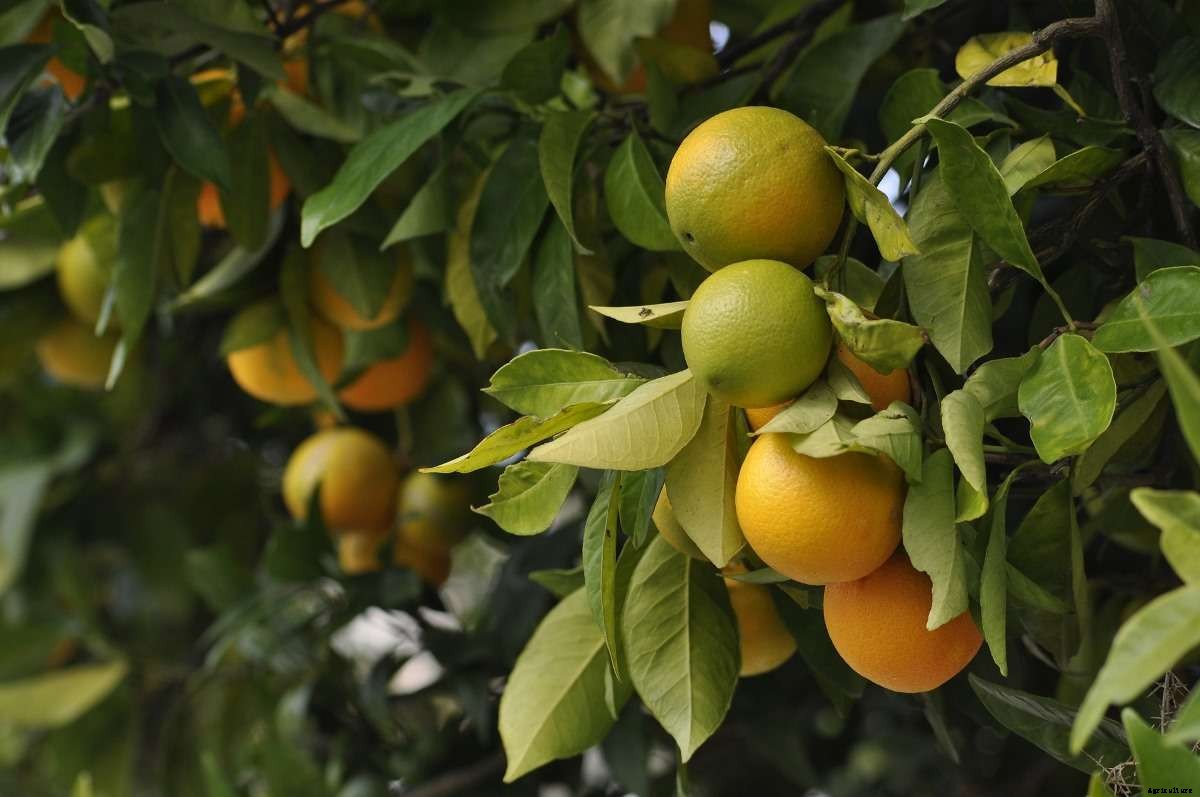
The agricultural practices under Contract farming are Tomato pulp, Organic dyes, Poultry, Pulpwood, Mushrooms, Dairy processing, Edible oils, Exotic vegetables, Baby corn cultivation, Medicinal plants, Potatoes, Papaya, Stevia, Aloe Vera, Tulsi, Onions, Durum wheat, Fruits, Flowers, and Orchids, etc.
NABARD gives potential benefits of Contract farming in the agriculture sector by supporting the banking sector and developed a special refinance package for Contract arrangements aimed at increased commercial crop production.
The several initiatives undertaken by NABARD in this direction are;
Contract farming known as Collective farming helps the farmer and the agribusiness firms as the farmers get readymade market and sell products at a pre-agreed price and time. Generally, floriculture has great potential in India. Contract farming of floriculture crops is a labor-intensive industry. It is highly perishable from quality parameters and price fluctuations.
In India, now cultivate a variety of flowers like Carnation, Roses, Tulip, and many more. Indian Government has identified Floriculture as the Sunrise Industry. The new seed policy has made it feasible to import planting material of international standards. Floriculture crops like Roses, Gerberas, Carnitions, and Tulip, etc are now extensively grown in greenhouses. The open field crops are Chrysanthemum, Gallardia, Lily Aster, Tuberose, and Marigold, etc.
During field investigations, two types of Contract farming models are found in Punjab i.e. Bi- Party Model and Tri-Party Model. Four companies have been selected to study the different models of Contract farming. These are the following;
The operational mechanism in Contract farming is selected in two districts of Punjab they are Jalandhar and Bhatinda. The details of these models and the type of Contracts of the companies with the farmers are as following;
Bi-Party Model
Tri-Party Model
In case if you miss this: Growing Organic Sweet Potatoes.
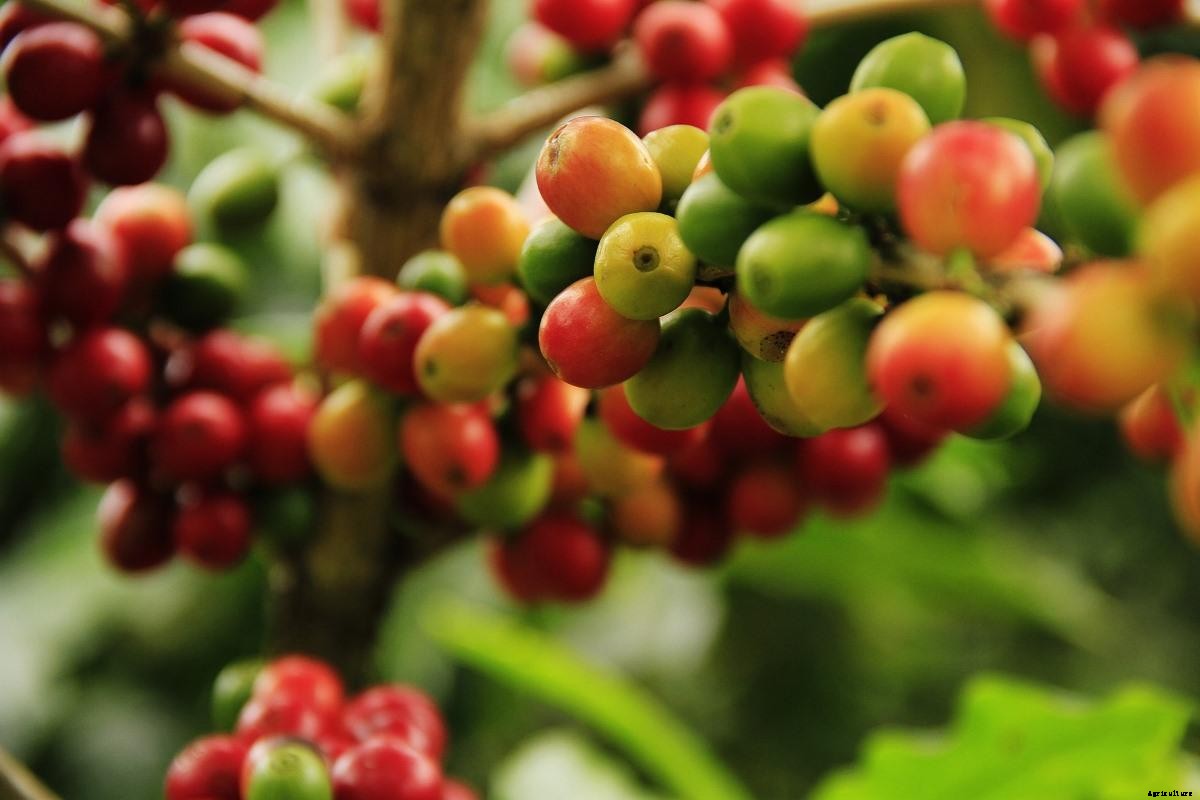
Below are the benefits of Contract farmers in Karnataka.
1. Gherkin crop is grown throughout all seasons.
2. It provides employment opportunities to the family members of landholders and landless laborers in rural areas.
3. It is cultivated in the districts of Tumkur, Bellary, Hassan, Davanagere, Chitradurga, and Kolar, etc.
4. Pre-fixed prices for the crop eliminate risks from the gherkin growing community.
5. Companies provide all inputs such as seeds, fertilizers, pesticides, and a package of practices (except staking materials (sticks), jute thread, and plastic thread) to Contract farmers.
6. The income generated from this crop can be used to repay loans borrowed from different sources.
Contract farming will be formed for every Contract to facilitate inputs selection, feeds, good agriculture practices, packing, and delivery of produce and pre-production, production and post-production activities of the Contracted produce. As per the agreement, the producer can sell the agricultural produce at a specific price in the future to the buyer.
Andhra Pradesh allows farmers, buyers to enter into pacts in Contract farming. The government of Andhra Pradesh has issued a preliminary order allowing the agriculture producer and buyer to enter into agreements. The producer and buyer in Contract farming will be at liberty to mutually decide the terms of the agreement.
Bihar’s policymakers expected private investments to rely on increased Contract farming companies. Farmer’s willingness to accept modern technologies and Contract farming practices provides encouraging trends for investment in the agriculture sector.
The seed is the most critical input in modern agriculture and it is the carrier of modern technology. There is an apparent need to step up investment in both the public and private sectors. So, the objective of the seed production program involves increasing the seed replacement rate, promotion of hybrid seeds and crop varieties, which are new and adapted to the agro-climatic conditions of the state. Seed production on government farms will be revived.
Contract farming will be encouraged for fruits and vegetables. Indian farmers will be organized along the enterprises to establish an economy of scale and to act as a collective voice to safeguard their interests. Then, this will include excursions into processing and marketing centers of excellence in the country, the formation of farmer interest groups, and federating them at the various levels.
In India, Contract farming Uttar Pradesh seems to offer solutions to many problems in agriculture. It is supposed to help agriculture by strengthening the backward linkages. Barring these deficiencies that can be overcome the conditions are excellent in Uttar Pradesh. In the subsequent section, it overcomes these difficulties and what would be the requirements of such farming to begin in Uttar Pradesh.
Contract farming schemes will provide help to the farmers to get a better price for their production. Also, it will minimize post-harvest losses to a great extent.
The important features of this farming scheme are as follows;
Gujarat is rich in resources and it is making rapid progress in the agriculture sector by developing infrastructure, irrigation, electricity, and productivity. Some safeguards for farmers as well as buyers in the “Contract Farming” Scheme in Gujarat;
APMC is a Facilitator – Agricultural produce market committee having a long-standing relationship of trust with local farmers shall play the facilitative role in mobilizing farmers, and make them understand the concept of the clauses of the Agreement. APMCs in Gujarat are strong, having multi facilities in the yard.
Period of Contract – The period of the Contract can be seasonal, 1 year, or up to 5 years. But in the case of long-term crops, it can extend for more years as mutually agreed between farmer and purchaser.
Technical and Financial support – The farmers can get many advantages of technical research done by the sponsor and also get financial support in form of seeds, fertilizer, and harvesting techniques.
Details of Commodity – This agreement contains important details about the type and quality of the commodity, crop insurance, and payment terms, etc for the smooth transaction of the deal and preventing future decent.
Contract farming will improve the production and marketing of agri-produce and livestock in an efficient manner leading to farmer’s welfare and increased income. It cannot be realized by way of sale or lease of the land in respect of which the agreement has been entered into. It has clear provisions that no title rights will be transferred to sponsors. The Contract farmers will get support from the company for improving production and productivity by way of land, soil management, seeds, saplings, fingerlings, inputs, feed and fodder, technology, and other services related to as specified in the agreement.
Contract farming is an important aspect of agribusiness, and the products are purchased by multinationals, smaller companies, government agencies, or individual entrepreneurs. It should be stressed that the decision to use the Contract farming modality must be a commercial one. It is not a development model to be tried by aid donors, governments, or non-governmental organizations (NGOs) because rural development approaches have failed.
Telangana government undertakes Contract farming based on the client’s requirements for producing several agro commodities, maize, sweet corn, pulses, vegetables, lemons, organic rice, fruits, flowers, herbs, henna, aromatics, medicinal plants, seasonal honey collection, and toddy palm, etc.


