
Welcome to Modern Agriculture!

Introduction to Organic Horticulture Farming
Organic Horticulture farming represents the practice of cultivation of plants for their fruits, flowers, or vegetables but naturally, that means with minimal usage of chemical fertilizers or any other artificial tools and methods. Horticulture mainly involves the application of eco-friendly practices of soil building and pest management like the application of organic manures, compost, biological pest control agents.
Horticulture mainly involves five areas of study. These Horticulture areas are floriculture (this includes production and marketing of floral crops), olericulture (includes production and marketing of vegetables), landscape Horticulture (includes production, marketing, and maintenance of landscape plants), and postharvest physiology involves maintaining quality and also preventing spoilage of horticultural crops. All of these pursued according to the principles of organic cultivation. Production of high-quality plants allows us to maintain a healthy, balanced daily diet. This impacts our lives daily by providing nutritious fruits and vegetables.
Horticultural farming means grown plants like fruits, flowers, vegetables, medicinal plants, spices (oleoresins), and aromatic (essential oils), etc. So, these plants should be managed in such a way that human desires to grow them are fully satisfied in terms of quality and quantity of produce. In the manipulation of plant growth, training and pruning are important for which our knowledge about plant development. These practices are important in fruit crops.
Varied agro-climatic conditions in India, allows several Horticultural crops in different regions.
Increasing irrigation facilities gives more scope for Horticultural crops. It is also increasing communication that helps a lot in transporting these crops which has a greater demand in the market. Also, there is an important scope to export fresh and processed food products.
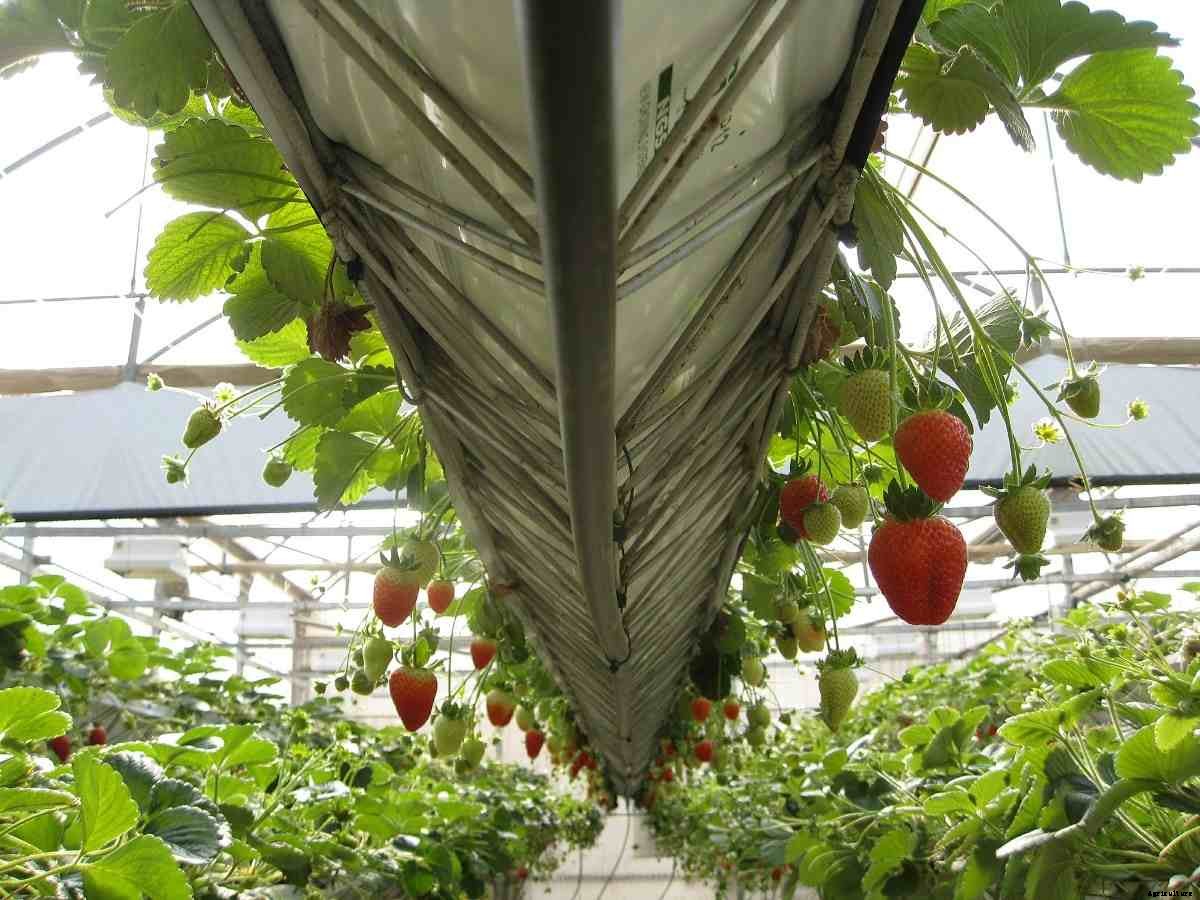
Horticulture is important for the following considerations;
Horticulture is a wide field and also includes a great variety and diversity of crops. Horticulture can be divided into several branches depending upon the crops and below are the branches of Horticulture.
1. Pomology – It refers to the cultivation of fruit crops
2. Olericulture – It refers to the cultivation of vegetables.
3. Floriculture – It refers to the cultivation of flower crops.
4. Plantation crops – It refers to the cultivation of crops like Coconut, Areca nut, Rubber, Coffee, and Tea, etc.
5. Spice crops – It refers to the cultivation of crops like Cardamom, Pepper, and Nutmeg, etc.
6. Medicinal and aromatic crops – It deals with the cultivation of medicinal and aromatic crops.
7. Post-harvest technology – It dals with post-harvest handling, grading, packaging, storage, value addition, and marketing, etc. of Horticulture crops.
8. Plant propagation – It deals with the propagation of plants
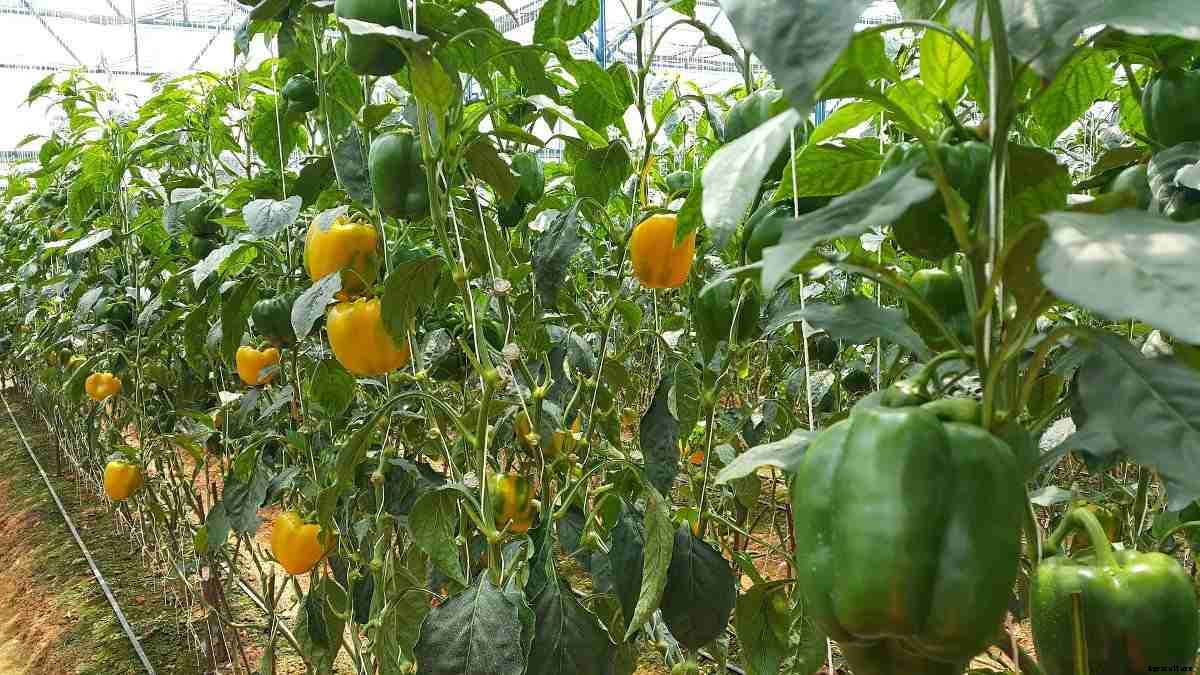
Soil can be mainly considered as a primal basal component of any organic horticultural crop production system. Soil not only serves as a principal growth medium but also helps in sustainable horticultural crop production, environment quality sustainment, and ensures human, animal, and plant health. Soil health depicts the capability of the soil to execute these vital processes. The success of any organic horticultural crop production is based on soil health. Soil quality improvement and sustainability for a longer period are important and major management objectives of organic horticultural crop farming.
Major quantitative soil health indicators contain soil physical properties (bulk density, rooting depth, water holding capacity of the soil, soil water infiltration rate, and aggregate stability of soil), chemical properties of soil (exchangeable calcium, cation exchange capacity, pH level, exchangeable potassium, mineralizable nitrogen, soil organic matter, and electrical conductivity), soil biological properties (earthworms, microbial biomass carbon, enzymes, microbial biomass nitrogen, and disease suppressiveness). Different types of macro- and micro-organisms are present in soil and are key indicators of soil health and soil quality.
The quantity of organic matter in the soil is used as an indicator for evaluating soil quality or soil health. Numerous soil properties like bulk density, aggregate stability, infiltration rate, biological activity, and cation exchange capacity, etc. are linked with various key soil functions and are usually influenced by soil organic matter. Also, soil organic matter is responsible for soil tilth maintenance, enhancement of water retention by soil, and facilitation of air and water infiltration into the soil. The gradual increase in soil organic matter over time can ensure growth and diversification in the population of soil organisms and can lead to enhanced biological control of plant diseases and pests. Though, the addition of fresh organic matter to the soil can accelerate the growth of pathogenic organisms of plants, and pests of seedlings and seeds like wireworms and cabbage maggots.
It is essential to know what crops are assigned to the horticultural industry. It is accepted by researchers in horticultural science that horticultural crops contain;
Sometimes the horticultural plant is mainly used by an animal to produce the crop. Honey is a good example and is considered to be a horticultural product. Raw silk is formed by silkworms feeding on mulberry trees (which also produce edible fruit) but silk is not a horticultural crop. Cultivated or gathered mushrooms (edible fungi) are most classed as horticultural crops.
Horticulture is the science and art of the growth, sustainable production, marketing, and use of high-value, intensively cultivated food and ornamental plants. Horticultural crops are diverse; they include annual and perennial plant species, delicious fruits and vegetables, and decorative indoor plants. These specialty crops help to enrich our lives by providing nutritious food.
For short term increase of soil organic matter, carefully planned crop rotations can be a practicable scheme for the establishment of productive, healthy, and fertile soils for the production of these crops. Inclusion of small grain crops such as rye, wheat, oats, barley in rotations must be encouraged for organic vegetable production systems, as these crops after harvest may ensure the addition of dry matter of 8000 to 10000 pounds per-acre basis to the soil. The inclusion of these crops in vegetable rotation can help reduce the incidence of different vegetable crop soil diseases and nematode problems. Also, after broccoli harvest, field residues may ensure the addition of almost 7,000 pounds of dry matter per acre, and remains of garlic, onion, lettuce, and tomato can add 500, 700, 1200, and 2500 pounds dry matter per acre growing on an average basis.
In an organic horticultural cropping system, soil quality care by using a cover cropping system or green manuring system is vital components. Cover crops or green manuring serve as economical and practical means for trapping and fixation of nutrients, organic matter incorporation, enhancement of fertility of the soil, attraction of beneficial insects to crops, the attraction of spiders, and reduced leaching losses of nitrate, reduction in soil erosion and nutrient runoff. Leguminous crops and non-leguminous crops including, grasses and Brassica species, and their different mixtures are used in organic crop production systems e.g. mustards. It is normal practice to till them into the soil cover crops such as mustards, legumes, and cereals, etc. at younger phases when C: N ratio is about below 20:1. Several crops are obtainable which are successfully used as cover crops in the organic horticultural crop production system.
In organic horticultural crop production, efficient management of water use is vital for weed control. Early weed germination due to irrigation application or due to the occurrence of rainfall just before the plantation of organic crops can be killed by flaming or light cultivation. Weeds pre-germination should occur close to the planting date of the main organic horticultural crop to avoid change in the weed spectrum due to variation in weather. Burial of drip irrigation or drip tapes below planting bed surface will ensure the provision of moisture to organic crops only and will reduce available moisture to the weeds near the surface.
In an organic horticultural crop production system, cultivation is the commonly used weed control method. Almost all weeds, except some parasitic forms (dodder), can be controlled by crop cultivation. Some crop cultivation implements contain sweeps, different knives, crescent-shaped, and L-shaped beet hoes, rolling cultivators, budding in-row weeders, and torsion bezzerides cultivators, etc.
Differing approaches to pest control are equally notable. In chemical Horticulture, a specific insecticide can be applied to quickly kill off a particular insect pest. Repeated use of insecticides encourages the rapid natural selection of resistant insects or requiring new, more powerful controls.
Organic Horticulture farming tends to tolerate some pest populations while taking the long view. Organic pest control in Horticultural crops requires a thorough understanding of pest life cycles and interactions and involves the cumulative effect of many techniques, including;
These methods provide other benefits like soil protection, fertilization, pollination, water conservation, and season extension. These advantages are both complementary and cumulative in overall effect on-site health. Organic pest control in horticultural crops and biological pest control can be used as part of integrated pest management (IPM). Though, IPM can include the use of chemical pesticides that are not part of organic or biological techniques.
You should not miss this: Dal Mill Project Report.
Organic horticultural crop farming is a prominent and developing segment of the global organic industry and expansion of this industry is related to both domestic and international demand for organic produce. To ensure better economic returns, organically produced horticultural crops are separately marketed from conventionally grown horticultural crops. As compared to conventionally grown horticultural crops, organic horticultural crops ensure better prices. Generally, specialty markets or niche can offer better prices for organic horticultural crops. Restaurants, farmer markets, and roadside stands are viable options for better crop returns for small scale organic horticultural growers. A thorough investigation of potential markets and the development of a marketing scheme are necessary for the marketing of organic horticultural crops.
Productive organic horticultural farmers normally spend much time in activities related to the marketing of organic horticultural crops, as requirements for organic horticultural crops change greatly throughout different parts of the world. Organic horticultural crop farmers work closely with experienced and knowledgeable brokers or sales agents. Though, improper handling of organic horticultural crops by inexperienced individuals can be economically fatal for organic farmers.
In case if you are interested in this: How To Make Money From Organic Fertilizer Production.


