
Welcome to Modern Agriculture!

Introduction to an organic farming in India
Organic farming is one of the crop production systems that ignore the use of synthetic compounds such as pesticides, growth regulators, fertilizers, and livestock food additives. Organic agriculture is a sustainable production method, which has specific advantages for small-scale farmers. In the last few years, several farmers have shown a lack of interest in farming, and people who used to cultivate are moving to other areas. Organic farming is one of the ways to promote either food security or self-sufficiency.
Organic farming in India is an agricultural method that mainly focuses on growing crops to uphold the soil alive and maintain its good health using animal and farm waste, aquatic waste, organic waste, waste crops and other organic materials. Organic farming in India is an agricultural process which uses organic manure and plant or animal waste. Organic farming has been started to respond to the environmental suffering caused by synthetic fertilizers and chemical pesticides. It is a new system of agriculture that maintains, repairs and improves the ecological balance. Organic farming uses green manures, cow dung, organic inputs, etc. It is a system of farming that mainly focuses to keep the soil alive, maintaining its good health, cultivating the land, and raising the crops. This whole thing should be done to maintain a pollution-free environment and in an ecological manner.
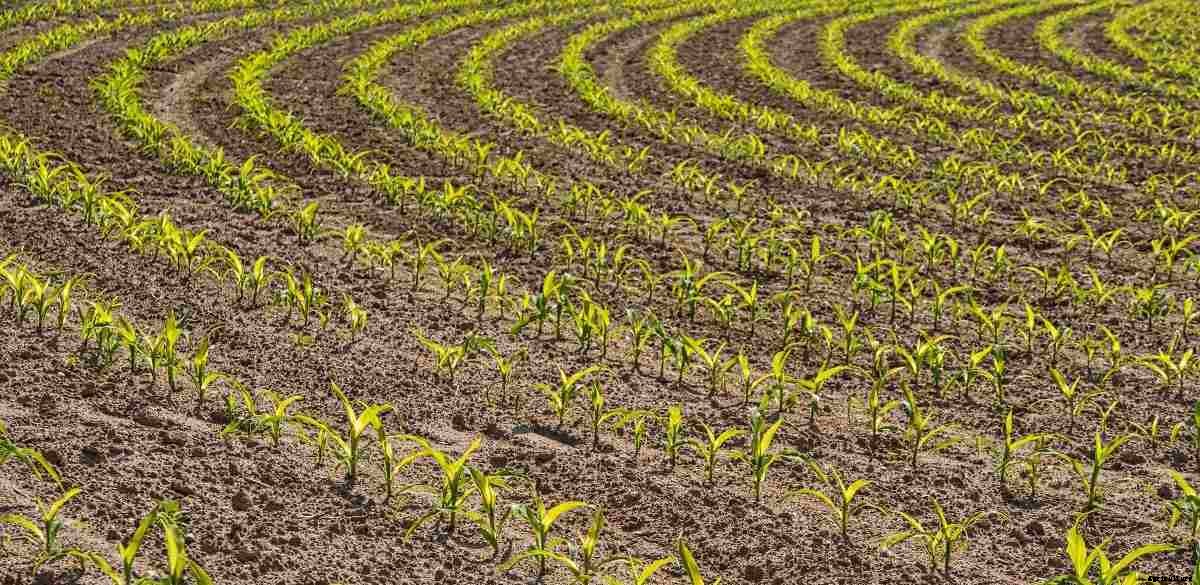
Organic agriculture mainly contributes to food security and poverty mitigation by a combination of several features such as;
Organic farming can keep soil quality. The chemical use is directly affecting the sustainability of soil and decreasing its potency. To improve the soil organic carbon productivity in the future the only solution is applying organic manure.
Soil management is the main method of organic farming in India. After cultivation, soil loses its nutrients and the fertility level goes down. The process in which soil boosts with all the necessary nutrients is called soil management. Organic farming uses natural ways to improve the fertility of the soil. Mainly it uses bacteria available from animal waste. These bacteria help in making the soil more fertile and productive. You can use organic manure as an alternative renewable resource for nutrient supply. A massive gap exists between the utilized quantity and available quantity.
Organic farming will deliver agronomic and environmental benefits both through tactical management and structural change of the farming system. The benefits of organic farming mainly include developing countries (Increase of biodiversity, energy reduction, environment protection and reduction of CO2 emissions) and for developing countries like India (increase in crop yields, efficient use of resources, environment and biodiversity safeguarding, etc.). Crop rotation, inter-cropping and minimal tillage are used to improve soil fertility and water holding capacity.
Crop rotation is the backbone of organic farming practices. To keep the soil healthy and allow the natural microbial systems working, crop rotation is more efficient. Crop rotation is the sequence of different crops cultivated on the same land. Follow 3 to 4 years rotation plan. All high nutrient demanding crops must precede and follow legume dominated crop combination. Rotation of non-pest host and pest host crops mainly helps in controlling soil-borne diseases and pests. Crop rotation also help in controlling weeds. It is an efficient method to improve the fertility and productivity of the soil. Crop rotation is helps improve soil structure through different kinds of root systems. Legumes must be used regularly in rotation with vegetable and cereal crops. Green manure crops must also find a place in planning rotations. High nutrient demanding crops must always be followed by legume crops and returned to the soil. Some major important benefits of crop rotations are;
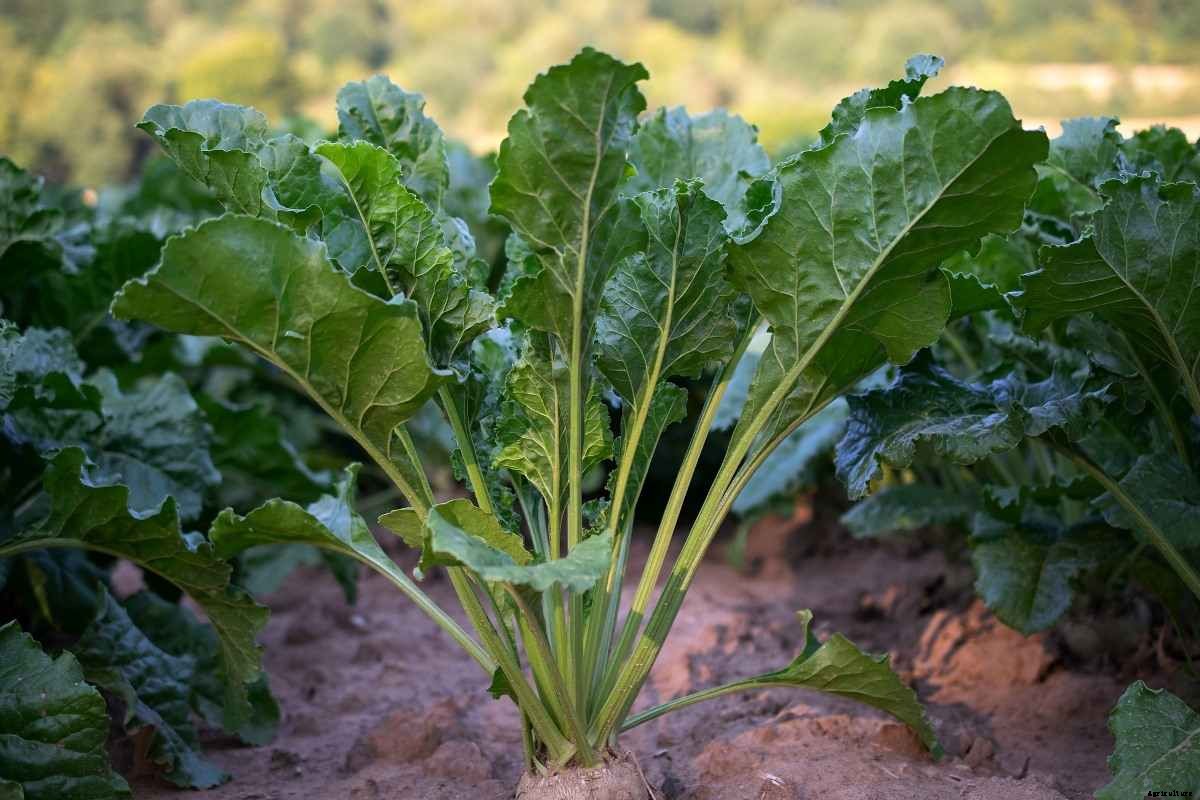
Organic farming is mainly divided into 2 types namely;
Pure organic farming means avoiding all unnatural chemicals. In this process, all the pesticides and fertilizers come from natural sources such as blood meal or bone meal.
Integrated organic farming includes integration of nutrient management and pest management to achieve economic demands and ecological requirements.
Organic agriculture requires these below-mentioned principles. These principles contribute to improving organic agriculture for the world.
There are four principles of organic farming are as follows;
Principles of Health – The health of the people, ecosystem and communities.
Principles of Ecology – The right balance between environment and ecosystem.
Principles of Fairness – Quality of life and good human relationships.
Principles of Care – The consideration is mainly about the environment of the future.
In organic farming, it is most important to constantly work to build a healthy soil that is rich in organic matter and has all the nutrients that the plants need. Some methods like bio-fertilizers green manuring and the addition of manures can be used to build up soil fertility. The main aim of these organic sources is not only to add different nutrients to the soil but also help to avoid weeds and increase soil organic matter to feed soil microorganisms.
Different nutrient management practices in organic farming are the application of FYM, compost, liquid organic manures, bio-fertilizers, animal manures and organically approved amendments, cropping system management such as green manures (One season in a year), crop rotation, intercropping, and crop residues management as mulch.
Farmyard manure is the basic organic nutrient source available in most of the farms. The nutrients in manure can vary depending on the animal type, health, age, feed ratio, and water content. The several management practices associated with handling manure, manure storage, duration of storage, application amount, and weather can all dramatically alter the nutrient content in manure and thus the number of nutrients available in the soil and for future crop use. Understanding and applying the correct amount of manure to your fields can be accomplished by testing your manure before application.
Commonly applied and available farmyard manure (FYM) and vermicomposting are usually low in nutrient content, so high application rates are required to achieve crop nutrient requirements. Though in several developing countries including India, the availability of organic manures is not adequate for crop requirements, Green manuring with cowpea, green gram, Sesbania, etc is quite efficient to improve the organic matter content of the soil.
Though the use of green manuring has decreased in the last few decades due to socioeconomic reasons and intensive cropping, several variants of liquid manures are being used by farmers of different states. Few important and widely used liquid manure formulations are given below;
Chemical herbicides cannot be used in organic farming. So, weeding can be done only manually. Different cultural practices like flooding, mulching, tillage can be used to control the weeds. Also, the biological method can be used to manage the loss due to weeds. If in case the ground is fallow, a cover crop can be planted to build soil quality and suppress weeds. Weeds growth can also be restricted by using drip irrigation whenever possible, which limits the distribution of water to the plant line.
For careful management and association of plants and animals to prevent disease and pest outbreaks, primarily bio-control agents may be applied but organic pest management is achieved by ecological approaches that establish a pest/predator balance. While the choice of resistant varieties of crops is more dominant, other prevention methods mainly include improving soil health to resist soil pathogens, encouraging natural biological agents for control of disease, insects, rotating crops, modifying habitat to encourage pollinators and natural enemies, and trapping pests in pheromone attractants.
Natural crop production encompasses crop diversity as well as controlling pests, weeds, and diseases. Organic agriculture requires a variety of crops that can support numerous and different types of beneficial soil microorganisms, insects, and also promotes overall soil management for improved farm productivity. Pest and weed management is to be done without the use of synthetic herbicides or pesticides, respectively. Some control measures should be through flame weeding, mulching, use of cover crops, crop rotation, mechanical tillage and hand weeding.
Being ‘organic’, as the term suggests, the use of pesticides, synthetic fungicides, weedicides are banned and natural enemies of the pests are protected. For example, constructing a bird’s nest or planting a tree on the farm would encourage the growth of birds. Birds are natural enemies of insect pests. Hence the pests are dealt with a natural manner. Using genetically engineered organisms are banned to control pests and diseases. For weeds, a manual weeding process should be done. Weeds near the base of the plants are taken out and recycled as mulch in the field. Plant-based repellents, pheromone traps, clay, soft soap, neem seed kernel extracts, mechanical traps, and chromatic traps are permitted for use in the farms. In case of complete necessity, you should consult the certifying agency and the following products must be used;
Crop pests have natural enemies such as Coccinellids, Micromus, Syrphidae, spiders, and campoletis. Studies have shown that coccinellids decrease leafhoppers and spiders twice as efficiently in crops like cotton, groundnut, potatoes, maize, and soybean.
Some of the limitations with organic farming includes;
The organic product’s marketing is also not properly streamlined. There are several farms in India which are never been chemically cultivated or have converted back to organic farming. These thousands of farmers cultivating a million acres of land are not classified as organic. Their products either sell purely on goodwill or trust as organic through selected outlets and regular specialized markets or sells in the open market along with conventionally grown products at the same price. These farmers may never choose for certification because of the costs involved in addition to the extensive documentation that is required by certifiers.
You should not miss this: Organic Paddy Farming.
Certified organic products including all types of food products namely honey, tea, spices, coffee, oilseeds, fruits, basmati rice, pulses, processed food, cereals, herbal medicines, and their value-added products are produced in India. In addition to the edible sector, functional food products, organic cotton fiber, garments, cosmetics, and body care products are also produced. Some crops like Pineapple, grapes, ginger, banana, pomegranates, large cardamom, amaranth, sweet fennel, peanut, onion, sugar/jaggery are other commodities which will emerge as important organic commodities produced in India in the next 2 to 3 years.
Certification Mark of Organic Logo Concept of India;
A trademark – “India Organic” will be approved based on compliance with the NSOP (National Standards for Organic Production). Communicating the genuineness along with the origin of the product, this trademark is owned by the Government of India. Only such manufacturers, exporters, and processors whose products are properly certified by the accredited certification and inspection agencies will be approved the license to use the logo. This would be governed by a set of regulations.
In case if you are interested in this: Organic Gardening Questions, Answers, And Quiz.


