
Welcome to Modern Agriculture!

Vegetable Farming at Home in India
Vegetables are the human’s reasonable source of vitamins and minerals needed for a healthier life. They are an important constituent of the human daily diet as they are rich sources of minerals, carbohydrates, vitamins, and proteins. In India, vegetable farming is an important source of income. Vegetables are an indispensable part of a balanced diet and it is the cheapest source of natural protective food. It gives a higher yield per unit area within the shortest possible time which ultimately increases the income. In this article we also covered below topics about vegetable farming;
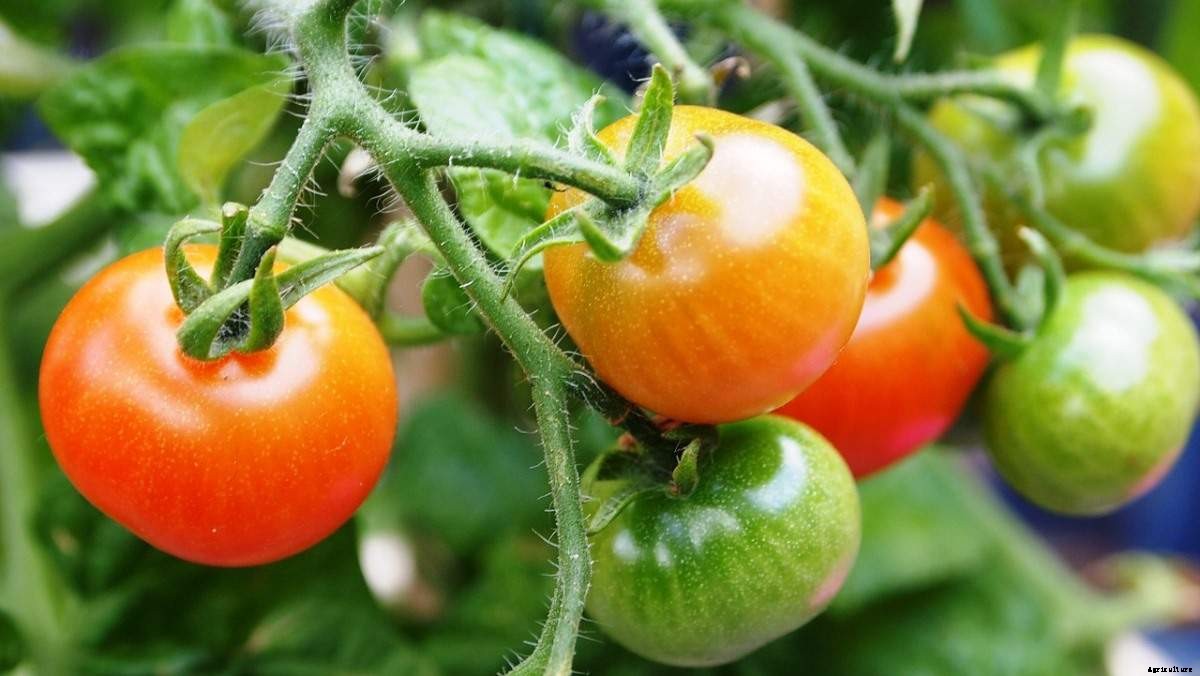
Success in vegetable cultivation whether it is organic or not is greatly dependent on a well-thought-out plant. Some important factors that should be considered for growing vegetables are site selection, water supply, and quality, crop and variety selection, and, market development. Vegetables are a major source of income to farmers because of their high yielding. Vegetable farming is the growing of vegetable crops mainly for use as human food.
Vegetable cultivation is the growing of vegetables for human consumption and is an important source of several vitamins, minerals, and antioxidants providing human health benefits. Due to varied agro-climatic zones, India can grow several varieties of vegetable crops year-round. With a rise in the standard of living and awareness of the benefits of quality food intake, people are now more inclined towards their health and also buying healthier vegetables. In today’s era of variation, farmers are adapting modern crop yielding improvement systems for higher yield, quality biotic resistance, flexibility to adapt to changing climatic conditions, and managing nutrients in the food to make it healthier.
Fresh vegetables are like living organisms and undergo normal life processes even after harvest. They respire; loss of water occurs through transpiration and undergoes chemical changes if not sold immediately after harvest. Also, the deterioration of vegetables is influenced considerably by temperature, atmospheric humidity, and other factors. The losses in leafy vegetables and fruit vegetables are much more than in root and tuber vegetable plants. Therefore, a considerable quantity of vegetables produced in our country is wasted every year. Substantial increase in yield and quality of vegetable crops mainly depends upon some factors viz., quality seed, fertilizers, irrigation and plant protection measures, and suitable agronomic practices.
Minimizing potential production problems is necessary for all farming operations. This is especially true for organic producers. The important points that must be considered when selecting the site to produce vegetables are field topography, soil type, and water availability. Vegetable plants grow well in good soil. It grows well in soft soil and this makes the plant roots of vegetables grow deep into the soil. These are the physical characteristics of a site such as soil depth, drainage ability, and fertility of the soil, etc.
Most vegetable plants need 4-6 hours of direct sunlight. Vegetables grow well in locations that receive more than 6 hours of light. In cities, container gardening is the easiest way for growing vegetables.
With containers, the vegetable garden can be set up in the balconies or rooftops. South and west-facing balconies at home get the most sun, followed by east facing. For growing salads and leafy greens, north-facing balconies are best to get sunlight only during the summer months. Fruiting vegetable plants such as tomatoes and eggplants can be planted in the south or west-facing balconies.
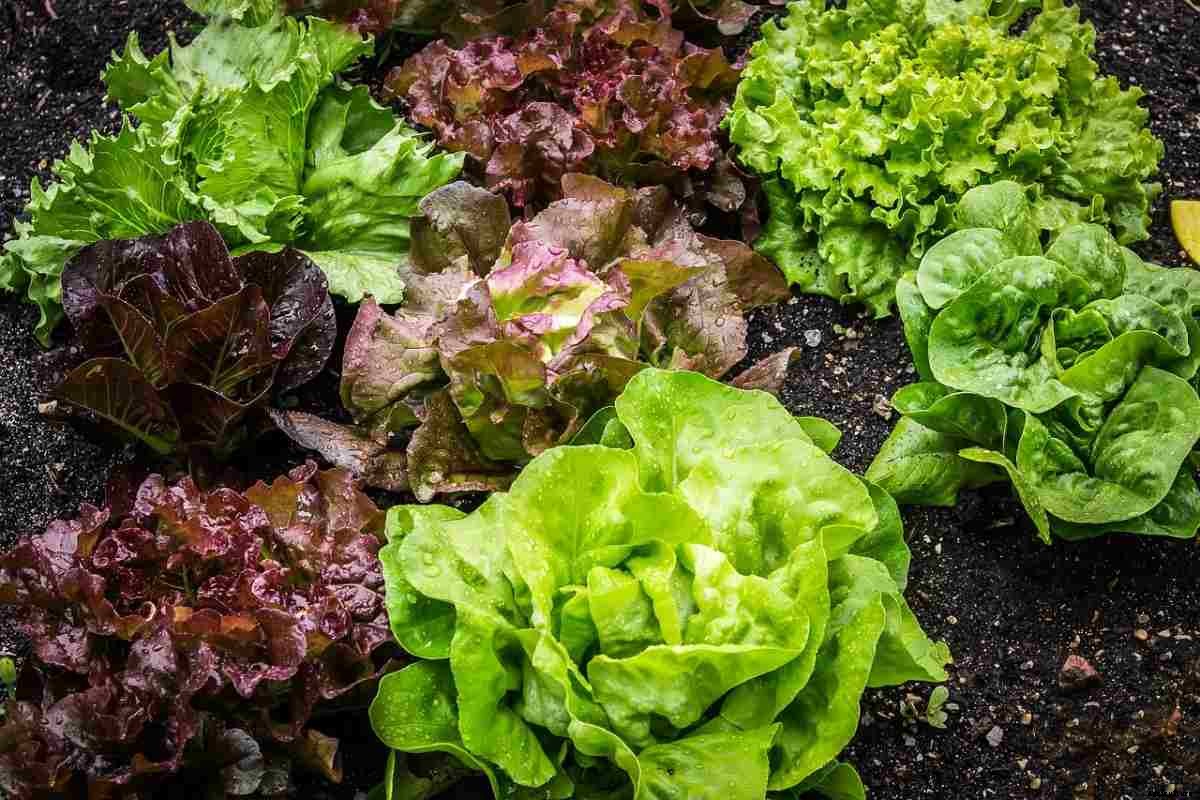
Crop Selection for Vegetable Farming at Home
Healthy seedling is single most important for successful vegetable production;
Growing vegetables start with sowing or planting. Sowing vegetables means putting a seed directly into the prepared soil. On the other hand, vegetable planting includes the practice of putting already grown seedlings into the soil, and seedlings can be grown in the field or greenhouses.
There are two types of seedlings;
Sowing is practice for vegetable plants with delicate roots like Carrots, Turnips, and Radishes. For, growing vegetables from seedlings is more appropriate in cases such as slow-growing perennials, crops with fine and expensive seeds, and warm-season crops. Planting is recommended for annual vegetable plants when the soil is too cold or moist for direct sowing. For example, onion and asparagus are vegetables that are planted.
Water is the life-blood of vegetable farming. Vegetable crops require more total water and more frequent irrigation than other agronomic crops. So, only fields that have easy access to an abundant water source should be considered for vegetable production. The water source must have the capability to provide the volume required for the maximum needs of the highest water-using crop to be planted. Most vegetable crops need a uniform supply of moisture throughout the growing season. Water is essential for vegetable crops and it is absorbed by plant roots from the soil through processes of osmosis and diffusion. Besides absorption of water and translocation of nutrients from the soil, also water influences photosynthesis, respiration, transpiration, nutrient utilization, and cell division.
Water quality is equally as important as water volume in choosing a field site water source. The water source for vegetable irrigation contains less than 400 ppm soluble salts. So, avoid water sources containing high levels of toxic elements such as Sodium, Boron, or Aluminum. Then, the absence of an adequate supply of high-quality water cannot be offset with an ideal field site having a desirable soil type. Knowledge of crop tolerance to salinity is necessary if marginal quality water is to be used.
There are several types of fertilizers, which broadly fall into one of two categories such as organic and synthetic. Vermicomposting, manure, and kitchen waste compost are popular organic fertilizers for growing vegetables. There are many different all-natural fertilizers that you can use in the garden or with potting soil.
Manure, compost, and blood meal are good examples of natural fertilizers for vegetables. Unlike water-soluble synthetic fertilizers, a nutrient transmittal from organic materials is a much slower procedure. Organic or natural fertilizers use alfalfa meal, cottonseed meal, or fish emulsion to provide nitrogen; bone meal or rock phosphate to provide phosphorus, and kelp meal or granite meal to provide potassium.
Aquarium Water – Water your vegetable plants with the aquarium water taken right out of the tank when cleaning them. The fish waste makes a great fertilizer for vegetables.
Cooking Water – Several different nutrients are released into the water that food is cooked in. Water that is used to boil potatoes, eggs, and some vegetables can be used as a fertilizer for plants. Just remember to let the water cool before applying it to the soil. Water that you used to boil food such as potatoes, vegetables, eggs, and even pasta can be used as a fertilizer. But when using cooking water, ensure you let it cool before giving it to your vegetable plants.
Powdered Milk – Powdered milk is good not only for human consumption but also for vegetable plants. Then, this source of calcium needs to be mixed into the soil before planting. Since the milk is in powder form, it is ready for use by your vegetable plants.
Tree leaves – Leaves are rich with trace minerals, they help to plant growth, and also they will help make heavy soils lighter. You can use leaves in two ways like either till them into your soil (or mix crushed leaves into potting soil), or use them as a mulch to fertilize your plants and keep weeds down.
Kitchen Scraps – Put kitchen and garden waste to work by making your compost. Compost releases nutrients slowly, and that means a well-composted garden can go a year or two without requiring reapplication of fertilizer. Also, compost helps the soil retain moisture, which is essential for vegetable gardens to thrive during hot, dry summers.
The most common pests in vegetable crops are aphids, mealy bugs, mites, caterpillars, cutworms, grasshoppers and locusts, thrips, weevils, whiteflies, and worms. Most pests in vegetable plants can be controlled by using Neem oil spray. Mix 10 ml of Neem oil with 1 liter of water and to this, and add 5 ml of liquid dish-washing soap and mix well. This spray has to be applied weekly to the plant leaves.
To keep the vegetable garden most productive, keep an eye out for weeds and other pests. Remove or treat any vegetable plants that show signs of disease or insect damage. Damping-off, root rot, leaf spots, powdery mildew, and downy mildew, and virus diseases (Mosaic and leaf curl) cause severe yield loss in vegetable crops.
Vegetable plant diseases take their energy from the plants on which they thrive. They are responsible for a great deal of damage and are encouraged by wet weather conditions, poor drainage. Plant diseases are a different variety of symptoms like mouldy coatings, wilting, scabs, blotches, rusts, and rot.
Your first step in the battle against disease is to select resistant plants. Some important tips for minimizing vegetable diseases include keeping the growing area clean, properly watering and fertilizing plants, rotating crops, and using disease-free seeds.
If fungal problems appear in vegetable crops, you can try controlling them by reducing high moisture conditions, and by cutting away infected plant parts. In most cases, a fungicidal spray or dust will be necessary.
Some Pests and Diseases Management are;
Vegetable farming in the greenhouse has traditionally been located near population centers. Some importantoff-season vegetables are Tomato, Capsicum, Brinjal, Cucurbits, Okra, Cowpea, Amaranth, and Chilli. These vegetable plants can be well cultivated under greenhouse during extreme conditions of the winter season (October-February).
A small-sized greenhouse at roof or terrace receiving sunlight for growing Chilli, Tomato, Brinjal, Summer Squash, and Okra in pots. High-priced vegetables like asparagus, leek, tomato, cucumber, and capsicum are the most important crops for production during the winter season or off-season.
The ideal location for greenhouse vegetables has high winter light intensity, low humidity, moderate winter temperatures, and easy access to markets. Avoid tall trees or buildings that can shade the greenhouse, although windbreaks will help reduce heating costs if properly located.
Cultivars suitable for open field conditions are suitable for greenhouse cultivation. But rapid-maturing cultivars and high-yielding hybrids are ideal. The selection of plant cultivars and hybrids depends on plant type and their growth behavior. Tomato cultivars and hybrids must be of indeterminate type. The cucumber cultivars should be unique.
in case if you miss this: Biofloc Fish Farming Questions and Answers.
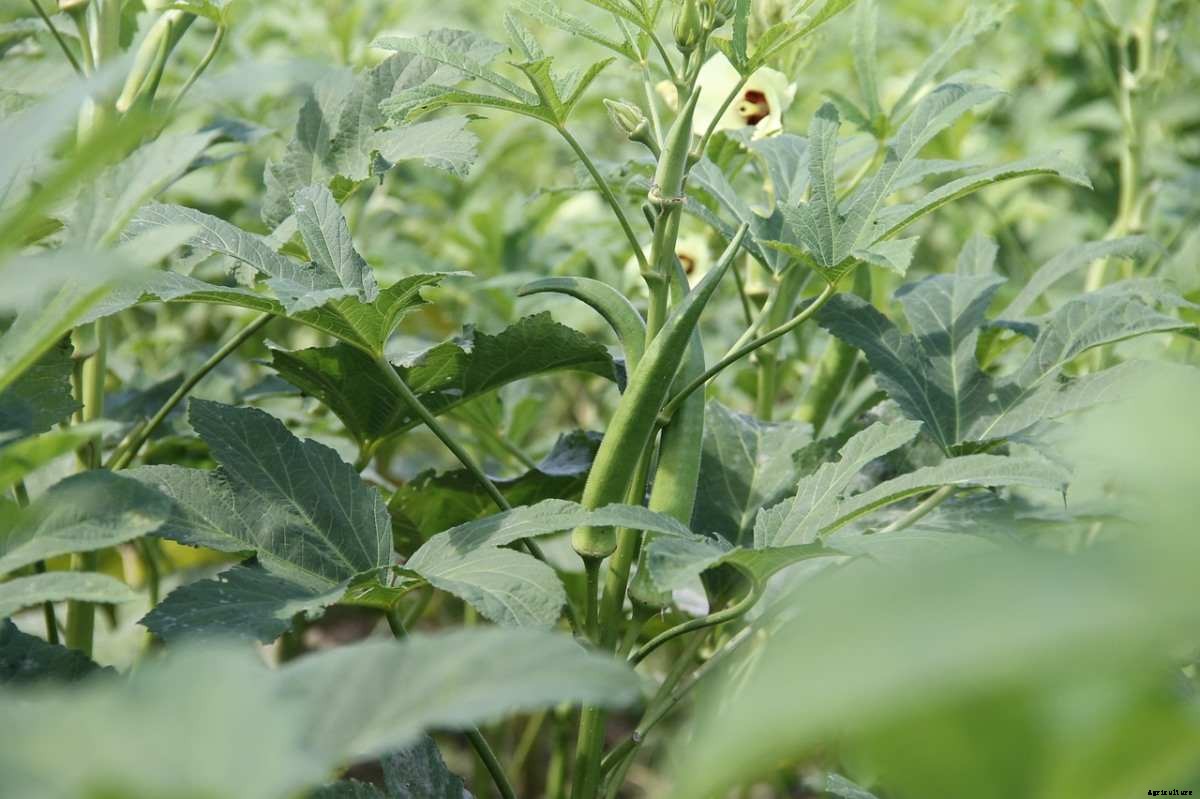
The majority of the vegetable growers in India are poor, small, and marginal farmers. In developing countries like India, particularly in a low input traditional system, a properly managed organic farming system can increase crop productivity and restore the natural base.
Some organic vegetable list
Organic or natural non-chemical agriculture methods can grow any vegetables at home. But the most profitable and popular organic vegetables are Spinach, Swiss chard, Greens, Kale and Kohlrabi, Leeks, Lettuce, Broccoli, Cabbage, Cauliflower, Peas, Beans, Corn, Tomatoes, Cherry Tomatoes, Zucchini, Okra, Eggplant, Squash & Pumpkins, Cucumbers, Watermelons, Melons, Carrots, Turnips & Rutabagas, Radishes, Parsnips, Beets, Potatoes, and Onions.
The fast-growing vegetables in pots are Beets, Cabbage, Carrots, Cucumber, Eggplant, Green Beans, Kohlrabi, Lettuce, Onion, Peas, Pepper, Radishes, Spinach, Summer Squash, Swiss Chard, Tomatoes, and Winter Squash.
Advantages of balcony vegetable gardens are;
When you are planting vegetables in balcony gardens, you need to make sure to use synthetic soils. These are best suited for container plants. Synthetic soils are made of wood chips, peat moss, sawdust, vermiculite, perlite, or other types of synthetic planting media. Growing a vegetable garden on a balcony is not difficult and requires some care. Any vegetable plant that is easy to transplant is great for containers or pots.
Most of the vegetable plants grow easily in a standard 5-gallon size pot. For growing eggplant, select a 12 inches deep and wide pot to provide sufficient space. Eggplant or Brinjal is a productive vegetable and fruits heavily if you provide it at least 6 to 8 hours of direct sun daily. You will want to provide a large, deep pot, preferably at least one foot deep for ideal growth. Vegetable plants grown in containers need regular fertilization. Brinjal, Pepper, Peas, and Cherry Tomato plants can be grown in medium-sized containers. Bigger containers can be used for indeterminate Tomatoes, Cucumber, and Beans.
The most vegetable plants grown on the balcony are Beans, Tomatoes, Lettuce, Cucumber, Peppers and Chilies, Carrots, Radishes, and Peas.
Leafy vegetable plants that grow in heads, such as Celery, Romaine, and Bok Choy are some of the easiest scraps to grow at home. Just cut off the plant’s base, which you wouldn’t eat, so you have a piece about 1 inch tall. Then, place it cut side up in a shallow saucer, and add 1/2 inch of water.
Leafy scraps will produce in the water on a sunny indoor windowsill year-round. Also, you can transplant them from water into the soil as soon as they show roots and new green growth.
Bulb-like Vegetables – For green onions, leeks, fennel, and lemongrass cut off the end with the tiny roots so you have a scrap 1 inch tall. Then, place its root end down in water 1/2 inch deep. For mature bulb onions, scraps produce best when planted directly into the soil instead of water. As with leafy vegetable scraps, cover the plant roots and base with soil, but keep the top exposed.
Root Vegetables – Some vegetables like turnips and beets, the root gets eaten and the top part, where plant leaves once grew, gets thrown away. Then, these top scraps regrow tasty leaves for fresh salads. Cut off the top, but leave about 1/2 inch of the beet or turnip attached. Then, place the scrap in shallow water, and fresh greens will soon appear.
Another method of easy-to-regrow scrap is ginger root, which regrows quickly in soil. If scrap still has a fresh, wet cut, let it dry at room temperature overnight. Then plant the root scrap about 1 inch deep in the soil. Ginger is a tropical plant that can bear unusual and striking blooms. When you want ginger in the kitchen, gently pull up a root and then leave the rest for another time.
Re-growing vegetables from scrap can be very simple. Some important vegetables that you can re-grow from scraps are Potatoes, Sweet Potatoes, Onions, Garlic, Celery, Carrots, Turnips, Parsnips, Beets and Other Roots Crops, Lettuce, Bok Choi and Other Leafy Greens, and Cabbages.
Green Onions – Green onions are arguably the easiest vegetable to regrow. Firstly, cut them from about an inch from the roots, and leave them in a glass of water.
Celery – Cut off the celery, and leave about an inch or two inches from the base. Then, place the base in a bowl of water and leave it where it can get adequate sunlight. As new plant leaves begin to sprout from the middle, allow for it to gain thickness for about a week before transferring it into a pot of soil.
Romaine Lettuce, Bok Choy, Cabbage – Romaine lettuce plant is as easy to regrow as celery. Leave the stump of the lettuce in a bowl and then fill the water halfway. And once the leaves have regrown for a few days, and then transfer the stumps into the soil.
Onions – Also, you can regrow spring onions from an onion bulb. Then, make sure the root part has about half an inch of grown attached. Place it directly in soil and then cover it with a layer of soil. Water it carefully to keep the soil moist. Just keep cutting the green sprouts off when they’ve regrown and you’ll never have to buy spring onions again.


