
Welcome to Modern Agriculture!

Growing Vegetables Hydroponically
Hello friends, Today we are here to cover the topic of growing vegetables hydroponically. Growing hydroponic vegetables means the plants are grown without using soil and growing with the use of water and essential nutrients. It is a popular method of growing plants and vegetables. A hydroponic system can grow vegetable plants faster than growing outdoors in soil and hydroponic systems can be used year-round. Growing plants hydroponically often yield more, require less space, and use less water than with conventional gardening. Hydroponics is a method of growing plants at home that is challenging, fun, and very rewarding. In this article we also covered the below topics about hydroponic vegetables;
Now, let us get into the detailed information of growing vegetables hydroponically or without soil.
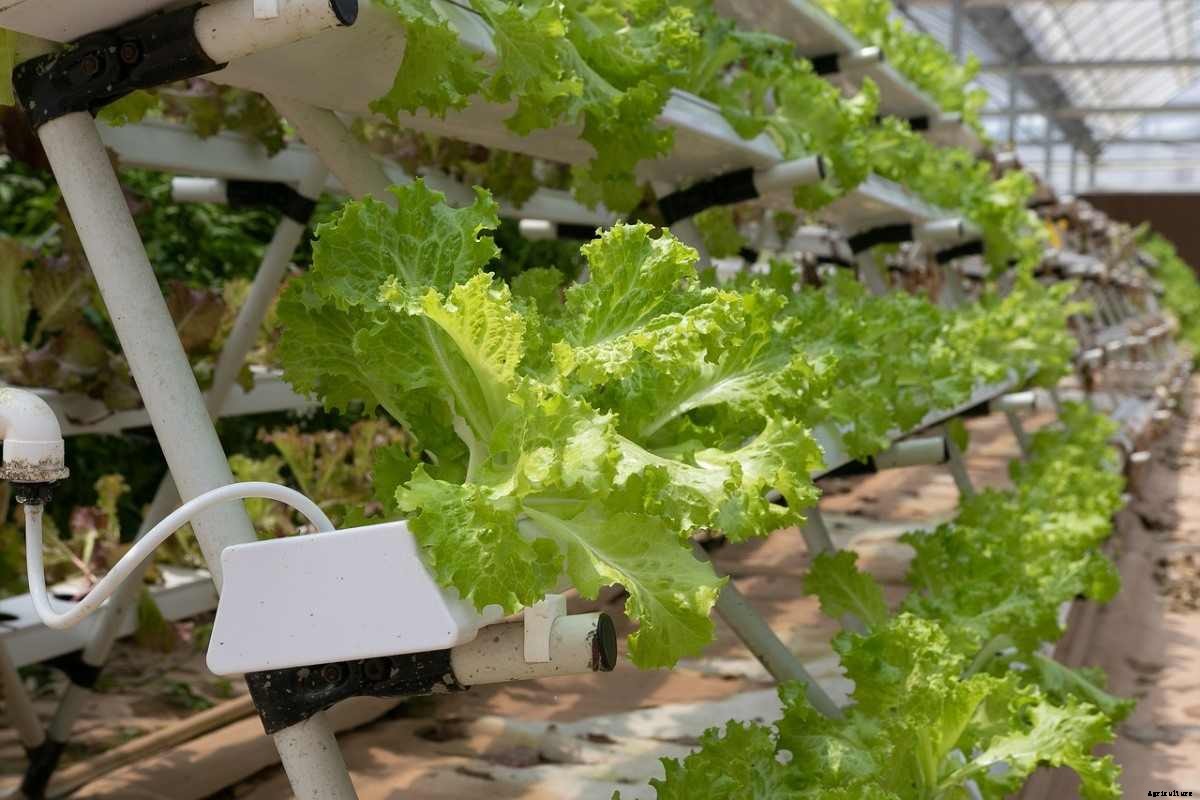
A hydroponic system is a fun way to grow several vegetable plants. In hydroponics, use nutrient-enriched water instead of soil, and has existed for thousands of years. Hydroponics is a sustainable method that brings optimal growing conditions and oxygen to vegetable plants so they grow steadily when provided with proper nutrients and light.
Hydroponics is growing plants without soil and the limitations of space and climate. The amount of time to grow vegetables hydroponically is determined by different factors like the vegetable being grown, the exact variety of that vegetable growing, and the growing conditions. Growing vegetables hydroponically under optimum conditions produce food more quickly than vegetables grown under the best conditions outdoors.
Importance of pH in Hydroponic Systems – The right pH level is important in hydroponics because it affects nutrient availability for your growing plants. In hydroponics, a pH level that is too high or alkaline can prevent nutrient uptake and lead to deficiencies. In hydroponics, iron deficiency causes pale or yellow color leaves in young plants. While leaf cupping and tip burn are telltale signs of calcium deficiency in hydroponic plants. Also, calcium can form salts that leave white deposits or scale on reservoir walls and equipment.
Hydroponically grown vegetable plants need different pH levels than plants grown in soil. Without soil, vegetable plants do not benefit from microorganisms, organic matter, and interactions between water and minerals that regulate pH levels. The hydroponic system must constantly monitor and adjust pH levels. To obtain the best yield and healthiest plants, you’ll want to give vegetables the optimal growing environment. A pH level of 5.5-6.5 is suitable for most vegetable plants.
EC (Electrical Conductivity) level is a measurement of dissolved salts in a solution. As a hydroponic gardener, EC level measures how strong your hydroponic solution is. Too strong and your vegetable plants will burn and ultimately be unable to absorb water and nutrients. Too weak and your vegetable plants will struggle to develop due to a lack of nutrients.
Just because a vegetable plant is grown in water doesn’t necessarily mean it doesn’t still need sunlight. Especially in the case of vegetables like tomatoes, you’ll need to either place your plants near a south-facing window. Unfortunately, this can be complicated due to various spectrums of light, intensity, and power, not to mention the different needs of different plants.
Some vegetable plants like Spinach, Lettuce, Wheat, Potatoes, and Turnips require as much as 18 hours of sunlight. So, these vegetable plants are like plants that bear flowers in summer. In a hydroponic system, these vegetable plants need to give a huge amount of light. The majority of the vegetable plants need lighting for about 14 to 18 hours each day.
You will need a good lighting system and a timer for your hydroponic system. A fluorescent light fixture purchased at the hardware store that can hold 2 tube light bulbs supplies plenty of light for a hydroponic garden. Then, add a timer to the system so the lights go on and off automatically.
Plain old tap water is fine for your hydroponic vegetable garden. For plant food for vegetables, purchase a liquid 15-15-15 fertilizer or a 15-20-15 fertilizer. Wait until the vegetable plants have roots to add fertilizer to the soil. Clear, odorless, and tasteless water is good for hydroponic vegetables. That mainly depends on where it comes from. Tap water contains chemicals used to purify it, and well water might have natural minerals that change it in ways you can’t see.
Any good Hydroponic nutrient must contain all of these elements; Nitrogen (N), Potassium (K), Phosphorous (P), Calcium (Ca), Magnesium (Mg), Sulphur (S), Iron (Fe), Manganese (Mn), Copper (Cu), Zinc (Zn), Molybdenum (Mo), Boron (B), Chlorine (Cl). The nutrients are dissolved in water which uptake the water with minerals toward different parts of the plant in the hydroponics system.
In hydroponics, most vegetable plants prefer a temperature between 20-21°C, it’s important to keep an eye on how hot or cold it gets around a hydroponic garden. Sometimes you’ll want to protect it from the heat generated by grow lamps. Other times you’ll want to protect them from falling temperatures in the winter season, even though they’re indoors.
Instead of soil, vegetable plants grow in a soilless medium. Such growing mediums can incorporate Rockwool, coconut fiber, or other comparative choices. Just like the soil medium, the growing medium used in hydroponics vegetables provides a sort of anchorage or substrate for the roots. Specifically, use Rockwool, which is inert/non-reactive and helps support the vegetable plant throughout its growth, without affecting the growing environment. For growing hydroponic vegetables, the most widely used growing media are Rockwool; Lightweight Expanded Clay Aggregate is called Grow Rock, Coconut Fiber, and Perlite or Vermiculite.
Some of the benefits of using a hydroponic system to grow vegetable plants;
The easiest plants to start with are vegetable greens like Lettuce, Spinach, Tomatoes, Swiss chard, and Kale; and fruiting plants like Tomatoes, Strawberries, and Hot Peppers.
Some of the easy to grow hydroponic vegetables are given below;
Lettuces
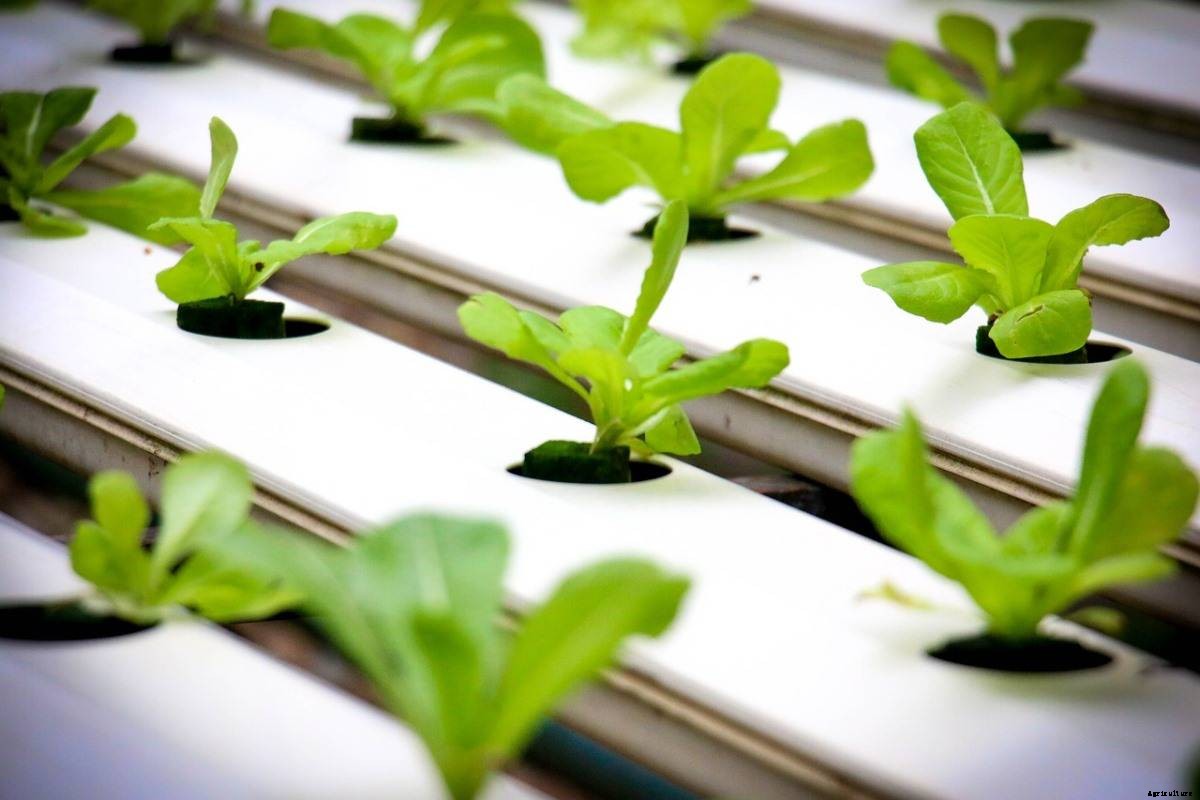
Favorable temperature – Cool and pH level 6.0 – 7.0
Lettuces can be grown in any Hydroponics system like the NFT, Aeroponics, Ebb, and Flow, etc. This vegetable is no doubt a great plant if you just start with a hydroponics system. The Lettuce plant requires cool temperatures and the pH level should be between 6 to 7. In most instances, the plants will grow within 30 days or less.
The leaf lettuce plant makes an outstanding option for hydroponic cultivation. This plant grows in the simplest systems and requires minimal attention. You can harvest the external leaves from lettuce, meaning you will end with a prolonged crop of fresh, crunchy lettuce. As the plant leaves are cut, the internal leaves will grow rapidly to take their place. There are several varieties to choose from, and most of them are suitable for growing this way. The more common types of Lettuce for hydroponics are Tom Thumb, Boston, Iceberg, New York, and Romaine, Buttercrunch Bibb, Simpson, and Waldman’s Dark Green.
Tomatoes
Favorable temperature – Hot and pH level 5.5 – 6.5
Many types of tomatoes like traditional and cherry ones have been grown widely by Hydroponic hobbyists and commercial growers. Botanically, the tomato is a fruit, but most people whether sellers or consumers consider it as vegetable plants. One thing to keep in mind is that tomato plants require much light. So be prepared to purchase some grow lights if you want to grow Tomatoes indoors. When growers move on to tomato plants, it shows they understand their system and wish to go on to the next level.
In case if you miss this: Growing Carrots In Greenhouse.
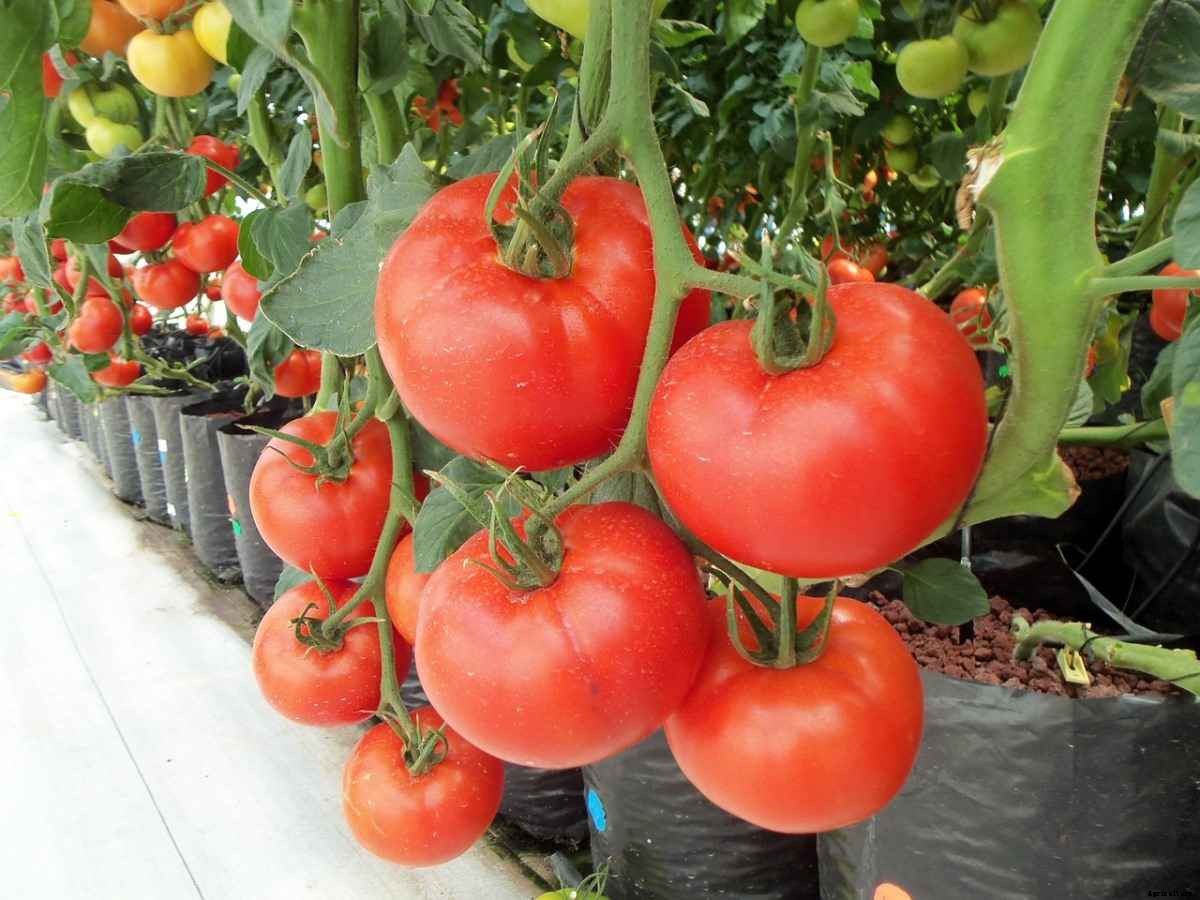
Tomatoes are a warm-weather plant and like the temperatures like cucumbers. They prefer an EC level that begins at 2 and goes up to 5, so any system will want to be separated to allow tomatoes to grow on their own. The ideal pH level is between 5.5 and 6.5 and the temperature is between 14 and 26°C. The upper end of the range more preferable. They need a growing medium for plant support, a pH level of 5.5 to 6.5 and require more sunlight. A wick system or Ebb and flow hydroponic systems work excellent for tomato production.
Radishes
Favorable temperature – Cool and pH level 6.0 – 7.0
Radishes are another vegetable plant that makes a good flavoring mix with other vegetables. Radishes are one of the easiest vegetables to grow in soil or hydroponics. It’s better to start from seeds, and you can see seedlings within 3 to 7 days. Radish plants thrive in cool temperatures and do not need any lights. Radish plants are easy to grow and one of the very best hydroponic vegetables. Make sure that you plant them in an area with cool temperature levels away from any light.
Kale
Favorable temperature – Cool to warm and pH – 5.5 – 6.5
Kale is a nutritious and delicious-flavored plant for home and restaurant dishes. It is a great vegetable for a healthy person with proven health advantages. The Kale plant is one of the top vegetables that are grown because of its health benefits and its delicious flavor. Kale plant can be germinated from seeds and once it begins growing, it can handle a wide range of temperatures from 7 to 29°C.
Beets
Beets can be successfully grown hydroponically. Like most vegetable plants, beets will thrive in indoor situations like hydroponic gardens, though they do require some specific considerations. If you want to grow hydroponic beets, make sure that the hydroponic garden is large enough, and provides the right lighting, temperature, and nutrition requirements.
Set up your hydroponic system in a well-lit place if you plan to grow them outside. Beets do best in temperatures between 15 and 18°C with 6 to 8 hours of light each day. In cooler climate conditions, it’s best to use a greenhouse or other enclosed area to maintain a constant temperature. Many varieties of beets do well. They thrive in cool temperatures and plant around a few inches apart.
Cucumbers
Favorable temperature – Hot and pH level 5.5 – 6.0
Water-loving vegetables make a good choice for your hydroponic garden. Given enough space and support cucumber plants will grow abundantly. These are rich in micro-elements iron, sodium, potassium, magnesium, calcium, and zinc. Cucumbers are a common vining plant that is grown at hydroponics successfully. They enjoy rapid growth under sufficient conditions and hence give high yields. There are several types and sizes of cucumbers like the thick-skinned American slicers, long thin-skinned seedless European, and the smooth-skinned Lebanese cucumbers. All can grow well in the Hydroponics system. It is a warm plant so be sure to supply it with enough light and temperature.
Growing cucumber in hydroponics can be so rewarding and easy growing plant. These vegetable plants love the conditions they are given. Warmth, nutrients, and lots of moisture are perfect for growing hydroponic Cucumbers. Cucumber is one of the highest-yielding vegetables you can grow in hydroponics. The ideal temperatures for optimal growth are range from 15 to 27°C. The Cucumber plant likes a pH of 5.8 with an EC level between 1.8 and 2.
Spinach
Favorable temperature – Cool to warm pH – 6.0 – 7.0
Spinach is a cool plant, so it does not need too much light. Being another cool weather crop, Spinach is perfect to grow along with lettuce and kale. Any temperature level over 23°C will see the plant suffer. It can be grown from seeds and many hydroponic growers will place their seeds in the refrigerator for up to 3 weeks before planting. This makes a plant that is hardier and thus a healthier plant.
Spinach is another fast-growing plant that can be a suitable fit for the hydroponics system. While the plants thrive well in almost all types of hydroponics systems, the NFT hydroponic works best. As with every other form of Hydroponics Farming, with Spinach, you will need significantly less water when compared to the home garden. Also, you can grow them from scratch right when they are seeds. In most instances, it is known to grow within one month or 40 days. Make sure the pH level is between 6.0 to 7.0 and the temperature is duly regulated.
Beans
Favorable temperature – warm – pH level – 6.0
Beans can grow winter or summer, indoors or outdoors in hydroponics. In winters, grow bush beans indoors. During summers, grow pole beans outdoors. Pole bean varieties could be tied up and grown vertically. Bush beans tend to just take more places. Beans need less oxygen than other plants demand considerable amounts of potassium, phosphorus, and sulfur.
You can select the types of beans you can grow in hydroponics like Green Beans, Pole Beans, Pinto Beans, and Lima Beans. You will need a trellis or something to support the plants if plant pole beans. Seed germination takes 3 to 8 days. Harvesting begins after 6 to 8 weeks.
Carrots
Carrots can be grown indoors hydroponically all year round and require some tips. Gourmet Carrots are better to develop than the ordinary Carrot varieties because of the depth of the growing medium. Potassium and phosphorus are very important. The optimal temperature for carrot germination is around 29°C. Depending on conditions and carrot variety, they must begin to germinate in 6 to 10 days. They will germinate at slightly lower temperature levels, but not as well. Feed hydroponic carrots lightly with a nutrient solution at least once a week. Then, the carrot plants will draw the bulk of their nutrients from the reservoir below.
In hydroponics, Carrots grow best with a solution pH level of about 6.0 to 6.5. Maturing Carrots need nutrient solution strength of 1150 to 1350 ppm.
Cauliflower
You can grow cauliflower hydroponically much cheaper than using soil gardening. If you’re growing cauliflower with another type of plant, it is better to develop it together with plants with moderately cool requirements. Nitrogen, iron, and phosphorus are required in larger quantities for growing cauliflower.
Bell Peppers or Capsicum
Bell peppers are an excellent plant for your Hydroponic garden. While growing Bell peppers at home, you need to strictly ensure that they do not achieve their full height. To avoid this, make sure the plant is pruned and pinched at about 7 or 8 inches. Then, this will spur their growth and also make way for bigger and fuller vegetables. Try the Deep Water Culture and Ebb and Flow hydroponic techniques for growing Bell Peppers.
Most Bell Peppers take around 90 days for achieving full growth and their ideal pH ranges from 6.0 to 6.5. Also, you can raise the light rack as your bell peppers start growing. While regulating the light also it is at a distance from 6 inches from the light. Pepper plants grow similarly to tomatoes with warmth and lots of light.
Edible Herbs
Mint, Coriander/Cilnatro and other herbs can be grown easily in hydroponics.


