
Welcome to Modern Agriculture!

Growing Organic Squash
Hello friends, today we are here with a topic called “Growing Organic Squash”. Squash belongs to the Cucurbitaceae family and genus of “Cucurbita”. It is among the most commonly grown plant in the vegetable garden. Squash plants need full sun, fertile soil, and sufficient moisture. The use of well-composted material mixed into the soil is recommended for growing Squash. It is a warm-season crop, very tender to frost and light freezes. It is one of the easiest vegetables to grow organically. Growing organic Squash is easy and requires some conditions. The sizes, shapes, colors, and fruit of the vines vary, but the cultural requirements are the same for each of these cucurbits. In this article we also discuss the below topics about growing Squash;
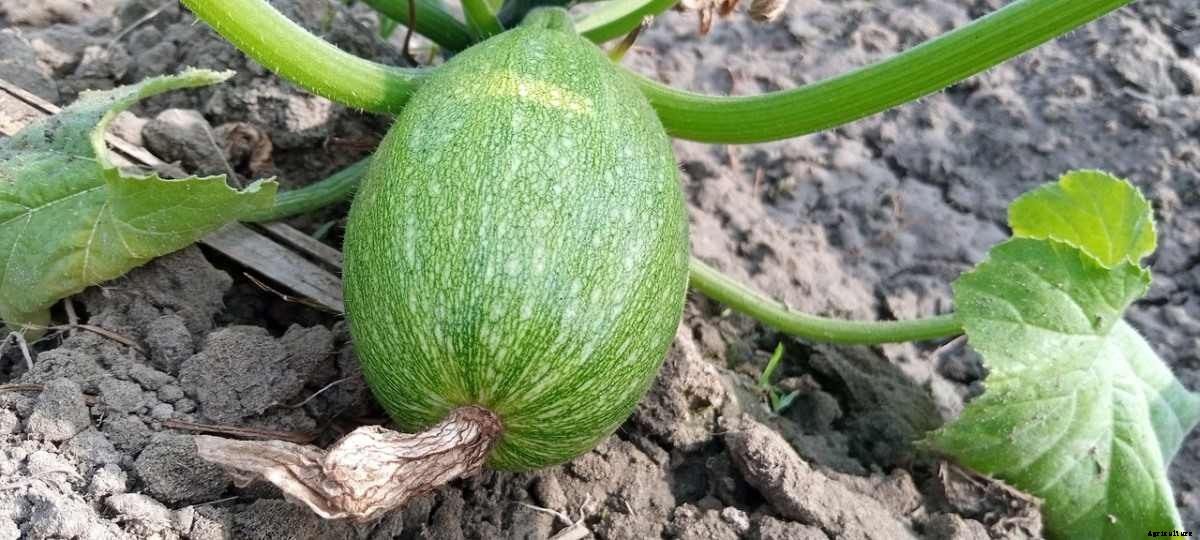
Squash plants produce yellow or orange color flowers and green, white, or yellow fruit in a different variety of shapes with smooth or ridged skin. Vines have large, lobed leaves and long vines which can climb by attaching to surfaces with their tendrils.
There are different varieties of Squash, most of which are vine types; there are several bush types as well. Before you grow Squash plants, be sure you know which type you have and plan your garden accordingly. There are two types of Squash varieties. They are summer and winter Squash.
Summer varieties of Squash plants are large and bushy. Several types of summer Squash come in different variety of shapes and colors. The most common types of summer Squash include Straight-neck, Crooked-neck, Scallop, and Zucchini.
Most winter squash varieties are vine plants and will spread throughout the garden. Winter Squash is categorized based on fruit size and there are several sizes, shapes, and colors available. Winter Squash varieties include Acorn, Butternut, Turban, Buttercup, Spaghetti, and Hubbard. They’re called winter Squash because we eat them through the winter season, not because you can grow them through the winter.
Squash plants are warm-season annual plants that do best in full sun (may require partial shade in hotter environments) with ample water and nutrient-rich soil. Organic soil amendments like compost and aged manures, and slow-release plant nutrients, are effective when tilled into the soil before planting. Rotate your crops and do not plant in areas where other cucurbits have been cultivated over the past 4 years.
Vegetables tend to all like the same growing conditions like full sun, and well-drained soil full of organic matter. Organic matter contributes to the health of the soil that gives soil nutrients, aerates soil for better root growth, helps soil retain moisture, and while at the same time allows the soil to drain better.
The easiest method to add organic matter is to just work a little compost into your soil. Get a composter and also make your own by recycling kitchen and yard waste. Also, buy compost or a soil amendment will do the same thing. But, it’s cheaper just to go ahead and buy a compost bin (or recycle a large bin) and makes your own. Coconut Coir can be added to garden soil for moisture retention.
The Squash plant responds well to organic amendments to enrich the soil at planting time and as topdressing or mulch. Both summer and winter Squash plants prefer fertile, well-drained soil with a pH level between 6.0 and 6.5. It is recommended to grow your Squash in an area of your garden that was previously used for a compost pile or to thoroughly incorporate two heaping shovels of compost into the site. Moreover, the Squash plant prefers loose soil. For this reason, be sure to mix the compost at least 12 inches into the ground when preparing your soil. Then, this will ensure you thoroughly incorporate the compost and break up the soil as you go.
Squash plants are susceptible to frost and cool weather. If the growing season is short, the seed can be started indoors in peat pots for transplanting outdoors 6 weeks later. Use peat pots with the bottom removed; the Squash plant does not like to have their taproot disturbed. It is best to transplant before the roots wrap around the pot or container. For direct sowing wait until the soil temperature level is about 15°C.
Summer Squash – Summer Squash prefers warm weather, preferably in the range of 18 to 29°C. You can start seeds indoors 4 weeks before the last expected frost date. Due to these Squash plants not thriving in cool conditions, ensure they have plenty of warmth. Then, cover their bed with lots of organic matter in the form of compost and mulch. This will provide heat and nutrients for growing plants. Summer Squash plant requires a minimum of 6 hours of sunlight daily.
Winter Squash – Winter Squash plant follows the same general rules for planting as summer Squash does. However, there are a few minor changes or caveats. To start, the winter Squash plant thrives in soil that is between 21 and 35°C. The warmer the temperatures the better. Also, winter Squash is grown on trellises.
Squash plants require a lot of space around them, whether you plant them in deep-dug or raised garden beds, or in conventional hills. Winter Squash plants need more space than summer Squash, and vining types need more space than bush types. The Squash plant is propagated from seed and can be direct-seeded or sown indoors and transplanted. Seeds in sown both indoors and require lightly moist soil for germination, care must be taken to avoid overwatering. Seeds should germinate in 5 to 10 days depending on the soil temperature.
When growing Squash, overcrowded conditions promote powdery mildew disease and other Squash diseases, so make sure the plants are spaced properly and have plenty of air circulation around them.
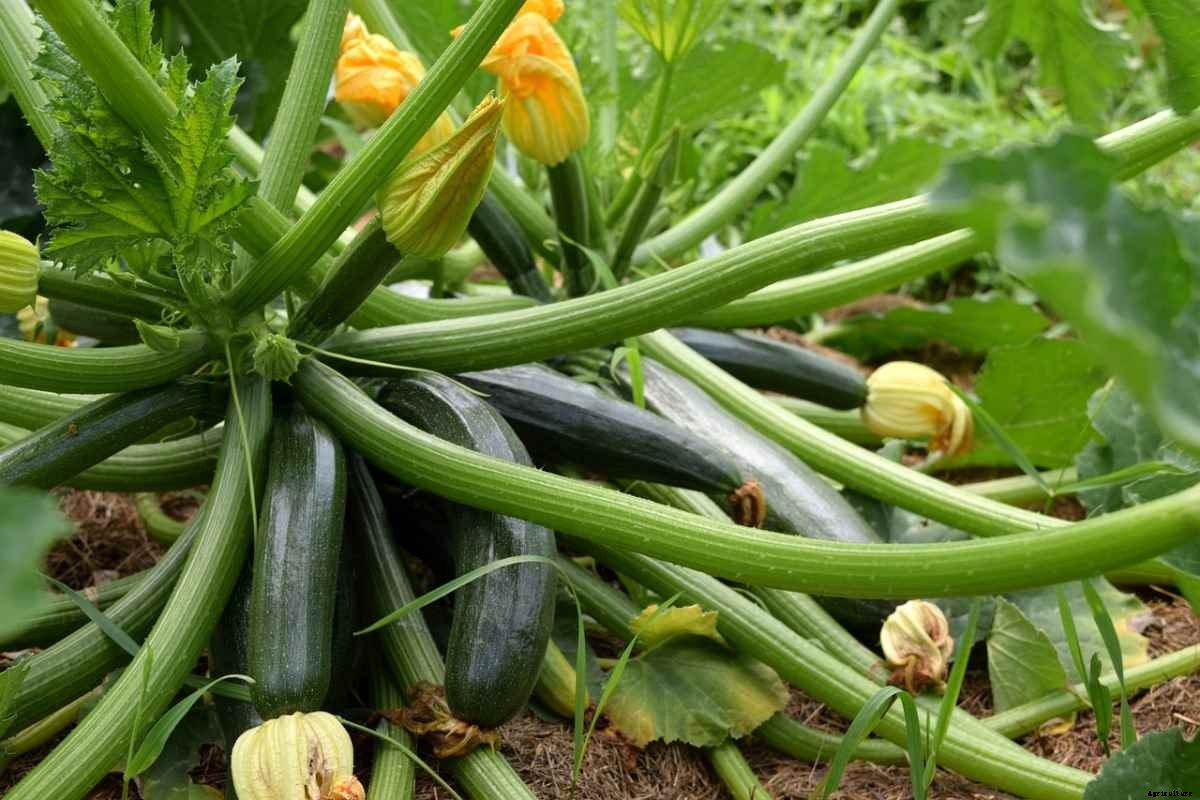
Use an organic fertilizer on summer and winter Squash at the time of transplanting. Fertilize the plant again, in about a month. Organic fertilizer is important and needs safe, healthy foods. But also, you don’t want to endanger any beneficial insect helping you with pollination duties.
It is necessary to water Squash plants whenever the top inch of the soil feels dry. When it is time to water, be sure to water the plant gently but thoroughly. To ensure that the water reaches the deepest layers of the soil, this encourages the plant’s roots to grow deeper. This is very important during the hottest months of the year so that the plant does not dry out.
Many organic farmers treat their Squash plants with compost tea every 2 weeks during the growing season. This benefits any crops that are heavy feeders like Squash. Also, do not forget to mulch you’re Squash after planting. Especially in hot climates, as Squash has a shallow root system, with the majority of their roots growing within the top 12 inches of the soil. This leaves susceptible to heat, they depend upon the extra protection provided by an additional layer of organic mulch.
Squash plants are heavy feeder plants and requiring regular applications of fertilizer. Many organic farmers apply compost tea every 2 weeks throughout the growing season. By steeping several handfuls of well-rotted compost in water for 24 to 48 hours, the compost’s nutrients are released into the water and making them easily absorbed by the plants’ roots.
Bacteria wilt; Squash vine borers, aphids, mosaic virus, and mildew are some of the important diseases in Squash plants. Powdery mildew disease is the most common ailment that Squash growers run into in the garden. It is the result of overcrowding. To prevent this problem, simply allow more room for air and light circulation around plants. Also, try planting them further apart, or starting winter Squash up trellises to allow for better use of smaller spaces, and to get larger vined fruit up off the ground. Anthracnose disease is an infectious fungal disease that spreads through moisture and can affect Squash. Though, you can treat it by spraying your crop with neem oil, an organic anti-fungal.
Most Squash varieties are susceptible to a variety of bacterial and fungal diseases. Powdery mildew and bacterial wilt are the most common in Squash plants. Disease problems are most common in hot and humid weather conditions. Then, these diseases can be treated with organic fungicides. Also, a variety of other pests can cause problems, depending on your particular area. Squash bugs and Squash vine borers can be serious pests in Squash plants. These insects can cause entire plant leaves to wilt, turn brown, and die. Also, Squash is susceptible to cucumber beetles, which feed on the leaves of the plants and spread disease from one plant to another. Most adult insects can be easily removed by hand, or you can apply an appropriate insecticide to the base of the plants. With proper planning, growing requirements, and maintenance, many of these problems can be avoided. After the final harvest, remove and then destroy all plant debris to prevent insect or disease infestations.
Squash bugs will set in pretty quickly and they will be your biggest pest problems. Also, cucumber beetles like summer Squash plants. Use Diatomaceous Earth around the base of your Squash plants early on to deter pests, especially Squash vine borers. Organic Neem oil is a great organic control to get rid of these “munching” bugs.
Leaves curl under and become yellowish color – Aphids are tiny, oval, and yellowish to greenish pear-shaped insects that colonize on the undersides of plant leaves. Use insecticidal soap.
Squash plant leaves turn pale green, yellow, or brown; dusty silver webs on undersides of leaves and between vines. Spider mites suck plant juices causing stippling. Then, spray with water or use insecticidal soap. Ladybugs and lacewings eat mites.
Leaves yellow color; tiny white-winged insects around plants – Whiteflies will congregate on the undersides of plant leaves and fly up when disturbed. Remove infected plant leaves and the whole plant if the infestation is serious. Introduce beneficial insects into the garden.
Without iron, Squash plants have difficult time making chlorophyll, the substance that makes leaves green. Iron deficiency is a result of the nutrients being leached out of the soil due to overwatering the plant. Make sure that you aren’t overwatering your Squash plants.
Squash Falling off Due to Poor Pollination – The first is that there is a lack of pollinating insects in the garden. Another main reason for poor pollination is the lack of male flowers. Squash plants have male and female flowers and need both growing at the same time to produce healthy fruit.
Summer Squash harvested around 60-70 days. These summer Squash quash are picked immature before they are fully formed. The skin must be soft and tender, otherwise, the Squash will be overripe and of poor quality. Check Squash plants daily when they start to flower, as the fruit will develop in 2 or 3 days in hot growing weather. The vines should be kept picked or the plants will stop producing.
Winter Squash harvested around 90-120 days. When the stems turn a light green-yellow color, the Squash must be fully ripe. The rind will be thick and tough. About 2 to 3 inches of the stem must remain for proper storage. This may increase the sugar content. Also, winter Squash can be picked before maturity and can be eaten whole, just like the summer Squash varieties.
In case if you miss this: Growing Carrots In Greenhouse.
What nutrients does Squash need to grow?
Squash needs nitrogen, phosphorus, and potassium in large amounts and many other nutrients in small amounts.
How many Squash will one plant produce?
In a home garden, the Squash is picked throughout the summer season. In general, each plant produces about 5 to 25 pounds of yellow Squash during the growing season.
Why does Squash leave turning yellow and dying?
At some point, Squash grows; you might find the leaves turning yellow and dying. The most common reason for yellowing leaves in Squash is that you have a watering problem. That means you’re giving your plant too much or too little water. Another reason can be a nutrient deficiency.
Do Squash need full sun?
Squash plants require full sun to produce. Make sure you’re planting seeds or starts in an area with at least 6 hours of sunlight per day.
Why are my Squash plants flowering but not producing the fruit?


