Welcome to Modern Agriculture!

Looking for the most effective humic and fulvic acids to give your plants a nutrient boost? You’ve come to the right place. In this guide, we’ll review the science behind these organic compounds, list our top three products, and walk you through proper application techniques.
By choosing a high‑quality humic or fulvic acid, you’re investing in a healthier root system, stronger nutrient uptake, and a resilient plant overall.
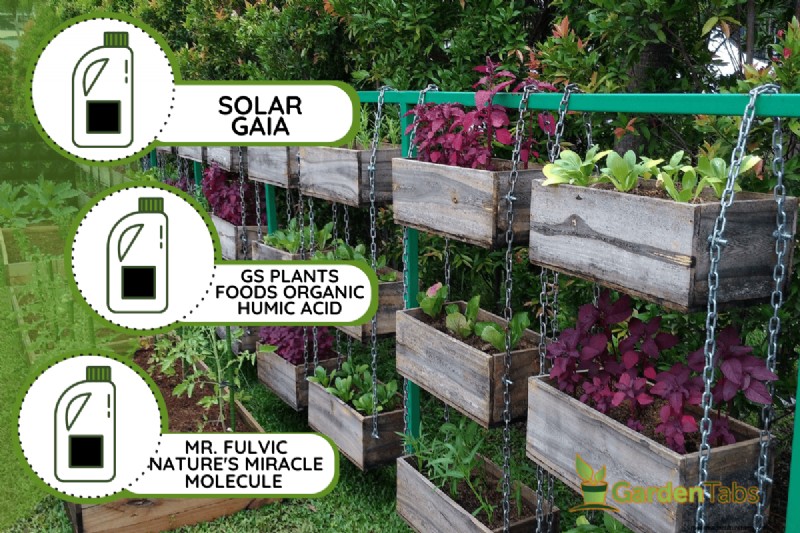
Solar Gaia is sourced from leonardite, a naturally occurring humic material rich in phenolate and carboxylate groups. These functional groups give the acid a strong affinity for essential micronutrients such as magnesium, calcium, and iron, improving their availability to plants.
It’s versatile enough for soilless systems, hydroponics, and conventional soil. Apply during both vegetative and flowering stages to support root development and nutrient cycling.
GS Plants Foods delivers a comprehensive blend that boosts metabolism, root growth, and immune response while enhancing the absorption of nitrogen, phosphorus, and potassium. The result is a more efficient use of fertilizers and reduced run‑off.
Recommended concentrations: Low (1 oz / 1 gal) – Light coverage or for established plants. Medium (2 oz / 1 gal) – Standard dilution for most applications. High (4 oz / 1 gal) – For intensive nutrient support or stressed crops.
Apply the solution directly to the root zone or use a sprayer for larger beds.
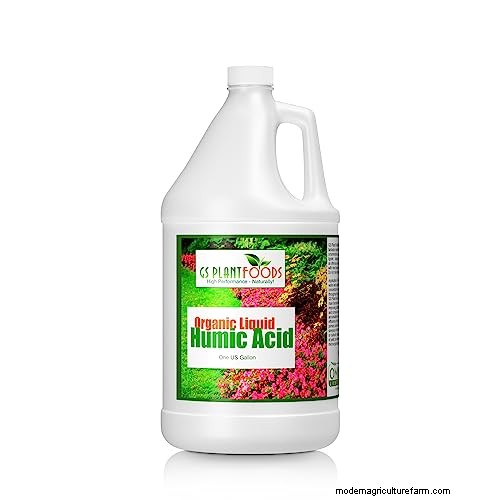
This liquid concentrate is packed with humic shale and fulvic acid, forming a potent nutrient‑carrier that dramatically increases uptake. Its low molecular weight allows it to penetrate cell walls, delivering minerals straight to the plant’s interior.
It is safe for all cultivation methods—soil, hydroponics, aquaponics—and can be mixed with any commercial nutrient blend.
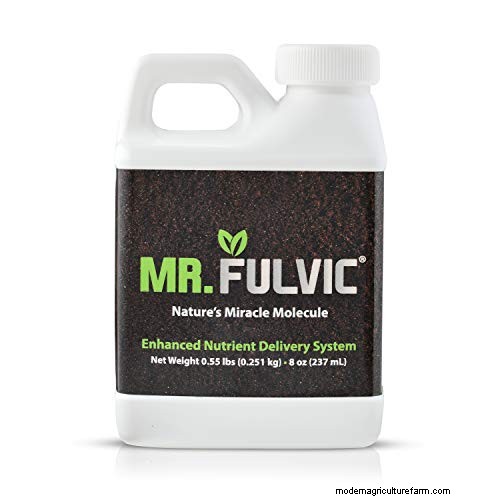

Humic acid originates from the natural decomposition of plant and animal matter. The resulting humus contains three main fractions: humic acid, fulvic acid, and humin. These compounds form the backbone of healthy soil structure and fertility.
Humic molecules bind soil particles, creating a porous matrix that enhances water infiltration and root penetration, especially in compacted or high‑clay soils.
By providing a carbon source and a protective matrix, humic acid fosters a thriving microbial community that accelerates nutrient mineralization.
Its high cation‑exchange capacity allows it to hold and release essential nutrients—calcium, magnesium, iron, zinc—making them readily available to plant roots.
Humic acid binds heavy metals and pesticide residues, preventing their uptake by plants and flushing them out of the root zone.
The ability of humic acid to retain moisture slows evaporation, ensuring consistent hydration even under dry conditions.
Fulvic acid is the smaller, more soluble counterpart of humic acid. Its low molecular weight and high oxygen content allow it to cross cell membranes and deliver nutrients directly to plant tissues.
Often described as a “gold‑colored” liquid, fulvic acid is prized for its rapid action and ability to carry minerals into cells.
Both acids work synergistically. Humic acid improves soil structure and nutrient retention, while fulvic acid acts as a carrier that penetrates cells. Using them together provides comprehensive support: stronger roots, faster nutrient uptake, and improved stress resilience.
Choosing a reputable humic or fulvic acid product and applying it correctly can transform plant health. Whether you’re a commercial grower or a hobbyist, the right acid, in the right concentration, will give you visible results.
Ready to elevate your garden? Explore the following resources for deeper insight:
Save this article & instantly unlock today’s gardening deals!
Rachel Self is a gardening enthusiast and plant lover who brings the beauty of nature indoors. She spends her free time tending to houseplants and integrating them into home décor.
GardenTabs content is reviewed by Steve Snedeker, a seasoned gardener with decades of hands‑on landscaping experience.