Welcome to Modern Agriculture!

May, the month of blossoms and gentle breezes, presents a critical period for apple growers. The fruit sets a week or two after petals fall in late April, so by mid‑May the canopy is brimming with developing apples. At this stage, the focus shifts from major pruning to attentive care that supports healthy growth and maximizes yield.
Below are the five most important tasks to undertake in May to nurture your apple trees and set the foundation for a productive season.
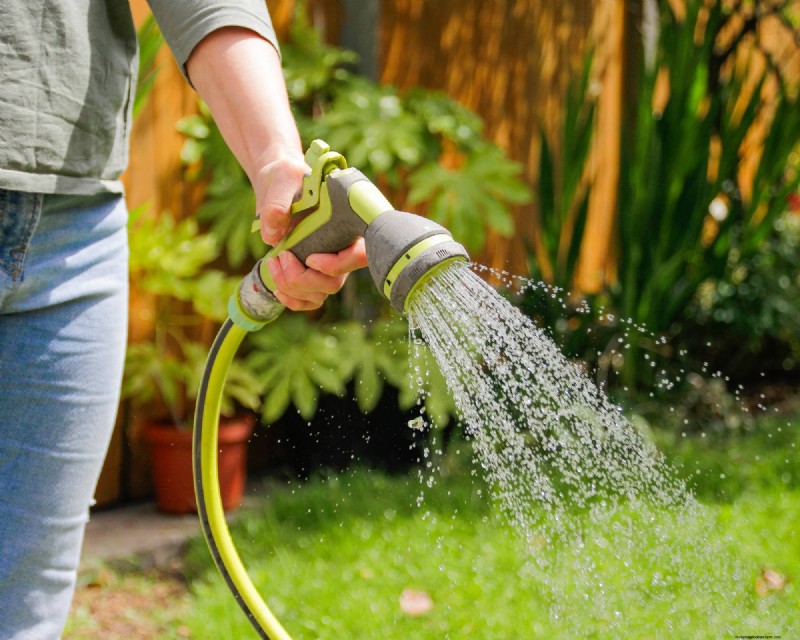
Apple trees transition from bud break to active growth in May, increasing their water demand. According to the USDA National Resources Conservation Service, first‑year trees require up to 2 inches (5 cm) of water per week, while established trees need roughly half that amount. Monitor soil moisture regularly: a damp but not saturated root zone is ideal. If the soil feels dry, supplement with a shallow, even watering; if it feels consistently wet, reduce irrigation to avoid waterlogging.
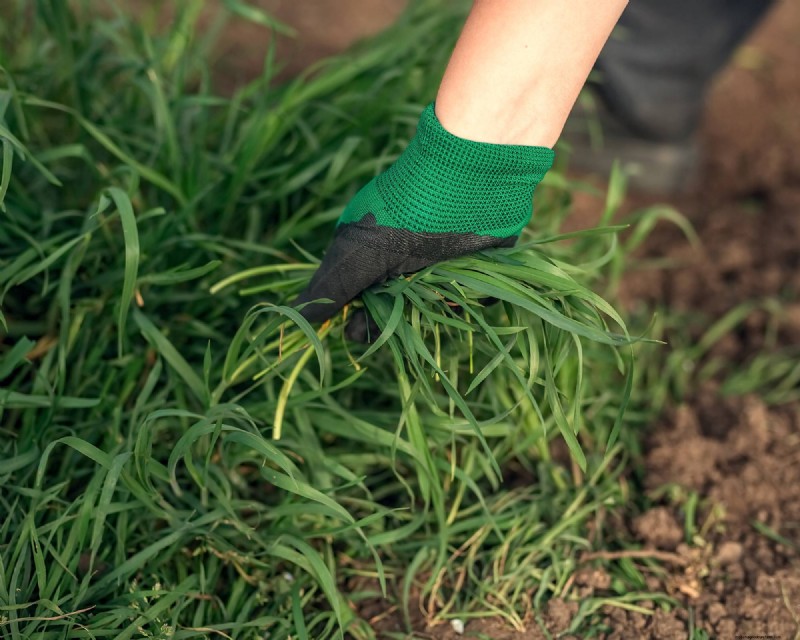
Weeds compete for surface moisture and create hiding spots for pests. After watering or rainfall, hand‑pull weeds to the root and discard them. While weeding, clean the mulch layer, remove fallen fruit, broken branches, and any leftover winter mulch. Apply a fresh 2–3 inches (5–7 cm) of organic mulch, keeping it a hand’s width from the trunk. Organic mulches, such as those from Miracle‑Gro, retain moisture and suppress weed growth without harming edible plants.
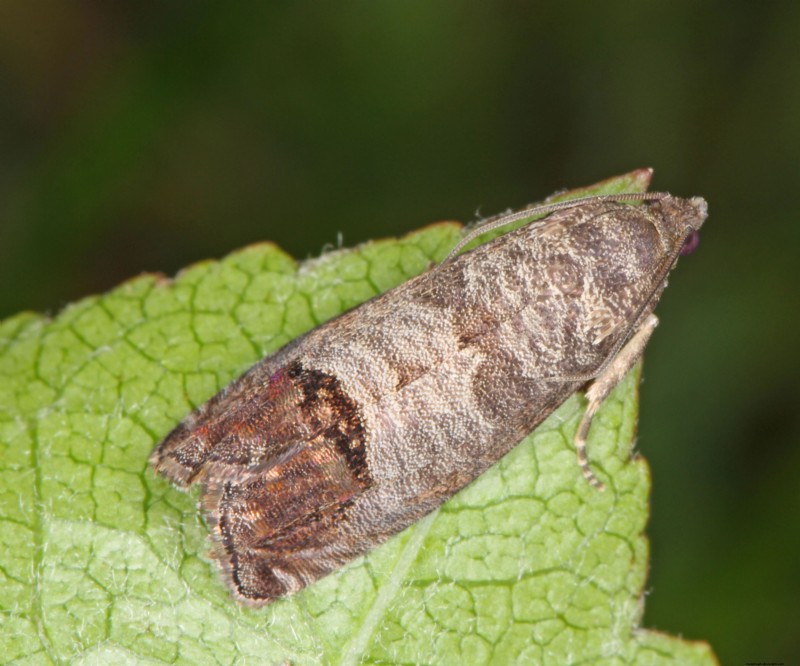
Early‑season pests, notably codling moths and aphids, can damage developing fruit. Codling moths (≈0.5 in) tunnel into apples, making them unmarketable. Use pheromone traps mounted in the upper canopy; check weekly and replace as needed. For aphids—small sap‑sucking insects that cause leaf curling and yellowing—spray with a mild insecticidal soap, or introduce lady beetles for natural control. Prompt detection allows for targeted, organic interventions.
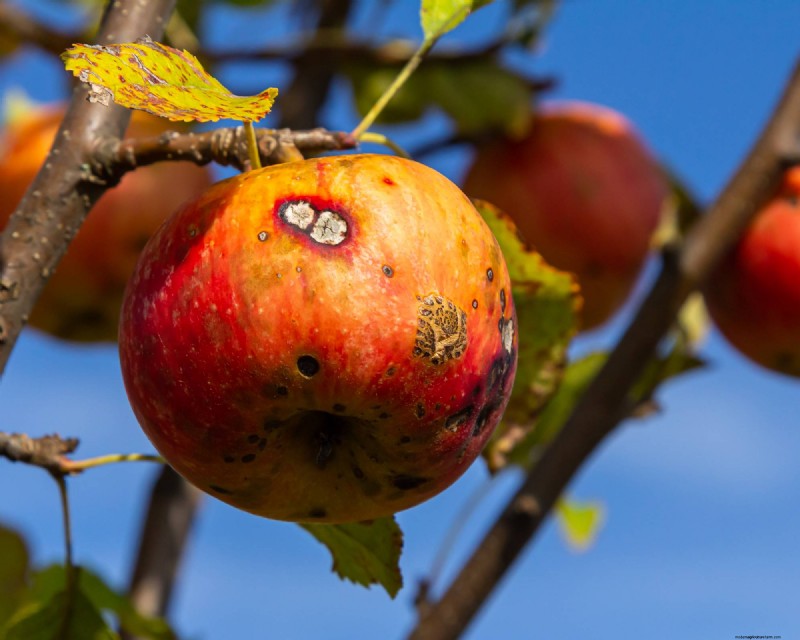
May is a critical window for early detection of fungal ailments such as apple scab, cedar apple rust, and sooty blotch. Apple scab presents as dark, scabby lesions on leaves and fruit; cedar apple rust appears as bright orange spots on leaves and requires both cedar and apple trees to complete its life cycle; sooty blotch shows as a soot‑like coating on fruit. Inspect every week, and apply a reputable fungicide (e.g., Immunox) at the first sign of disease to prevent spread.
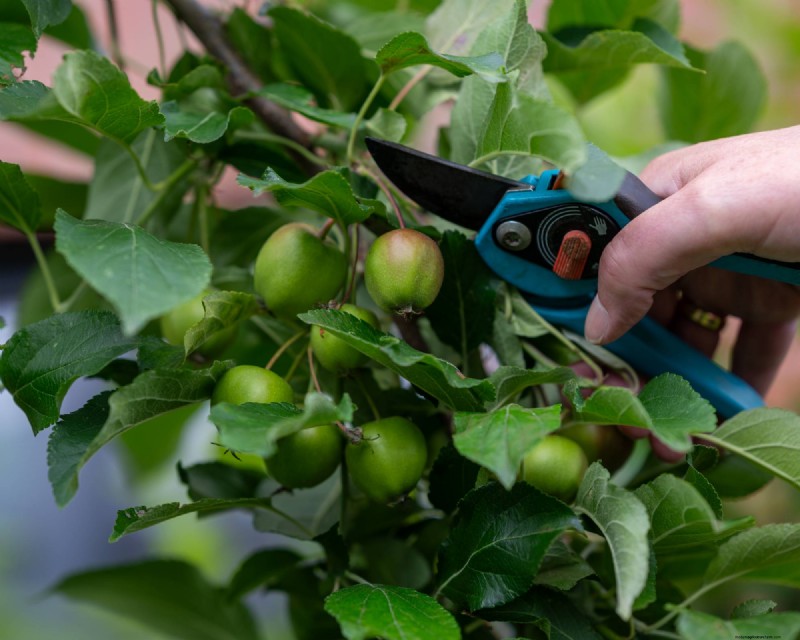
Fruit thinning reduces competition among apples, allowing remaining fruit to grow larger and sweeter. While natural “June drop” often removes the smallest fruit, hand‑thinning can improve overall crop quality. Remove small or misshapen apples, leaving one or two per cluster. This practice increases fruit size, reduces susceptibility to disease, and enhances market value.

Burgon & Ball Gingham Garden Gloves
Comfortable, durable gloves designed for picking ripe apples.
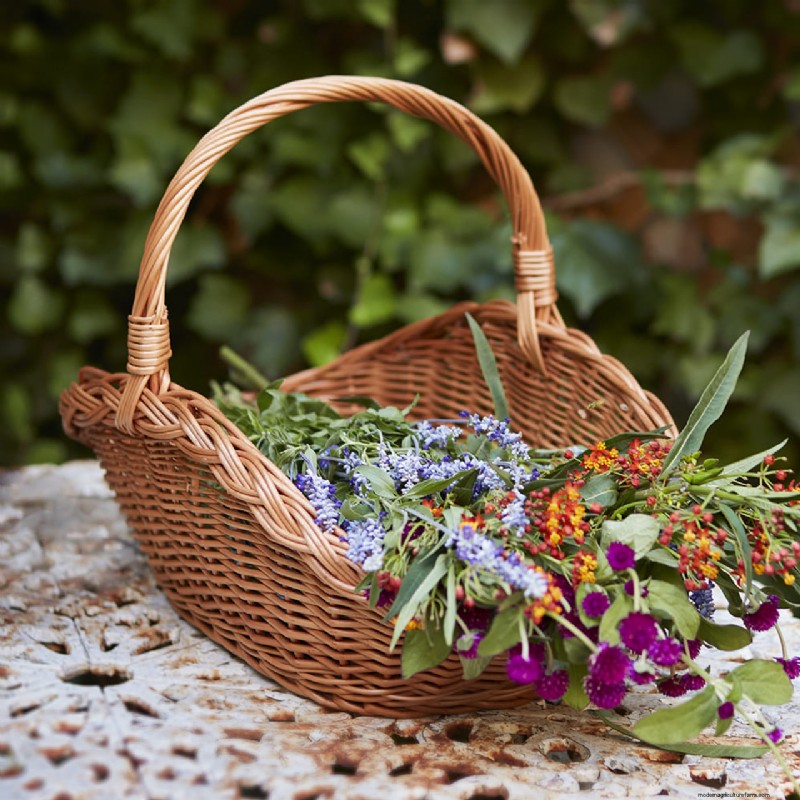
Handwoven Wicker Garden & Home Basket
Stylish, European‑made basket for transporting freshly harvested apples.
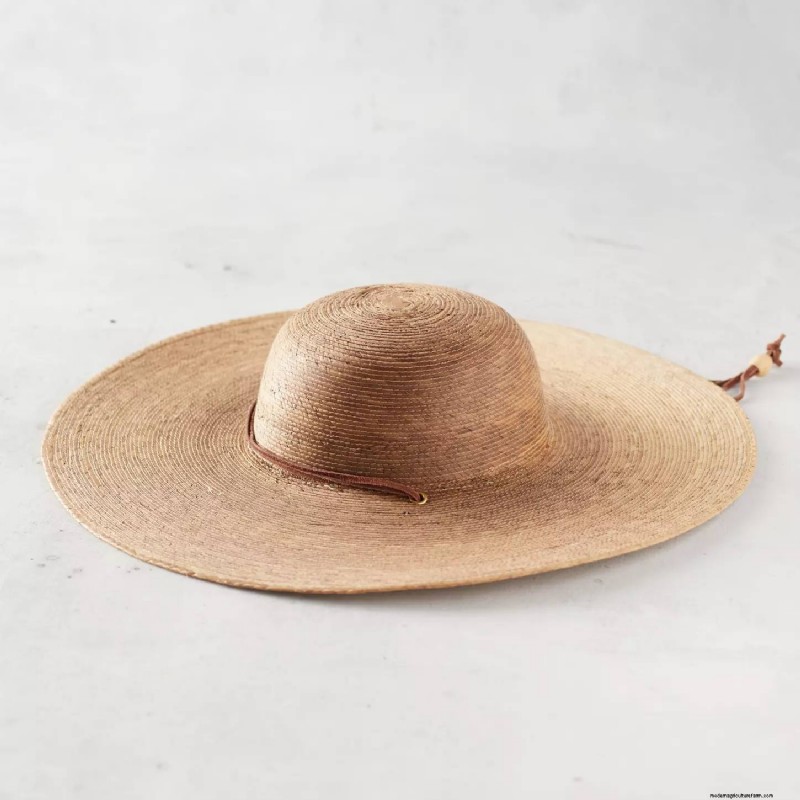
Wide Brim Handwoven Sun Hat
UPF 50+ protection to keep you safe while working in the orchard.