
Welcome to Modern Agriculture!

By Joe Lamp’l – Gardening Expert and Host of Growing a Greener World®
May 23, 2026
For many homeowners, a lush lawn is the crown jewel of the yard—a soft landing for kids, a quiet retreat for dogs, and a backdrop that ties beds and hardscapes together. Yet for others, it feels like a necessary compromise, an area that receives the least attention compared to food gardens, pollinator borders, or native meadows.
While a “golf‑course” look remains a popular aspiration, it often demands intensive labor, frequent chemical applications, and high water usage. Imagine instead cultivating a lawn that thrives on natural processes, requires fewer inputs, and builds genuine resilience.
The good news is that a truly healthy lawn can be achieved with a simpler, less demanding routine. Below are proven practices that focus on the ecosystem rather than the schedule.
Industry lore rarely mentions that cutting grass less often can be a game‑changer for turf health. By allowing grass to reach a slightly taller height—typically 2½–3½ inches—and never trimming more than one‑third of the blade at a time, you encourage roots to grow deeper and a denser canopy to form.
A thick, well‑established lawn shades the soil surface, suppressing weed germination and outcompeting invaders for nutrients. Conversely, a constantly scalped lawn opens the door for crabgrass, dandelions, and other sun‑loving weeds.
Set your mower height higher and let the grass dictate the cutting frequency. Mow when the blades are tall enough, not just because the calendar says it’s time.
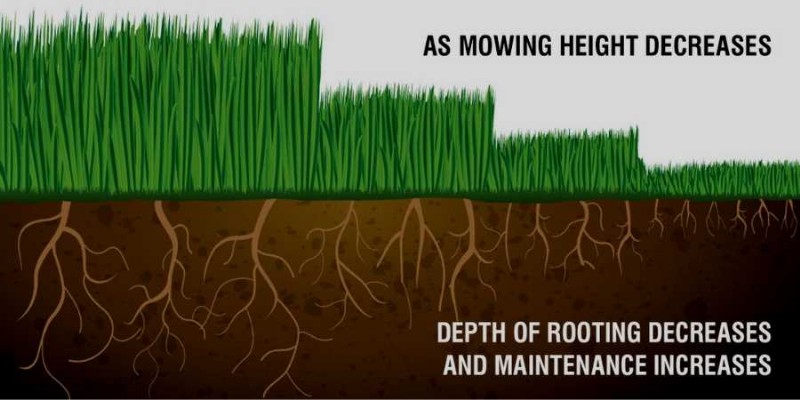
Frequent, shallow watering is a counterproductive habit that keeps roots shallow and surface‑bound. When moisture is only near the top of the soil, roots remain lazy, and the lawn stays dependent on irrigation.
The most effective approach is to water deeply—soaking the soil to a depth of at least 6 inches—and then allow the ground to dry out before the next watering. This encourages roots to venture downward, creating a drought‑tolerant network that can sustain the turf through heat and dry spells.
In addition, this method conserves a significant amount of water over the season and reduces runoff that can carry synthetic fertilizers into nearby waterways.
Compacted soil is the silent enemy of turf health. When particles are tightly packed, air, water, and nutrients cannot reach the root zone, stunting growth.
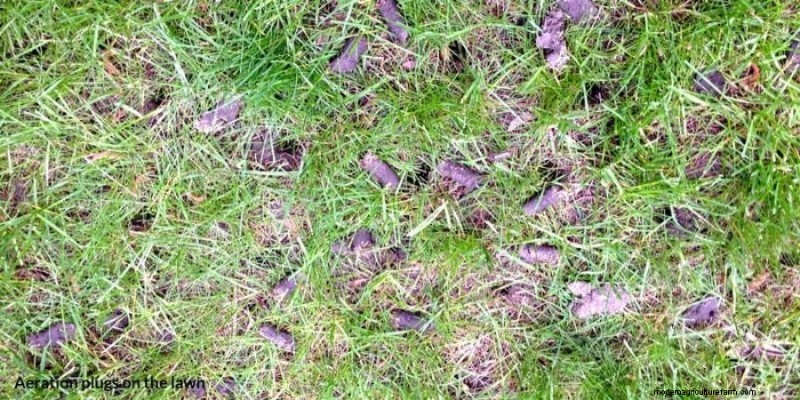
A single pass with a core aerator—available for rent—once a year can dramatically improve soil structure. For cool‑season grasses, schedule in early fall; for warm‑season varieties, late spring is optimal. The cores pulled from the ground allow the lawn to breathe, water to infiltrate, and roots to expand into new territory.
Right after aeration, apply a light top‑dress of finished compost—about a half‑inch spread. This simple step adds organic matter, beneficial microbes, and slow‑release nutrients directly where they’re needed most.
Over time, compost top‑dressing builds soil health, improving structure, water retention, and biological activity without relying on synthetic inputs.
While synthetic fertilizers can deliver a quick burst of green, most of the nutrients run off before the lawn can absorb them. Slow‑release, organically derived options—such as Milorganite, feather meal, composted poultry litter, or kelp‑based blends—provide a steady supply that mirrors natural nutrient cycles.
These applications are usually effective with one or two applications per year, timed for early spring or late summer, especially when combined with compost top‑dressing.
The overarching principle is simple: build the system and let it sustain itself. Fewer interventions, more observation, and less chemical dependency translate into a resilient, thriving lawn that stands on its own.


