Welcome to Modern Agriculture!

June marks the transition from spring blossoms to fruit development, making it a pivotal month for apple trees. The trees channel energy into growing both healthy foliage and robust roots while the fruit begins to swell. A handful of targeted care tasks can dramatically improve tree health, increase fruit size and quality, and prevent common issues.
Understanding the growth timeline, optimal conditions, and potential pitfalls is essential for successful apple production. In June, most apple trees are in the early fruit development stage. Pollination has produced small apples that will grow in size throughout the summer.
During this critical period, you may encounter pests, fungal infections, or overburdened branches. A fruit‑tree spray from Amazon can help manage pests and diseases. Some fruit drop is normal; it helps keep branches from becoming overloaded. A little loss now is expected.
By following these essential June chores, you can maximize your harvest and enjoy healthy trees for years to come.
(Image credit: Fokusiert / Getty Images)
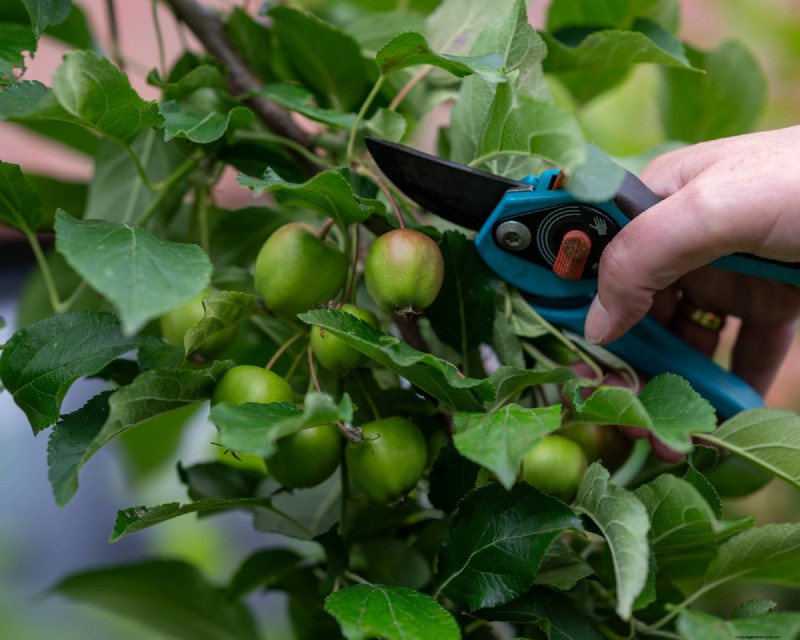
June fruit drop is normal, but hand‑thinning accelerates the process and improves final fruit quality. Apple trees produce more fruit than they can mature, so leaving only the healthiest ones ensures larger, better‑flavored apples and prevents branch breakage.
Begin by removing any damaged, misshapen, or insect‑infested fruit. Then thin so that each branch bears no more than one apple every six to eight inches (15–20 cm).
Sign up for the Gardening Know How newsletter today and receive a free copy of our e‑book “How to Grow Delicious Tomatoes”.
(Image credit: Kinga Krzeminska / Getty Images)
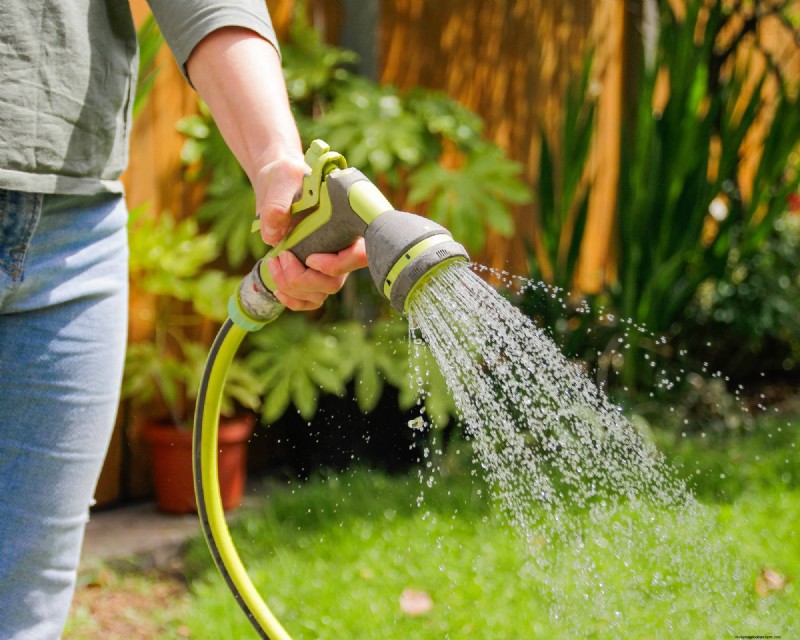
June weather can be unpredictable. In dry, hot spells, consistent moisture is critical; inconsistent watering often leads to poor fruit set. Aim for about an inch (2.5 cm) of water per week. If it hasn’t rained, water deeply at the root zone once a week, and increase frequency during very hot, dry periods—especially for young trees.
(Image credit: Oleg Marchak / Getty Images)
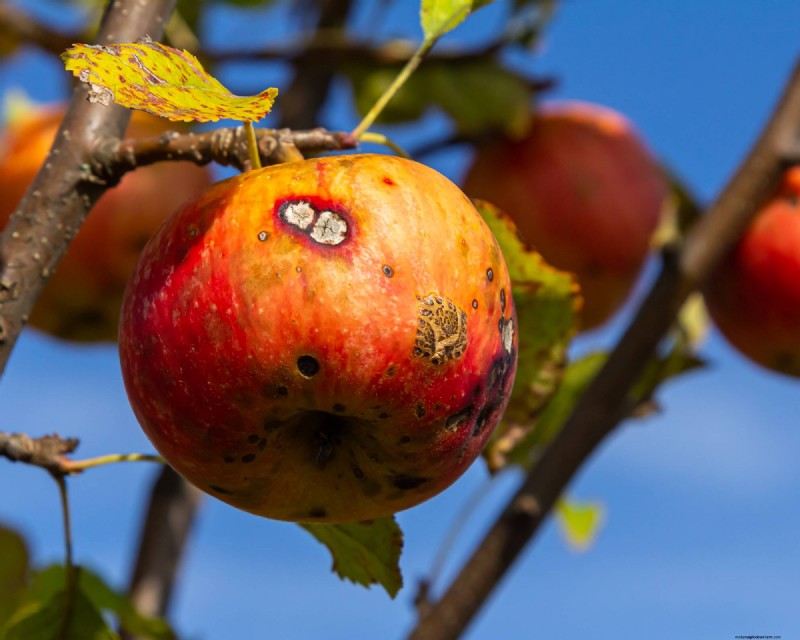
Early detection of pests and diseases is key to protecting your harvest. Look for signs such as holes from codling moths, dimples from apple maggots, silk webbing from spider mites, or sticky honeydew from aphids. Woolly aphids leave a cottony coating.
Common fungal diseases include apple scab and powdery mildew. Scab produces dark green spots on leaves and fruit; mildew appears as a white or gray powder on foliage and new shoots. Manage these threats by pruning for airflow, avoiding overhead watering, removing infected growth, and, if needed, applying a recommended fungicide like Captain Jack’s Fruit Tree Spray from Amazon.
(Image credit: Animaflora / Getty Images)
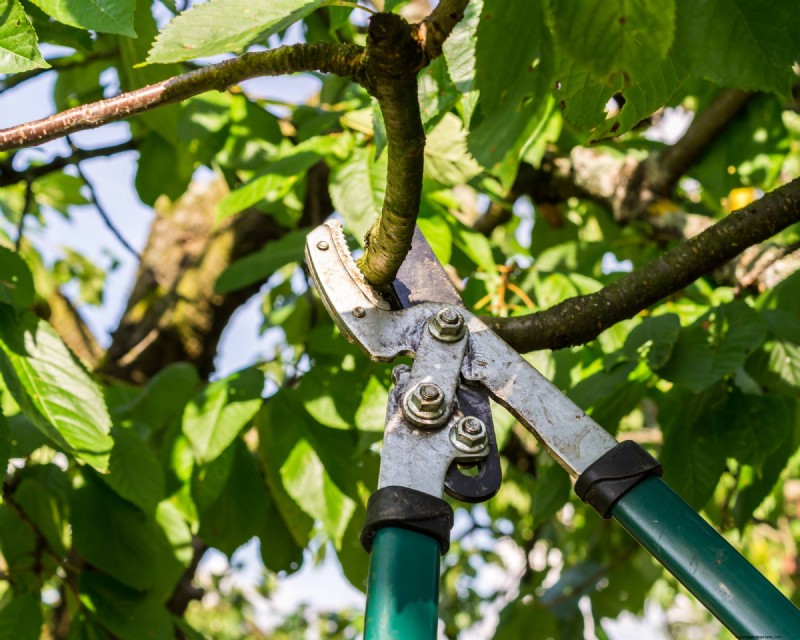
June is an ideal time to trim aggressive new shoots that drain energy from fruiting. Light pruning improves airflow and light penetration, helping the tree focus on developing apples rather than new growth.
Use sharp, clean shears to remove water sprouts and suckers. Water sprouts are shoots that grow from main branches; suckers emerge from the base of the tree.
(Image credit: Iryna Inshyna / Getty Images)
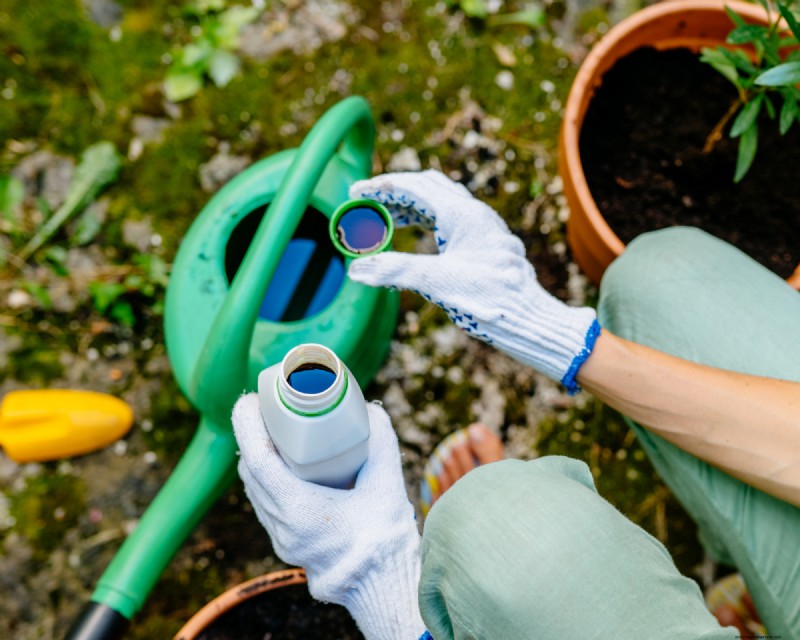
Older, healthy trees usually do not require feeding in June, but younger trees or those showing nutrient deficiencies—such as pale leaves or stunted growth—can benefit from a light application.
Use a balanced fertilizer; avoid high‑nitrogen products that favor foliage over fruit. If you’re uncertain, perform a soil test or consult your local extension office for guidance.
(Image credit: Getty Images)
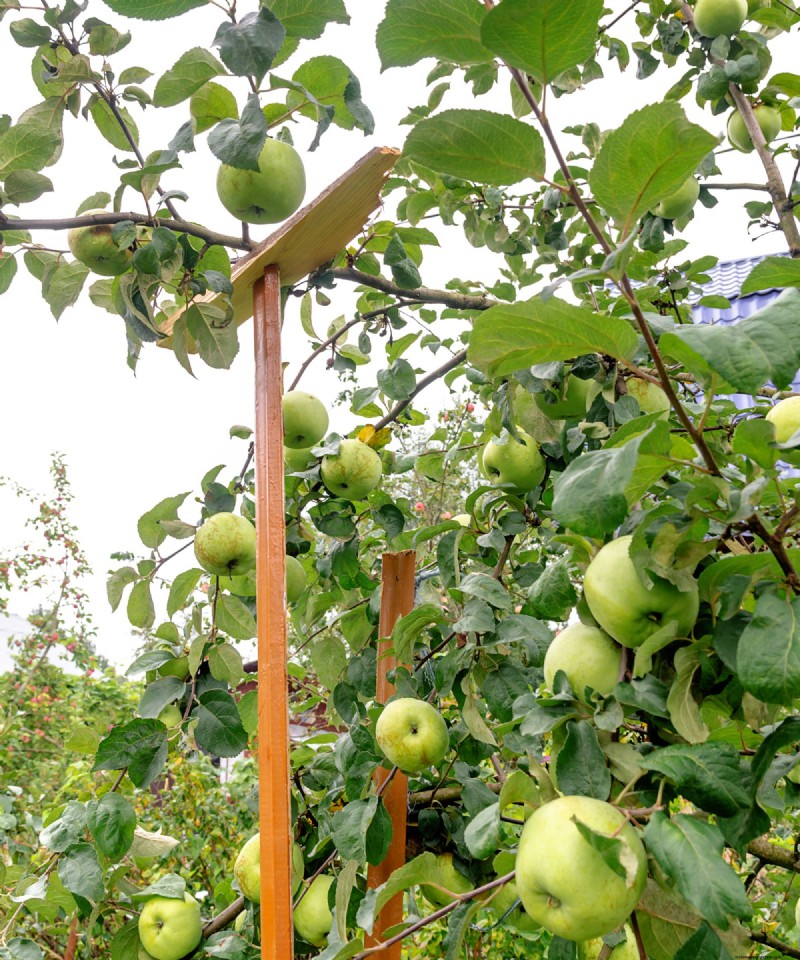
Even after thinning, some branches may become too heavy. Protect them by propping with a sturdy stick or post, or by using soft ties to secure them to a stronger limb or the trunk. Monitor these branches throughout the season for signs of stress.
June is one of the most critical months in the apple‑growing season. By thinning fruit, maintaining proper moisture, managing pests, pruning light, fertilizing appropriately, and supporting heavy branches, you can enjoy larger, better‑quality apples and healthier trees for years to come.