Welcome to Modern Agriculture!


Glen is an exceptional gardener with over 15 years of hands‑on experience in garden maintenance, design, and landscaping. When he’s not working on a client’s garden, he creates insightful content for this blog.
Latest posts by Glen Chandler (see all)
Plants that soak up water have a remarkable capacity to absorb large volumes of moisture, making them ideal for areas with persistent wetness or frequent flooding. Below is a curated list to help you select the best options for your landscape.
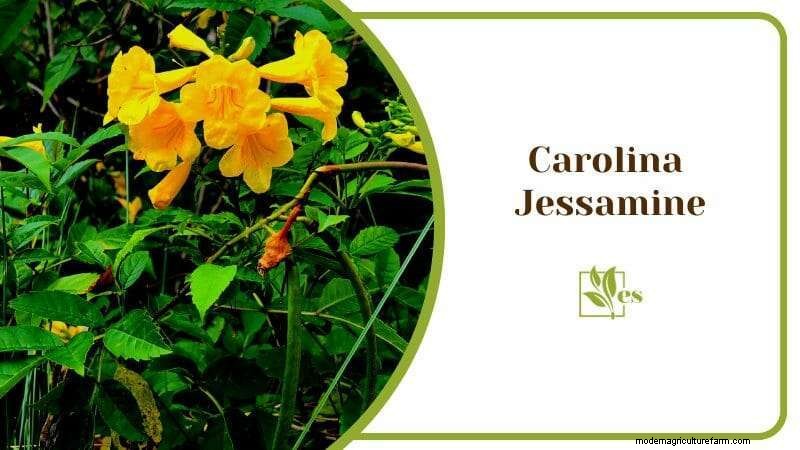
Carolina Jessamine can grow up to 20 ft tall. Its vines produce bright yellow flowers in winter and sometimes in summer. Thriving in USDA zones 7‑9, it does not tolerate frost. Regular pruning keeps it from overtaking your garden.
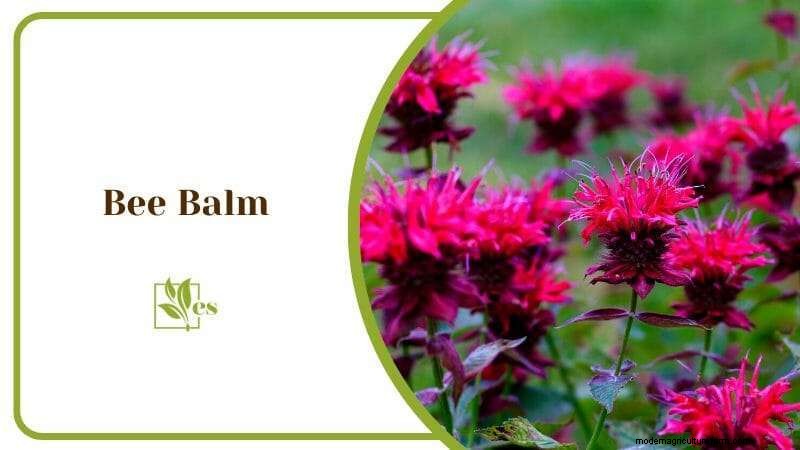
Bee Balm prefers consistently moist soil and partial shade, making it perfect for woodland gardens. Its striking red, pink, purple, or white blooms attract bees, butterflies, and hummingbirds. It grows to about 4 ft tall in USDA zones 4‑9.
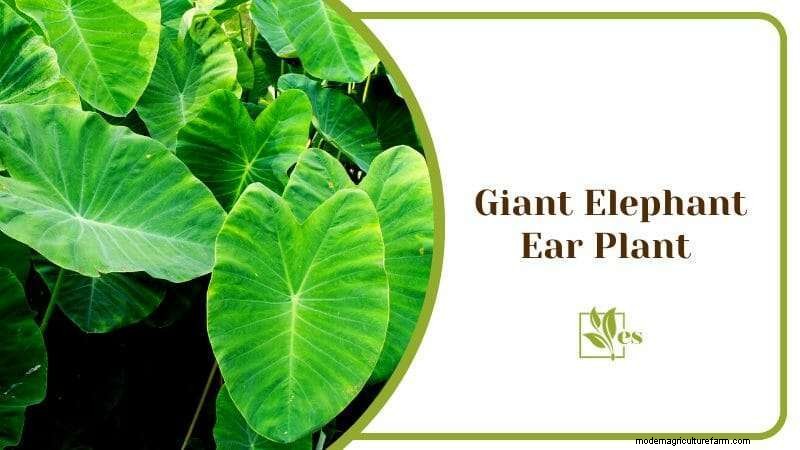
With its massive, elephant‑ear‑shaped leaves, this plant thrives in standing water and saturated soils. Tap water is fine if it’s properly filtered. It can be grown year‑round in water and serves as a low‑maintenance ground cover.
Daylilies require ample water but are drought‑tolerant once established. They are low‑maintenance and bloom from spring through summer. Avoid heavy clay soils; amend with organic matter. They are suitable for USDA zones 3‑11.
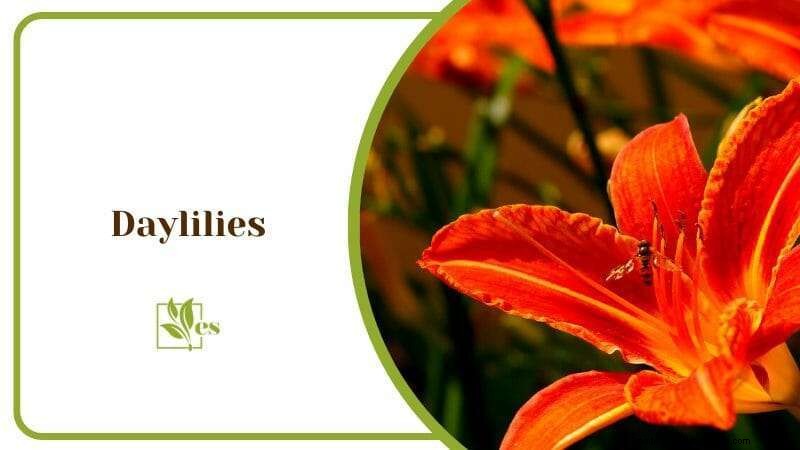
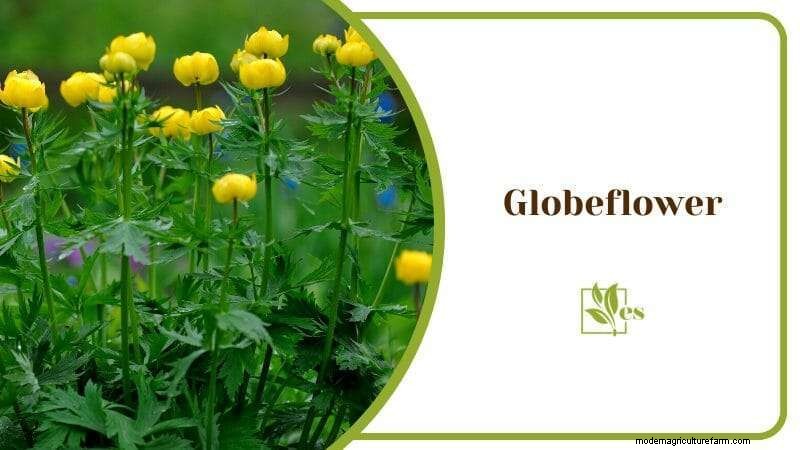
Globeflowers flourish beside ponds and streams, producing globe‑shaped orange and yellow blooms. They reach about 3 ft tall and are best in USDA zones 3‑7. Provide consistent moisture for optimal growth.
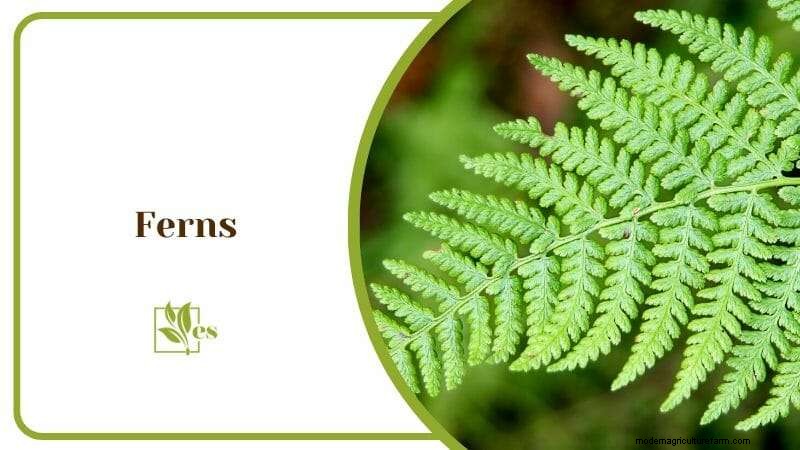
Many ferns thrive in moist ground and have dense root systems that efficiently absorb water. Choose varieties such as cinnamon, marsh, ostrich, or royal ferns, depending on your aesthetic preference. Taller ferns demand more water.
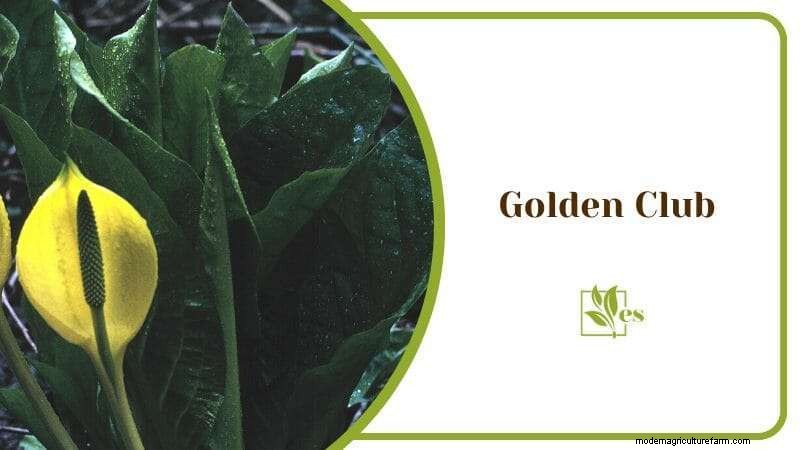
Golden Club is a swamp‑adapted perennial with waxy, strap‑like leaves that float above water. Its cylindrical yellow flowers grow on white stalks. It is toxic to humans and pets, so keep it out of reach. It thrives in USDA zones 5‑10.
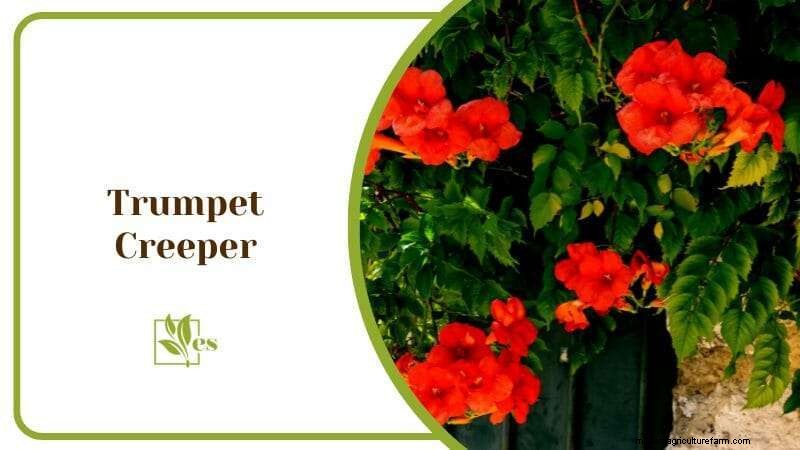
Trumpet Creeper offers glossy dark green leaves up to 15 in long and trumpet‑shaped flowers in yellow, red, or orange. It attracts hummingbirds and thrives in USDA zones 4‑9. Mildly toxic to pets and humans.
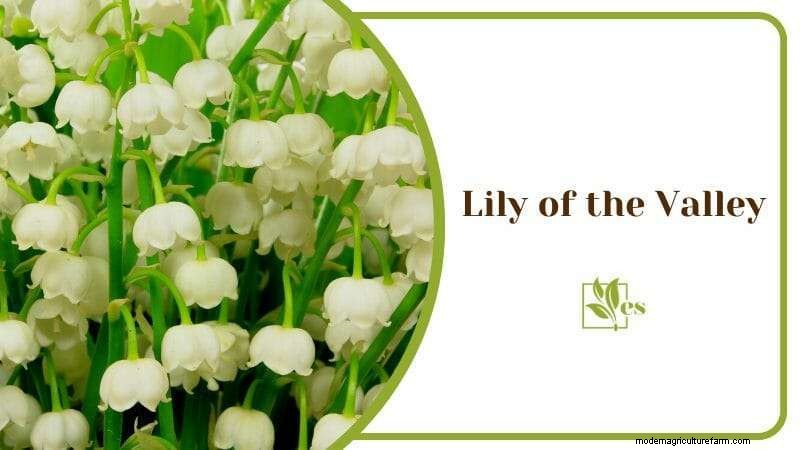
As a perennial that spreads via underground rhizomes, Lily of the Valley prefers moist, cool soils. It blooms in spring and is highly poisonous; keep away from children and pets. Suitable for USDA zones 2‑7.
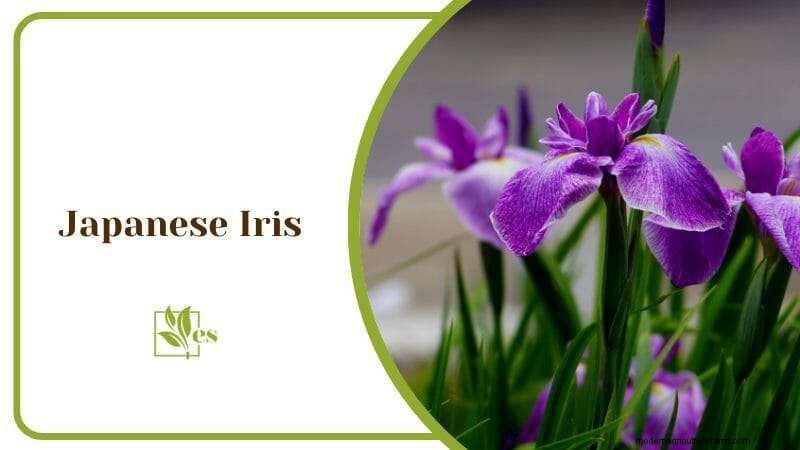
Japanese Iris offers medium‑green foliage and flowers in white, purple, or blue. It thrives in soggy soils but dislikes clay; amend with sand and compost. Grow in USDA zones 4‑9. It requires minimal care and resists pests.
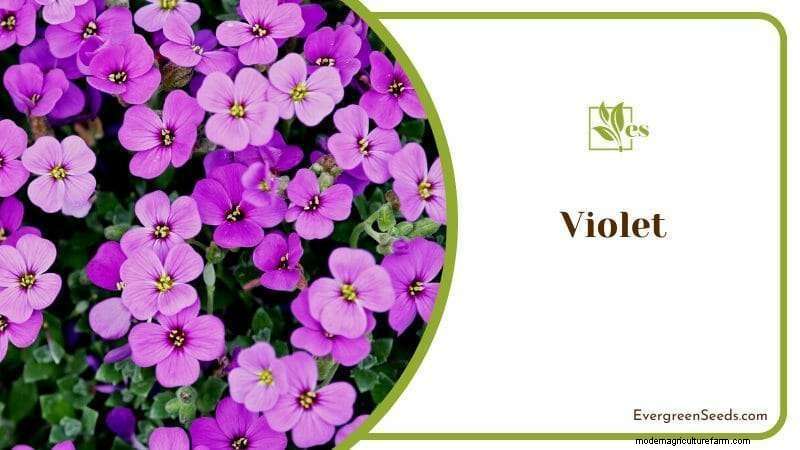
Violets are easy to grow and self‑propagate. They produce purple‑blue flowers in summer and tolerate wet soils. Manage invasiveness and avoid planting near vegetable gardens to reduce spider‑mite risk.
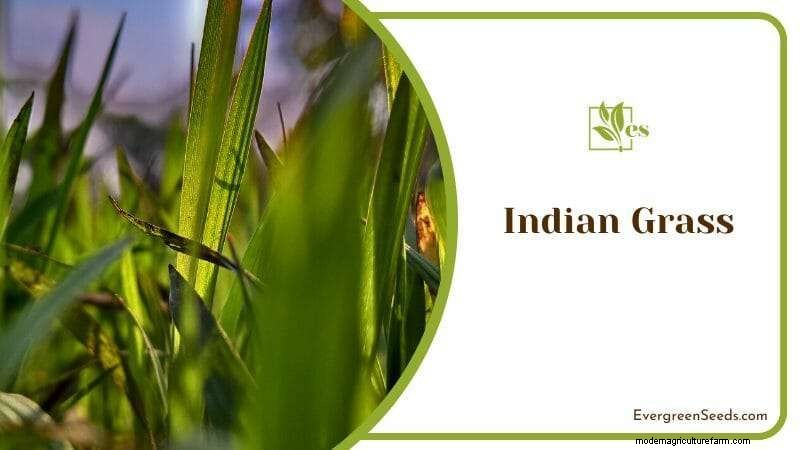
Indian Grass is a native North American grass that can grow up to 6 ft tall. It thrives in deep moist soils and is low‑maintenance. It is hardy in USDA zones 4‑9 and performs well in windy areas.
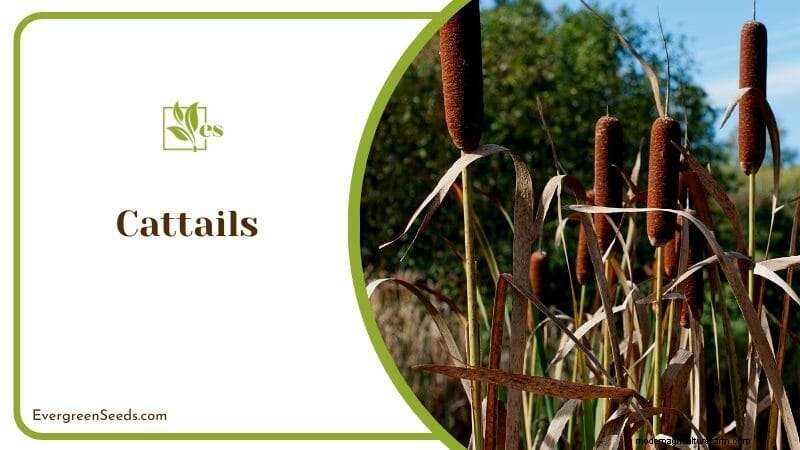
Cattails flourish in swampy or marshy areas, reaching up to 10 ft tall. They provide habitat for birds and fish and can be harvested for crafts. They are edible in all parts when prepared correctly.
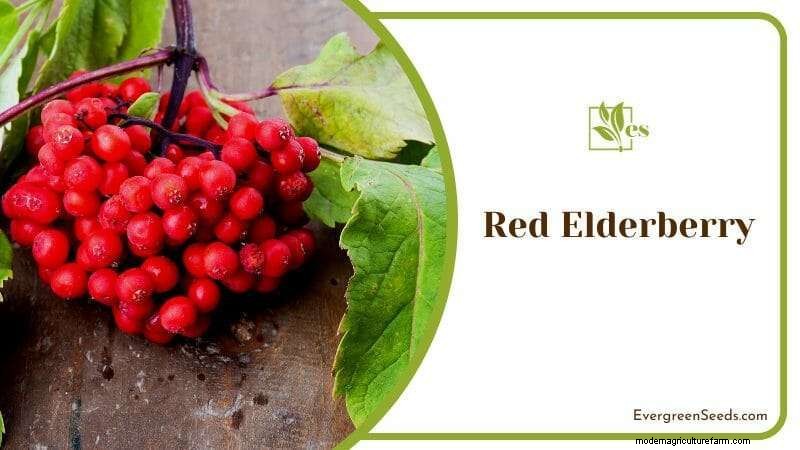
Red Elderberry is a fast‑growing shrub that thrives in riparian zones and cliffs. It produces pink flower buds that open to white petals and bears fruits that attract birds. It requires soggy soil to thrive.
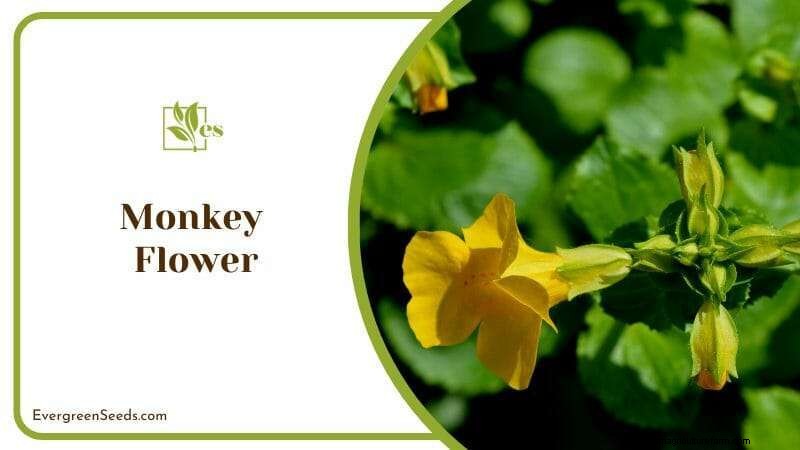
Monkey Flower is common along stream banks and marshes. It produces bright yellow blooms in fall and requires minimal care in moist soils. It grows in USDA zones 3‑9.
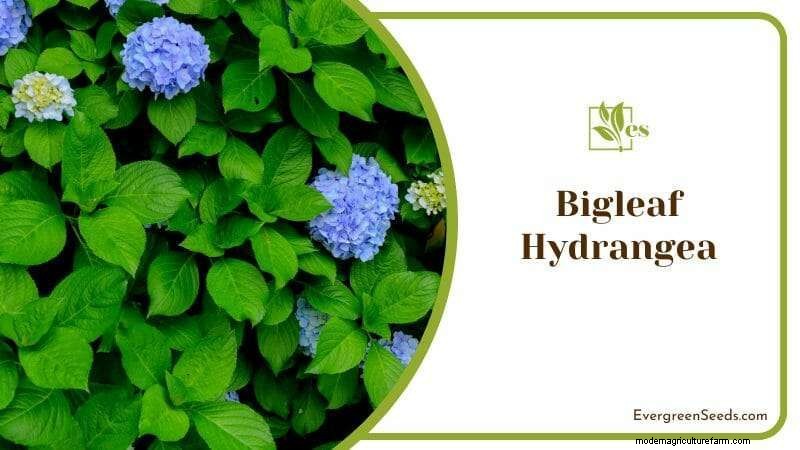
Bigleaf Hydrangea features large leaves and color‑changing flowers that shift from pink to blue based on soil pH. It loves moist soils and is suitable for hedges. It thrives in USDA zones 4‑9.
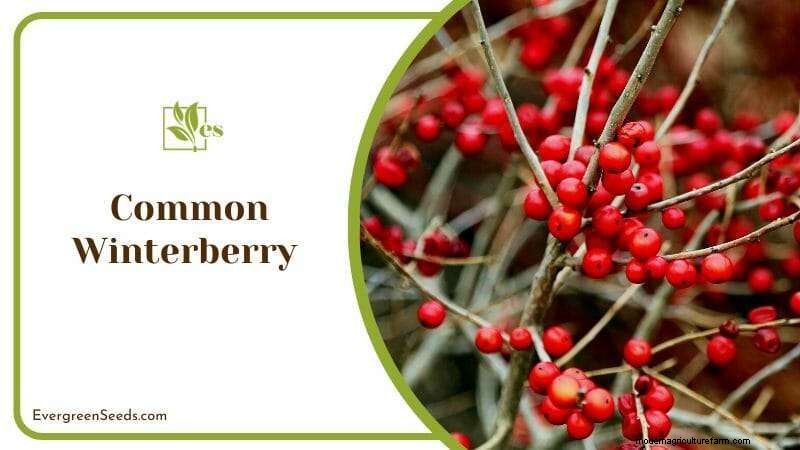
Common Winterberry tolerates poor drainage and thrives near fountains, ponds, or swampy areas. It grows up to 8 ft tall and wide, producing white spring flowers and winter berries that are toxic to humans and pets.
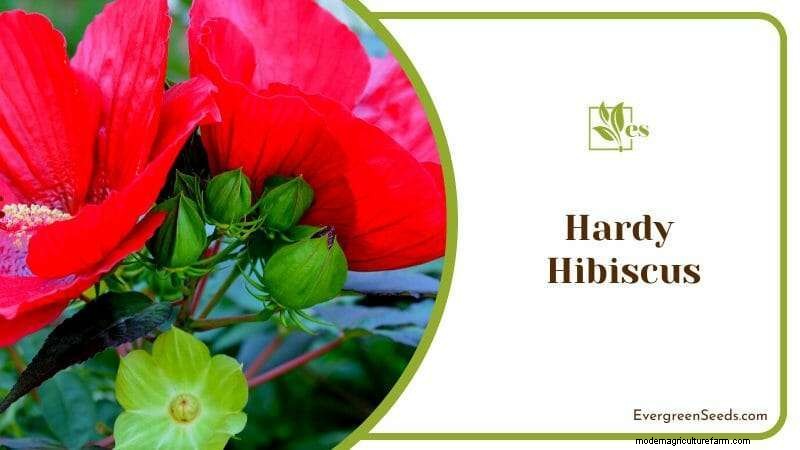
Hardy Hibiscus offers pink and red blooms from midsummer to fall. It tolerates moist soils, thrives in USDA zones 5‑9, and reaches about 4 ft tall and wide with minimal maintenance.
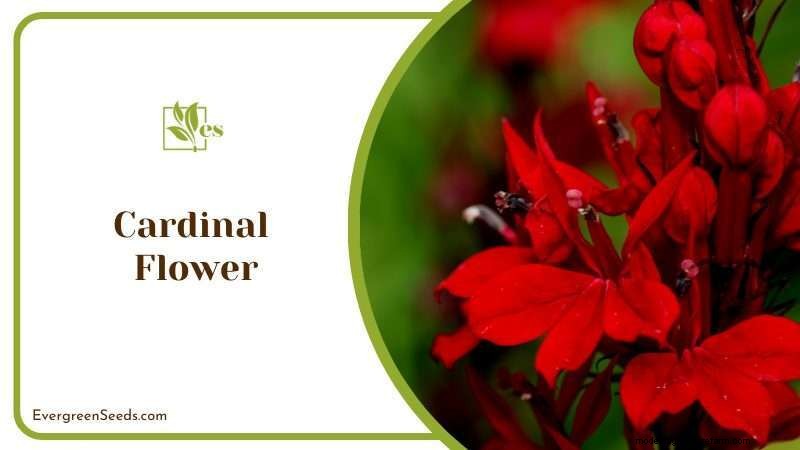
Cardinal Flower prefers consistently moist soils and is ideal for pond edges. It grows up to 4 ft tall and 2 ft wide, thriving in USDA zones 3‑9 with minimal upkeep.
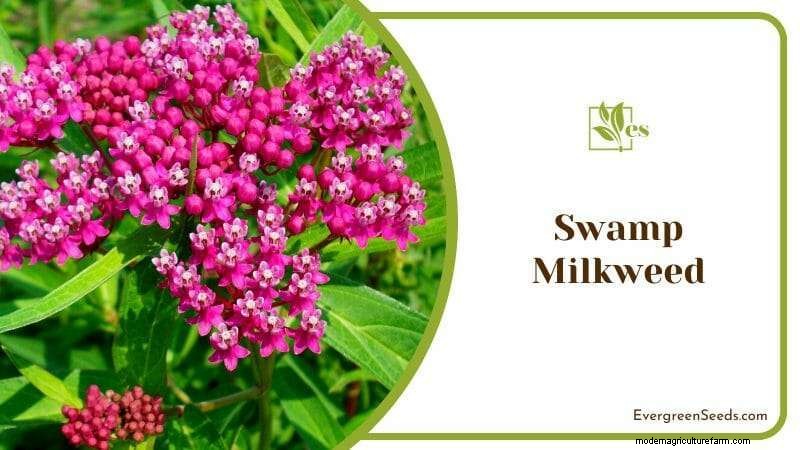
Swamp Milkweed thrives in moist soils and attracts butterflies for pollination. Its roots tolerate flooding, but the plant is toxic to pets and humans if ingested.
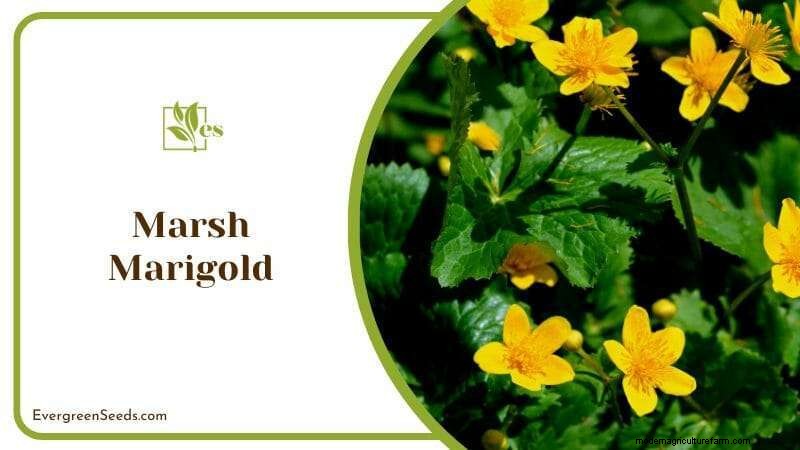
Marsh Marigold is a low‑maintenance plant that blooms with cheerful yellow flowers in spring. It reaches 18 in tall and thrives in stagnant water in USDA zones 3‑7.
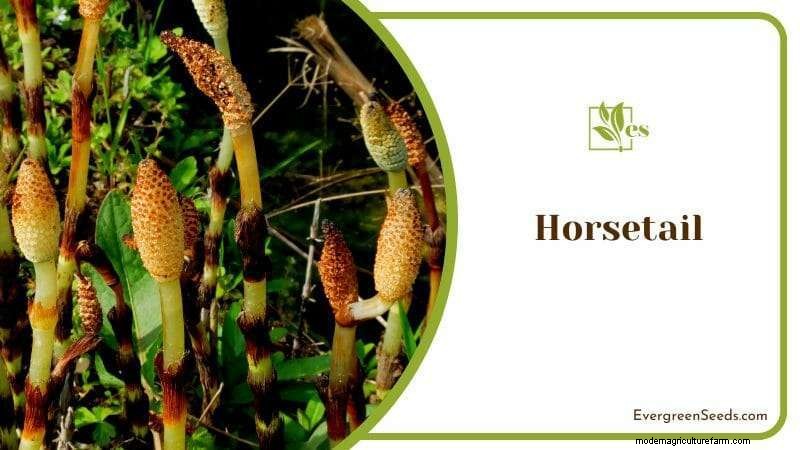
Horsetail is a bamboo‑like plant that spreads via rhizomes. Without control, it can become invasive. It grows up to 4 ft tall and 6 ft wide, thriving in USDA zones 4‑9. It does not produce flowers.
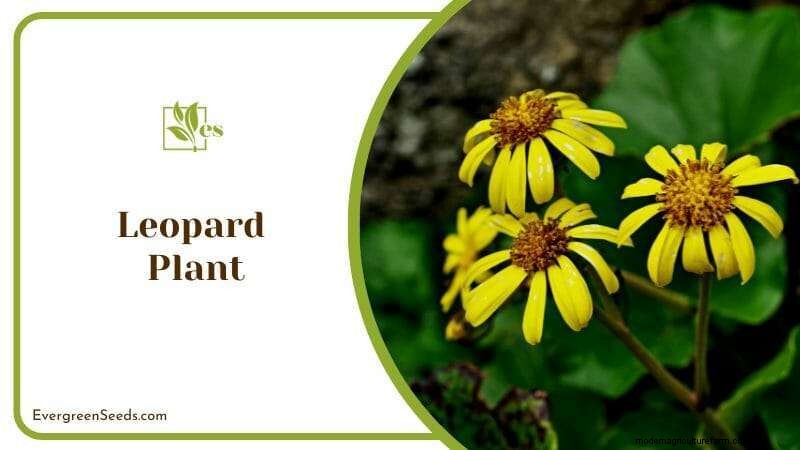
Leopard Plant is suitable for year‑round water features, producing showy yellow flowers in early summer. It has dark purple foliage with green tones and grows to 3 ft tall and 20 in wide.