
Welcome to Modern Agriculture!

Buddleia, commonly known as Butterfly Bush, is a favorite among gardeners for its vivid blooms and its ability to attract a diverse array of pollinators, especially butterflies.
Originating from Asia, this deciduous shrub is prized for its rapid growth and drought tolerance, allowing it to thrive across many U.S. regions.
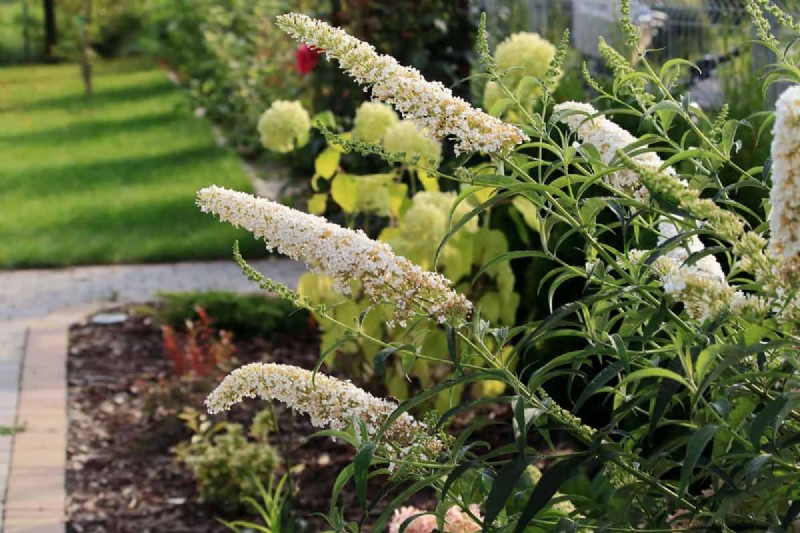
Because of its aggressive spread, many growers ask: does Buddleia harbor invasive roots that threaten native ecosystems? The short answer is nuanced.
Let’s unpack its root system, ecological footprint, and how to manage it responsibly.
Buddleia’s roots are fibrous and relatively shallow, extending horizontally near the soil surface rather than forming deep taproots.
This architecture enables the plant to quickly tap nutrients and moisture, fueling its fast growth.
While Buddleia exhibits vigorous growth and prolific self‑seeding, its roots are not the primary driver of invasiveness. The plant rarely damages foundations or pavements.
What concerns growers is the shrub’s ability to colonize open spaces and outcompete neighboring vegetation if left unchecked.
Roots spread in the upper soil layers, making the plant easy to transplant or remove when necessary.
Nonetheless, Buddleja davidii is classified as an invasive species in states such as Maryland (MD‑NWS 2024) due to its rapid seed dispersal and competitive dominance in the wild.
Choosing a non‑invasive cultivar—like Buddleja x weyeriana—reduces the risk of escape while still delivering the aesthetic and ecological benefits.
When fully mature, Buddleia can reach 12 ft in height and 15 ft in width, creating a substantial root network that vies for water and minerals with nearby plants.
Overcrowding can weaken surrounding species, so proper spacing and regular monitoring are essential.
Although not aggressively invasive, the shrub’s extensive roots can modify soil structure, potentially hindering the establishment of new plants.
Additionally, Buddleia can release allelopathic compounds that suppress the germination of nearby seedlings, a phenomenon documented by the USDA Forest Service (2023).
In non‑native habitats, the shrub’s self‑seeding habit can dominate wild areas, reducing biodiversity—a concern recognized by the California Invasive Plant Council.
Compared with deep‑rooted trees or aggressive root systems, Buddleia’s shallow roots pose minimal risk to foundations, sidewalks, or driveways.
Successful cultivation begins with selecting a suitable site: full sun and well‑draining soil are paramount. The plant tolerates clay when amended with compost but should be kept away from soggy conditions.
Regular pruning keeps the shrub compact and limits root expansion. Trim back to the ground each spring to stimulate fresh growth and reduce seed production.
Removing spent flower spikes prevents seed set. This simple step dramatically cuts the shrub’s spread potential.
Installing a physical root barrier—made from durable, impermeable material—can confine root growth. Place the barrier around the planting perimeter, extending at least 18 in. below the surface.
Integrate native species that compete for resources, such as tall ornamental grasses, milkweeds, asters, or goldenrod. These companions help keep Buddleia in check while supporting pollinators.
If the shrub begins to dominate, consider replacing it with a less aggressive alternative. Non‑invasive options like milkweed or goldenrod provide habitat for butterflies without the self‑seeding issue.
With diligent care—pruning, deadheading, and strategic placement—Buddleia can remain a beautiful, pollinator‑friendly addition to your garden.
Learn more about root systems of other plants:
• Does Lilac Have Invasive Roots? Insights For Smart Gardening
• Does Rosemary Have Invasive Roots? Understanding Its Growth Pattern
Written by
Shane Desuasido
Shane Desuasido is a seasoned content and copywriter with over a decade of experience in the gardening sector. Her technical writing expertise, combined with a background in e‑commerce and social media, allows her to produce engaging, research‑based articles that promote sustainable, eco‑friendly gardening practices.
Meet the GardenTabs team →

Editorial oversight
GardenTabs content is reviewed by Steve Snedeker, a seasoned gardener with decades of hands‑on landscaping experience.