Welcome to Modern Agriculture!

Gardeners frequently debate whether firming soil around new plantings promotes healthy growth. The answer depends on the plant species, soil type, and watering practices.
Compacting soil can improve seed-to‑soil contact, but excessive pressure may restrict air and water movement, ultimately stunting root development. Below we break down when compaction is beneficial, when it is harmful, and how to find the optimal balance for each garden.
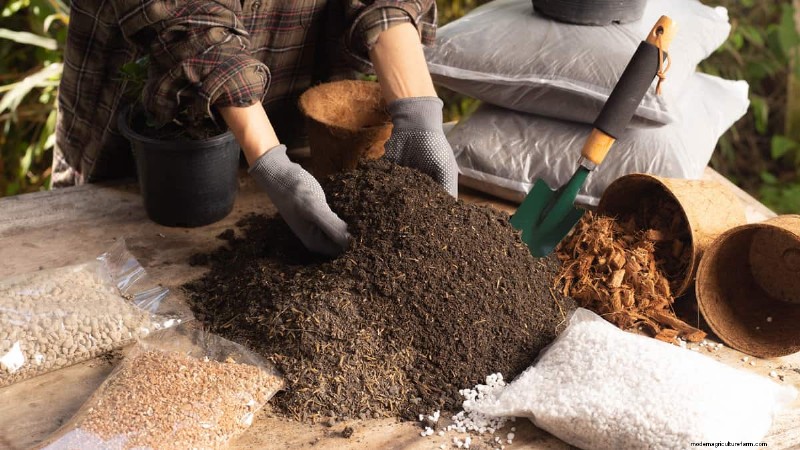
Soil compaction occurs when particles are pressed together, reducing pore space and limiting water infiltration. Common causes include:
Because compaction builds over time, monitoring garden activity and minimizing heavy pressure are essential for long‑term soil health.
Save this article & instantly unlock today's gardening deals!
Compacted soils:
Misconception #1: Compaction eliminates air pockets
While some firming can help remove excess air, the goal is a balance between density and porosity. Over‑compaction hinders drainage and root expansion.
Misconception #2: Compacted soil offers better support for seedlings
Too much pressure can damage delicate roots. When transplanting, gently firm the soil around the root ball—just enough to prevent dislodgement, not to crush it.
Gardening experts, including the University of Nebraska‑Lincoln Extension, advise against adding rocks to the bottom of containers, as this can create a saturated layer above the stones that traps moisture.
Take a handful of damp (not wet) soil and press it into a ball:
A well‑balanced loam—comprising sand, silt, and clay—provides the sweet spot between drainage and moisture retention. Characteristics of ideal loam:
Perform a simple jar test: fill a jar halfway with soil, top with water, shake, and let settle. Sand will sit at the bottom, silt in the middle, clay on top. If your soil deviates from this ratio, amend with compost or aged manure.
For seed or transplant planting, lightly firm the soil to ensure good seed-to‑soil contact without creating a barrier:
Deciding whether to compact soil depends on the specific conditions of your garden. While some firmness can stabilize seedlings and aid moisture retention, restraint is vital to preserve root‑friendly environments.
Each plant species and soil composition may call for a tailored approach. Stay attuned to your garden’s needs, and you’ll reap a bounty of healthy, vigorous growth.
For additional soil‑management insights, explore our related articles:
Written by
Shane Desuasido
Shane Desuasido is a content and copywriter with over 10 years of experience crafting educational material for the gardening industry. Her background in e‑commerce and social media management enhances her ability to present complex horticultural concepts in engaging, actionable ways. Passionate about animal welfare and environmental sustainability, she champions eco‑friendly gardening practices in every piece she produces.
Meet the GardenTabs team →

Editorial oversight
GardenTabs content is reviewed by Steve Snedeker, a seasoned gardener with decades of hands‑on landscaping experience.