
Welcome to Modern Agriculture!

 Depositphotos
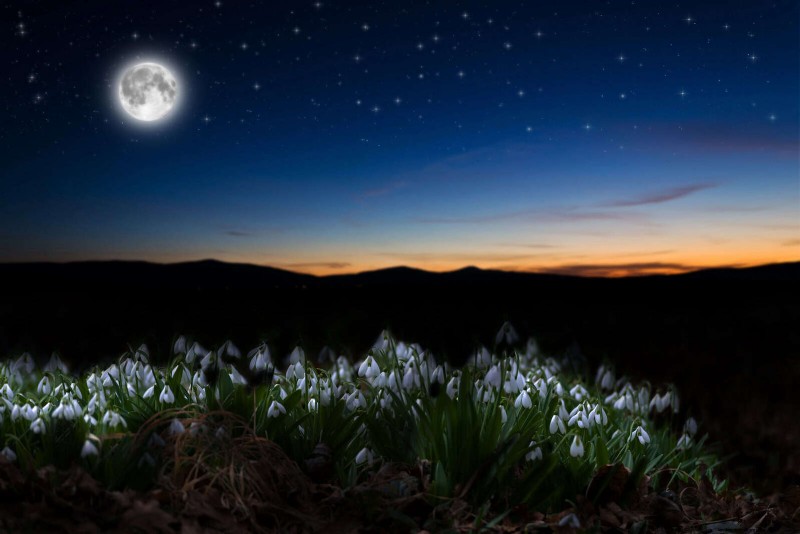
Imagine stepping into your backyard at night and discovering a glowing sanctuary that comes alive under the silvery moonlight. Moon gardens transform ordinary outdoor spaces into magical nighttime retreats with plants that shimmer, glow, and release intoxicating fragrances after dark.
Creating your moon garden doesn’t require special gardening skills or a massive budget. With the right plants, thoughtful design, and patience, you can craft an enchanting outdoor space that reveals its best features when the sun goes down. Let’s explore how to bring this nocturnal wonder to life in your yard.
 Depositphotos
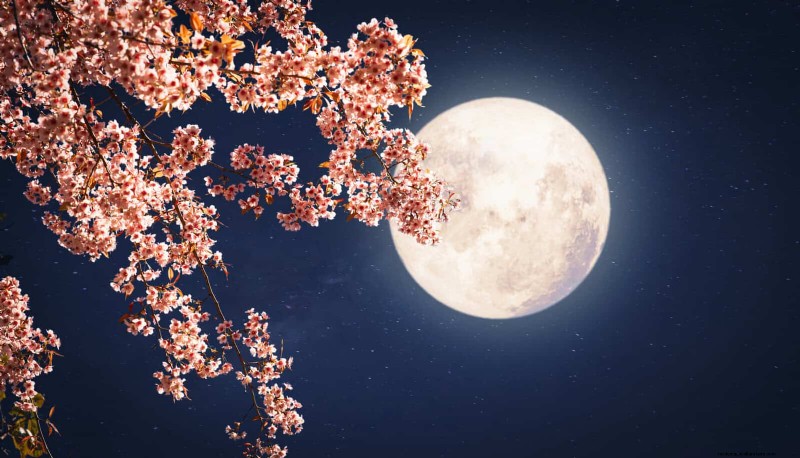
Moon gardens have enchanted people for centuries, dating back to ancient civilizations celebrating lunar cycles. These special gardens create spaces where nighttime becomes the main event rather than an afterthought.
The tradition continues today as gardeners seek peaceful retreats for evening enjoyment. A moon garden transforms from a simple landscape during the day into a glowing sanctuary at night, perfect for unwinding after busy days.
 Depositphotos
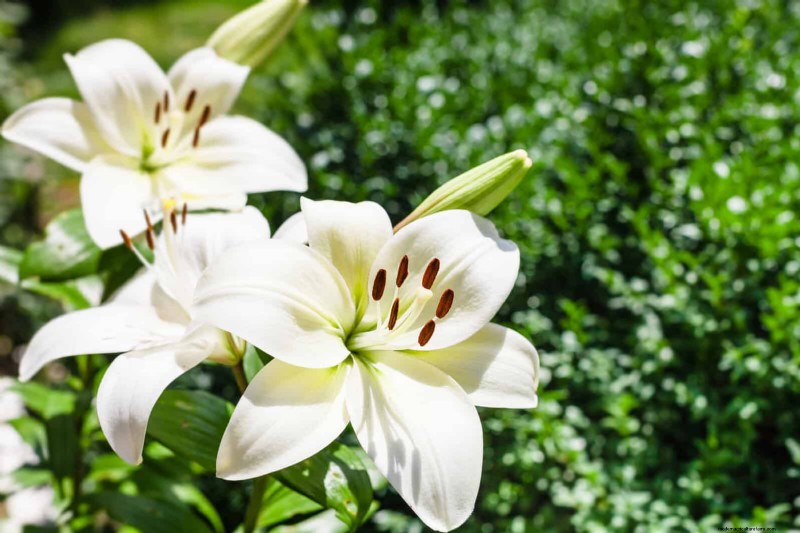
Unlike traditional gardens focused on daytime color, moon gardens celebrate elements that shine after sunset. The most successful ones feature white flowers, silver foliage, evening fragrances, and plants that move or make sounds at night.
The contrast between these pale elements and the dark night sky creates a natural spotlight effect. Your garden becomes a living light show without artificial illumination, guided only by the moon’s gentle glow.
We'll email it to you so you can read it later!
By saving, you agree to receive occasional emails. Unsubscribe anytime.
 Depositphotos
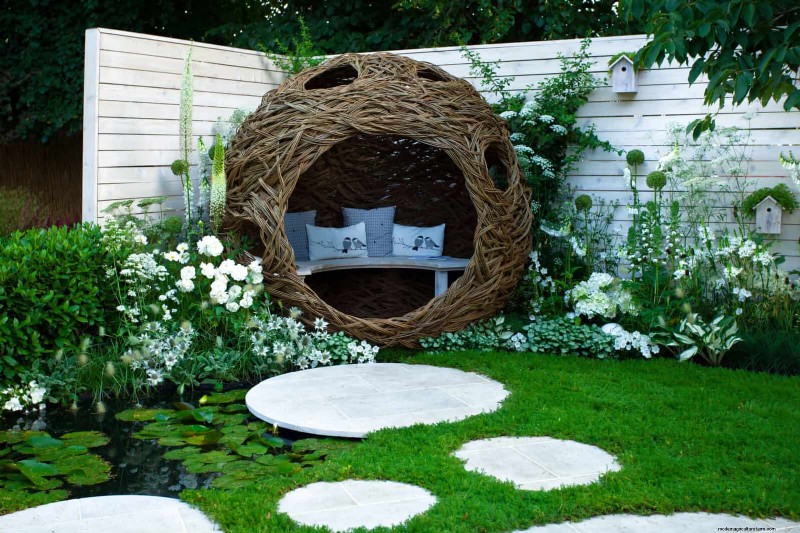
Choose a spot visible from indoor evening gathering places like your patio, deck, or living room windows. The ideal location receives full moonlight without obstruction from buildings or large trees.
Consider proximity to your home for easy nighttime access. The space should feel inviting and safe for evening enjoyment, with minimal light pollution from street lamps or neighbors’ floodlights that might diminish the moonlight effect.
 Depositphotos
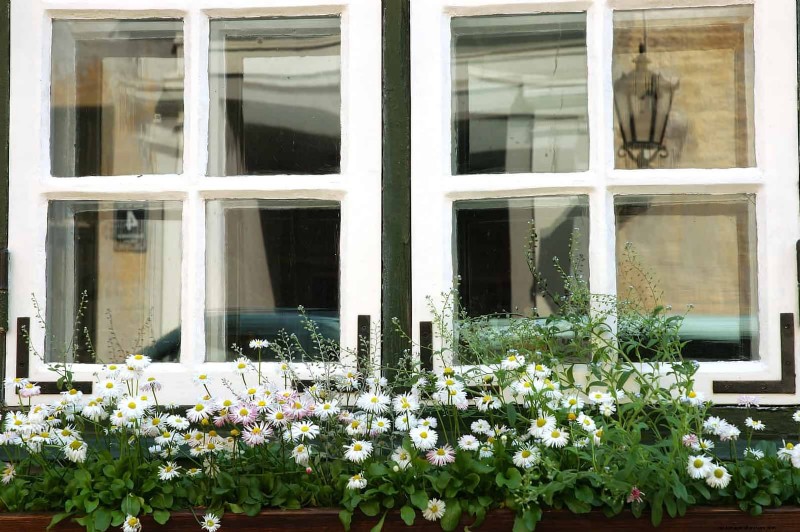
Moonlight operates differently than sunlight, reflecting rather than directly illuminating. Light-colored surfaces bounce this gentle illumination, making white and silver plants appear to glow from within.
Position reflective elements to catch maximum moonbeams. South-facing garden sections typically receive the most consistent lunar light throughout the month, making them prime locations for your showstopper plants.
 Depositphotos
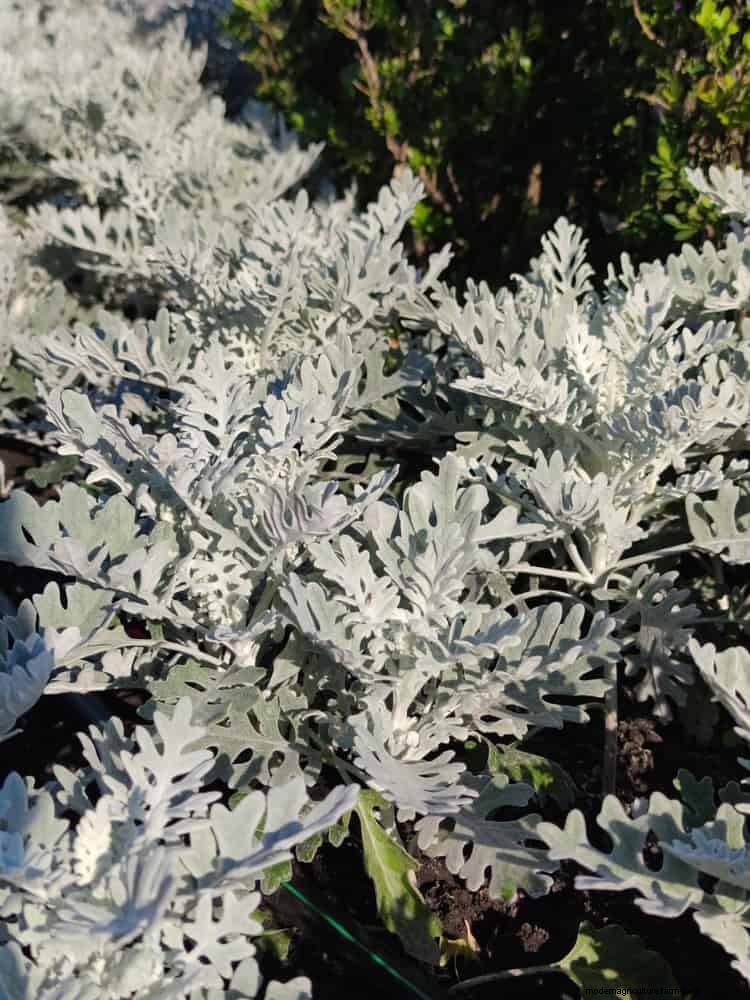
Every moon garden needs four key components: white flowers that glow, silver/gray foliage that reflects light, evening-scented plants, and elements that create movement or sound. This sensory combination creates a fully immersive experience.
Add hardscape elements like light-colored gravel paths, white garden furniture, or pale stonework to amplify the moonlight effect. Water features provide additional reflective surfaces that dance with light.
 Depositphotos
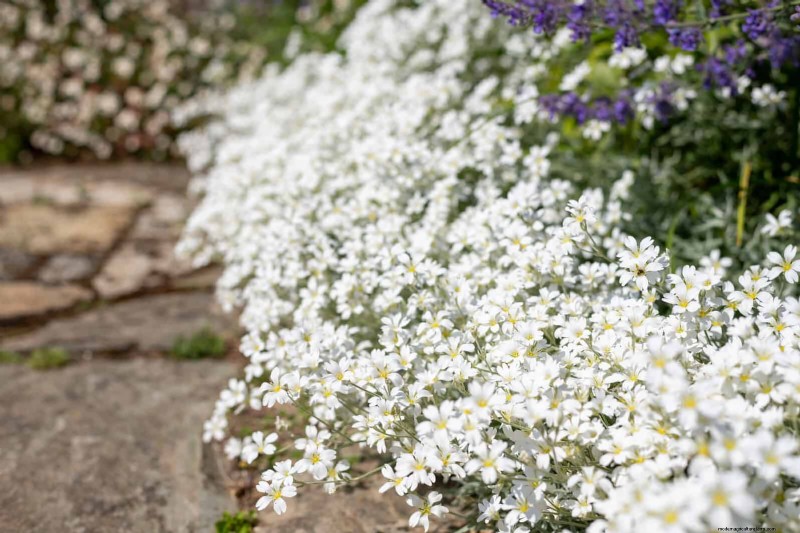
Arrange plants in sweeping drifts rather than individual specimens for greater visual impact at night. Create “pools” of white flowers that will appear to float in darkness when viewed from a distance.
Consider viewing angles carefully. Plants seen from your primary evening relaxation spots should feature the most dramatic moonlight-reflecting qualities. Use taller elements as backdrops for shorter glowing plants.
 Depositphotos
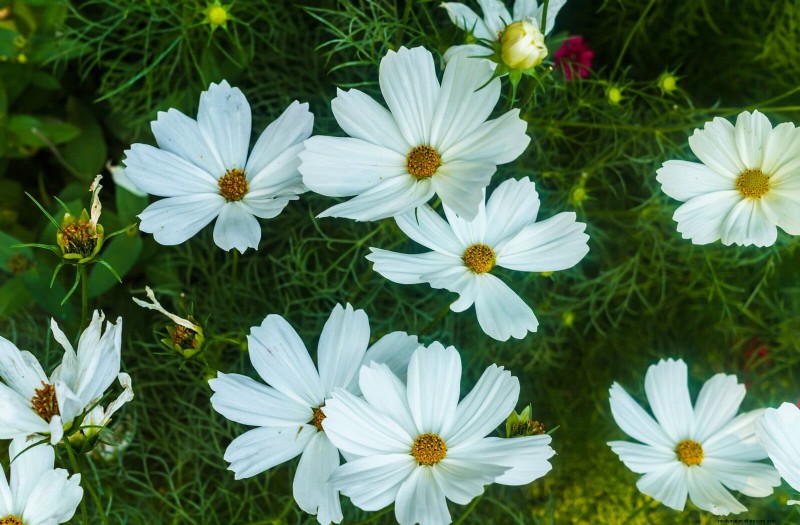
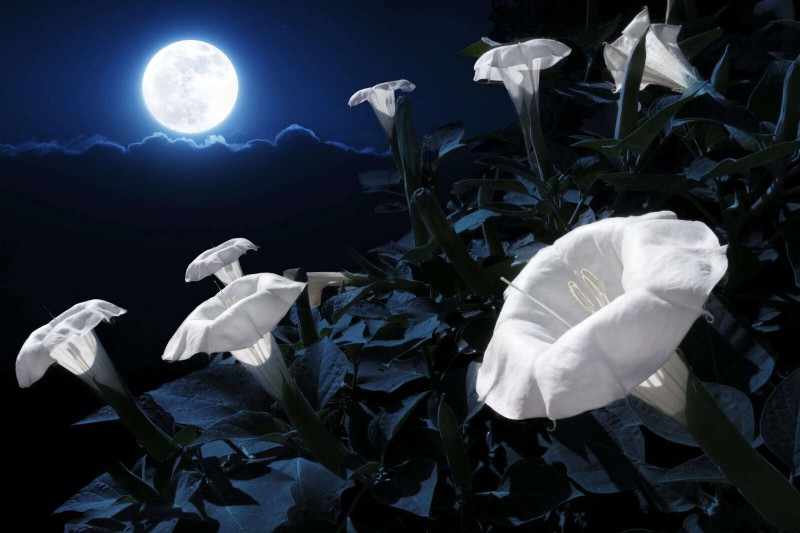
White cosmos, moonflower, evening primrose, and white nicotiana create stunning nighttime displays. Four o’clocks, white petunias, and white roses also capture moonbeams beautifully while adding daytime interest.
Include white flowering shrubs like hydrangeas or gardenias for structure and height. Mix in spring bulbs like white tulips, daffodils, and crocuses for an early-season glow before summer bloomers take over.
 Depositphotos
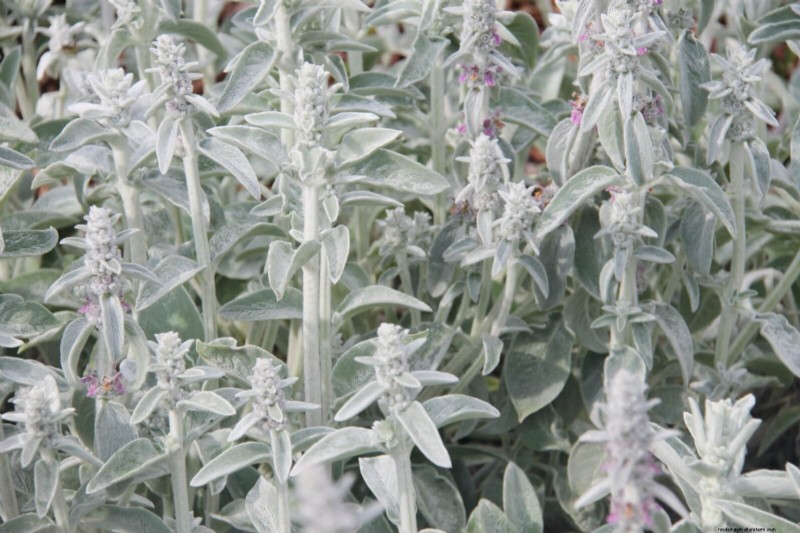
Lamb’s ears, silver sage, and dusty miller offer touchable, fuzzy textures that capture light beautifully. Russian sage, artemisia, and silver thyme provide different heights and growth habits for varied interests.
Japanese painted fern and silver varieties of heuchera add lower-growing options that shine in partial shade. Many silver-leaved plants also withstand drought conditions, making them practical choices for low-maintenance gardens.
 Depositphotos
Night-scented stock, evening jasmine, and honeysuckle release their strongest perfumes after sunset. These fragrant wonders often attract fascinating nocturnal pollinators like moths and bats.
Plant evening phlox, nicotiana, and night-blooming cereus near seating areas where their scents can be fully appreciated. Some flowers, like evening primrose, actually open before your eyes as night falls, creating a magical, slow-motion show.
 Depositphotos
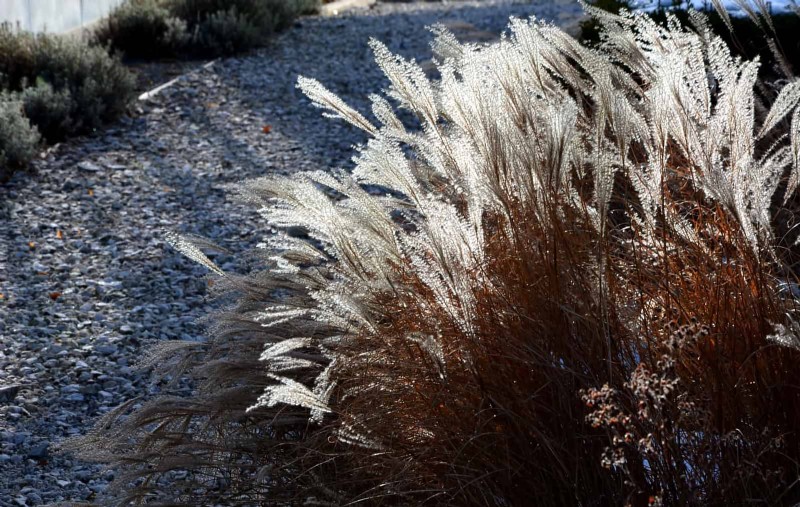
Ornamental grasses, such as silver feather grass and northern sea oats, create gentle rustling sounds with every breeze. Their graceful movements add kinetic energy to still summer nights.
Include plants with seedpods that pop open at night or flowers that open with audible sounds. The gentle movement of bamboo or quaking aspen leaves creates both visual interest and a soothing soundtrack.
 Depositphotos
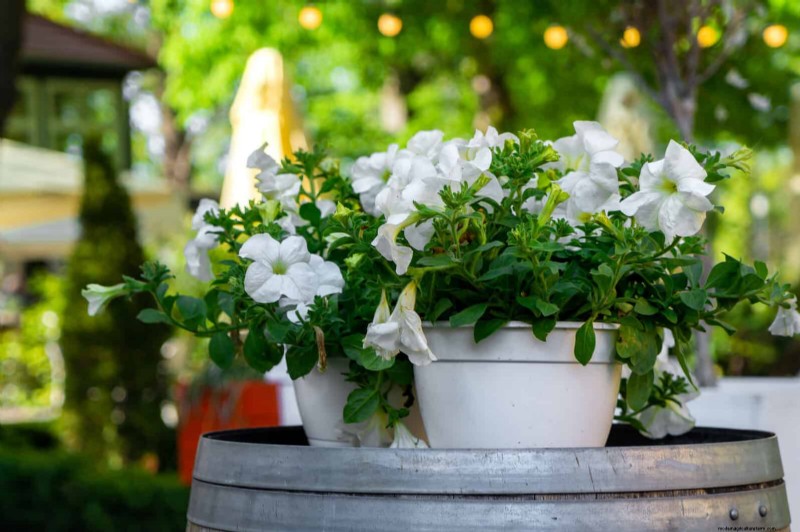
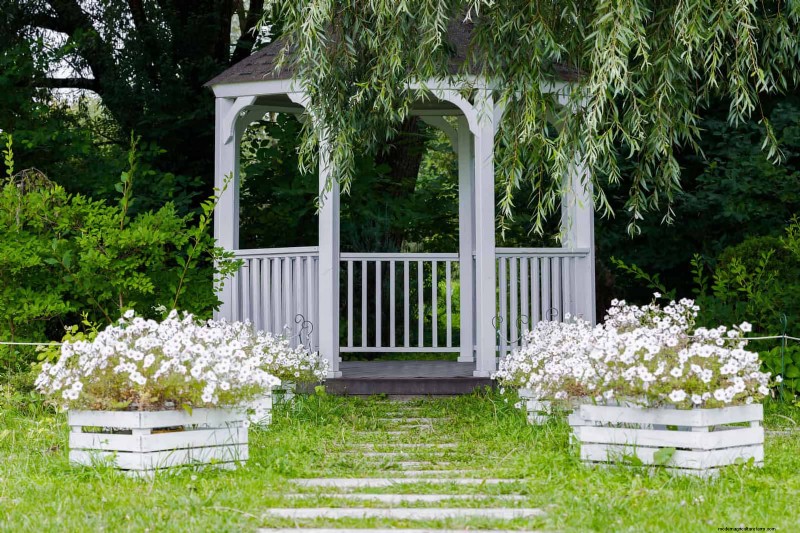
White-flowering annuals like petunias, sweet alyssum, and bacopa thrive in containers and provide instant impact. For drought-tolerant options, use silver-leafed succulents and trailing dichondra ‘Silver Falls’.
Group containers of different heights for visual interest. Light-colored pots enhance the reflective quality of your plants and create a cohesive look even during daylight hours.
 Depositphotos
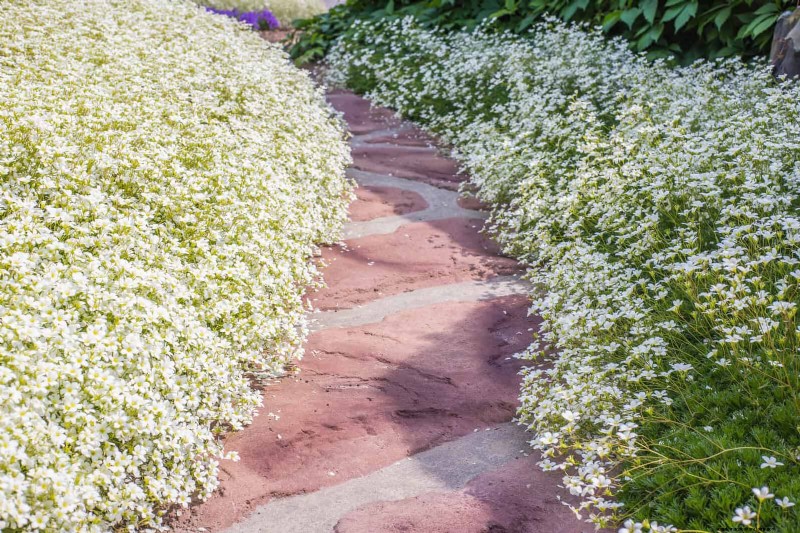
Line walkways with white rocks, crushed oyster shells, or pale gravel that reflects moonlight and provides safe footing after dark. Border paths with white-flowering ground covers like sweet alyssum or candytuft for an ethereal effect.
Place seating where you can fully immerse yourself in the garden experience. Light-colored benches, chairs, or hammocks become glowing focal points while providing comfortable spots for nighttime enjoyment.
 Depositphotos
Simple birdbaths, shallow reflecting pools, or small fountains multiply moonlight’s magic through rippling reflections. The sound of moving water adds another sensory dimension to your nighttime garden experience.
Position water features where they’ll catch maximum moonlight. Even a small bowl of water placed strategically can become a dramatic focal point when the moon is reflected on its surface.
 Depositphotos
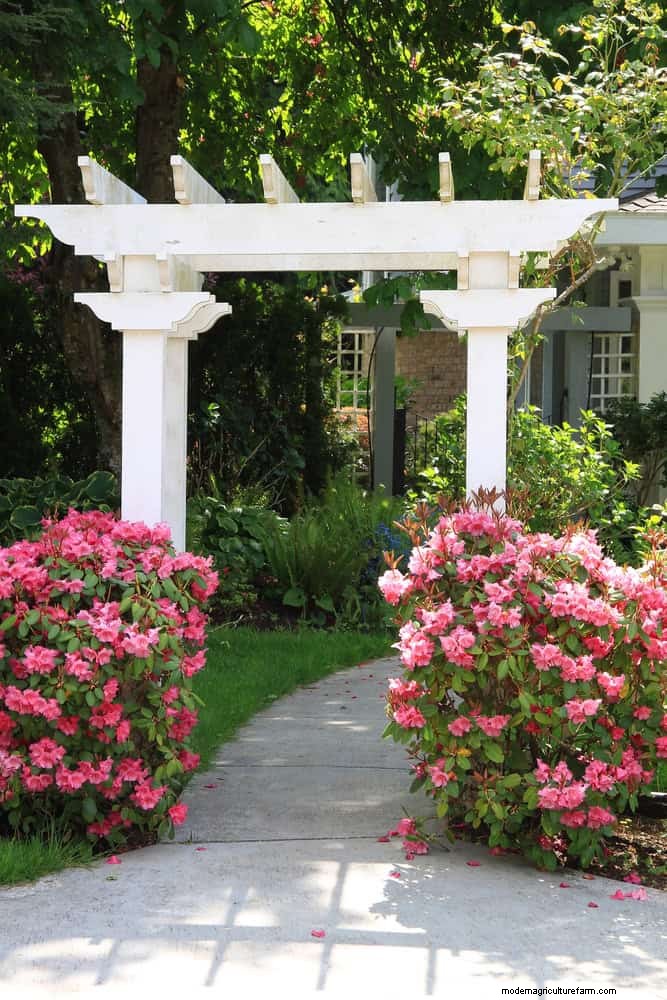
White or light-colored trellises, arbors, and garden sculptures create architectural interest day and night. Gazing balls, mirrors, and polished metal art pieces amplify available light and create surprising sparkles.
Consider mosaic stepping stones made with mirror pieces or light-colored tiles. These practical pathways transform into magical stepping stones when moonbeams hit their reflective surfaces.
 Depositphotos
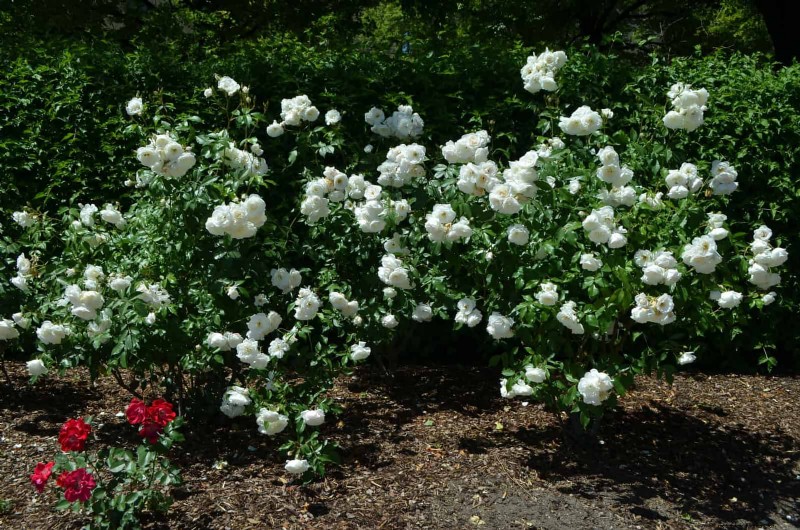
Plan for year-round interest by including spring bulbs, summer perennials, fall bloomers, and winter-interest plants with light bark or seed heads. White snowdrops and crocuses start the season, followed by summer’s white roses and fall’s white anemones.
Record full moon dates on your calendar and plan special evening garden time during these peak viewing periods. Different plants will shine throughout the growing season, creating an ever-changing moonlit display.
 Depositphotos
Deadhead white flowers regularly to encourage continuous blooming. The spent brown blossoms become particularly visible against white petals and can diminish the glowing effect.
Water in the morning rather than evening to reduce slug and snail damage to light-colored blooms. These pests are most active at night and particularly attracted to tender white petals.
 Depositphotos
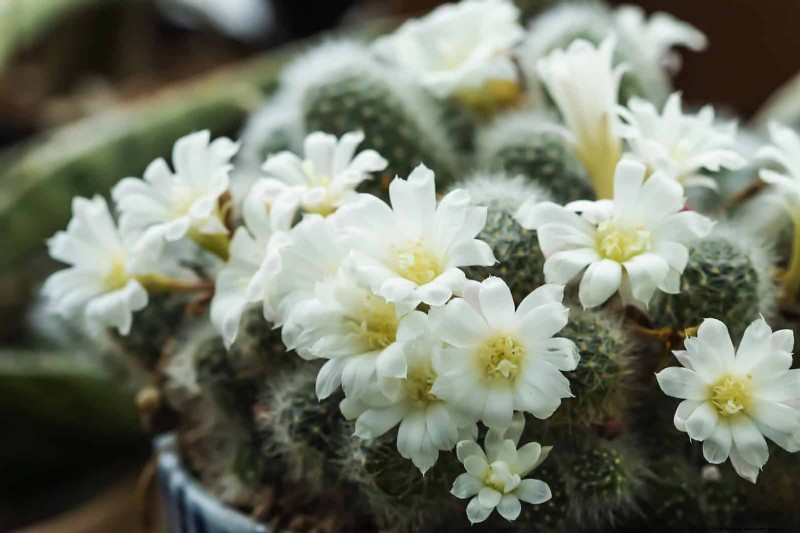
Desert gardeners can focus on white-flowering cacti, silver agaves, and other drought-tolerant options that reflect moonlight beautifully. Northern gardeners might include white birch trees and evergreens with silver-blue foliage for winter interest.
Coastal gardens benefit from salt-tolerant options like white seaside daisies and silver beach wormwood. Humid southern regions can showcase white camellias, gardenias, and magnolias that thrive in those conditions.
 Depositphotos
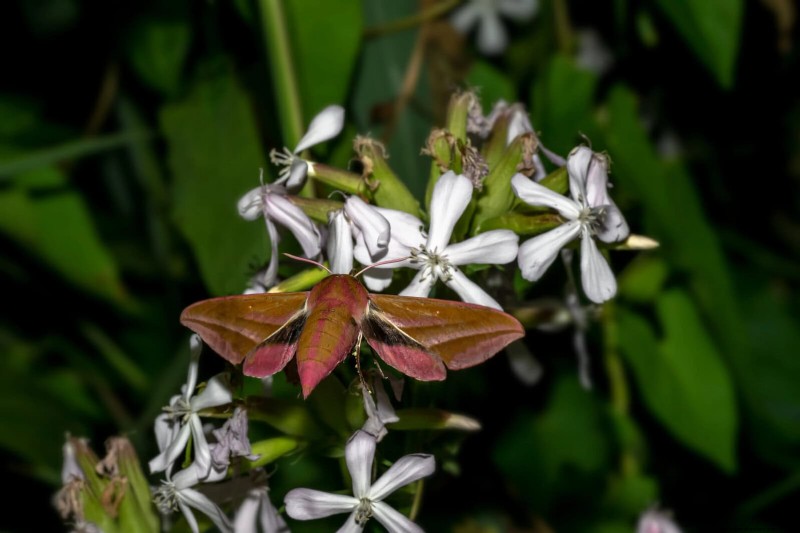
Night-flying moths are drawn to white flowers with strong, sweet scents. These important pollinators bring additional movement and life to your evening garden experience.
Avoid using outdoor bug zappers or strong lights that disrupt natural nocturnal activity. The moonlight itself provides the perfect illumination for both enjoying your garden and supporting nighttime wildlife.
 Depositphotos
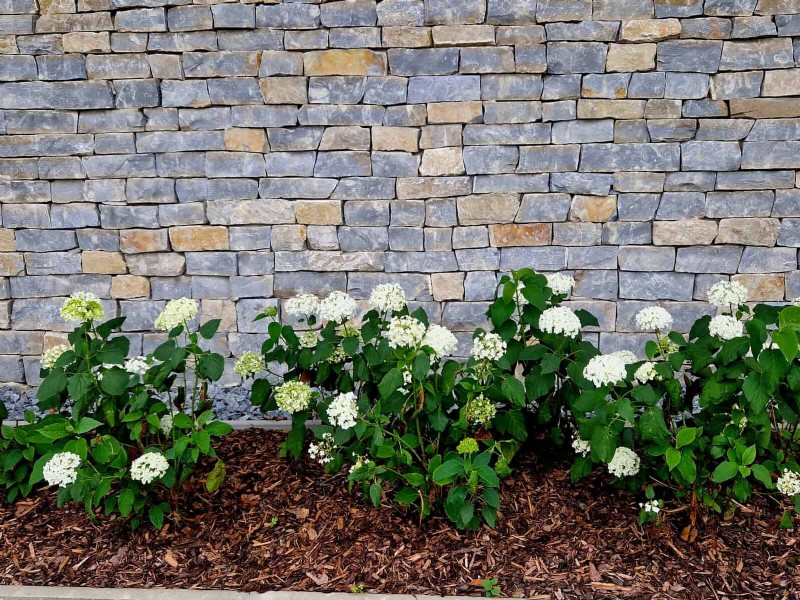
White flowers sometimes show dirt splashes more readily than colored blooms. To minimize this issue during rainstorms, apply light mulch around plants.
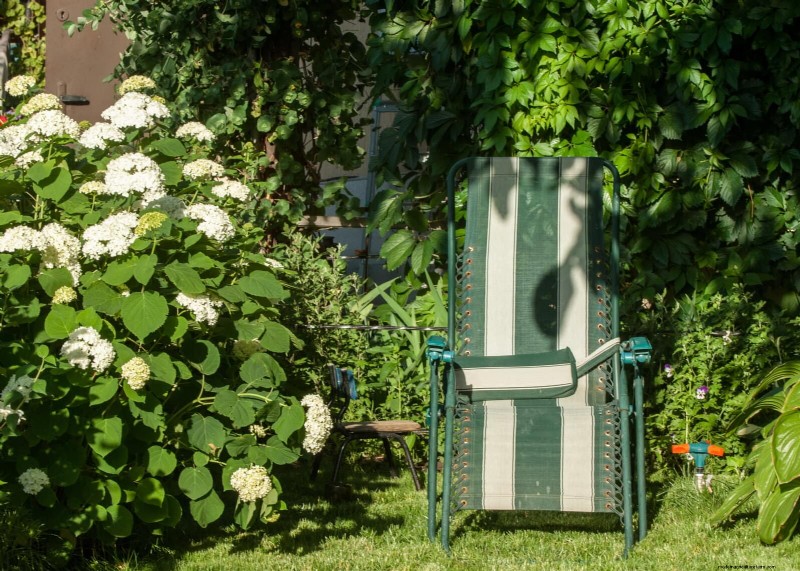
Balance nighttime beauty with daytime interest by including plants with attractive foliage or subtly colored flowers that complement your white blooms during daylight hours. This creates a garden that transitions beautifully from day to night.
 Depositphotos
Start with a small dedicated area and observe how moonlight moves across your yard throughout the lunar cycle and seasons. This knowledge helps you make smart choices for future expansions.
Add new elements each year based on what performs best in your specific conditions. Moon gardens often become lifelong projects that evolve with your growing gardening skills and changing preferences.
 Depositphotos
Document your moon garden through night photography to appreciate its evolution. Many gardeners are surprised by how different their creations look in photos compared to the naked eye.
Share your moon garden with friends and family through evening gatherings. These magical spaces create perfect backdrops for meaningful conversations and memorable moments under the stars.
 Depositphotos
Creating a moon garden connects you to ancient traditions while providing practical beauty for modern life. These enchanting spaces transform ordinary evenings into extraordinary experiences right in your own backyard.
Start small, observe closely, and let your moon garden evolve naturally. The simple act of stepping outside to witness your plants glowing under moonlight might become your favorite nightly ritual and a powerful way to reconnect with nature’s quiet magic