
Welcome to Modern Agriculture!

 Depositphotos
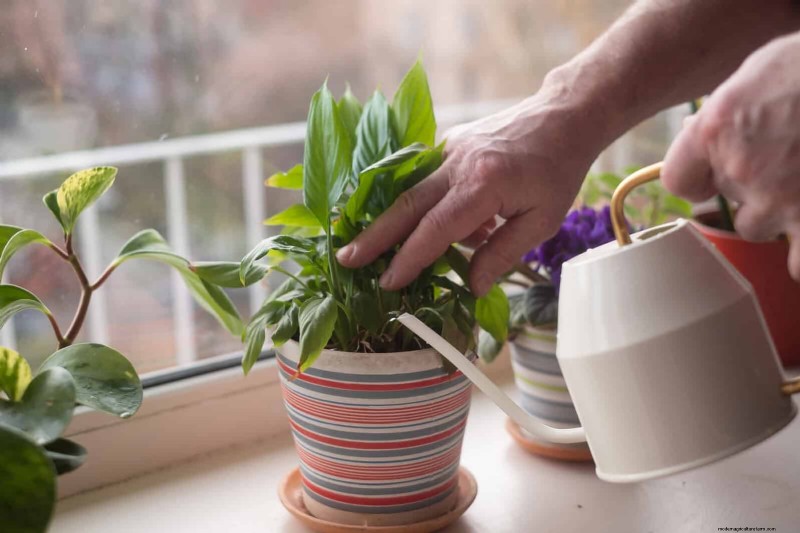
Keeping plants healthy can feel like a guessing game, especially regarding watering. We’ve all watched our beloved plants suffer from too much or too little water. Getting your watering routine right will help your garden thrive through every season.
Your plants need different care depending on their type, the season, and even the container they grow in. Let’s look at the most common watering mistakes that might hurt your garden and how to fix them for happier, healthier plants.
 Depositphotos
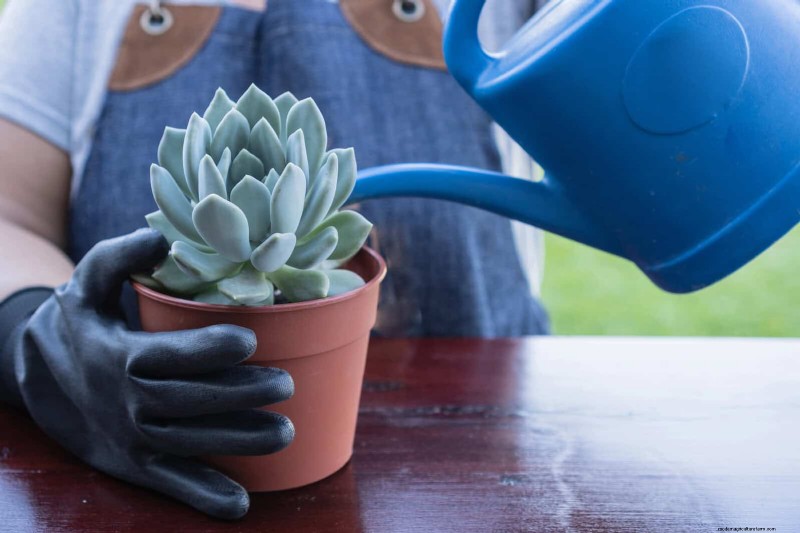
Succulents store water in their leaves and stems, making them naturally drought-resistant. When you water them too frequently, their roots sit in moisture and can quickly rot. Most succulents need watering only when their soil has completely dried out.
A good rule for succulents is to water thoroughly but infrequently. In most indoor environments, this means watering once every two to three weeks. During winter, watering is reduced even more as the plants enter a dormant period.
 Depositphotos
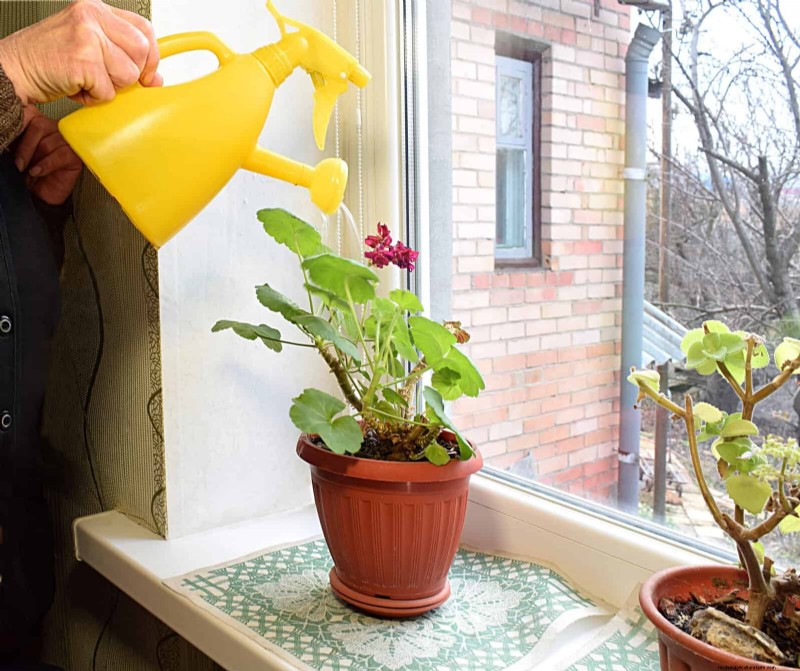
Plants require different amounts of water throughout the year. Many gardeners make the mistake of sticking to the same watering schedule year-round. During spring growth periods, plants typically need more water, while they require less during fall and winter dormancy.
Pay attention to both the season and your plants’ growth cycles. Adjust your watering schedule seasonally, giving more water during active growing periods and cutting back during dormant times. Your plants will show their appreciation through healthier growth.
We'll email it to you so you can read it later!
By saving, you agree to receive occasional emails. Unsubscribe anytime.
 Depositphotos
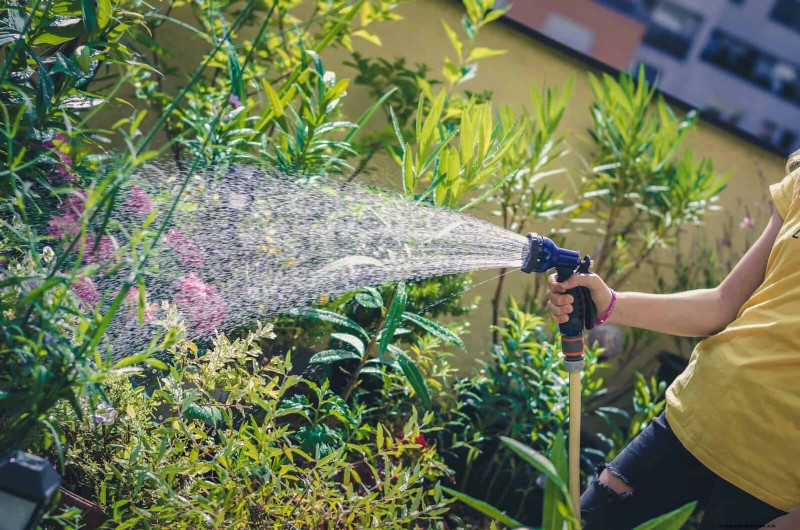
Watering during the hottest part of the day leads to rapid evaporation before plants can absorb the moisture. This wastes water and can leave plants thirsty. Hot water can also shock plant roots and cause stress to delicate foliage.
The best time to water is early morning, when temperatures are cooler and plants have all day to absorb moisture before evening. If morning isn’t possible, late afternoon is your next best option. This gives plants time to dry before nightfall to prevent fungal issues.
 Depositphotos
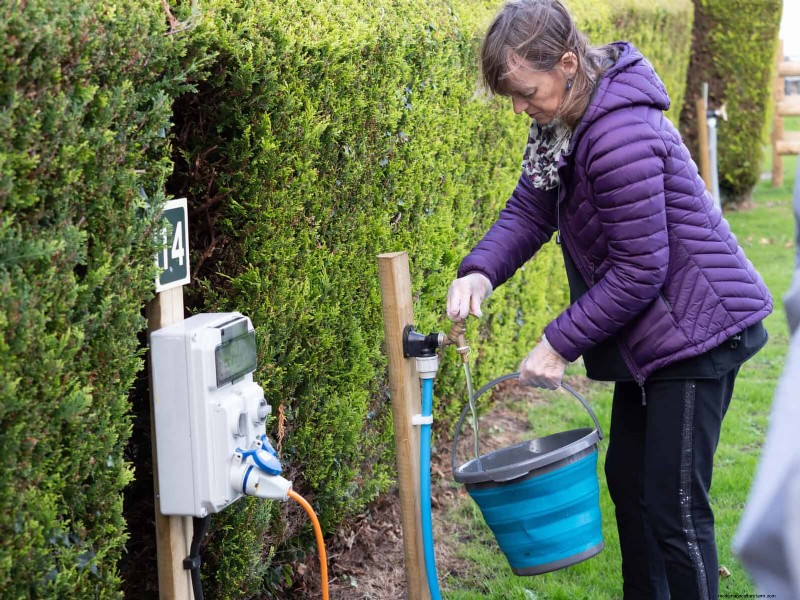
Many municipal water sources contain chlorine and other chemicals that can harm sensitive plants. These chemicals can accumulate in soil over time, affecting beneficial microorganisms and plant health. Some plants, like orchids and carnivorous varieties, are particularly sensitive.
Allow tap water to sit in an open container for 24 hours before using it on plants. This gives chlorine time to dissipate. Another option is collecting rainwater, which is naturally free of these chemicals and often contains beneficial nutrients for your plants.
 Depositphotos
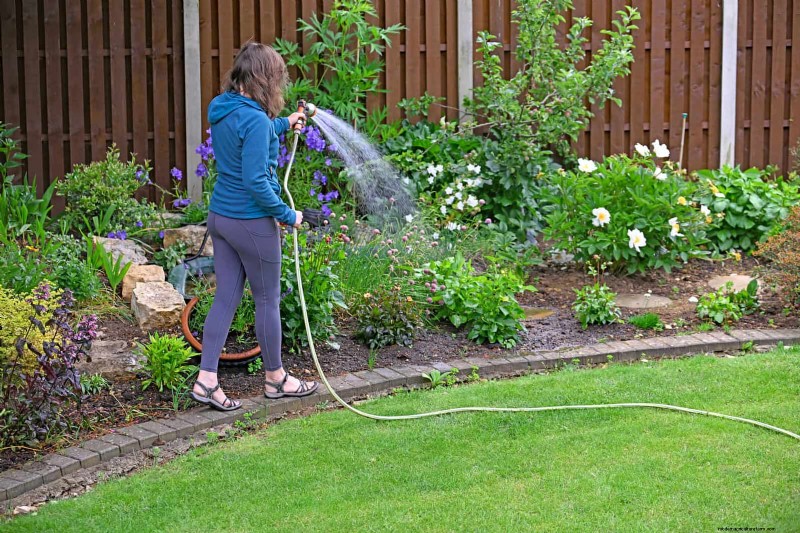
Plants thrive on routine. Irregular watering creates stress as plants cycle between drought and flood conditions. This stop-and-start pattern disrupts growth and can lead to issues like blossom end rot in tomatoes or splitting in fruits.
Create a consistent watering schedule based on your plants’ needs and weather conditions. Reminder apps or calendar notifications can help maintain regularity. Consistent moisture levels encourage steady growth and stronger root systems.
 Depositphotos
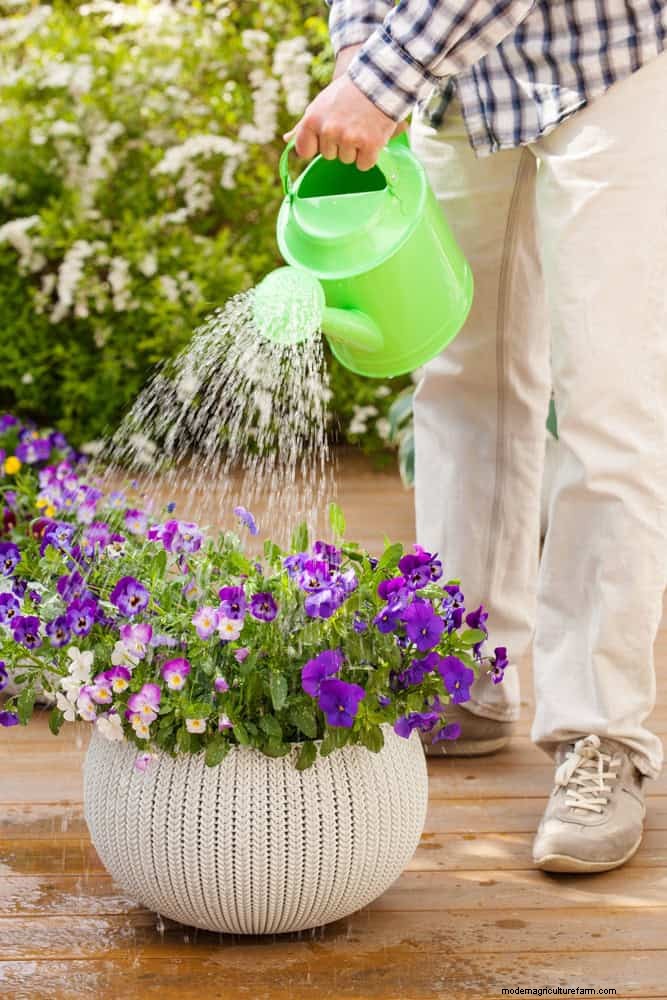
Splashing water on leaves rather than directing it to the soil can promote fungal diseases and leaf spot problems. Wet foliage that doesn’t dry quickly becomes a breeding ground for pathogens, especially in humid conditions or when watering in the evening.
Focus your watering at the base of plants, directly onto the soil where roots can access it. If using sprinklers, run them in the morning so foliage has time to dry completely. For container plants, consider bottom watering by placing pots in a water-filled tray for 20 to 30 minutes.
 Depositphotos
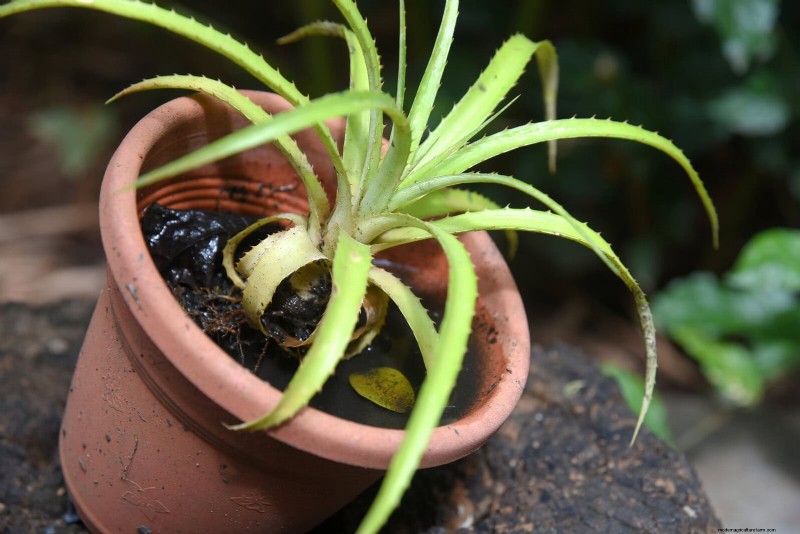
Poor drainage is a silent plant killer. When water can’t escape, roots sit in soggy conditions, leading to root rot and oxygen deprivation. This problem affects both container plants and garden beds, which have heavy clay soil or compaction issues.
Ensure all containers have drainage holes and use well-draining potting mix. For garden beds with drainage problems, amend the soil with compost and consider raised beds in extremely poor-draining areas. Adding perlite or coarse sand to heavy soils can also improve drainage.
 Depositphotos
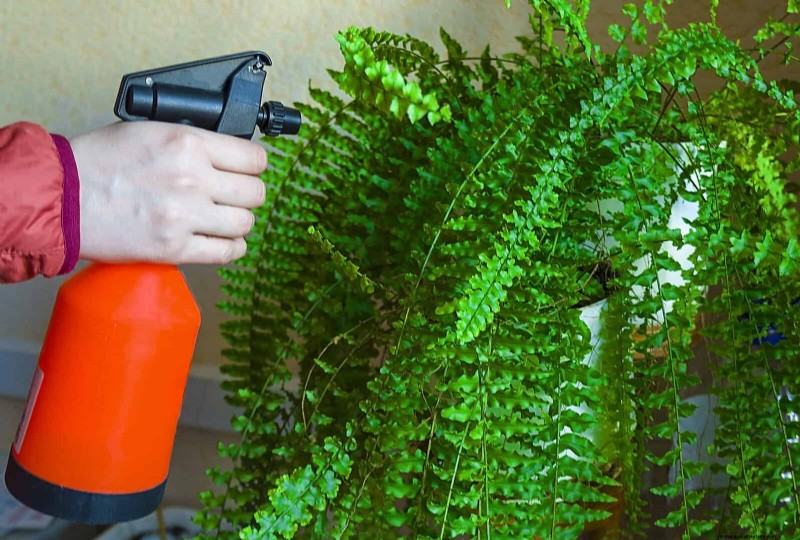
Different plants have vastly different water requirements. Treating all your garden plants the same way ignores their natural adaptations and growing needs. Ferns and tropical plants typically need more frequent watering than Mediterranean herbs or native plants.
Group plants with similar water needs together in your garden or home. This practice, called hydro zoning, makes efficient watering easier. Research each plant’s natural habitat and recreate those moisture conditions for the best results.
 Depositphotos
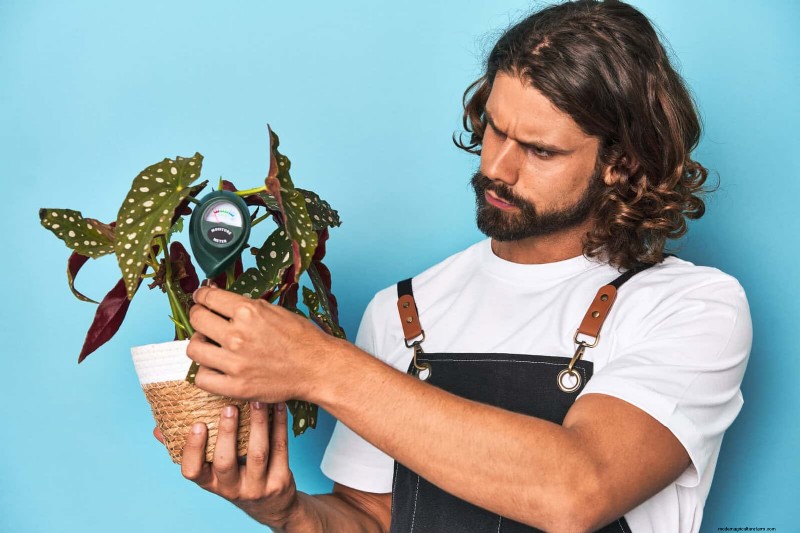
Watering on a strict schedule without checking soil moisture first can lead to overwatering or underwatering. Depending on temperature, humidity, and plant size, soil can dry out faster or slower than expected. Relying on appearance alone can be misleading.
Use your finger to check soil moisture before watering, inserting it about 1 to 2 inches deep. For larger plants or garden beds, consider using a moisture meter. For most plants, only water when the top inch of soil feels dry, adjusting for specific plant needs.
 Depositphotos
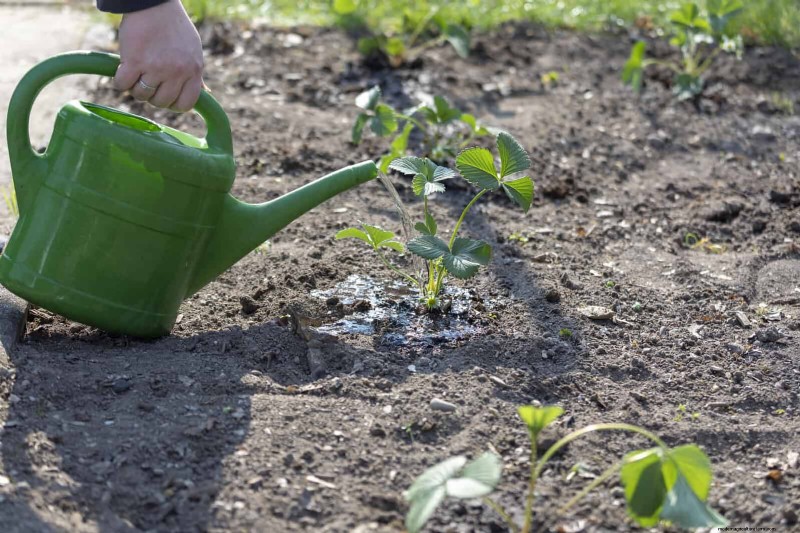
Light, frequent sprinkles of water encourage shallow root growth near the soil surface. These roots are vulnerable to heat and drought stress. Plants with shallow roots topple more easily and can’t access nutrients deeper in the soil profile.
Water deeply but less frequently to encourage roots to grow downward. For established plants, aim to moisten the soil to a depth of 6 to 8 inches. This may mean watering longer, but less often, creates more vigorous, drought-resistant plants.
 Depositphotos
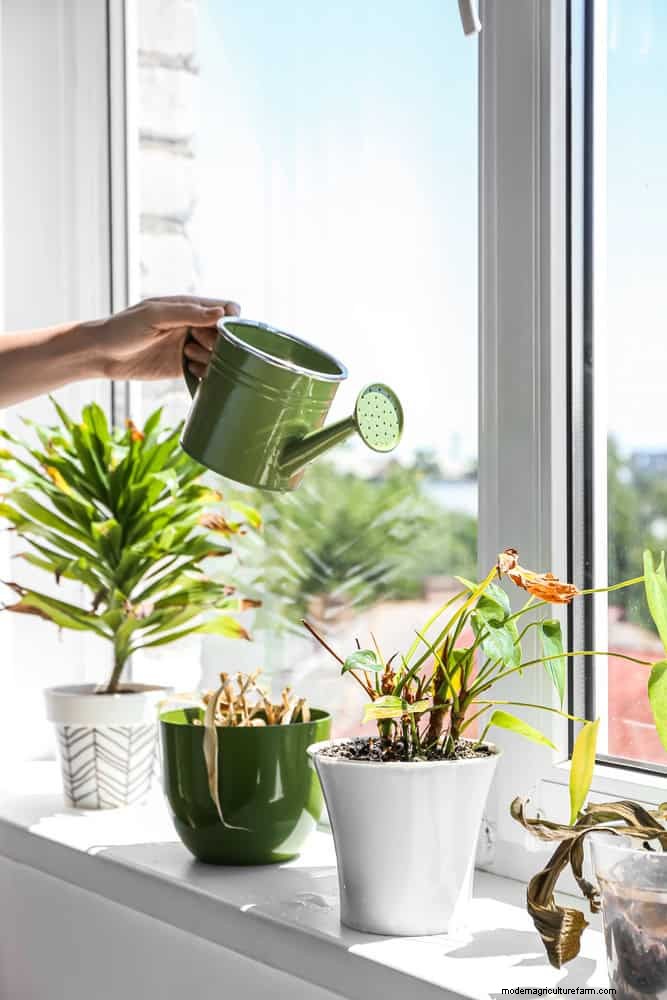
When plants wilt, our first instinct is often to add more water. However, wilting can actually indicate overwatering and underwatering. Drowning roots can’t deliver water to leaves, causing wilting even in soggy soil conditions.
Before adding water to wilting plants, check the soil moisture first. If the soil feels wet, hold off on watering and check for other issues like root rot. Only add water if the soil is actually dry, and consider a slow, deep watering rather than a quick dousing.
 Depositphotos
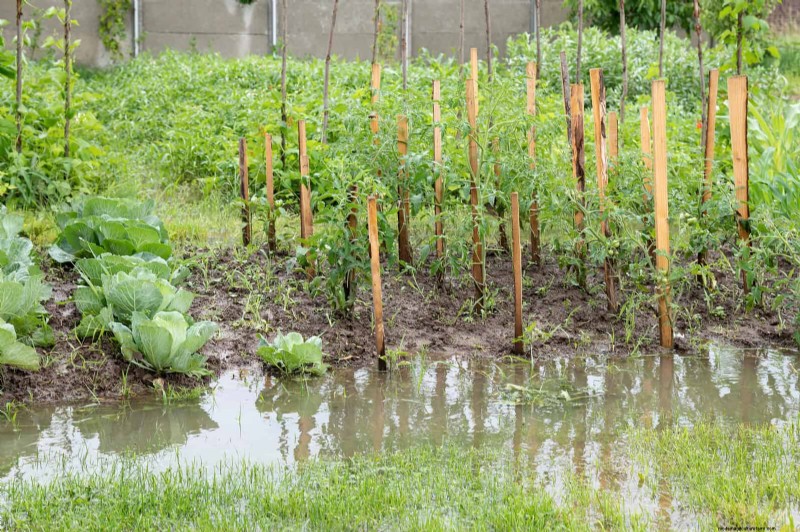
Watering right before a rainstorm wastes water and can lead to waterlogged soil. Similarly, failing to provide extra water during heat waves can stress plants. Many gardeners water by habit rather than necessity, ignoring current and upcoming weather conditions.
Check your local forecast before watering. If rain is expected within 24 hours, consider delaying your watering session. During extreme heat, you might need to water more frequently, but be careful not to overdo it, as soil can sometimes dry out more slowly than the air.
 Depositphotos
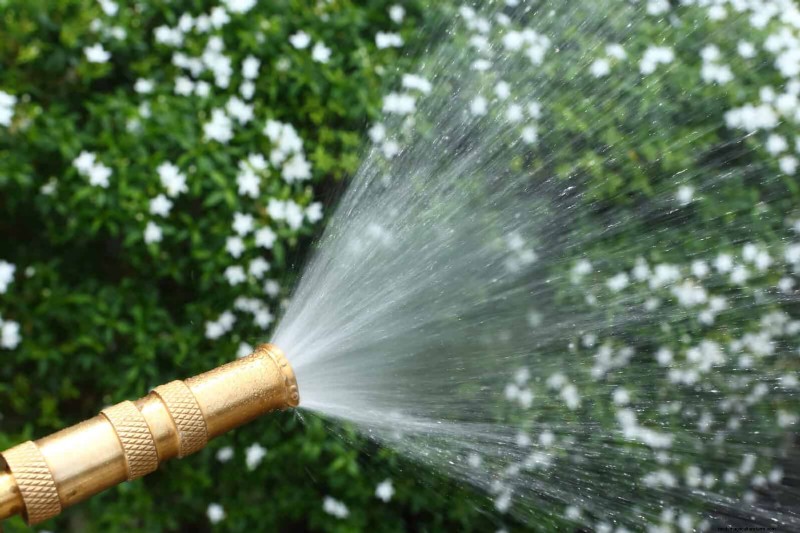
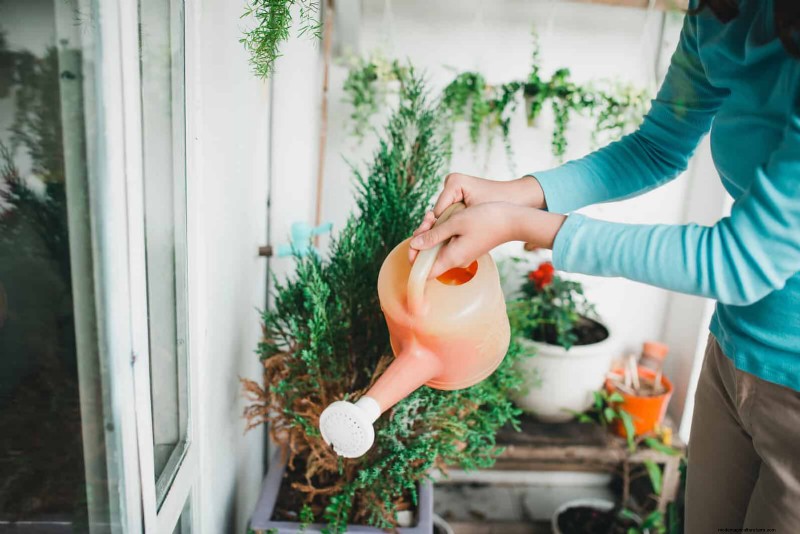
The wrong watering tools can lead to inefficient water use and plant stress. Quick bursts from a standard hose often create runoff rather than deep soil penetration. This wastes water and leaves roots thirsty despite your best intentions.
Invest in watering equipment suited to your garden’s needs. Soaker hoses and drip irrigation deliver water directly to the soil at a slow rate that minimizes evaporation and runoff. For container plants, watering cans with long spouts help target the soil rather than the foliage.
 Depositphotos
Container plants typically need more frequent watering than their in-ground counterparts. Soil in pots dries out faster due to increased exposure to air and limited soil volume. Many gardeners mistakenly water potted plants on the same schedule as garden beds.
Check container plants daily during warm weather, as they can dry out surprisingly quickly. Pot material, size, and color affect water retention. Terra cotta pots dry faster than plastic, while dark-colored containers absorb more heat, increasing water needs.
 Depositphotos
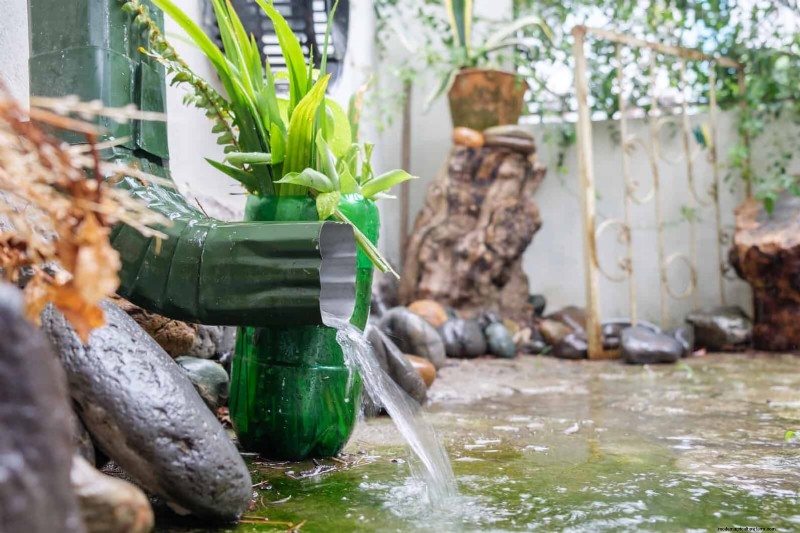
In a world of increasing water scarcity, inefficient watering wastes a precious resource. Watering during midday heat, failing to use mulch, and ignoring opportunities to capture rainwater all contribute to unnecessary water consumption.
Apply a 2 to 3-inch layer of mulch around plants to retain soil moisture and reduce evaporation. Consider installing rain barrels to collect roof runoff for garden use. If using irrigation systems, add timers and moisture sensors to prevent watering when it’s not needed.
 Depositphotos
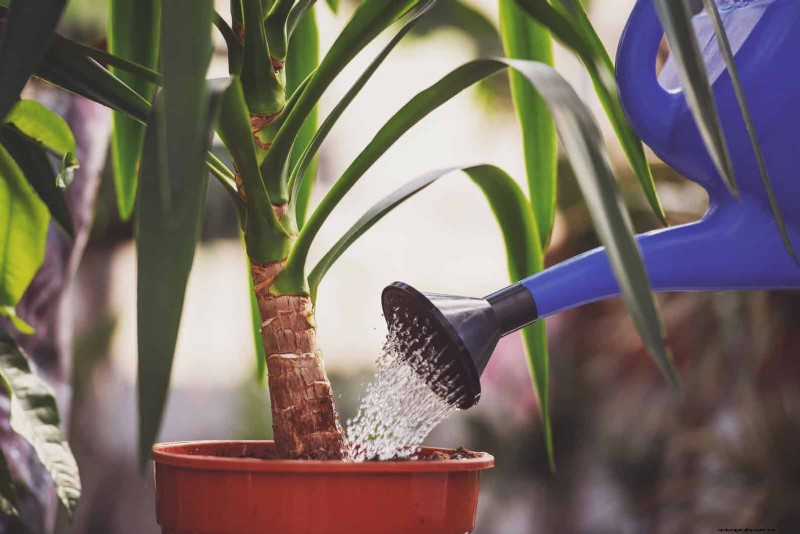
Getting your watering routine right takes some practice, but the results are worth it. Healthy plants with strong root systems will reward you with vibrant growth, more flowers, and better resistance to pests and diseases. Small adjustments to your watering habits can make a huge difference in your garden’s success.
Remember that observation is your best tool. Take time to understand each plant’s needs and how they respond to your care. With thoughtful watering practices, you’ll create a garden that thrives through every season while conserving water and saving time.


