
Welcome to Modern Agriculture!

As a proud Zanzibar Gem owner, you understand the importance of proper care for your beloved indoor plant.
One essential aspect of maintaining its health is knowing when and how to repot it.
In this expert guide, we’ll provide the practical steps and professional insights that make repotting a breeze.
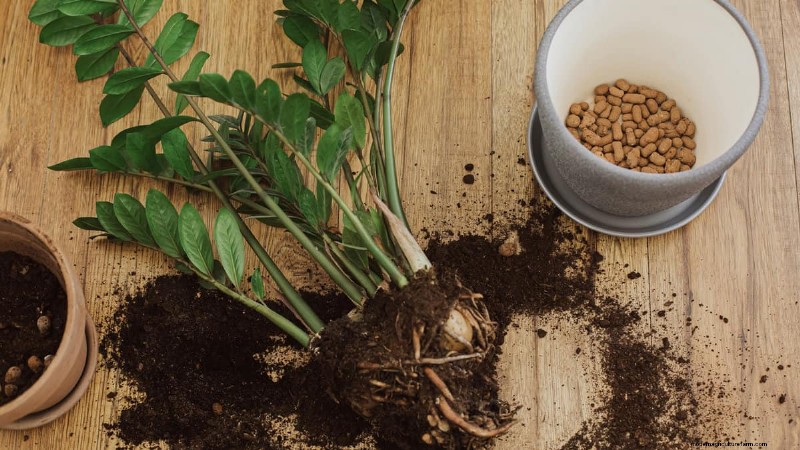
The Zanzibar Gem, scientifically known as Zamioculcas zamiifolia, has earned the nickname “plant of steel” because of its remarkable resilience. Its glossy, dark‑green leaves and thick, water‑storing stems allow it to survive low‑water conditions while still looking striking in any room.
In a typical indoor setting, it grows slowly to a height of 3–4 feet (90–120 cm) and adapts to a wide range of light, from low light to bright, indirect sun. Avoid prolonged exposure to direct sunlight, which can scorch the leaves.
Save this article & instantly unlock today’s gardening deals!
When you notice that the plant’s roots are beginning to outgrow its container—usually every 2–3 years—you should consider repotting.
Key indicators include:
Roots pushing against the pot walls or emerging from the drainage holes signal that the plant needs more space.
A sudden slowdown in new leaf production often means the plant is root‑bound.
Over time, potting mix can lose nutrients and become compacted, mandating a fresh, well‑draining medium. Yellowing leaves, wilting, or root rot can result if left untreated.
The Royal Horticultural Society recommends repotting during the plant’s active growth phase—spring or early summer—so it can quickly adjust to the new environment.
Use a high‑quality potting mix suitable for African violets or tropical plants, and layer the bottom with a few inches of well‑draining material such as perlite or coarse sand.
Water the plant a few hours before repotting; this makes the soil easier to loosen.
Tip the pot sideways, grip the base, tap the bottom to loosen soil, and slide the plant out carefully, supporting the root ball.
Place the plant in the new pot, spread roots, add soil to level with the rim, and avoid over‑packing to protect root health.
Water well, then allow excess to drain. Position the plant in bright, indirect light and monitor soil moisture for the first few weeks, keeping it moderately moist—not soggy.
After the adjustment period, resume your regular care routine.
Watch the step‑by‑step video below.
While ZZ plants are low‑maintenance, a practical guideline is to repot every 2–3 years or sooner if you observe signs of slow growth, root protrusion, soil compaction, or yellowing leaves.
Bright, indirect light is ideal. Place near a window with filtered sunlight, or in a spot that receives morning or late‑afternoon sun.
Water only when the top inch of soil has dried. This typically translates to once every 2–3 weeks in most homes.
Keep between 65 °F and 79 °F (18 °C–26 °C). Avoid cold drafts and sudden temperature swings.
Use a pot with drainage holes and a well‑draining mix—standard potting soil mixed with perlite or sand works well.
Having the right tools and following these steps will keep the repotting process low‑stress for both you and your plant.
Handle roots gently to prevent damage that could stress the plant.
With patience and attention, your Zanzibar Gem will thrive in its new container.
For more ZZ‑plant care insights, read:
Best Fertilizer For Eternity Plant (ZZ Plant) – And How To Use It
How Often To Water Zanzibar Gem: Perfecting Your Watering Schedule
Written by
Shane Desuasido
Shane Desuasido is a content and copywriter with over 10 years of experience writing about diverse topics, specializing in technical writing for the gardening industry. Her background in e‑commerce and social media management complements her expertise in crafting engaging, informative content. Shane is also a passionate advocate for animal welfare and environmental sustainability, and she promotes eco‑friendly gardening practices in her work.
Meet the GardenTabs team →

Editorial oversight
GardenTabs content is reviewed by Steve Snedeker, a seasoned gardener with decades of hands‑on landscaping experience.


