
Welcome to Modern Agriculture!


Evergreen Seeds is your trusted ally in gardening. We provide solutions to common problems, advice on garden design, and insights into plant care. Join our community and share the joy of gardening.
Latest posts by Evergreen Seeds (see all)
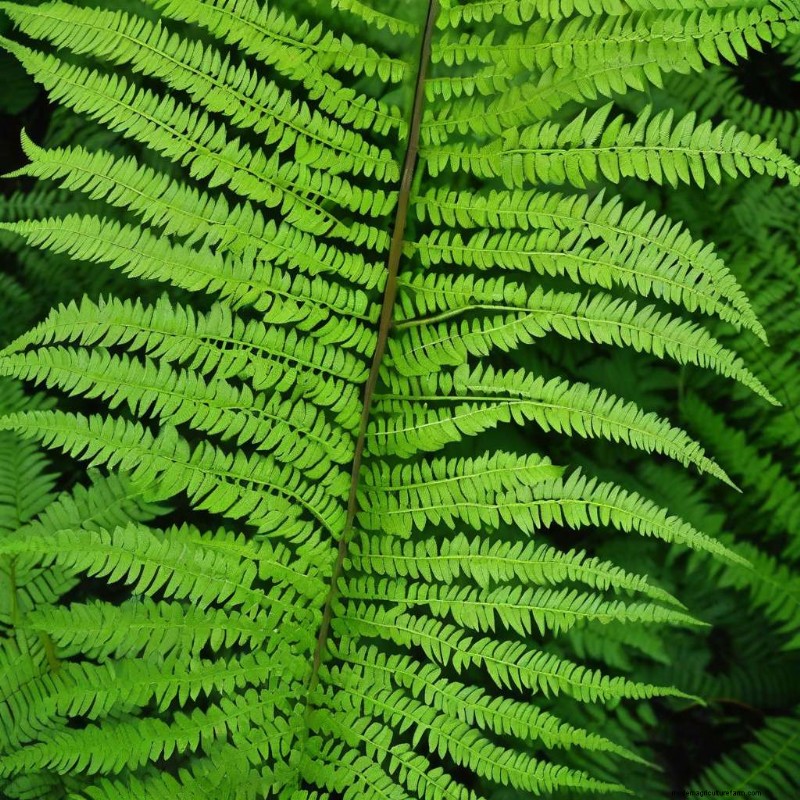
Ferns are prized for their lush, green foliage, but their delicate fronds can quickly turn yellow or brown if not given the right lighting. Understanding fern light requirements is essential for healthy, vibrant growth.
Ferns thrive in low to moderate light environments, not mandating direct sunlight. The key is 2‑4 hours of indirect or filtered sunlight, which mirrors the misted shade they receive in forest understories.
| Light Condition | Description |
|---|---|
| Low Light (2‑4 hrs) | Shade tolerant, must not receive direct sun. |
| Partial Sun (2‑4 hrs) | Bright indirect light is ideal. |
| Direct Sun (2‑4 hrs) | Can scorch fronds; avoid. |
Different fern species vary in their tolerance. For instance, the Boston fern can handle slightly brighter conditions, while the Maidenhair fern requires deeper shade.
• Too Little Light: Leggy growth, weak structure, pale fronds.
• Too Much Light: Yellowing, browning, or scorching of fronds.
Place ferns near a north‑facing window for gentle, indirect light. If you lack a suitable window, position the plant 2‑3 feet from an east or west window to avoid direct rays. In low‑light rooms, supplement with full‑spectrum grow lights to provide 12‑14 hours of light per day.
Observe your fern’s fronds: vibrant, deep green indicates proper light, while yellowing signals excess or insufficient light. Adjust placement or supplement lighting accordingly. Consistency in light cycles—mimicking natural dawn and dusk—promotes healthy development.
• Placing ferns in bright, direct sun.
• Ignoring seasonal light changes.
• Using weak artificial lights that lack full spectrum.
Low to moderate light with 2‑4 hours of indirect or filtered sunlight.
No—direct sunlight can scorch and brown fronds.
Healthy fronds are deep green and vibrant. Yellow or pale fronds indicate too much or too little light, respectively.
Yes—full‑spectrum grow lights are ideal for supplementing natural light.

![Best Evergreen Edging Plants for Garden Borders | [Year]](https://modernagriculturefarm.com/article/uploadfiles/202211/2022111620132510_S.gif)
