
Welcome to Modern Agriculture!

Ancient grains are making a comeback, aligning culinary trends with gardening practices. For millennia these crops sustained whole societies before industrial agriculture narrowed our diets to just wheat and corn. Today, they reappear on gourmet menus and in seed catalogs simultaneously, offering both striking aesthetics for borders and reliable, nutrient‑rich yields.
Power‑grains excel in resilience and ease of cultivation compared to many hybrid vegetables. Their heat‑tolerance, soil‑unfearing nature, and low maintenance make them ideal for blending edible and ornamental functions. Incorporating these dual‑purpose grains lets you fuse a productive kitchen garden with a visually striking border, experimenting with height and color while reaping exceptional crops.
These crops suit diverse climates and propensities, making May an optimal sowing window for hardy, high‑impact plants. Seeding them now promises not only abundant harvests but also a landscape that dazzles from seed to plate. From high‑altitude staples to sun‑baked resilience, there is an ancient grain here that can help you create beautiful and edible borders. Let’s get started.
Integrating ancient grains into a modern garden is surprisingly simple. Most thrive in the same conditions as summer annuals—full sun, well‑drained soil, and minimal fuss. Their natural drought tolerance makes them perfect companions for zinnias, sunflowers, or marigolds, while their tall, structural presence can serve as living screens or windbreaks.
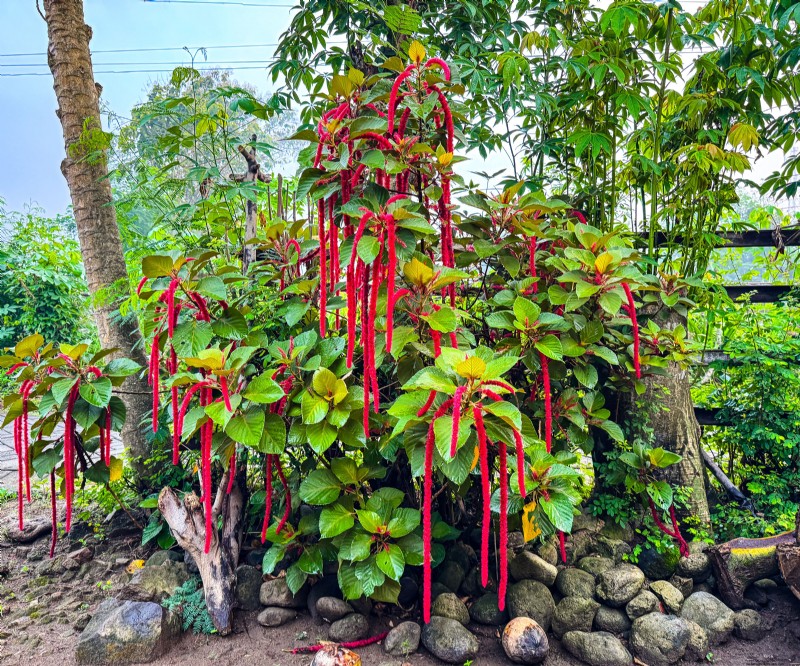
(Image credit: Elwimina Nurjanah / Getty Images)
Whether you’re in a northern USDA zone with a shorter growing season or the humid south, sowing now ensures robust establishment and seed heads by mid‑to‑late summer. A light organic mulch or balanced fertilizer can help plants reach their full height—some towers to 8 feet (2.4 m). Use taller grains to frame pathways, while airy, plume‑bearing varieties soften edges.
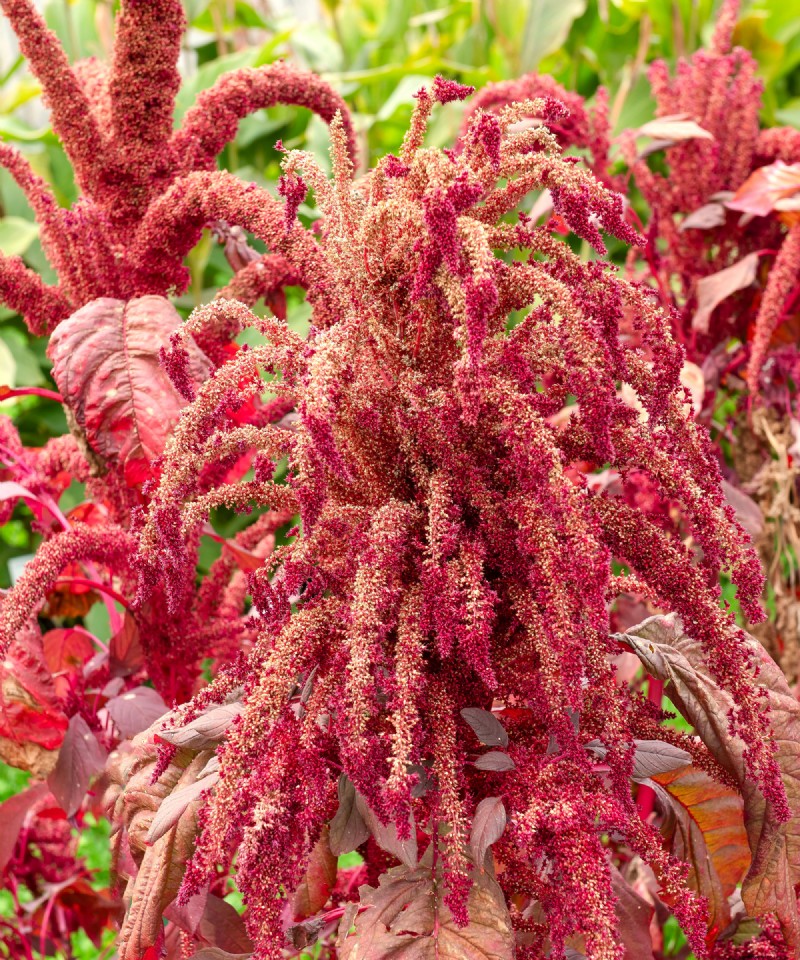
(Image credit: Serhii Zarev / 500px / Getty Images)
Amaranth’s striking weeping tassels earned it a Victorian nickname: “love‑lies‑bleeding.” Today, its seeds are a protein‑rich superfood, high in lysine, and can be popped, ground into flour, or cooked whole. Seed heads bloom in deep burgundy, molten gold, and lime green, extending 2‑3 feet (60‑90 cm) and pushing plants to 6 feet (1.8 m).
Plant in full sun with poor to average soil; excess nitrogen favors foliage over seed heads. Once established, amaranth tolerates drought, but early staking keeps it upright during late‑summer rains. Harvest when seed heads loosen and pop easily between fingers. Varieties such as “Hopi Red Dye,” “Golden Giant,” “Red Garnet,” and “Hot Biscuits” are available at Eden Brothers and Seedville USA. Grow in zones 2–11 as an annual.
Sign up for the Gardening Know How newsletter and receive a free e‑book, “How to Grow Delicious Tomatoes.”
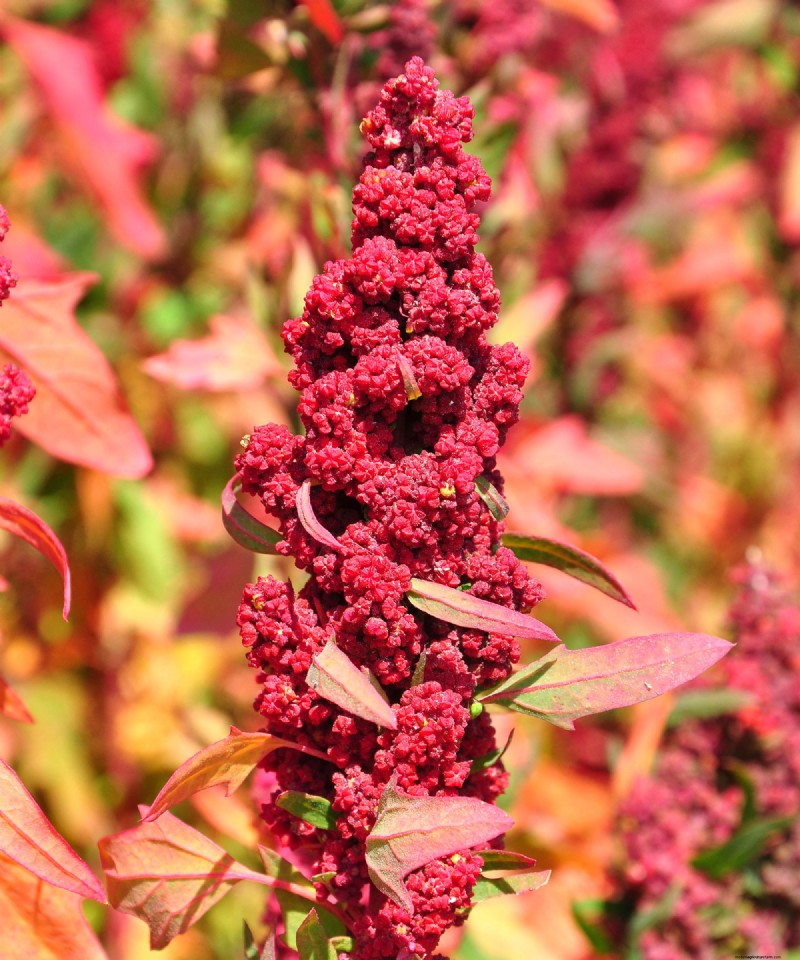
(Image credit: Robert Biedermann / Alamy)
Originating in the high Andes, quinoa thrives in cool summer nights and cooler days, preferring temperatures below 95 °F (35 °C). When those conditions are met, quinoa blooms in neon pinks, oranges, and yellows, turning the plant into a living work of art. Rich in organic matter and well‑drained soil, it is a complete protein source for vegetarians.
Quinoa’s seeds are coated with saponins, which deter birds; rinse thoroughly before cooking. Look for vibrant “Brightest Brilliant” or “Cherry Vanilla” seed varieties. “Cherry Vanilla” seeds are available on Amazon.
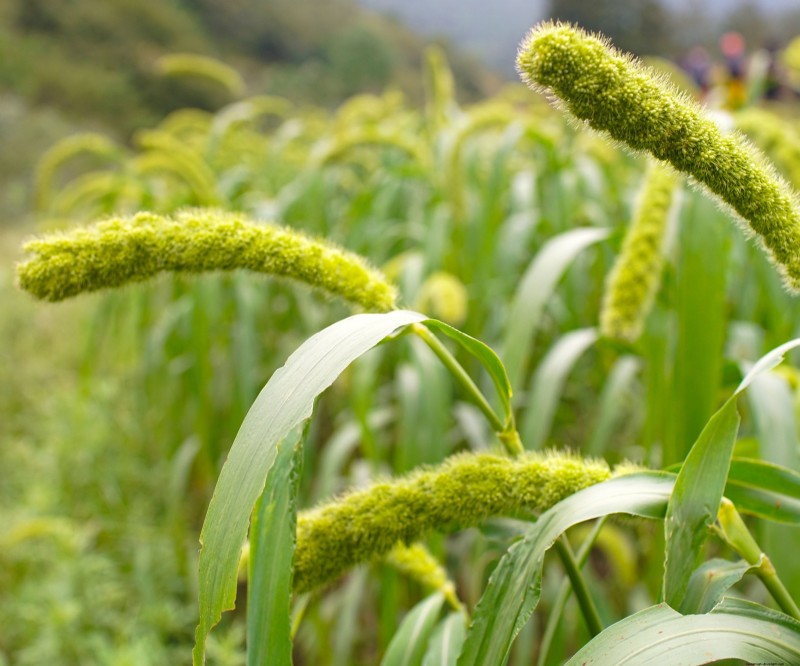
(Image credit: Yaorusheng / Getty Images)
Pearl millet, a sub‑Saharan African staple, is built for heat and sandy soils. It is often grown as a cover crop, turning harsh conditions into rapid growth. Ornamental varieties like “Purple Majesty” feature dark foliage and dense spikes, while grain‑producing cultivars reach up to 5 feet (1.5 m). Its pest‑free nature and low water needs make it a low‑maintenance star.
After sowing, a touch of seaweed fertilizer such as Neptune’s Harvest Fish & Seaweed Fertilizer (Amazon) supports root development. Harvest spikes as they turn golden‑brown, or leave them for winter bird feeding. Pearl millet seeds can be purchased from Walmart’s CZ Grain line.
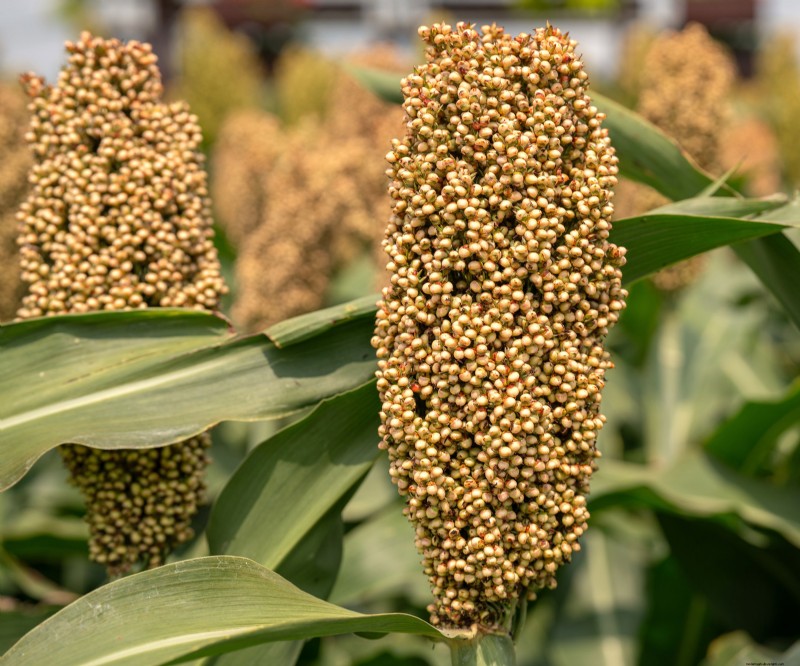
(Image credit: SZJphoto / Getty Images)
Sorghum offers more than grain; its stalks can be popped, its flour is silky and gluten‑free, and its sweet varieties yield syrup. It tolerates heat and drought, growing 6‑8 feet (1.8‑2.4 m) tall. Its broad leaves and textured seed heads are prized in dried floral arrangements.
Plant seeds 1 inch (2.5 cm) deep after the last frost, and mulch the base to retain moisture. “Tarahumara Popping” sorghum provides a fun snack crop, while “Black Amber” offers a dark, dramatic head for borders. Seeds are available from Thresh Seed’s “Dale Sugar” line on Amazon.
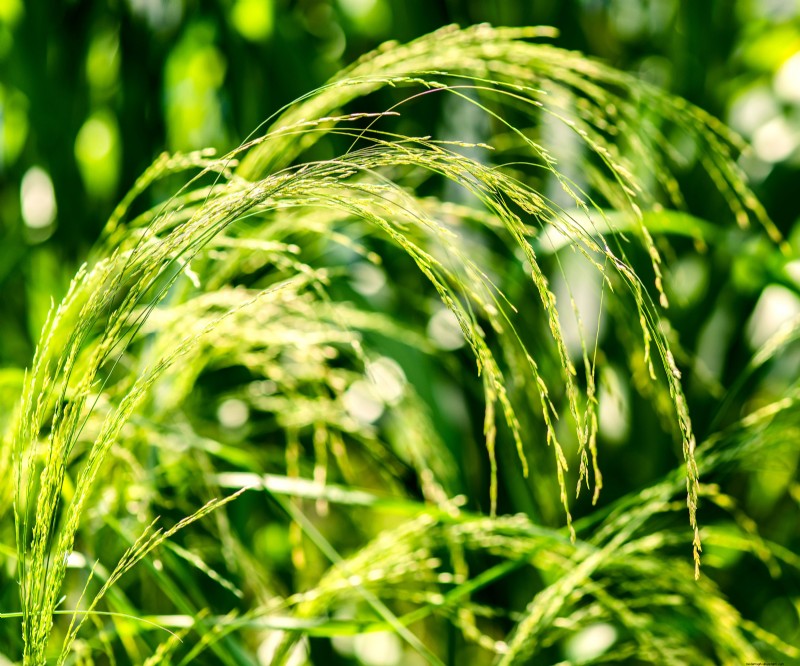
(Image credit: Umbertoleporini / Getty Images)
Teff, the tiny grain behind Ethiopian injera, grows 2‑3 feet (60‑90 cm) tall and produces airy panicles that shimmer in the light. It is ideal for the front or middle of a border, adding a meadow‑like softness.
Teff is a warm‑season annual that tolerates mild dry spells. Harvest by shaking dried heads over a tarp; the seeds are packed with calcium and iron. Country Life Organic Teff seeds are sold on Amazon. Grow in zones 2–11 as an annual.
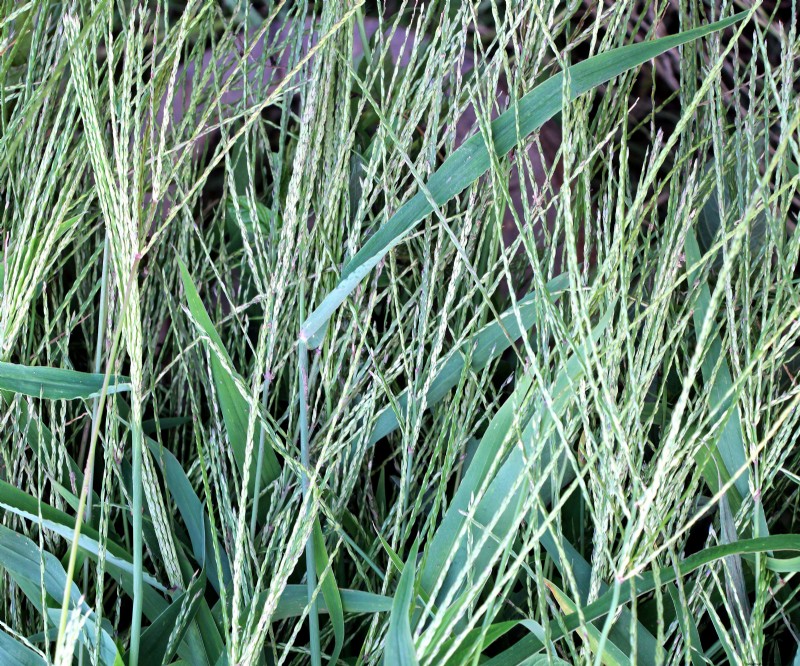
(Image credit: Orest Lyzhechka / Getty Images)
Fonio, a West African grain, matures in just 60‑70 days, making it perfect for short seasons. It thrives in poor, sandy soils and needs minimal fertilizer—just a pinch of Dr Earth Organic Starter Fertilizer (Amazon) at planting.
Gluten‑free and nutty, fonio’s seeds taste like a cross between couscous and quinoa. Its rapid growth and low profile make it a conversation starter for adventurous growers. Fonio seeds are available on Etsy, and it is a resilient annual in zones 2‑11.
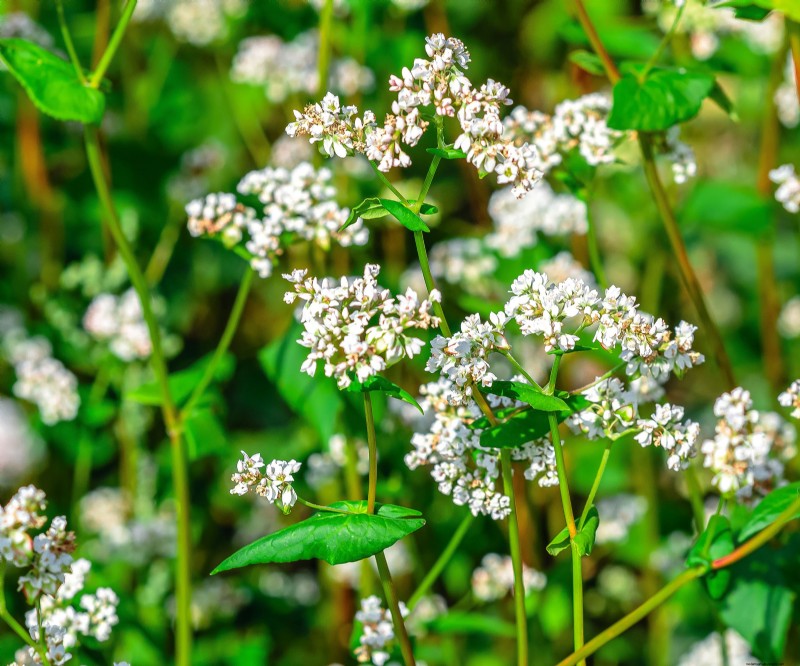
(Image credit: TodayDesign / Getty Images)
Buckwheat, a pseudocereal related to sorrel and rhubarb, is a cool‑season lover that can be planted whenever a 70‑day window of mild weather is available. It shades out weeds with its heart‑shaped leaves and attracts honeybees with white flower clusters.
Harvest 70‑90 days after sowing; the triangular groats can be toasted into kasha or ground for noodles. Its deep roots improve soil structure, making it an excellent cover crop. Buckwheat seeds can be found at Eden Brothers. Grow in zones 2–11 as an annual.
Whether you seek the architectural drama of pearl millet, the neon‑bright seed heads of quinoa, or the tassel‑laden hues of amaranth, these grain‑tastic crops deliver nutrition, flavor, and visual impact. Browse the selection below to add texture and color to your beds and borders.
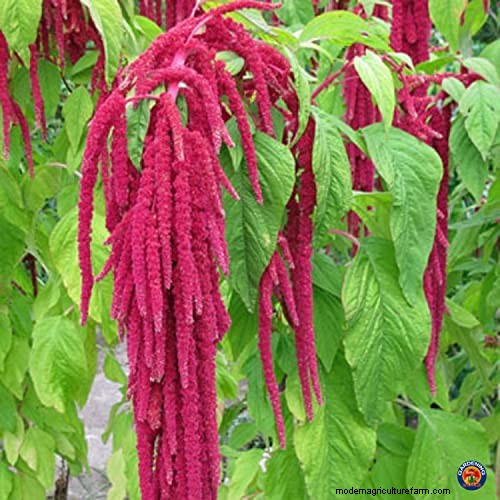 Magenta Massive
Anon Heirloom
Love Lies Bleeding Heirloom Amaranth Seeds
Capable of reaching 8 feet (2.4 m), this heirloom turns heads with its rich velvety tassels. The seeds are high in protein and can be popped like corn.
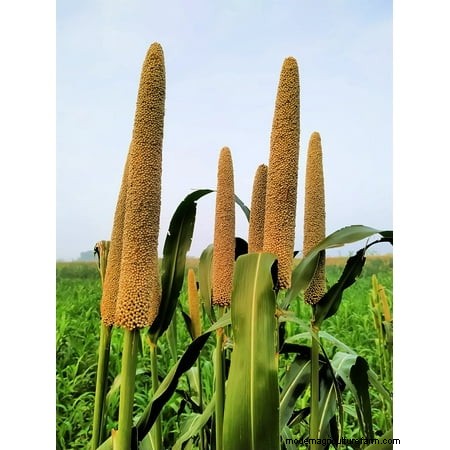 Architectural Accent
CZ Grain
Pearl Millet Seeds For Planting
With its deep foliage and upright cattail spikes, this versatile millet thrives in hot summers and provides a sweet, earthy grain for birds and humans alike.
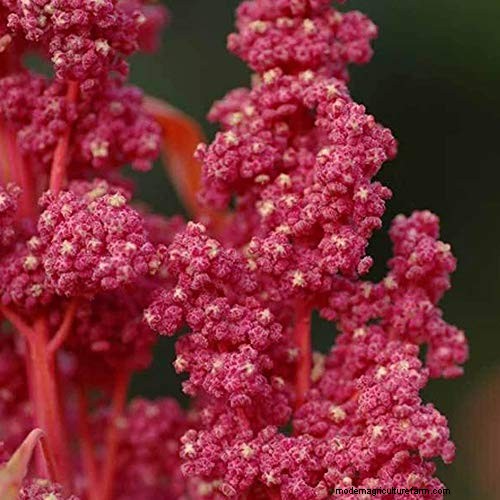 Sunset Chic
Sustainable Seed Company
Organic Red Head Quinoa Seeds
This lush quinoa variety offers a riot of fuchsia and gold seed heads that look like a floral masterpiece while producing a heavy crop of complete‑protein grain.
Need more ideas for timely gardening jobs and seasonal expert advice delivered straight to your inbox? Sign up for the free Gardening Know How Newsletter!


