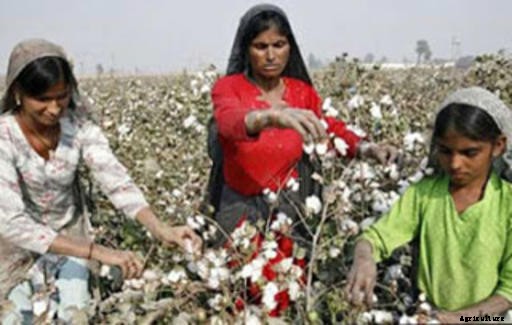
Welcome to Modern Agriculture!

Cotton is the major fiber and non-grain crop in Pakistan and it contribution is 1.6% in GDP of Pakistan. BT-cotton varieties have been developed in the last decade which are high yielding and insect resistant.
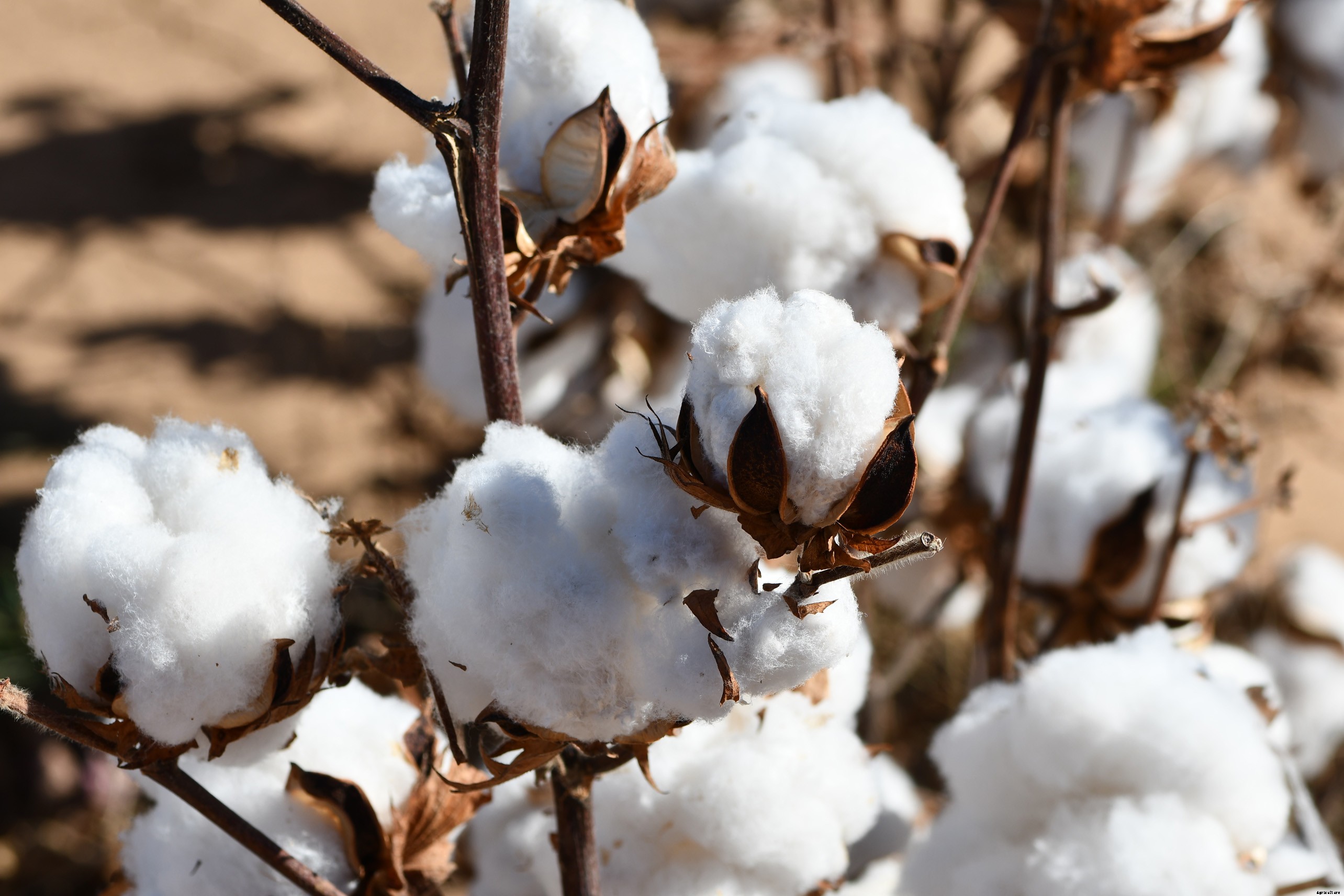
The BT-cotton production technology as per the government agriculture department in Punjab is given as under.
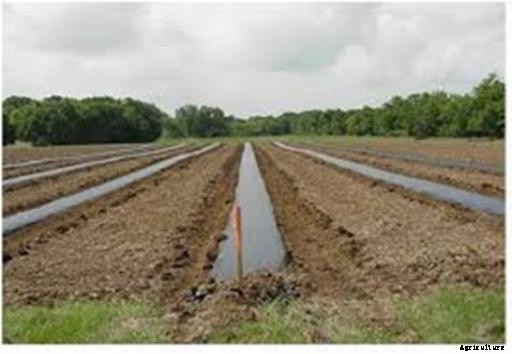
Seedbed preparation is the most important phase for the successful yield from a land. The soil selected for the cultivation for cotton should be well prepared before sowing the seed. The soil should be porous in nature and allow root penetration for normal plant stand. The residues of previous crops should be mixed well in the soil with some rotavator, disc plough or some other plough. Seedbed should be prepared through deep ploughing followed by laser land levelling. The soil should have good water holding capacity and there should be no hard pan in the subsoil layer. In case of green manure crops, the crop should be ploughed into the soil 30 days prior to seed sowing of cotton and the field should be irrigated after 10 days of ploughing. To aid the decomposition process, half bag of urea should be mixed during ploughing.
The time of sowing is very critical for a healthy crop stand. It is usual practice among farmers to sow cotton after the harvest of vegetables or when the field is fallow or early sowing is done to avoid virus attack. The important thing is to avoid the low chilling temperatures because cotton favors hot summer temperature with no frost. In case of temperatures as low as 15o C, there are possibilities of fungal attack which can destroy the crop at seedling stage. So the minimum temperatures at the time of sowing should not be less than 20o C. The selection of the variety, BT or other should be made depending upon the previous year’s cropping history.
Note: At the time of sowing the field with BT cotton varieties at least 15-20% traditional cotton varieties should also be sown along the BT cotton varieties so that the pests does not break the resistance level of BT varieties. In case of two varieties sown together, spray pesticides at when the pests’ population reach economic threshold level.
The time of sowing for different BT cotton varieties in Pakistan is varying from 15 April to 15 May.
The seed rate for a particular variety should be according to the package label of seed. Healthy, certified and treated seeds should be obtained from trusted sources.
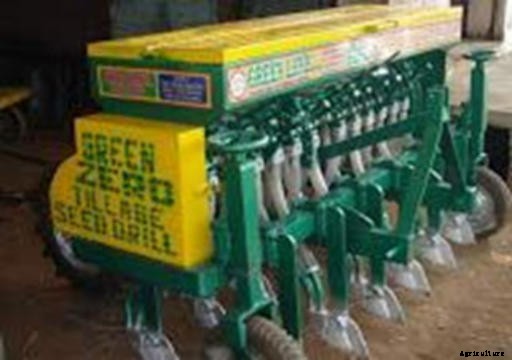
Seed drill should be used. With the drill, the recommended row to row distance is 2-2.5ft and plant to plant distance is 12-15 inches. The seed should be drilled to a depth of 2.5 inches in ground. After the first irrigation of field, the alternate seed rows are earthen down with soil (make furrows and ridges). This practice helps to reduce water consumption 30-40%. Other benefits include, good management of weeds, cotton plants of same height, no. of plants per acre is good, and this practice also facilitates other cultural practices in the field like spraying pesticides. Second irrigation should be given 3-4 days after first irrigation of field.
For sowing by hands, the field should be made into furrow and ridges, then irrigate the 6-7 inches deep furrows. After irrigating the field, sown the seeds by hand at a height of 1 inch from the standing water level of the field. If gaps are left in the field, they should be filled with next irrigation. The furrow method of sowing has same benefits as mentioned with the seed drill method.
Sowing by hands is helpful in reducing the seed used for sowing. The numbers of plants per acre are good and the practices like spraying and weeding can be done with rain or irrigation water in the field. Proper crop growth is achieved.
MG-6, Ali Akber 703, IR 370, Sitara 008, Neelum 121, IR 1524, FH118, FH142, IUV 222 and A 555
FH 118, FH 142, MNH 886, BH 178, VH 259, FH 114, BH 167, MNH 129
Fields should be irrigated according to the soil fertility, method of sowing, stage of crop and water requirements of the crop. The signs of water deficiency are first visible on the upper bank of the field, which include bluish appearance of leaves, the internode distance decreases in the upper branches of the main stem, white flowers at the top, reddening of the upper part of stem and roughness of leaves at the top. The field should be irrigated before these signs are visible to avoid loss in production.
In case of row cropping, first irrigation is given after 30-35 days of sowing and later after a gap of 10-12 days. And in case cotton-wheat cropping system, last irrigation should be given till 10 October.
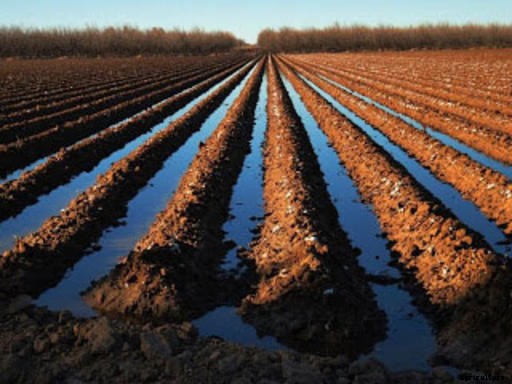
In case of furrow beds, first irrigation is at 2-4 days of seed sowing, second after 6-9 days and subsequent irrigation should be given at 15 days interval.
Irrigation scheduling should can be changed according to the prevailing weather conditions.
Phosphorus, zinc, boron and potash should be completely given at the time of sowing.
Nitrogen should be applied in 6 splits. First, with sowing, 2nd after 30-35 days of sowing and later nitrogen dose should be given at the gap an irrigation each.
Split nitrogen in 4 doses.
First dose with sowing, 2nd after 30-35 days of sowing, 3rd at the formation of floral buds, and 4th at boll formation.
Phosphatic fertilizer should be used mixed with farm yard manure (FYM).
Green manuring should be done to increase the organic matter contents of the field which will be helpful to increase effectiveness of the fertilizer application. It has been found that fertilizer application during evening is more beneficial. In case of viral attack, half bag of urea should be given with initial four irrigations.
Sylepta derogata is also called as the cotton leaf folder. As the name is indicating the pest makes the leaves to roll. The older larvae roll the edges of leaves with the help of silken threads and feed on the leaf tissues after making roll. American cotton is worse affected. It is not a problem in BT Cotton. Like all the other pest of cotton the control of this pest should be planned after the determination of threshold levels. Biological control is considered to be optimum in case of the ideal conditions of temperature and humidity. During harsh conditions, chemical control is only option left. Attack of this pest is less on Native Cotton or Local Cotton.
Pectinophora gossypiella is one of the most destructive pests of cotton crop in Pakistan. It attacks the flowering stage when the female lays eggs on the base of flower. The larvae make a very small hole and move inside the flower. The affected boll fails to open or it opens in a very awkward fashion indicating the attack of pink boll worm. It hibernates in between the seeds and Double Seeds are also the best indication of the damaged seeds. Farmers should avoid the use of Double Seeds that are stuck together by the silken threads of pupal stage of this pest. Cotton sticks serve as the best hiding place for this insect. It is not a problem in BT Cotton.
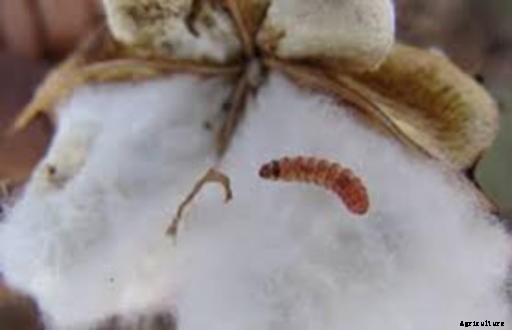
Helicoverpa armigera is also called as the American bollworm and it is an important pest of chickpea and American Cotton. It is a polyphagous insect and is considered to damage a range of vegetable and other crops in Pakistan as well as other countries of South Asia. When it attacks the early stages it hollows the squares from inside and the damaged squares fall on the ground. It directly affects the cotton crop and results in lower yields. When the boll is mature it makes a prominent hole on the boll and results in the damage of the crop. The damage of American Bollworm is not observed in a uniform behavior rather it attacks in patches and affects the crop in patch. It shifts from one boll to another and damages dozens of bolls during life time. Biological control of this insect is the best option but in harsh conditions when biological control is not effective, chemical control serves as the only option for the control of American bollworm. It is not a problem in BT Cotton.
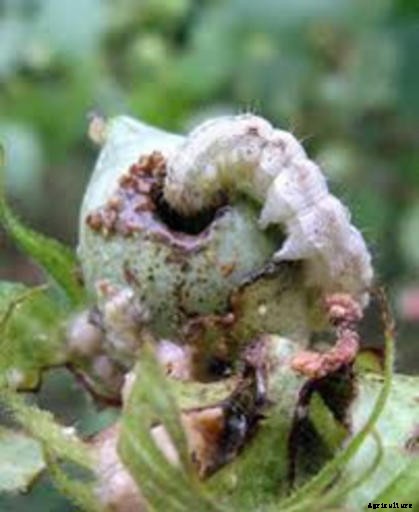
Phenococcus gossypiphilous was first reported in 2005 in Pakistan and in 2006-07 it affected the whole cotton belt of Pakistan. Life cycle of mealy bug is very rapid and it feeds on almost all kind of vegetables and flowers mainly due to the polyphagous habit. It damages the cotton crop by sucking the cell sap and decreasing the plant vigor. It also secretes some toxic saliva secretions that inhibit the growth and disturbs plant metabolism. Sometimes it can also secrete the cottony wax and when the attack exceeds the threshold level honey dew also increases in percentage and so is the sooty mold. Chemical control is not the only solution because the biological control of mealy bug served to control most of the pest population in the Cotton belts of Pakistan. IPM of any insect should focus on all the possible methods and techniques to ensure the discouragement of pest populations in a particular habitat or area.
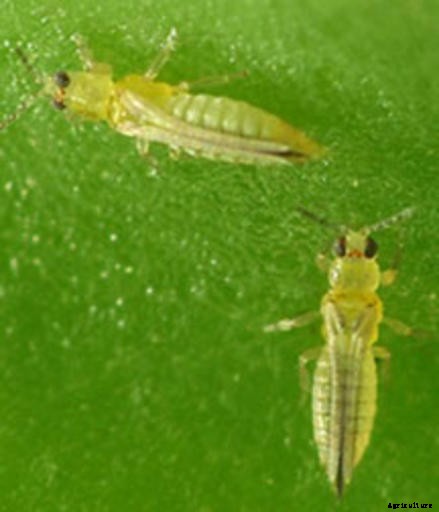
Thrips tabaci is one of the most threatening pests of cotton, onion and garlic. The rasping sucking mouth parts of this insect damages the vegetative as well as the reproductive parts of many crops. In cotton the attack of thrips is greatly observed on the flowers and leaves where it congregates near the base of flowers or the leaves. Most of the farmers get the confusion in determining the attack of thrips. The mode of damage is different as compared to other insect pests of cotton. Crumpled and silvery appearance of leaves is the main sign of the thrips attack on American cotton. Insect Pest Management should be well directed in order to control the sucking as well as the chewing insect pests of cotton crop. In many countries like USA thrips is considered to be the vector of many viruses like the streak virus of peas and yellow spot of pineapple.
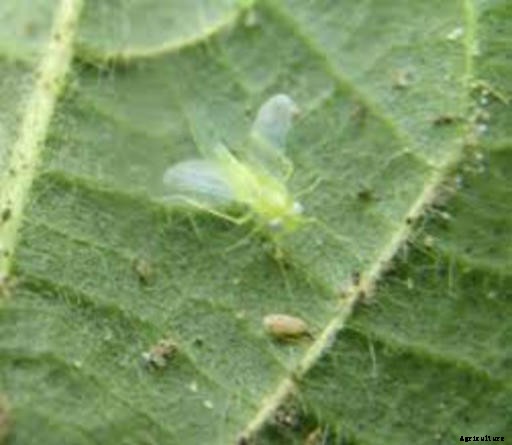
Amrasca biguttula is one of the most damaging pests of cotton crop in Pakistan. Damage of Cotton Jassid is very different as compared to that of other insect pests of cotton. Cup formation of leaves is observed in the peak of its attack. It also secretes the toxic secretions that are passed along with the saliva and the plant metabolism gets a greater shock due to the very presence of this particular insect pest of cotton. It also disturbs the boll formation as the boll formation is reduced after the attack of Jassid. It also affects the ladyfinger crop and also causes a greater damage to the winter vegetables which serves as an alternate source of food when the cotton season is not in progress.
Bemisia tabaci is said to be the most notorious pest of American cotton mainly due to its ability to transmit the CLCV also called as the Cotton Leaf Curl Virus. Mainly this insect pest damages the cotton crop in four ways. It sucks the cell sap and results in loss of vigor. It also injects the toxic saliva that results in a great damage to the cotton leaves. It sucks the cell sap and secretes the honey dew that invites the infestation of sooty mould. Sickly black appearance of the plant results in less absorption of sunlight and the photosynthesis process is adversely affected in one way or the other. Transmission of CLCV is one of the most important damage of cotton whitefly.
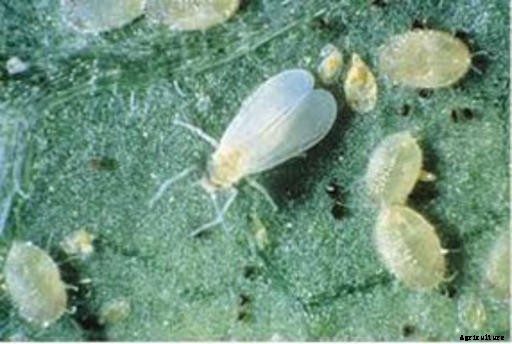
The disease causing virus belongs to Gemini group.
Symptoms: Upward and downward curling of leaves accompanied by small as well as main vein thickenings (SVT as well as MVT) on leaves, pronounced on underside. If a diseased leaf is viewed from beneath against the light, thickened vein found darker green and opaque than the normal. In extreme but not in frequent cases, formation of the cup shaped or leaf laminar (veins) out growth called “enation” appears on the back or underside of the leaf. The newly produced leaves are small, excessively crinkled and curled at the edge. The primary stem often tends to grow taller than normal. The enter-nodes being elongated and irregularly curved but sometimes the whole plant is stunted. The flowers checked in growth and become abortive. Bolls remained small in size and failed to open. All parts of badly hit plants are very brittle and ready broken.
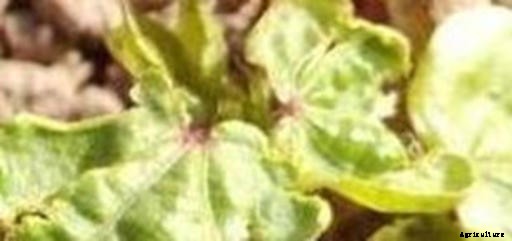
The disease transmitted by feeding of the white fly, Bemisia tabaci within 6.5 hours. A single female, carrying virus can infest many plants. It may also be kept in mind that white fly is known to survive on as many as 53 host plant species, and is responsible for transmitting 23 crop diseases in region. At global level, white fly infests 600 different plant species.
Cause: The fungi Macrophomina phaseoli, Rhizoctonia spp., Fusarium spp. etc. are predominantly isolated from diseased roots.
Symptoms: The disease affects the roots exclusively, causing pre-wilt shedding of leaves, yellowing of foliage, disintegration of root tips, discoloration and shredding of roots, exudation of drops of smelly liquid from the rotted plant parts. Mostly, wilting of shoots occur in only few diseased plants, which ultimately results in the death of entire plant. This disease generally appears, when plants are about 4-6 weeks old and continue up to boll formation. Diseased plants can be easily pulled out of the soil, appears in patches. Roots and root-lets show rotting, yellowing, disintegration and shredding.
Perpetuation: Disease causing fungi are soil borne, hence it may be claimed that both (fungi and soil) factors are responsible.
Cotton bolls in the same fields open at different times. There is a gap of at least 2 months before first and last boll opens. Thus picking should also be done in accordance, at least 2-3 pickings are required to completely harvest the crop. Picking of cotton usually start in September and continues till December or even January. Picking can be both manual and mechanized. The lint from the first and last pickings should be kept separate because the fiber from the last picking is of comparatively low quality w.r.t first one or two pickings.