
Welcome to Modern Agriculture!

This business is perfect for people with a passion for cheese. A shop generate revenue from bulk or individual sales of cheese and other products. To attract a steady flow of customers leverage on quality products, effective marketing and location.
Create strong customer base by offering them a personalized experience, providing quality products and services. An effective strategy is the use of competitive pricing, discounts and cross-merchandizing.
Nonprofit Animal Rescue
Write a cheese shop business plan and carry out a feasibility study. Study your competition prices and products. Estimate initial startup costs, target market, profit and loss. Buy quality equipment, ingredient and hire experienced staff. The target market are food enthusiast interested in culinary experience.
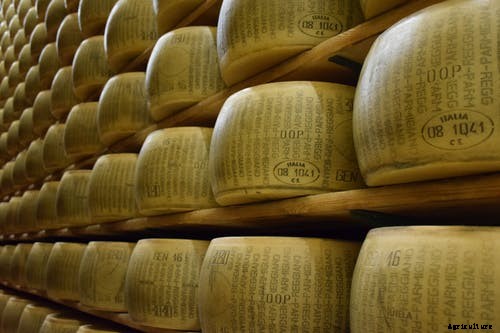
You need to offer your customers competitive prices, free tasting. Offer quality products good decent cuts, good storage equipment. Stock the shelves with different choices and sell in bulk to restaurants in your locality.
You need a good location, dedicated staff, use quality ingredients. You need to establish your web presence, define brand, get insurance cover and obtain necessary permits. Others are open a business account, form a legal entity, register for taxes, do proper accounting.
Learn the trade as an apprentice, work in a cheese shop. Read books, try online courses or find a mentor.
There are different types of cheese to make in the shop. Popular cheese are Brie, Cheddar, Blue cheese, Feta. Others are Ricotta, Butter, Chevre, Gouda, Mozzarella and Camembert.
There are many equipment needed to run a cheese shop. Supplies are cheese press, wrapping paper, cheese cloth, cheese molds. Others are utensils, thermometers, warmers, vats, gloves butter press. More include waxes, brushes, containers, boxes cheese serving products.
Presses are Dutch cheese press, butter press and spring loaded press. Kits to consider are Chevre, butter, feta and mozzarella kits. You have standard and delux kits. Others are hard and soft cheese kits, camembert, brie, blue kits.
Cheese making ingredients to store in your shop are yeast and lipase. Others are cultures, rennet, yogurt, tea, kombucha and kefir. More include chai, natural honey and additives, rennet.
Increase income by cross-merchandizing to complement cheese stock. Include items like honey, bread, crackers, nuts and informative books on cheese. Network with local restaurants and sell cheese in bulk.
A cheese shop will make significant profit based on the inventory sold. Cheese producers make from 35% to 100% profit margin.
Lease a shop in a location with lots of vehicular and human traffic. A permit is needed for major renovation including a certificate of occupancy. Find a location in an urban area or close to residential households. The shop should have adequate utility and parking.
Print a business card, flyer, billboard and banners. Place a large signboard in-front of the shop. Build a website or blog or contact local food bloggers. Use guest blogging, promotions, discounts, television advertisement.
To maintain personal asset protection register the business as a limited liability company. Then open a bank account for the business. Apply for tax identification number, local licenses and permits.
Apply for a business credit card and use different payment services. Accept cash, use PayPal, accept credit cards use POS machine.
The business is practicable as a one man show. However one or two staff are needed to reduce workload and attend to customers. Choose staff members with experience or passion for the business.
A cheese shop requires lots of equipment, good location, advertisement. An entrepreneur can secure funds from commercial lenders like microfinance bank, commercial banks.
To access bank loans you need guarantors, collateral like landed property or vehicle. Other bank conditions are opening a business account and providing 1/3 of desired loan.


