
Welcome to Modern Agriculture!

Introduction
The product and farming system determines the type of farm. Eggs or bird meat requires stocking poultry like chickens, duck, turkey, quail even ostriches. Products that arise from poultry include eggs, feathers, meat. Other milk from diary cows, meat sources like goat, sheep, pig, cattle.
Crop farming involves production of seeds, different types of crops or trees. Product are fruits, vegetables, rubber sap, wood, numerous bye-product.
Nontraditional classification is extended to aquaculture like fish farming, pearl culture, worm farming, and mushroom growing. Determinants for investors are trends, market, methodology, practice, size, hosts or culture.
Types of Farmers
There are different types of farmers based on the produce. We can categorize them into two broad sectors. There is the arable farmers who cultivate crops for commercial consumption and livestock farmers.
Crop cultivation includes edible fruits, vegetables and commercially viable trees. Livestock is broad based covering disciplines like animal husbandry or aquaculture. Other considerations include production of bye products such as bags, shoes, tables, leather.
Types of Farming
Farming Systems
We have commercial farming growing of seed, pastoral involves animals. Mixed encompasses both animals/crop farming and arable for crops. Extensive for low capital or labor, intensive involve moderate capital high labor. Others are nomadic farming which is self-explanatory movement to different areas, sedentary fixed in a permanent place.
Things to consider in crop farming
Crop farming includes planting, fertilizer, spraying and an effective drainage system. You need fuel, pay labor, ploughing, soil, harvesting and waste material.
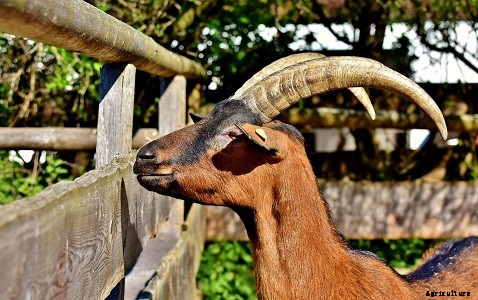
Animal
Animal husbandry requires shearing, milk production, egg production, handling waste products. Others are feeding, medication, breeding, shelter
13 Major Types of Farming
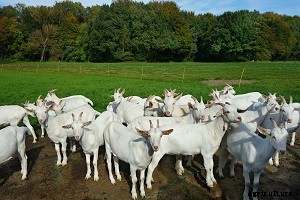
Mixed
Mixed combines both livestock production and crop. Livestock involves cattle, buffalo, free range poultry of about 20% of the output.
Extensive and Intensive
Intensive produces good output based on the deployment of huge capital resources and labor. While extensive relies on huge land mass to increase output.
Dry and Diversified
Dry is when a farmer produces crops in low rainfall area. To produce they introduce different water sources to feed the crops such as dams, lakes, wells, boreholes. A diversified farmer produces diverse products for the market to generate income. In this form no particular product is primary to the next and each account for the overall sales and income.
Cooperative
Cooperative system is the ownership of the business by many members. The profit generated is distributed to members based on share of capital, land or labor. Types of cooperative farming are collective ownership, tenant ownership, join ownership, individual ownership structures.
Collective
A management committee oversees marketing of surplus and work allocation .Others include distribution of income generated. The collective farm is possible through the donation of land and livestock of members.
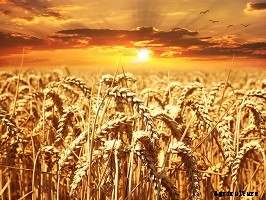
Specialized and State
Specialized farms produce a mono-source of product that accounts for over 60 income is derived. Examples of specialized farms are rice plantations, yam, orange and grapes. A state might get involved in farming by providing the legislature and funds.
Corporate and peasant
A peasant farm is run by a single individual and his family. Most rural farm systems operate the peasant template. The right of ownership is based on shares of each member while capitalist farming involves intensive farming, mechanization and a core investor or investors.
Aquaculture
Aquaculture is not entirely regarded as farming. However domestic production of fish in an intensive or semi-intensive system is now popular. Common fish farmed are tilapia, exotic fish and catfish. They are freshwater fish that requires regular water change and feeding. The growth system are block pond, lakes, earthen ponds, brick ponds, glass ponds.

