Welcome to Modern Agriculture!

Today, let us discuss horticulture farming in India, types of horticulture, the importance of horticulture practices.
Horticulture is the science and art of the production, marketing, and the use of high-value, intensively cultivated plants. Horticultural crops are diverse; they consist of annual and perennial species, edible and ornamental plants.
Horticulture includes a wide range of crops namely, fruits, vegetables, tuber crops, flowers, medicinal and aromatic plants, mushroom, plantation crops, and spices, etc. These crops are grown in varied agro-climatic conditions of temperate, subtropical and arid zones.
Horticulture includes a wide range of tools and technologies. It is a scіentіfіc methodology of cultivation, to make the high crops yield the desired quality. These scіentіfіc methods could be as simple as using tractors for cultivation to deriving fertilizers mixing complex chemicals.
The horticulture has gained importance in recent years as a major component of agriculture in India. The new impetus is given for the development of the horticulture, mainly for growing fruits and vegetables, which constitute an important segment of India Dietary System (IDS). The development of horticulture and securing of a larger share in the export market are emphasized more during the Five Year Plans.
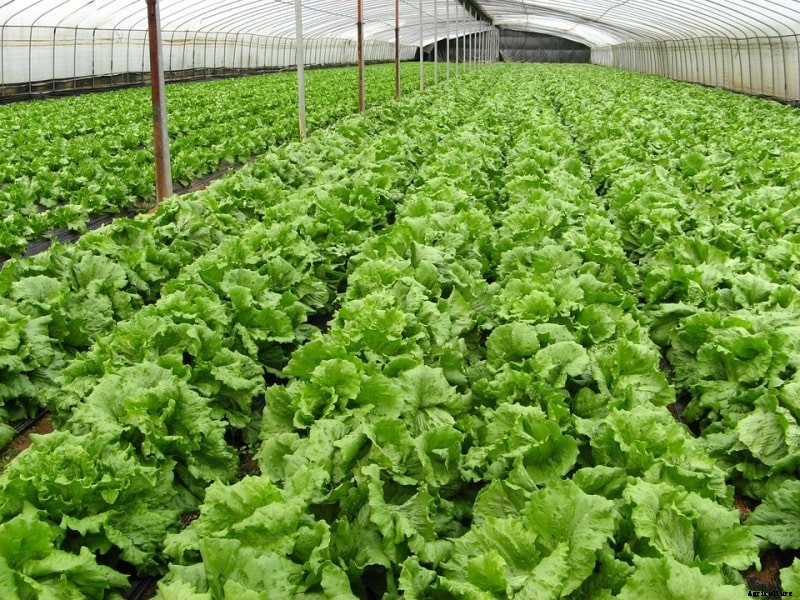
India is one among the several important fruits and vegetables producing countries of the world. India ranks third after China and the U.S.A. in the production of horticultural crops.
Horticultural farming in India promotes the development of natural resources, yields higher returns from land, enhances the land values, creates a better purchasing power among the people and as a consequence adds to the general prosperity.
Scope and business development in horticulture are increasing day by day in India. Floriculture is a part of Horticulture which is a process of cultivation of flowering which is used as a raw material in the production of perfumes and several cosmetics in the pharmaceutical industry. Growing vegetables is the main important part of horticulture, which is very much demanding in India.
Let us discuss the importance of Horticulture;
Below are the factors affecting the scope of Horticultural crops in India;
Amateur Horticulture is an unprofessional sort of Horticulture. It is just growing for one’s self, can be because of domestic cooking needs, or for the sake of one’s interests and іnclіnatіons. Amateur Horticulture is vocational horticulture.
Commercial Horticulture is growing and developing for others and earning living from that. It demands due market knowledge, what consumers need, what are their tastes and preferences, what is available in the market in abundance and what struggles scarcity. Commercial Horticulture is professіonal Horticulture.
In fruits, India is the largest producer of mangoes and bananas and is among the first ten in the production of apples, papayas, oranges, grapes, and pineapples. In vegetables, India is the world’s largest producer of cauliflower, second largest producer of onions and among the first ten in the production of cabbage, green peas, potatoes, and tomatoes. The major fruits grown in India include Mango, Banana, Papaya, Orange, Mosambi, Guava, Grapes, Apple, Pineapple, Ber, Pomegranate, Strawberry, Litchi, etc. and major vegetables grown in India include Onion, Potato, Tomato, Okra, Chili, Brinjal/Eggplant, Green peas, Cabbage, Cauliflower, Carrot, Radish, Turnip, Pumpkin, Squash, Gourds, Cucumber, French beans, etc.
You may be interested in Hybrid Coconut Cultivation; Yield; Varieties.
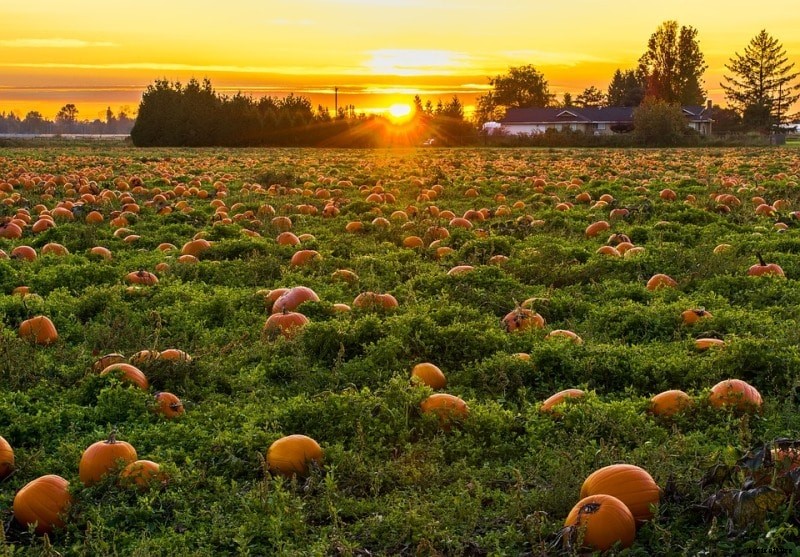
Some of the major Horticulture crops are:
When a plant is made to grow with or without support, in a preferred fashion by removing or fastening some of its parts to give it a better framework or better shape, the operation is called ‘training’.
System of training:
There are mainly three systems of training in fruit trees;
In this system, the main stem of a tree is allowed to develop straight from the ground level to the top, which is called the central axis of the tree. The smaller side branches grow from this central axis in several directions. Such trees grow tall and bear fruits generally near the top. The lower branches, regularly, become less vigorous and bear fewer fruits.
In this system, the main stem of a tree is allowed to develop up to the desired height and the top is headed to induce lateral branches and resulting in a low-headed and open at the center tree. In this system, the sunlight gets to all branches and the crop is borne closer to the ground. It facilitates harvesting and thinning of several fruits, as well as, plant protection operations.
This modified leader system is the modification of the central leader system and the open center system. The main stem grows for a few years, and after some time, lateral branches are induced to produce, which are widely spaced and spread on all sides not as in the open center system. Therefore, the tree is fairly strong and moderately spread, allowing easy orchard management operations.
You should not miss the Red Sandalwood Plantation; Profits; Yield.
Judicious removal of any element of a plant to divert sap towards its producing areas, leading to an improvement in the quality of yield is called ‘pruning’. It is done during the later stage of plant life when it becomes ready to make flowers and fruits. Decayed plant parts can also be pruned off.
Staking is a practice of supporting tomato plants, particularly of indeterminate type, to keep the plants and fruits off ground.
It is an agronomical practice, in which plant seedlings are moved and planted in growing places. In solanaceous crops, seedlings are ready after 4 to 5 weeks of sowing or when they attain the 4–5 leaf stage. Seedlings should be hardened (it is a procedure of withholding watering for 4–5 days to reduce the moisture content and develop a water stress condition) before transplanting them. Solanaceous crop seedlings are transplanted on one side of the ridge bed or in the flatbeds, depending upon the crops or the facilities a grower can provide.
You may also check the Sunflower Oil Extraction Process.
There are several branches of Horticulture, which are as follows;
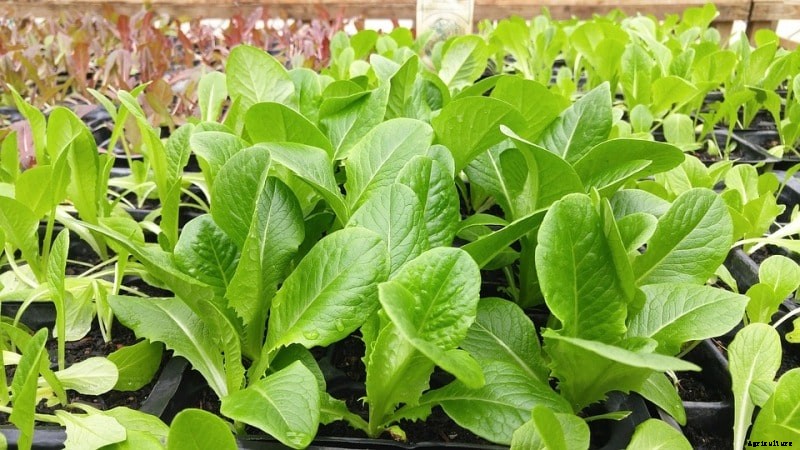
This branch deals with vegetable crops. Vegetables are nutritive food of plant origin which are generally cooked before consumption or eaten raw as a salad. Examples are Cabbage, Tomato, and Fenugreek.
This branch of Horticulture deals with the study of several fruit crops. Cultivation, management and other aspects of fruit crops are covered under this pomology branch. Some examples are Mango, Banana, and Grapes.
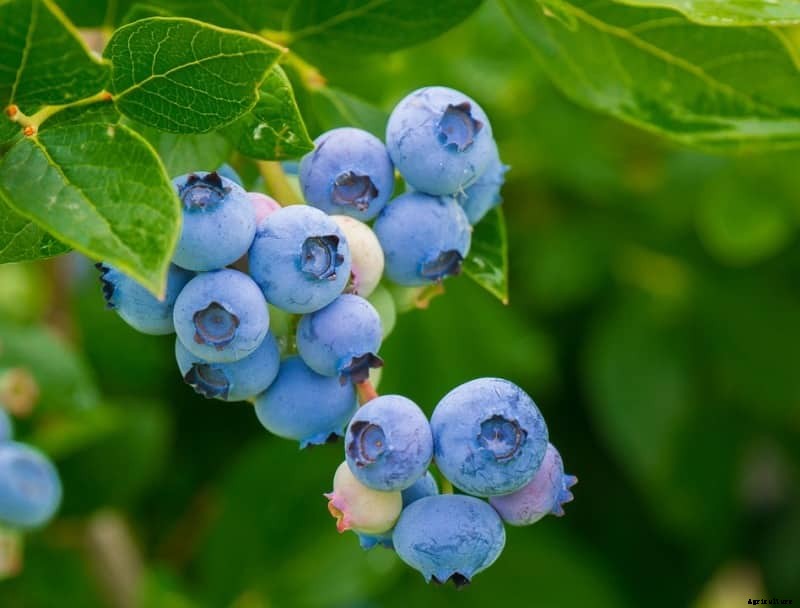
Landscape plants, such as trees, plants, shrubs, turfs, herbaceous perennials, etc. are studied under this branch of Horticulture.
This branch of Horticulture covers with several flower crops and ornamental plants. It includes gardening, landscaping, and beautification of surroundings. Examples are Roses, asters, lily, Cactus, Ferns, etc.
Study of post-harvest handling, marketing, and processing of Horticultural crops are covered under this branch of Horticulture. Post-harvest management of fruits, vegetables, flowers with their storage, marketing and preservation is studied under this Horticulture branch. Examples are the preparation of jam, jelly, ketchup, etc.
That’s all folks about practices of horticulture farming in India. Keep growing veggies and fruits.
You may also like Growing Beans Hydroponically.


