
Welcome to Modern Agriculture!

Running a bait and tackle store is very lucrative and fun. A good aspect of the business is few competitions, pricing. Challenges are similar to any retail store and they operate in a specific demography for sports fishermen, serious anglers and locals. To start write a business plan, find a good location, source funding.
pet bird breeding
The business entails sale of fishing gear, bait and tackle. The store owner maintains live bait in small fish tanks for the fishermen. The store owner offer knowledge of fishing grounds, sell quality products.
They manage the store, operate cash register, and sell products. They make money through the sale of lures, lines, hooks, live bait. The sell assorted items, snacks, food and drinks.
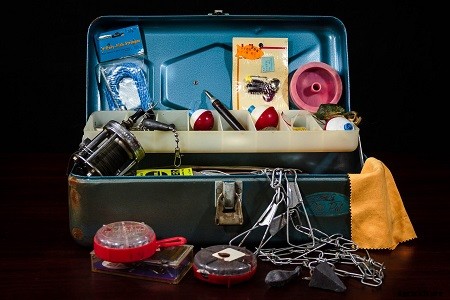
A tackle is a fishing gear or apparatus used for catching fish. Most equipment used by anglers or recreational fishing are categorized as fishing tackle. There are a huge number of equipment to consider for the store.
Pet photography
It is important to determine the type of products to stock. Stock only products applicable to the type of fishing in the area. Types of fishing tackle to include in the store are traps, sinkers, lines, traps.
Others are spears, lures, tackle box, baits, rods, floaters, hooks and fishing reels. Terminal tackle include split rings, wire, beads, spoons, floats. Others are sinkers, swivels, leaders, snaps clevises, spinners.
Fishing lines come in different colors, breaking strength, diameters, buoyancy knot strength UV resistance. Different material used in the construction are polyethylene, nylon, linen dyneema, decron and silk.
Tangle Boxes are made from metal, wood or plastic. Anglers also use fly fish tackle, fish stringers, traps, nets and spears to catch fish
Some entrepreneurs increase income by providing additional services. Depending on the location include boat renting, canoeing, rent fishing apparels, sunscreen lotion. Many operators add a small convenient store, camping supplies, or snack bar. Purchase refrigerator, aerators, fish tank, other supplies.
To establish a bait and tackle store write a business plan. Then carry out a feasibility report and study the competition.
Find a credible source for quality products, good location. Register the business as a limited liability company or sole entrepreneurship. There are also tax considerations, startup funding, staff, and marketing.
Bait and Tackle Store
The operator can start from scratch or leverage on franchise. Franchising is capital intensive but comes with many perks. A franchise will provide training, branding and support for new businesses.
Alligator farming
Write a comprehensive business plan and carry out a feasibility study. Make sure to study the competition, prices and products on offer. The plan should cover initial costs, target market, marketing strategy.
Register the business as a sole proprietorship or limited liability company. Study local government zoning, state and federal taxes. It is important to open a separate account for the business.
Before starting the business obtain necessary permit, licensing, business insurance. Then setup a business accounting software, establish online platform and don’t forget branding.
Learn the trade as an apprentice or find a mentor. There are many resources to help new investors build the store.
Expenses are utility bills, maintain the store. Others are taking care of the live bait for the anglers. Types of live bait to consider are fat head, catfish, snappers, suckers, shiners.
It is possible to run the store alone. However as the business expands hire a cashier, cleaner, security guard. A larger enterprise will require a manager and accountant.
The business is seasonal so it is important to build customer base. Customers are leisure seekers, anglers, locals, professional fishermen.
The best way is to lease a small store with adequate space for expansion. Some stores are located in remote areas close to fishing grounds. Bait and tackle shops are found around lakes, private parks, ocean, piers, rivers. Locating the business close to customer base is very important.
The amount of money needed depends on the business plan. Source funds through personal savings, friends and family. Join a fishing corporative, or apply for long term loans from a micro finance bank. To access loans provide collateral, a third the sum requested and guarantors.
Being a niche business apply aggressive marketing strategy. Use newspaper publications, print and online resources. Print flyers, billboards, signboards, business cards. Support charity works, attend seminars and organize contests to increase patronage.
Cost considerations involve utility bills, lease payment, buying products. Startup is low based on type of products and services rendered. The size, patronage and customer base will determine the profitability. It is possible to make from $40,000 to $150,000 annually.


