
Welcome to Modern Agriculture!

I raised both Tilapia and Catfish together in one pond so that catfish can feed on the Tilapia. Do I need to provide them with any other feed? Find out
I want you to first know that catfish can only feed on Tilapia that are of smaller sizes than they are. So, it is not possible for all your catfish to be able to feed on the Tilapia. Also, feeding catfish on Tilapia only is not balanced.
Your fish will not have the desired energy to have a good size. So, always give the needed feed to your fish. As a matter of fact, Tilapia will also need to feed on something before becoming feed for catfish.
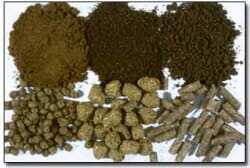
Catfish farmers are able to feed a nutritionally complete diet that provides required levels of nutrients and energy in a readily digestible form. It is essential to provide a complete diet because catfish can synthesize only a small portion of the required nutrients and the quantity of nutrients from natural food organisms in the pond is relatively small. Forty nutrients have been identified as necessary for the normal metabolic function of channel catfish.
Based on current knowledge, a digestible energy to crude protein (DE/P) ratio of 8.5-10 kcal/gram is adequate for use in commercial catfish feeds. Ratios above this range may lead to increased fat deposition and if the energy ratio is too low, the fish will grow slowly.
Catfish feeds contain grain or grain by-products that are rich in starch. In addition to providing an inexpensive energy source, starch helps bind feed ingredients together and increases expansion of extruded feeds so that the feed pellets are water stable and float in the water. A typical catfish feed contains 25 percent or more of digestible carbohydrates.
Lipid levels in commercial catfish feeds rarely exceed 5-6 percent. About 3-4 percent of the lipid is inherent in the feed ingredients, with the remaining 1-2 percent being sprayed onto the finished pellets to reduce feed “fines”. Both vegetable and animal lipids have been used for pellet coating.
Considerable work has been conducted over the last 10 years concerning the level of dietary protein and amino acids needed for cost effective growth. Data from these studies indicate that the dietary protein requirement for various life stages of catfish ranges from about 25-50 percent. Recent studies have indicated that a protein level of 28 percent is adequate for growout when fish are fed to satiation.
Catfish feed are generally supplemented with a vitamin premix to meet dietary requirements and to compensate for losses due to feed manufacture and storage. Catfish feeds are also supplemented with phosphorus and a trace mineral premix. However, there is evidence that supplemental trace minerals may not be need in diets using animal proteins.


