
Welcome to Modern Agriculture!

By FishFarmFeeder
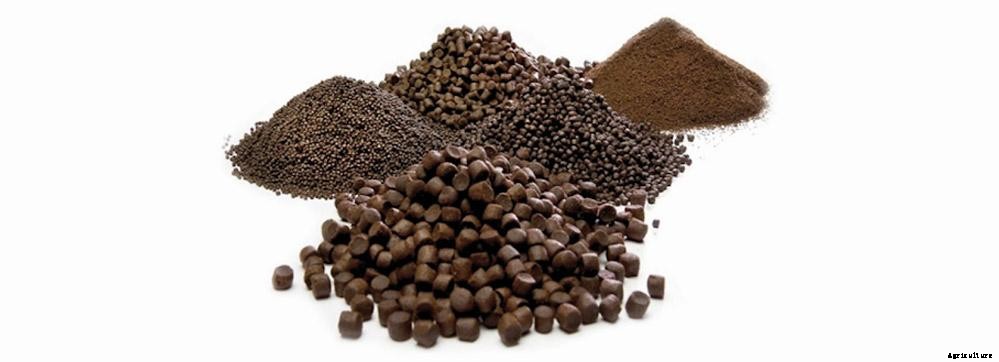
When discussing the implementation of pneumatic conveying systems, the potential breakage of feed pellets by fish feeding seem a very obvious issue, even to an industry newcomer. This issue of pellet breakages exists because pneumatic systems use air to carry the feed through narrow pipes.
While mechanically driven systems used in aquaculture do cause considerable degradation in various parts of the transfer, this article will address this problem by focusing only on pneumatically driven systems.
There are several known factors that contribute to fracture and/or cause dust generation including how durable and hard the feed is, the speed of the conveying air in the pipes and the installation of the piping and other limitations.
Feed durability and hardness
The most relevant aspect of the physical quality of the feed used in fish farms is the susceptibility of the pellet to fragmentation and abrasion; features that are measured by durability and hardness.
If we are to avoid unnecessary pellet breakages, we must also take into consideration the influence of the size and composition of the pellets concerned. Current extrusion or pelletising systems used by aquaculture feed manufacturers are specifically designed to contribute significantly to minimising this potential problem.
Speed of the conveying air in pipes
The air speed at which the feed is driven inside the pipelines, whether in the dense or diluted form, may affect feed breaks or the generation of dust. So which measures do we take if we are going to avoid it?
One such measure is the regulation of the amount of air used in each pipe individually. This also means being able to control the air driven through the pipes based on the amount of feed, the distance to which it must be delivered within the fish farm and the time that is available for it to reach there.
Piping: Installation and limitations
As there are pipes and air that carry the feed from the feeder to the fish tanks, pipe limitations increase the effects of air velocity, which is the most influential factor in pellet degradation. The length, curvature of the pipes as well as the number of joints play an unfavourable role in accentuating the effects of air.
For these reasons the pipes for any automated feeding installation must be selected based on the following parameters:
As important as using the appropriate amount of air in a pneumatic feeding system to avoid breakage of feed in a fish farm, we should also pay the same attention to the installation of pipes.
To this end the pipes connected to the automatic feeder should be installed as straight as possible, sharp angles should be also be avoided, whilst also not being less than 30 times the diameter of the pipe.
The FFF solution to preventing breakage and dust generation
Taking into account the installation of the client's fish farm, the time available to feed fish in tanks and the amount of feed to distribute with an automatic system, FFF design a tailor-made solution aimed at preserving the integrity of the supplied feed.
In order to minimise the dust generated, FishFarmFeeder's pneumatic feeders have the following technological implementations:
If you need any assistance selecting your automatic and pneumatic feeding system, you too can benefit from FFF´s experience. With more than 10 years of automated feeders for aquaculture manufacture experuience, it comes as no surprise that you can find FFF feeders at fish or shrimp farms in multiple countries throughout the world.
Take advantage of their knowledge and capacity to supply automated feeding systems for different species of fish and shrimp, as well as for all stages of fish life cycle common in aquaculture sector: hatchery, pre-grow and ongrowing.
Top of Form


