
Welcome to Modern Agriculture!

Tilapia is one of the most popular fish species raised in aquaponics systems. They are known as one of the hardiest fish that can survive in a wide range of water conditions. They an excellent fish to raise for aquaponics beginners. Caring for tilapia is relatively easy because they are low maintenance. However, while they are easy to raise and ideal fish species for aquaponics, there are factors you need to know in raising tilapia to be successful.
Tilapia is a freshwater fish species native to Africa and has been attracting a great deal of importance in aquaponics. Tilapia belongs to the Cichlid family of fish and is a popular food source because of its mild taste. They are often preferred in aquaponics because of these reasons:
Tilapia is a freshwater fish but can also live in brackish water. They are so tolerant of extreme water conditions that they are often farmed in facilities where other fish will not survive. Tilapia is the second to carp as the most cultured fish, and they are great for beginners in aquaponics because they are easy to raise and can handle different water conditions.
Tilapia can tolerate extreme temperatures of 55° and 96°F for a brief period but dies when it drops lower than 53° F. Their ideal range for their good growth is between 37° - 86° F. They also are immune to pathogens and parasites and can handle stress very well. For their optimum health and growth, their preferred DO is >6ppm, pH is >6, and low ammonia and nitrite levels.
There are three common types of fished and eaten species of tilapia. These are the Nile, Blue, and Mozambique, and these three fish differ in size, shape, and color. Knowing the distinct characteristics of each fish will help you understand exactly what type you will raise in your aquaponics system.

Growth Rate:1-2 pounds in seven months
Feeding: 3 times a day
Diet: omnivorous: phytoplankton, insects, larvae, and vegetables
Waste Produced: heavy waste producer
pH Requirement: 6-9
Temperature Requirement: around 80° F
Nile Tilapia (Oreochromis niloticus) is a fish native to African freshwater habitats. This fish has a deliciously mild taste and nutritional benefits (low fat and high protein), making it a popular tilapia species.
Nile Tilapia reach maturity in five to seven months at roughly 1-2 pounds. They thrive in waters around 80° F and reproduce when temperatures drop to about 75° F. They like feeding on phytoplankton and algae and eat insects and larvae. As freshwater fish, they cannot survive for long in saline waters. In the U.S., they can be found in Arizona, Florida, Minnesota, and Mississippi.
Advantages of Raising Nile Tilapia for Aquaponics

The Blue Tilapia (Oreochromis aureus), which is often blue gray with a pink-white belly, is a species native to Northern Africa and the Middle East. In the U.S., they can be found in Florida lakes, rivers, and streams. This tilapia species can live in saltwater and freshwater and tolerate cold water temperatures as low as 47°F. Blue Tilapia take much longer to reach maturity than other tilapia species and can reach 2-4 pounds within three years.
Advantages of Raising Blue Tilapia for Aquaponics

Growth Rate: 2-4 pounds in 1 year
Feeding: 3 times a day
Diet: feeds primarily on phytoplankton; adults are herbivores
Waste Produced: heavy waste producer
pH Requirement: between 5-9
Temperature Requirement: between 82° to 86°F
The olive-gray tone and yellow belly Mozambique Tilapia (Oreochromis mossambicus) is a fish native to Southeastern Africa. They were introduced to the U.S. for sport fishing and as a means of aquatic plant control. Mozambique tilapia can weigh up to 2-4 pounds and reach 15 inches in one year.
Advantages of Using Mozambique Tilapia in Aquaponics
Mozambique Tilapia are very tolerant of saline waters.
Tilapia are omnivorous feeders and can be grown on a low protein, herbivorous diet. In the wild, they eat phytoplankton, insects, larvae, aquatic plants, and bacterial slimes. In aquaponics, commercial fish food pellets are the most common feed for tilapia, although many aquaponics growers have used alternative fish feed for food.
If you’re thinking of breeding the tilapia in your aquaponics system, here are some useful tips:
If you want to keep your tilapia from breeding, you can do it by:
A fully grown tilapia will weigh 1 pound, although they can grow larger. The rule of thumb is that one pound of tilapia will need 3 gallons of water. So this means that in every 3 to 5 gallons of water, only raise one tilapia.
You can try to visit your local pet or fish store and see if they sell tilapia fingerlings. In some places, you can find tilapia online. But it is essential to do some research before buying from online sources. Make sure they are what they appear to be.
It will depend on the number of fish you want to raise and the number of plants you want to grow. As mentioned above, one pound of tilapia will need 3 gallons of water as the rule of thumb. Most aquaponics beginners start with a fish tank of at least 500 (130 gallons) liters of water. This will allow you to grow 20 to 40 full-grown tilapia. Choosing the right fish tank suited for growing tilapia is one important factor that you should also consider.
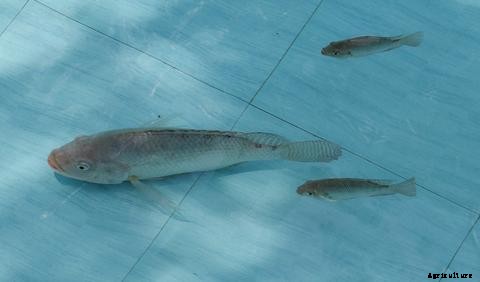
There are different regulations on raising, importing, and exporting tilapia all around the world. In some states, tilapia production in outside facilities is regulated to avoid environmental damage to natural water systems, particularly sport-fishing resources. Some states also require permits to raise certain tilapia breeds. So it is essential to do research and adhere to your local laws in raising tilapia and other fish species. Tilapia are banned in Australia (except WA) because of their ability to overtake local waterways.
Although Tilapia is easy to raise and can survive extreme conditions, there are still some challenges in raising them for your aquaponics system. These are:
Each Of these different tilapia varieties has unique characteristics that may suit your preference and goals in setting up your aquaponics system. These varieties are all hardy and don’t need expensive fish food to grow, making them great fish for aquaponics growers. Although raising tilapia for aquaponics may seem easy, keep in mind that monitoring your water quality is still essential in ensuring that your tilapia is healthy and producing waste for your plants. Thank you for reading if you like this article read our related blog "Caring for Fish in Aquaponics."


