
Welcome to Modern Agriculture!

One of the most critical factors for a successful aquaponics system is the proper maintenance of the pH level of the water in the system. Proper maintenance of pH level in aquaponics is essential but tricky because of the three main living components of the system.
Fish, plants, and bacteria have their own ideal pH range. When the pH level is outside of the ideal range, it can cause low plant growth and unhealthy fish, or it could lead to the death of one or more of these living components of the system. So to get your aquaponics system successful and running, you need to know and understand the importance of pH in aquaponics, how pH level affect the plants, fish, and bacteria in the system and how to maintain and adjust the pH in your aquaponics system.
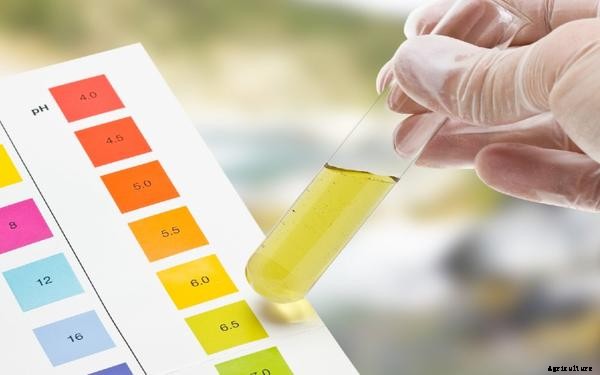
pH is a measurement of how acidic or basic a water-based solution is on a scale ranging from 1 to 14. Pure water has a pH of 7-neural; if the level measures below 7, it indicates acidity, while if it measures above 7, it is basic. The term pH is defined as the amount of hydrogen ions (H+) in a solution.
The pH level of the water has a significant impact on all the living components of aquaponics, especially on the plants and the bacteria. Plants generally prefer slightly acidic pH levels of 6.0 to 6.5, while fish and bacteria prefer a slightly alkaline pH level of 6.0 to 8.5. So to balance the pH needs of the bacteria, plants, and fish in your aquaponics system, you will need to target the ideal pH range that is between 6.8 and 7.2. This range will keep the bacteria functioning at full capacity while allowing the plants full access to the essential nutrients needed to grow.
A low pH level in an aquaponics system can be detrimental to the whole system. When the pH level drops, the nitrification process decreases, and it will also create stressful conditions for the fish that often results in fish diseases or death. Several reasons cause the pH level in aquaponics to fluctuate, these are:
Whatever the cause of the fluctuating pH level in your aquaponics system, it is essential to bring it back to the ideal range because it can cause problems to the fish, plants, and bacteria in your system.
Several methods can be used to raise the pH level in aquaponics systems; these can be done by:
1. Combining equal amounts of calcium carbonate and potassium carbonate and adding the mixture to the water. Carbonates are preferred because they will add strength to the carbonate buffer.
2. Another option is to do a water change; this will help replace the acidic water with more neutral water. Changing the water will prevent immediate damage to your fish and bacteria.
3. You can also add sodium hydroxide to raise the pH level of the water in your system.
4. Using a grow media that is slightly alkaline, such as crushed limestone, can also help in raising the pH level in your aquaponics system.
Too high pH level in an aquaponics system can cause the nitrification process to stop, which can cause low plant growth in the system. The most common reason for the pH level buildup in aquaponics is the carbonate buildup in the system. These often happen when your water is hard or can be caused by the grow media, materials, or grow beds used in your system. High pH level is also normal in newly built aquaponics systems, especially those who are in a cycling stage.
Several methods can be used in lowering the pH level in an aquaponics system; these are:
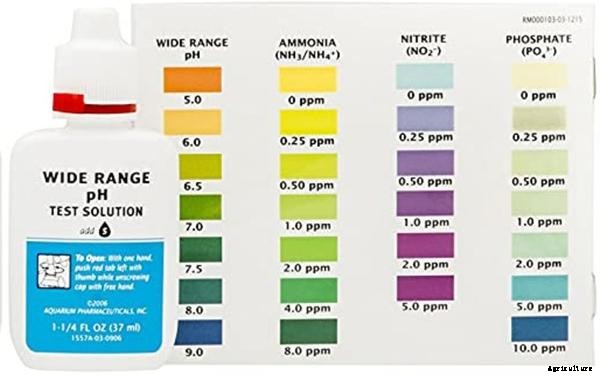
A buffering agent is a weakly acidic substance dissolved in water to help prevent rapid changes in pH. There are two types of hardness in water, the carbonate hardness (KH) and the general hardness (GH). However, in aquaponics, we are always concerned with the carbonates because the general hardness of the water affects pH. Still, it is the buffering capacity (KH) of your water that is a more critical pH factor.
Carbonates are usually measured on a scale of KH. Measuring your KH level may also help you manage your pH. The larger the KH number, the more resistant your system to pH changes. A rule of thumb is that if your KH is less than 4 dKH, it means you don’t have the much-buffering capacity, and you may see rapid or frequent pH swings in your system.
1. Fish cannot handle rapid swings in pH.
2. Maintaining a buffer is essential for bacterial health, because if you get to a point where your carbonates are completely depleted and your pH level decrease rapidly. Your beneficial bacteria will die quickly, and the biological filtration will stop.
3. If you don’t have a minimum buffer (at least 4 dKH) established in your system, you will need to manage your pH levels daily and adjust as needed.
You can create a buffer for your aquaponics system by:
1. Figuring out what your carbonate levels are by getting an API GH and KH Test Kit.
2. If the result of your test shows above 4 dKH, you should be sufficient for now but do a weekly test as part of your regular testing routine. Take note that as your system matures, it will create more nitric acid, so your KH will drop over time.
3. If your dKH fluctuates lower than 4. It is recommended to add potassium bicarbonate to your system at a ratio of 2 ½ tsp per 100 gals of system water for each dKH level that you need to go up.
Proper management of pH is essential in maintaining a successful aquaponics system. So it is necessary that you should consistently monitor the pH levels of your aquaponics system and adjust if needed to ensure that the system functions properly and the plants, fish, and bacteria are healthy. In adjusting the pH level of your system, do it gradually so you will not shock the living elements of your system. Thank you for taking the time to read this article on the importance of pH in aquaponics. If you find this article helpful, read our other article: Aquaponics Maintenance FAQs.


